




Personal care and daily routines
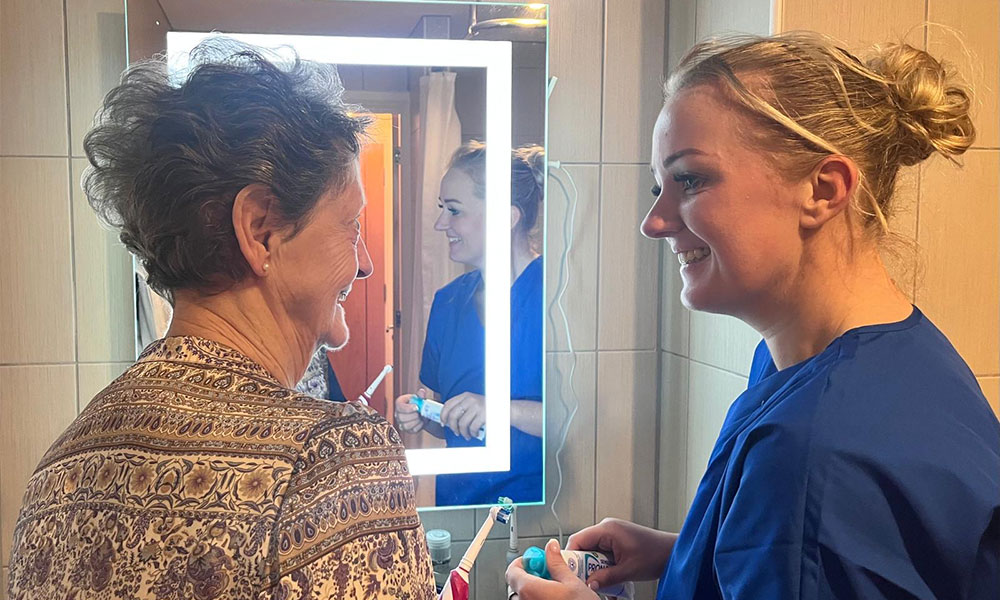
- Washing, bathing, dressing and grooming
- Toileting and assessed continence support
- Morning, evening and bedtime routines
- Skin-integrity support within the agreed care plan
- Choice, privacy and encouragement throughout personal care
Personal support follows the person’s preferred routines and pace, with privacy and independence protected throughout the day.
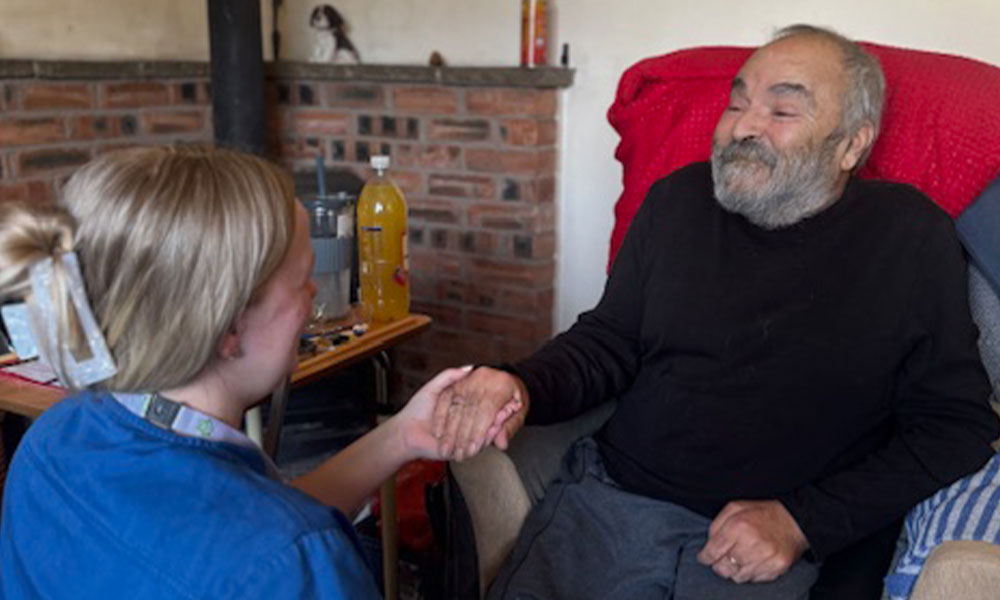
Medication and health routines
- Prescribed medication prompts, assistance or administration as assessed
- Tablets, liquids, creams, patches, drops, sprays and inhalers
- When-required (PRN) and controlled medication where protocols are in place
- Recording on the medication administration record and secure digital system
- Reporting changes, refusals, omissions or concerns through the agreed route
Medication support is recorded clearly, while prescribing, dose changes and clinical decisions remain with the appropriate professionals.
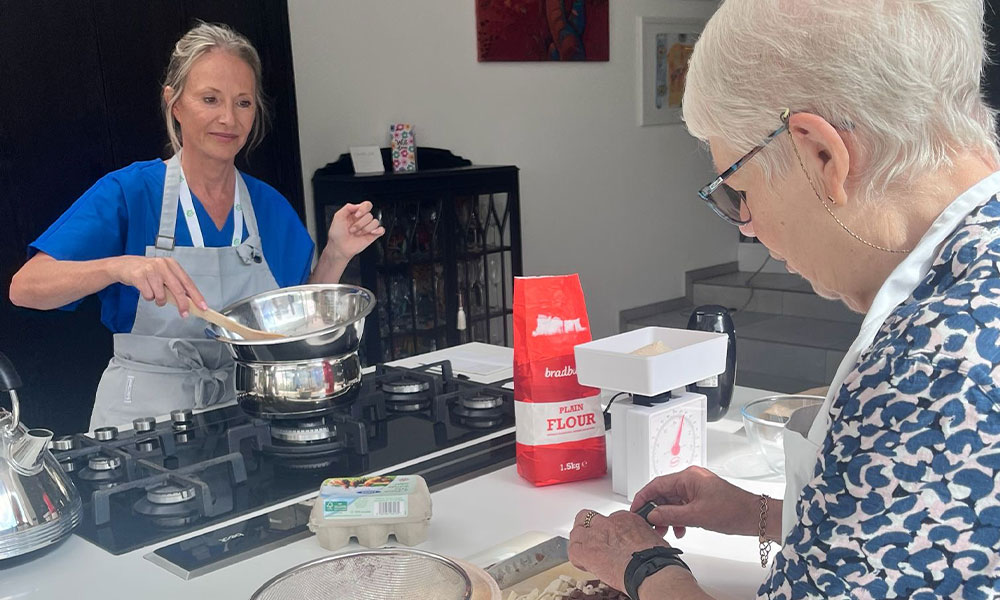
Meals and household life
- Preparing familiar meals, snacks and drinks
- Following agreed dietary, texture or allergy guidance
- Shopping, prescriptions and everyday errands
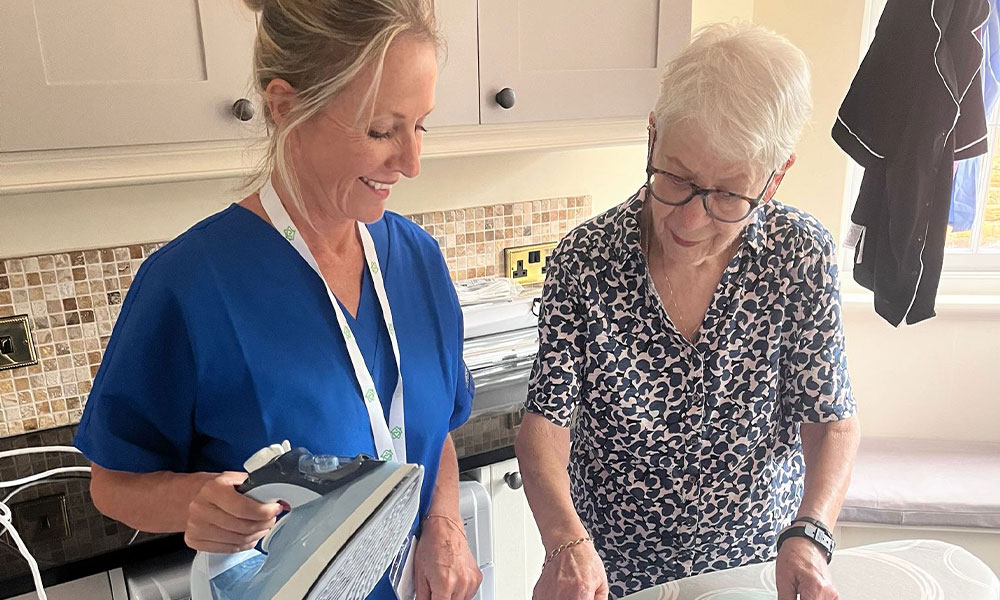
- Light housekeeping, laundry and bed-making
- Basic pet care where agreed
Meals and household routines are agreed with the person, including preferences, dietary guidance and the parts of home life they wish to keep doing.
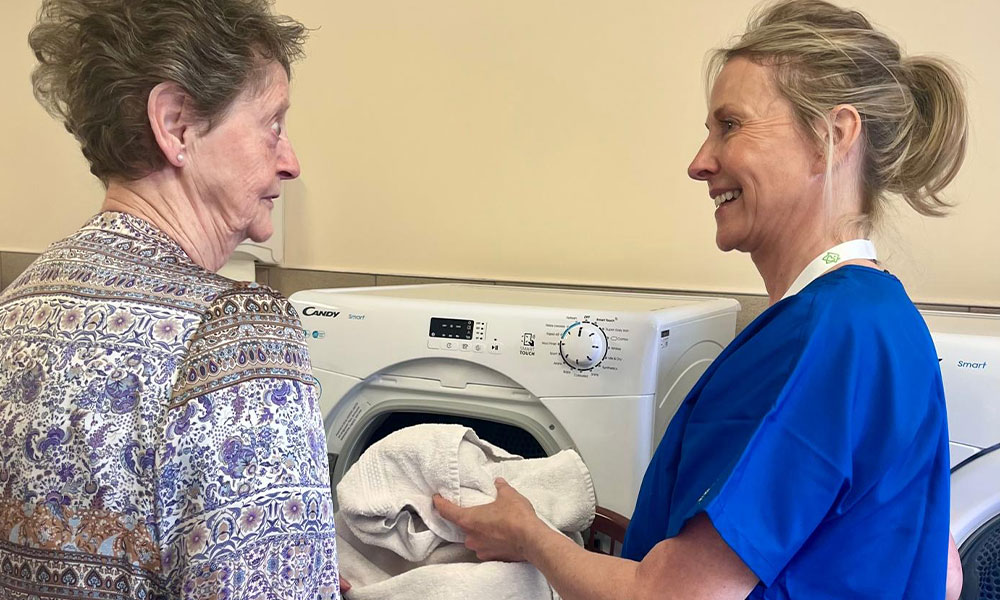
Companionship and everyday interests
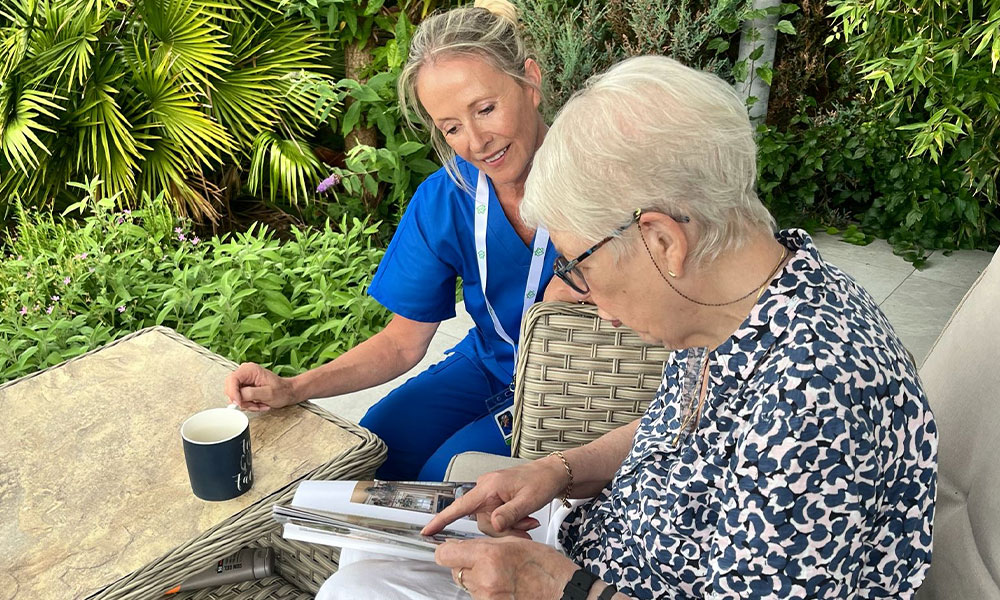
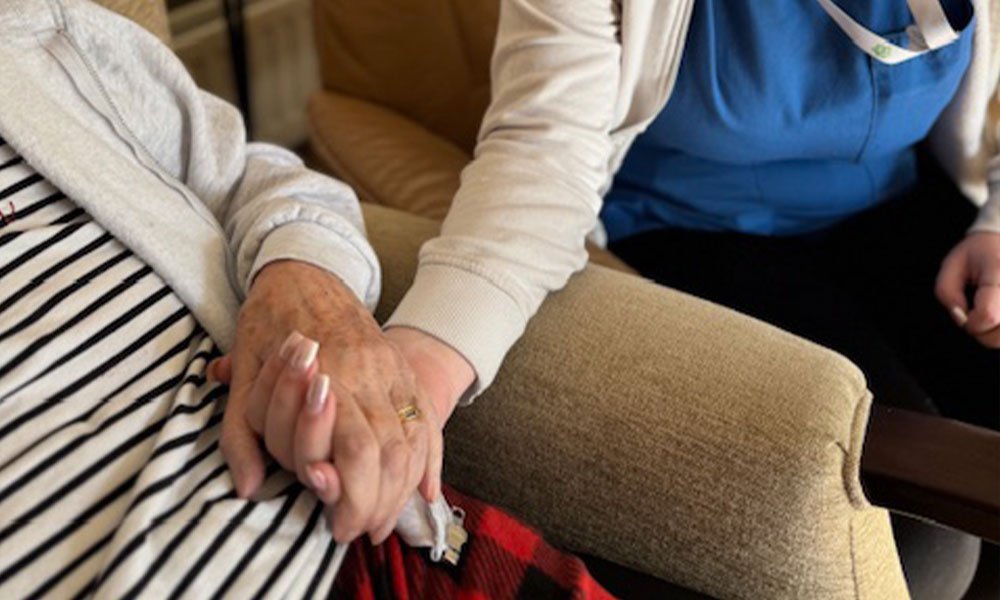
- Conversation and a reassuring presence
- Hobbies, music, crafts, games and familiar routines
- Support to maintain contact with family and friends
- Outings and community activities where agreed
- Respect for privacy and time alone
Time together should feel natural and respectful, with space for conversation, shared interests, quiet company and time alone.
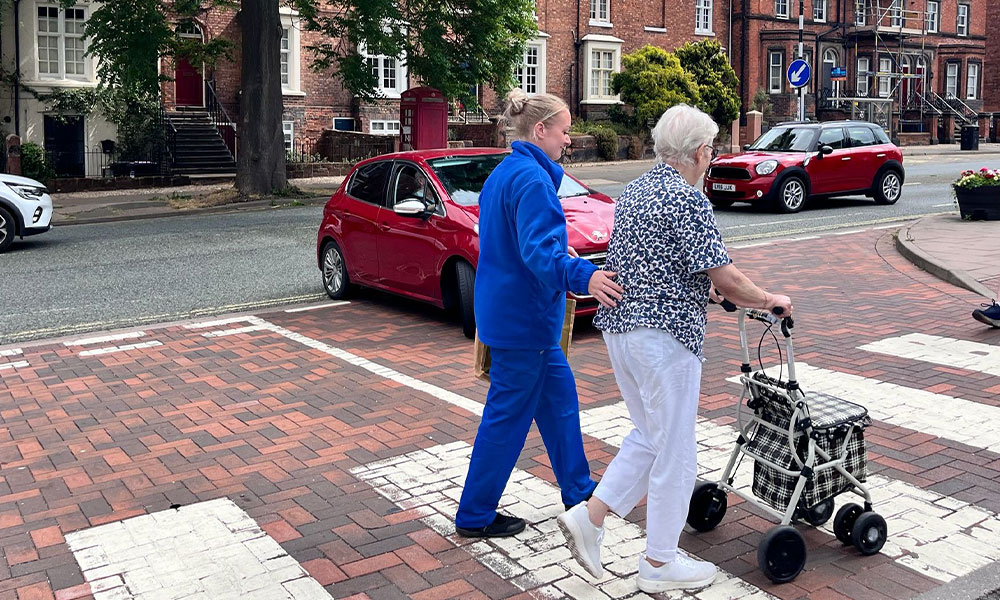
Mobility, appointments and community access
- Transfers and assessed mobility support
- Hoisting or moving equipment where assessed and within competency
- Accompaniment to GP, hospital, therapy or social appointments
- Shopping and local outings
- Support to follow routines recommended by healthcare professionals
Any equipment or exercise guidance must already have been assessed or recommended by the appropriate professional.
Night-time and higher-level support
- Occasional brief assistance during a standard live-in arrangement
- Sleeping-night support where the practitioner is expected to sleep but can assist occasionally
- Waking-night support where a practitioner remains awake and on duty
- Genuine 24-hour support delivered through a rota or shifts when continuous support is required

Standard Live-in Care
A standard Live-in Care arrangement must include suitable breaks and sufficient overnight rest. Occasional agreed assistance may be possible, but more frequent or prolonged night-time support may require another arrangement.

Sleeping-night care
A practitioner is expected to sleep but may provide occasional agreed help. The night plan should state what assistance may be required and how concerns are escalated.

Waking-night care
A practitioner remains awake and on duty throughout the night. This may be appropriate where regular reassurance, personal care, observation or medication support is required.

Genuine shift-based 24-hour support
Continuous cover normally requires two or more practitioners working through a rota or shift pattern. It is different from one Live-in Care practitioner being physically present in the home.