





How Respite Care at Home can help
Time away from caring, with a clear plan for the person at home
Taking a break can be a practical part of sustaining a caring role. It may mean attending an appointment, recovering from illness, spending time with other family, working, getting proper rest or taking a holiday. Respite Care at Home brings an assessed CM Bespoke Care practitioner into the person’s own home so agreed support can continue while the usual family, unpaid or regular carer steps away.
Support can be arranged for a single visit, a regular block of time, overnight or through a temporary live-in arrangement. Visiting respite may begin from 30 minutes. Every package is planned around the person’s needs, the dates requested, the home environment, familiar routines and suitable practitioner availability.
Respite care is sometimes described as replacement care because it temporarily steps in for support usually provided by a family member or unpaid carer. CM Bespoke Care provides professional respite support in the person’s own home, from planned visits and daytime help to overnight or temporary live-in care.
Respite Care at Home at a glance
- Free, no-obligation home assessment
- Visiting support from 30 minutes
- One-off, regular, daytime, overnight or temporary live-in arrangements
- Planned in advance or considered at short notice where safe staffing allows
- Care services available seven days a week, subject to assessment and staffing
- Secure digital care plans, visit records and family updates where agreed
- CQC-rated Good homecare service
Who Respite Care at Home can support
Support for the person receiving care and the person who usually provides it
Respite care needs to work for both the person receiving care and the person who usually provides it. The family or regular carer needs time away from caring, while the person at home needs support that respects their wishes, routines, dignity and safety. The person receiving care should remain central to every decision.
People and circumstances
- Older people and adults living with disabilities, reduced mobility or long-term health conditions
- People living with dementia, Parkinson’s, frailty or other assessed support needs
- A partner, relative or friend who provides most of the usual care and needs a planned break
- A family carer attending appointments, working, recovering from illness or preparing for surgery
- Families arranging support from a distance or covering an unavoidable absence
- Someone returning home after hospital treatment where a family carer normally provides support
- People who would benefit from regular weekly or occasional respite while remaining in familiar surroundings
The respite plan follows the person’s familiar routines and can be shaped around the reason, timing and length of the break.
Signs that a conversation may help
- The usual carer is getting very little uninterrupted rest or time for their own health
- Appointments, work or other family responsibilities are becoming difficult to manage
- The person cannot comfortably be left without agreed support
- Personal care, medication, meals, mobility or reassurance now require more time or skill
- A holiday, hospital admission, illness or other absence needs reliable cover
- The family has no clear contingency plan if the usual carer becomes unavailable
- A change of environment may be unsettling, making support at home worth exploring
These circumstances do not automatically mean that one particular care package is required. They are good reasons to discuss what would help, what the person wants and which respite format may be safe and realistic.
What Respite Care at Home can include
Care built around the usual routine, not a generic list
The practitioner follows an assessed care plan and detailed handover. Tasks are agreed with the person receiving care and, where appropriate, the family or representative.
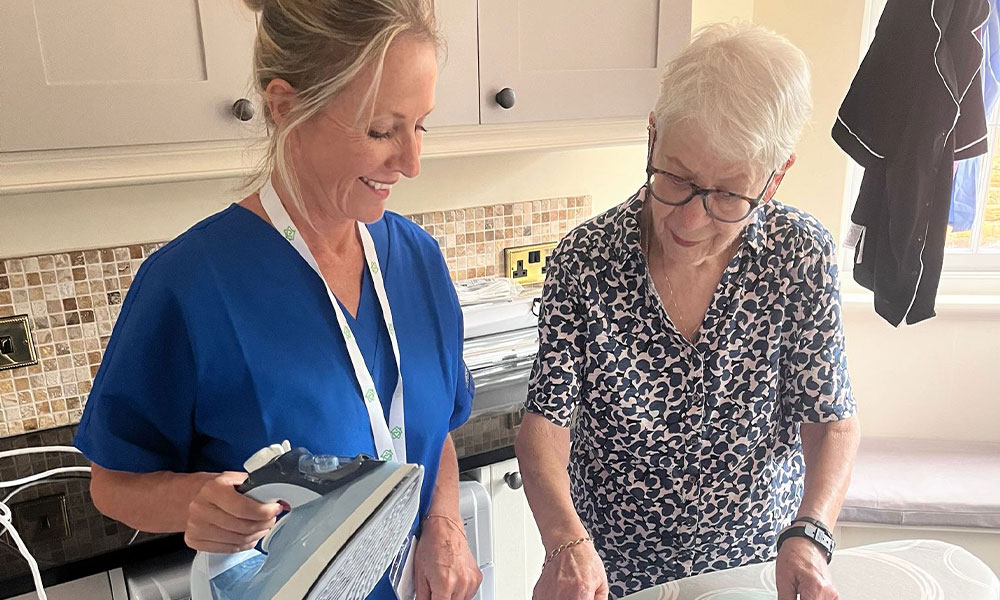
Personal care and daily routines
Respectful support can help familiar parts of the day continue with as little unnecessary change as possible.
- Washing, bathing, showering and dressing
- Grooming, oral care and personal hygiene
- Toileting and assessed continence routines
- Morning, evening and bedtime routines
- Skin-integrity support and agreed personal-care preferences
The respite plan follows the person’s familiar routines so support feels respectful and reassuring while their usual carer is away.
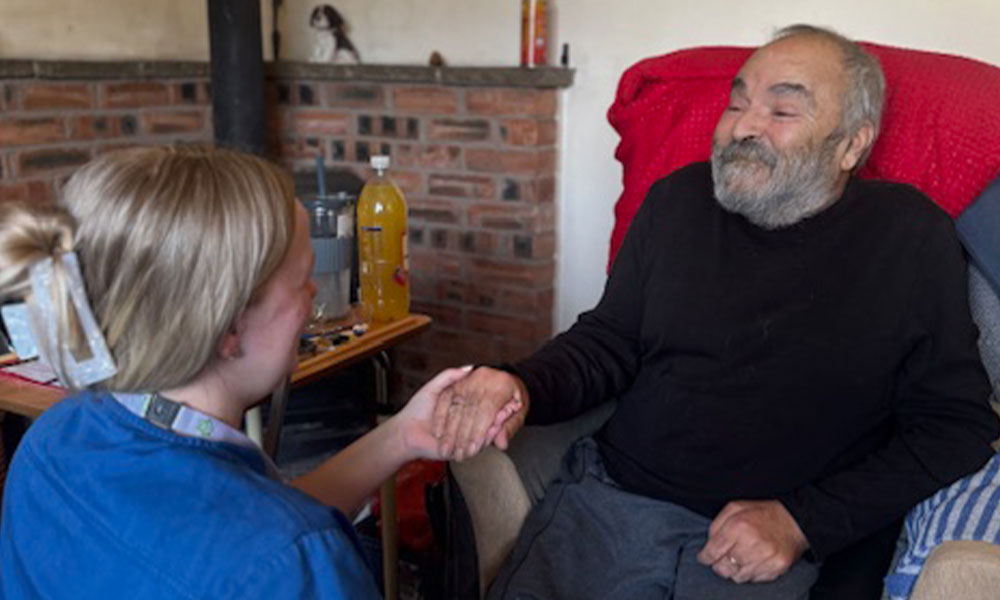
Medication and health routines
Competency-assessed practitioners can provide prescribed medication support where it is included in the care plan and the required safeguards are in place.
- Prompts, assistance or administration as assessed
- Prescribed tablets, liquids, creams, patches, drops, sprays or inhalers
- When-required (PRN) and controlled medication where the required protocol is in place
- Recording on the medication administration record and secure digital care record
- Reporting refusals, omissions, changes or concerns through the agreed route
Medication support is recorded clearly, with any changes or clinical concerns passed through the agreed route.
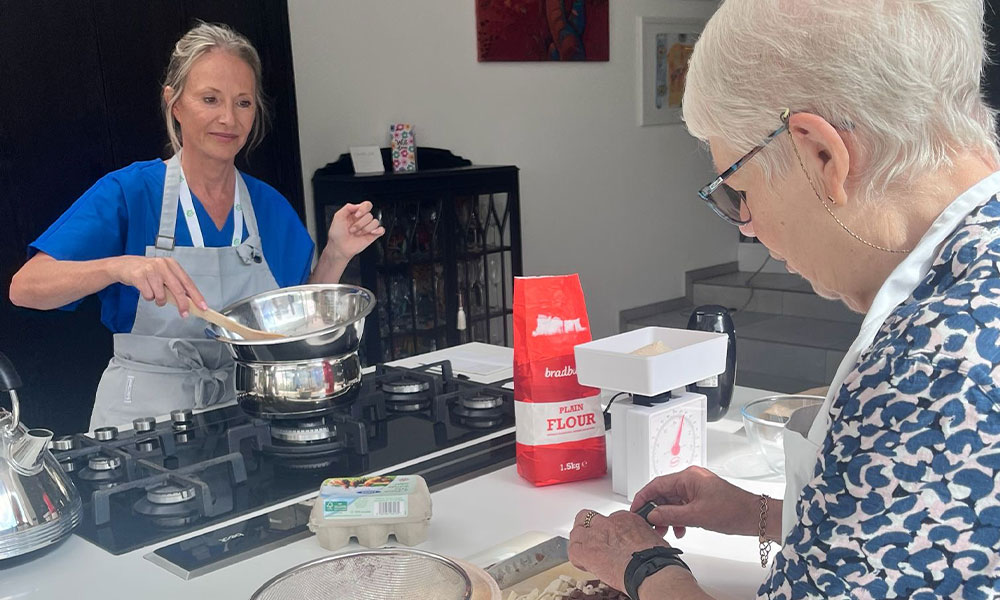
Meals, nutrition and hydration
Temporary care should reflect the person’s preferences rather than replacing them with a standard menu.
- Preparing familiar meals, snacks and drinks
- Following agreed dietary, texture or allergy guidance
- Encouraging regular eating and drinking
- Shopping or helping plan food for the respite period
- Recording and escalating concerns about reduced intake
Preferred meals, drinks and dietary guidance are recorded in advance to make the handover as smooth as possible.
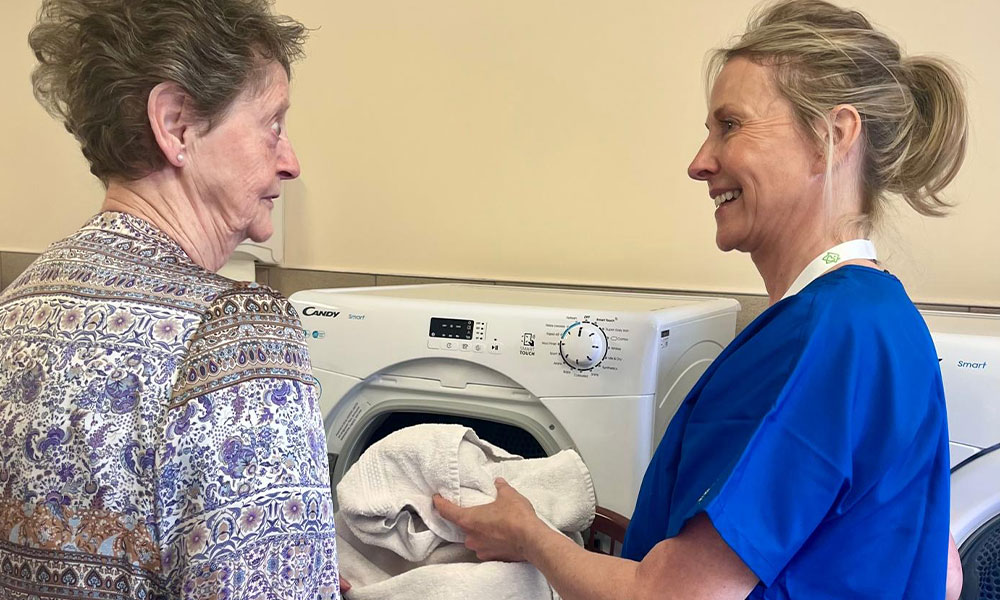
Practical help at home
A calm, manageable home can help the person feel settled while their usual carer is away.
- Light housekeeping, tidying and cleaning
- Laundry, bed-making and changing linen
- Shopping, errands and collecting prescriptions
- Organising everyday items around the person’s routine
- Basic pet care, including feeding or dog walking, where agreed
Only agreed tasks are carried out, helping the home stay comfortable without disrupting how the person likes things done.
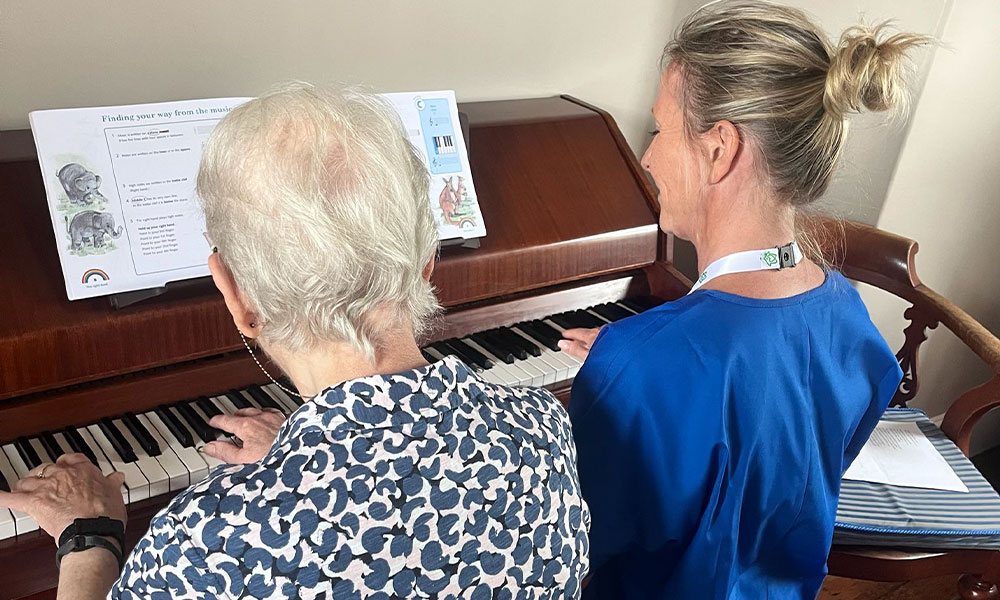
Companionship, interests and reassurance
Respite is not simply supervision. A practitioner can provide company and help the person continue the parts of life they enjoy.
- Conversation and a familiar daily rhythm
- Hobbies, music, crafts, games or television choices
- Reassurance for someone who feels anxious or unsettled
- Dementia-related routines and communication preferences
- Contact with family, friends or community activities where agreed
Respite can include quiet company or shared activities, always shaped around the person’s mood, interests and preferred pace.

Mobility, appointments and community life
Support may help the person move around, attend appointments and remain connected beyond the front door.
- Transfers, mobility support and assessed moving equipment
- Hoisting or complex lifting equipment where assessed and within competency
- Accompaniment to medical or social appointments
- Shopping, short outings and community access
- Support to follow exercises or routines recommended by healthcare professionals
Any equipment or exercise guidance must already have been assessed or recommended by the appropriate professional.
Ways Respite Care at Home can be arranged
Temporary support can take different forms
The right format depends on how long the usual carer will be away, which tasks must continue, the person’s day and night needs, the home environment and suitable practitioner availability.

Visiting Respite Care
Shorter support at agreed times, beginning from 30 minutes where assessed as appropriate.
- One visit or several visits across the day
- One-off cover or a recurring weekly pattern
- Personal care, medication, meals or companionship
- Useful for appointments, errands, work or a shorter break

Daytime or Regular Respite
A planned block of support or a repeating arrangement that gives the usual carer dependable time away.
- A longer period during the day
- Regular weekly or monthly respite
- Support with routines, interests and household life
- Time for rest, work, health appointments or other family commitments

Overnight Respite Care
Support through the night, shaped around the person’s assessed needs.
- Sleeping-night care where the practitioner is expected to rest but may provide occasional agreed help
- Waking-night care where a practitioner remains awake and on duty
- Personal care, reassurance, toileting or medication within the agreed plan
- A clear handover and night-time escalation plan

Live-in Respite Care
A care practitioner lives in the home for the agreed temporary period.
- May cover a short break, holiday, illness or change in family circumstances
- Requires a suitable private bedroom and appropriate household facilities
- Includes planned breaks and sufficient overnight rest for the practitioner
- More frequent or prolonged night-time support may require waking-night or shift-based care
Other care options at home
Respite is temporary; another service may suit a different need
Assessment may show that regular visiting support, a longer-term live-in arrangement or palliative support is more appropriate.
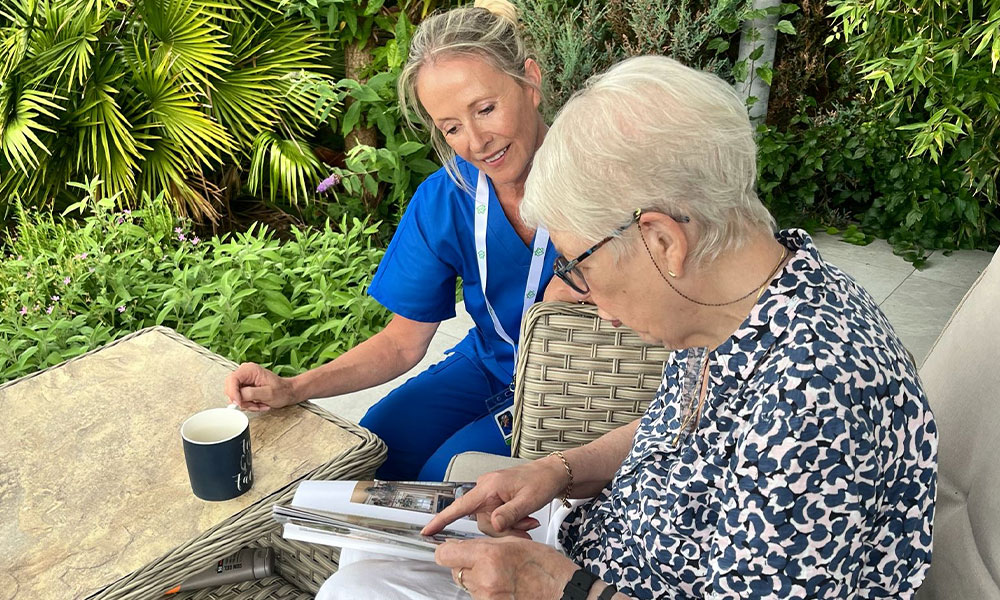
Visiting Care at Home
Scheduled visits for personal care, medication, meals, companionship and everyday routines.
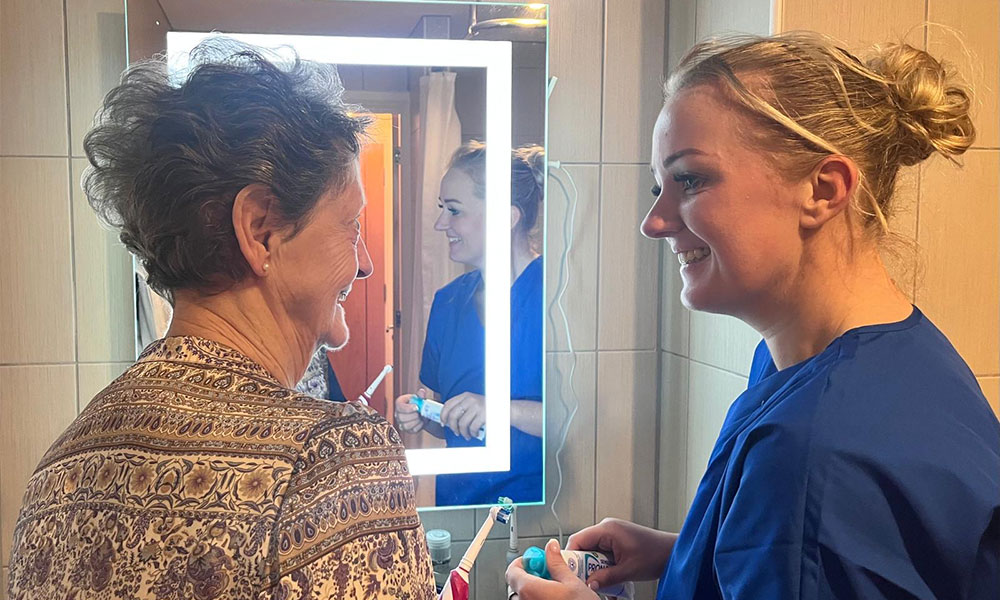
Live-in Care at Home
One-to-one support from a carefully matched practitioner who lives in the home, with the required space, breaks and overnight rest.
Palliative Care at Home
Personal and practical support at home for someone receiving palliative or end-of-life care, delivered alongside the healthcare professionals involved.

Why choose CM Bespoke Care
A family-owned care agency that understands the trust involved in stepping away
Handing over care, even for a short period, can feel significant. CM Bespoke Care is family-owned and managed, and has grown through recommendations and positive word of mouth. The team takes time to understand what normally happens at home, what matters to the person and what the usual carer needs from the arrangement.
CM Bespoke Care is large enough to invest in training, secure care systems and responsive management, while remaining closely involved with clients and families. Respite is planned as a defined care package with clear responsibilities, with key details agreed before the first visit rather than left to a hurried first-day handover.

Our care team and standards
Clear oversight while the usual carer is away
CM Bespoke Care currently has approximately 100 care practitioners working across Shropshire, Worcestershire and surrounding areas. Every new practitioner completes induction, practical learning and shadow shifts before working independently. Ongoing training, observations, spot checks, competency assessments and supervision continue throughout the year.
Wherever possible, respite is matched around the person’s needs, required skills, communication style, routines, interests, household circumstances, pets and the dates requested. Continuity is planned where possible, but holidays, sickness and short-notice requests may mean another suitable and properly briefed practitioner provides care.
Trust and management evidence
- Rated Good by the Care Quality Commission for the registered service
- Care Certificate standards and mandatory training
- Safeguarding, moving and handling, medication awareness and basic life support
- Dementia awareness, infection prevention, nutrition, confidentiality and lone working
- Competency checks, observations, spot checks and regular supervision
- Registered Nurse oversight and guidance for more complex needs where required
- Secure digital care plans, visit notes and medication records
- A dedicated care manager and seven-day on-call support for active care packages
Reviews and lived experience
Real feedback from people and families
Respite care should leave families feeling reassured, not out of touch. The independent reviews below share how clients and families have experienced CM Bespoke Care’s reliability, communication and support in the home.
Preparing for respite care
A careful handover protects familiar routines
Family carers often hold a large amount of practical knowledge that may never have been written down. The assessment and care plan turn that knowledge into clear information for the temporary practitioner, while keeping the person’s wishes and consent central.
What the care plan may record
- Personal-care routines and preferences
- Medication, pharmacy information and recording requirements
- Meals, drinks, allergies and dietary guidance
- Mobility, transfers, equipment and known risks
- Communication needs, memory support and calming strategies
- Appointments, social plans, household expectations and pets
- Important contacts and the agreed response if needs change
Introductions, communication and continuity
- The person and family can discuss introductions and what may help the arrangement feel comfortable
- Suitable practitioners receive a full handover before providing care
- Daily notes and outcomes are recorded in the secure digital system
- Family updates may be provided by phone, email, discussion or the family portal where the person has agreed
- The dedicated care manager remains the main point of contact
- Concerns, refusals, medication issues or changes in wellbeing are recorded and escalated through the agreed plan
How Respite Care at Home is arranged
A clear plan before the break begins
You do not need to design the care package before contacting CM Bespoke Care. Share what is happening, the dates being considered and the usual support, and the team can help explain which arrangement may be suitable.

Contact us and share the dates
Tell the team where care is needed, why respite is being considered, how long the usual carer may be away and whether the request is planned or short notice.

Free home assessment
A trained senior team member normally visits the person at home. The assessment usually takes 60 to 90 minutes and considers needs, routines, risks, medication, the home environment, family circumstances and the most suitable respite format.
Care plan, matching and handover
The person, family or representative and relevant professionals contribute where appropriate. The care plan sets out agreed tasks, preferences, communication, escalation, family updates and the skills required. Suitable practitioners receive a full handover.

Respite begins and stays connected
The dedicated care manager oversees delivery and remains available to the person, family and practitioners. Care is reviewed whenever needs or circumstances change, and the family can discuss what worked before arranging future respite.
Respite Care at Home or residential respite
Both can provide a break, but the setting is different
Respite Care at Home allows the person to remain in familiar surroundings while temporary professional care is provided there. Residential respite involves a short stay in a care home. A day service, sitting service or other community option may also suit some families.
The right choice depends on the person’s wishes, consent, care and clinical needs, home suitability, social preferences, family circumstances, funding and availability. CM Bespoke Care can explain whether its own at-home service may be suitable, but it does not decide that one setting is universally better.
Respite Care at Home
- Familiar rooms, routines, pets and household life can continue
- Support is built around an individual care plan
- Visiting, overnight or temporary live-in formats may be considered
- The home must be suitable for the required care
- Availability depends on dates, assessed needs, location and suitable practitioners
Residential respite
- The person stays temporarily in a care home
- Staff and shared facilities are available within the setting
- Communal activities and contact with other residents may appeal to some people
- A nursing home may be more appropriate where registered nursing is required
- Room availability, the home’s services, location and cost need to be checked
The right choice depends on the person’s wishes, consent, care and clinical needs, home suitability, social preferences, family circumstances, funding and availability. CM Bespoke Care can explain whether its own at-home service may be suitable, but it does not decide that one setting is universally better.
Respite Care at Home across our service area
Availability checked around the address and dates
CM Bespoke Care considers respite enquiries across South Shropshire, North Worcestershire and parts of Herefordshire, including towns, villages and rural communities. Coverage is considered individually rather than through one fixed boundary.
Temporary capacity is date-specific. Availability depends on the exact address, the support required, whether care is visiting, overnight or live-in, travel planning, practitioner skills and the time available for assessment and handover. Share the postcode, dates and usual routine for a clear answer.
Respite Care at Home in Shropshire
Respite Care at Home in Herefordshire
Respite Care at Home in Worcestershire
Our offices supporting Shropshire, Herefordshire and Worcestershire
Care management and planning from two established offices
CM Bespoke Care's Cleobury Mortimer head office and Church Stretton office support enquiries, practitioner coordination and care management across our service area.
Ground Floor Office Suite, Upper Baveney Park, Cleobury Mortimer, Kidderminster, DY14 8LF
Unit 1, Sandford Court, Sandford Avenue, Church Stretton, SY6 6BH
Frequently asked questions about Respite Care at Home
Talk to our team about Respite Care at Home
You do not need to know whether visiting, daytime, overnight or live-in respite is the right format before contacting us.
Tell us a little about who needs support, the address, the dates being considered, the usual routine and what the family carer needs time to do.
The team will listen, explain what may be possible and arrange a free home assessment where that is the right next step.