




Care at home in Much Wenlock
Help with the day, in the way you prefer
Much Wenlock and its nearby villages sit between Shrewsbury and Bridgnorth. Staying at home can mean keeping familiar neighbours, favourite routines and the freedom to spend your day in your own way.
Our visiting Home Care service can help with washing and dressing, prescribed medicines, meals, companionship and household tasks. Visits can start from 30 minutes a week or provide support at several points in the day. We discuss what you need and how visits could work during a free home assessment.
If you need support at different times throughout the day, you can also explore Live-in Care in Shropshire, where a practitioner lives in your home. Our team can talk through both options, including the space, breaks and night-time arrangements a live-in plan would require.
Arrange a free assessmentHome Care in Much Wenlock at a glance
- Free, no-obligation home assessment
- Visiting care from 30 minutes
- One weekly visit or several visits a day, according to your plan
- Personal care, medication support, meals and practical help
- Visiting and live-in options discussed with our team
- Support for appointments and returning home after hospital treatment
- Registered homecare service rated Good by the Care Quality Commission
Who we can support
Help with everyday tasks and changing needs
We support adults who need help at home, including people living with disabilities or long-term conditions and those recovering after illness or hospital treatment. Care can also sit alongside the help a partner, relative or friend already provides.
When help at home may be useful
You might be exploring support for:
- Washing, dressing or other personal routines
- Living with reduced mobility, frailty or a disability
- Daily life with dementia or another long-term condition
- Returning home after illness, surgery or a hospital stay
- Regular company and help with meals or household tasks
- A family caring arrangement that needs additional support
We listen to what you want to keep doing for yourself and where help would make a difference.
Changes worth talking through
A conversation may help when:
- Getting ready takes more effort or leaves you tired
- Meals, drinks or prescribed medicines are being missed
- Moving around at home has become less secure
- Shopping, laundry or cleaning is harder to manage
- Time alone is becoming difficult or you would welcome company
- A family carer’s health, work or other commitments have changed
Your assessment considers the help already available and the support you would welcome.
Help with daily life at home
Personal and practical support agreed with you
Your care plan brings together the tasks you need help with and the way you prefer things to be done. These examples show what visiting support can include.
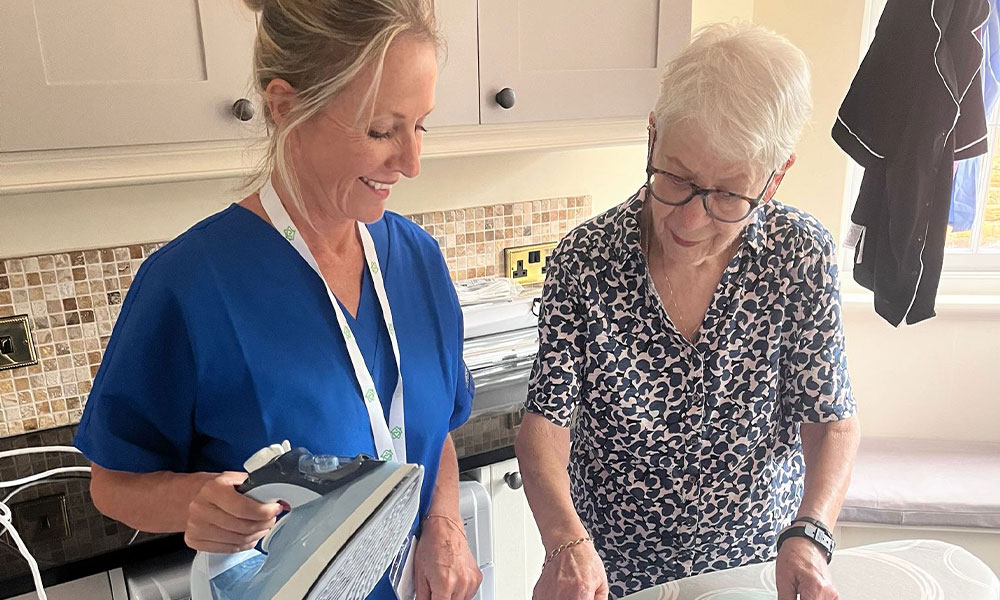
Personal care and daily routines
Discreet help can make getting ready more comfortable while respecting your privacy and choices.
- Washing, bathing, showering and dressing
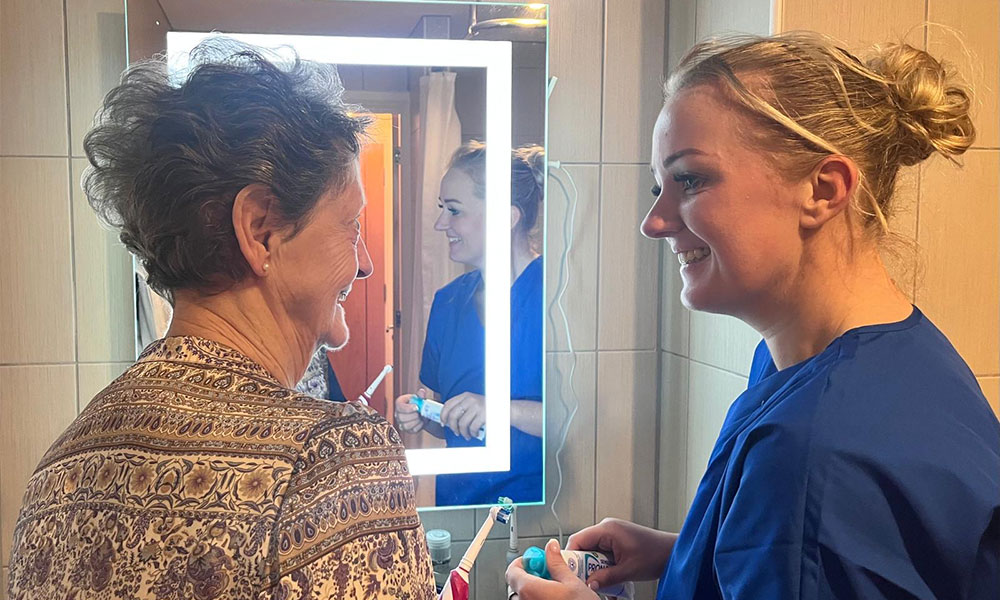
- Grooming, oral care and personal hygiene
- Toileting and assessed continence support
- Morning, evening and bedtime routines
Practitioners follow your preferred routine and encourage you to do what you can comfortably manage.
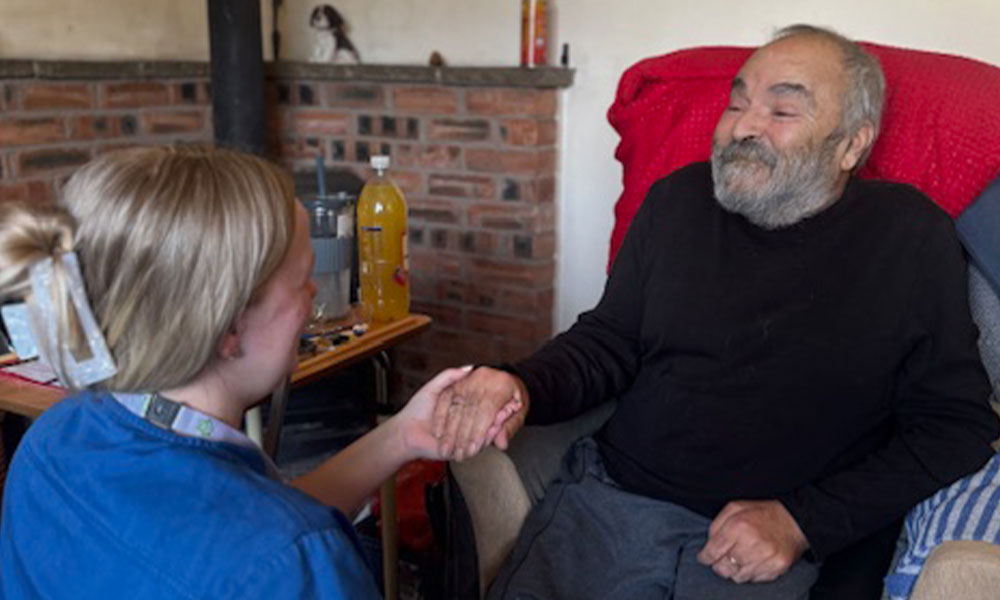
Prescribed medication support
Trained and competency-assessed practitioners can prompt, assist with or administer prescribed medicines as agreed in your plan.
- Support with assessed medication routines
- Prescribed tablets, liquids, creams, patches, drops or inhalers
- When-required medicines under the agreed protocol
- Recording support and reporting concerns
Prescribing, dose changes and clinical decisions remain with the appropriate healthcare professional. Practitioners do not fill medication organisers.
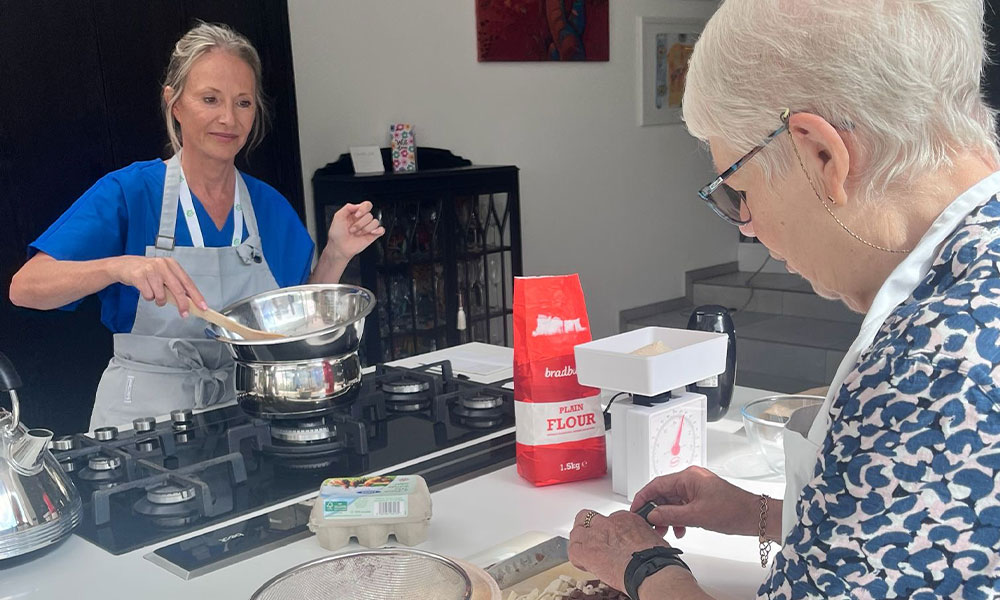
Meals and drinks
Help with food and drinks can support the eating habits and choices you enjoy.
- Preparing meals, snacks and drinks
- Following dietary, texture and allergy guidance in your plan
- Encouraging regular eating and drinking
- Shopping for groceries and household essentials
We follow agreed professional guidance and report changes in appetite or intake through your contact arrangements.
Practical help around the home
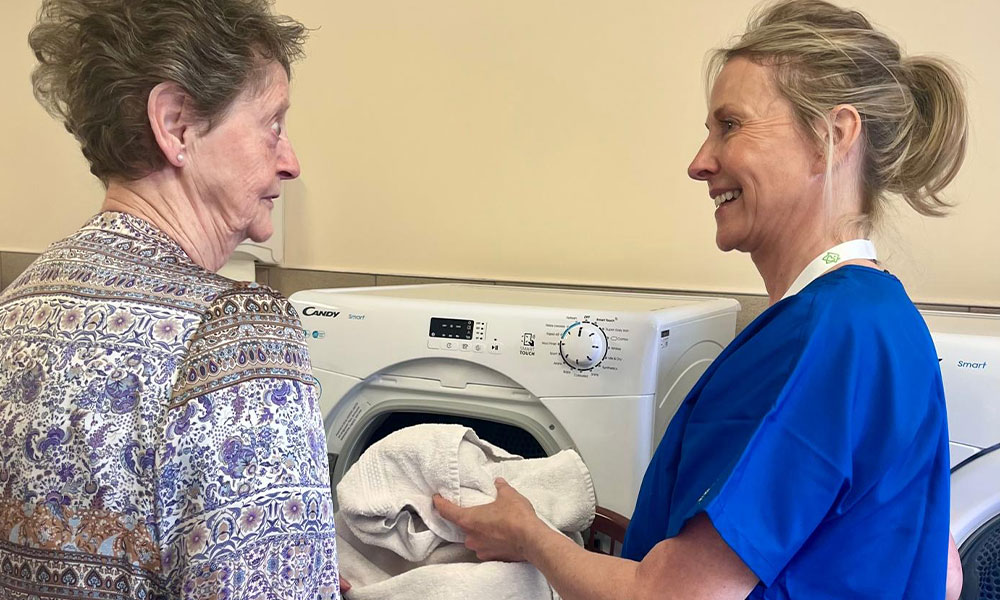
Support with household tasks can help keep your home comfortable and everyday items within reach.
- Light cleaning, tidying and washing up
- Laundry, bed-making and changing linen
- Shopping, errands and collecting prescriptions
- Basic pet care where agreed
The tasks are set out in your care plan, with respect for your home and the way you like it kept.
Companionship
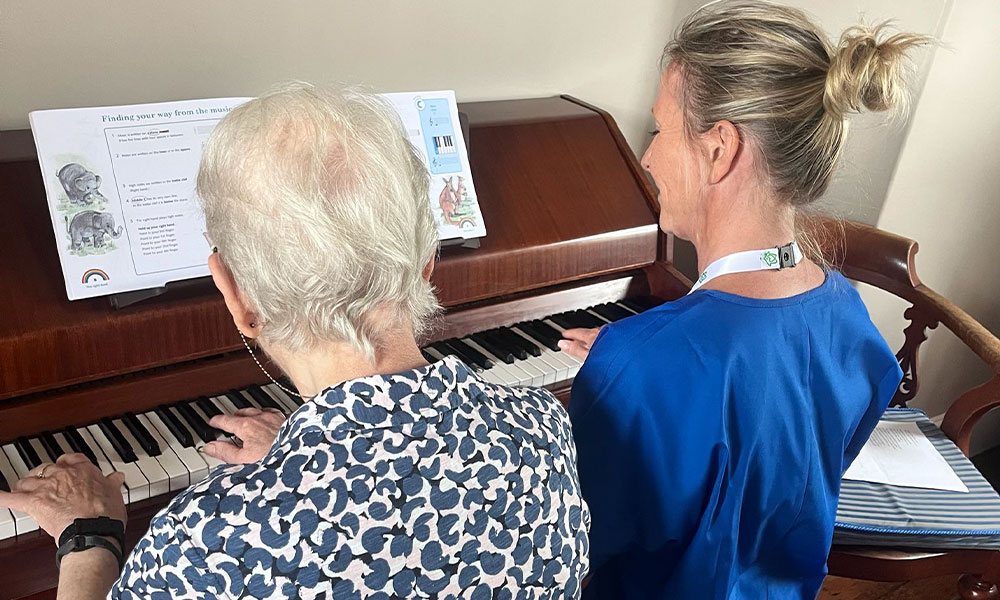
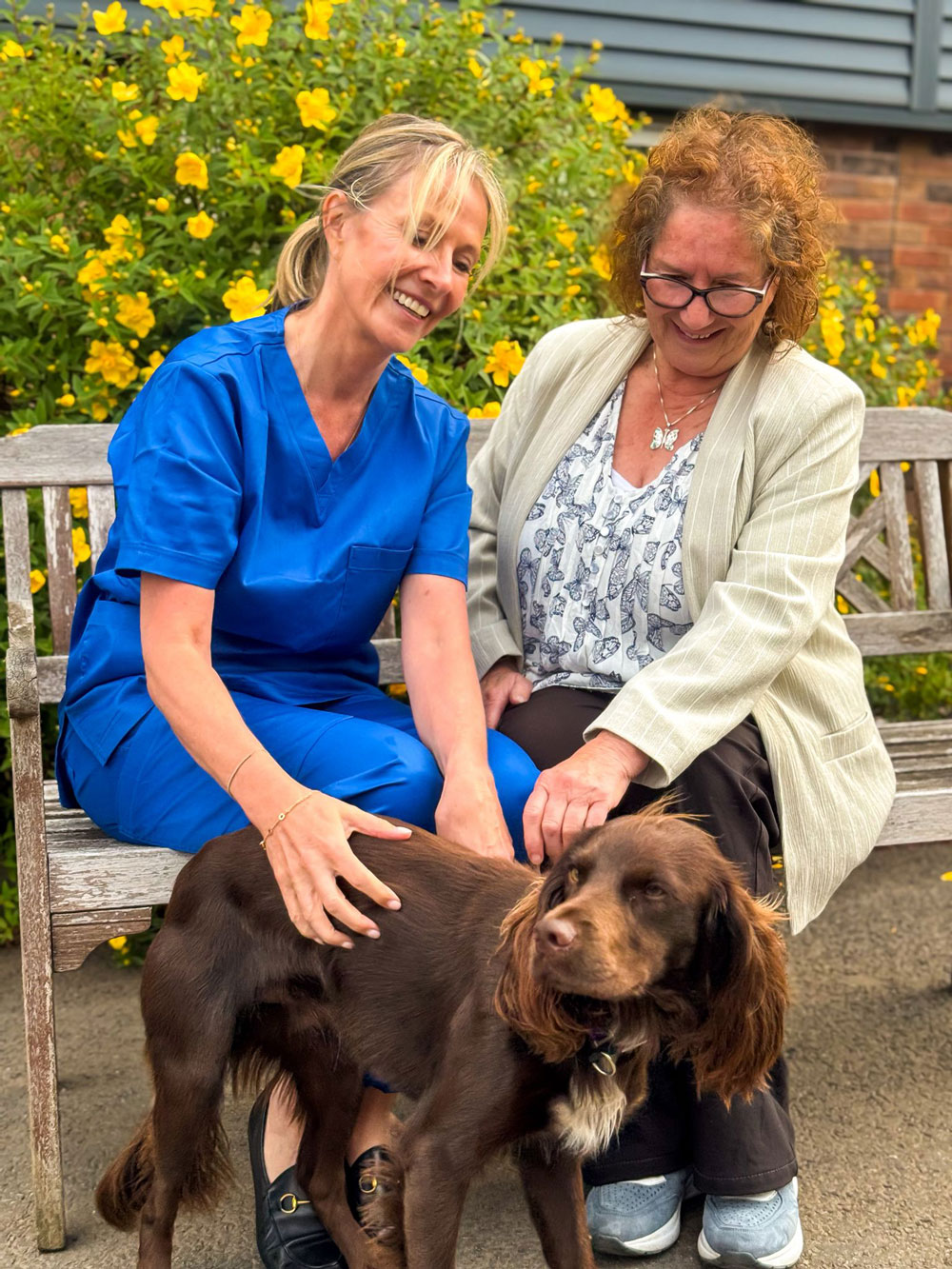
A regular visit can bring conversation, shared interests and something enjoyable to look forward to.
- Friendly company and conversation
- Hobbies, crafts, music or games
- Keeping in touch with friends and family
- Agreed support with activities outside the home
Matching considers personality, interests and communication preferences alongside the care you need.

Mobility and appointments
Assessed support can help you move around and keep appointments or activities that matter to you.
- Help moving between a bed, chair or other position
- Using assessed moving or hoisting equipment
- Accompaniment to health appointments
- Shopping and short outings where agreed
Equipment and exercise guidance must be assessed or recommended by the appropriate professional before practitioners assist.
Planning visits around your day
Help at home and with the journeys you need to make
You may need help getting ready for an appointment, preparing lunch or settling into your evening. We begin with those routines and the times that matter to you, whether you live in Much Wenlock, Homer, Bourton or another nearby community.
For village and rural homes, we also discuss access and travel between visits. If an appointment takes you to Bridgnorth or Shrewsbury, tell us about it so we can consider preparation or accompaniment within your care plan.
We use your preferred visit times wherever possible and explain any agreed time windows. Assessment, the support required, travel and suitable practitioner availability determine what can be arranged.

Care alongside local health and support services
Practical support when other professionals are involved
Your care may involve a GP, hospital team, community nurse or the council. With your consent, we can include relevant contacts and professional instructions in your care plan and agree how updates should be shared.
Appointments and returning home
If you attend Much Wenlock & Cressage Medical Practice or another surgery, we can discuss help getting ready for appointments or accompaniment during your assessment.
Bridgnorth Community Hospital provides rehabilitation and outpatient services. If you are returning home from there or another hospital, ask the discharge team about the planned support, equipment and follow-up care.
We can assess the personal and practical help you need at home and agree a start date when suitable practitioners are available. Discharge decisions, prescribing and clinical treatment remain with the healthcare professionals involved.
Our guide to coming home from hospital includes practical questions to help you prepare.
Care needs and help with costs
Shropshire Council’s First Point of Contact can explain how to ask for a care needs assessment. A separate financial assessment considers what you may contribute and whether the council can help pay for eligible support.
Our free home assessment considers the care CM Bespoke Care could arrange. It is separate from the council’s assessments, and you can contact us privately while also exploring council support.
If the council agrees a direct payment, check the agreed support, available budget and any contribution or additional costs before choosing a provider.
Benefits and support for family carers
Attendance Allowance may help if you have reached State Pension age and need personal-care help or supervision because of a disability or health condition. It is not means-tested, and you do not need to be paying for care to qualify. Eligibility depends on your needs and the other rules.
Check Attendance Allowance eligibility on GOV.UK. Our care costs and funding guide explains the wider options.
Shropshire Carers provides information and support for people caring for a relative or friend, including routes to a carers’ assessment.
Other ways we can support you at home
Visiting, live-in and temporary arrangements
Your needs may suit a different care arrangement or change over time. We can discuss these options during your assessment.
Live-in Care in Shropshire
A practitioner lives in your home and provides support around the agreed care plan. We assess your needs, household space, matching, breaks and overnight rest.
Explore Live-in Care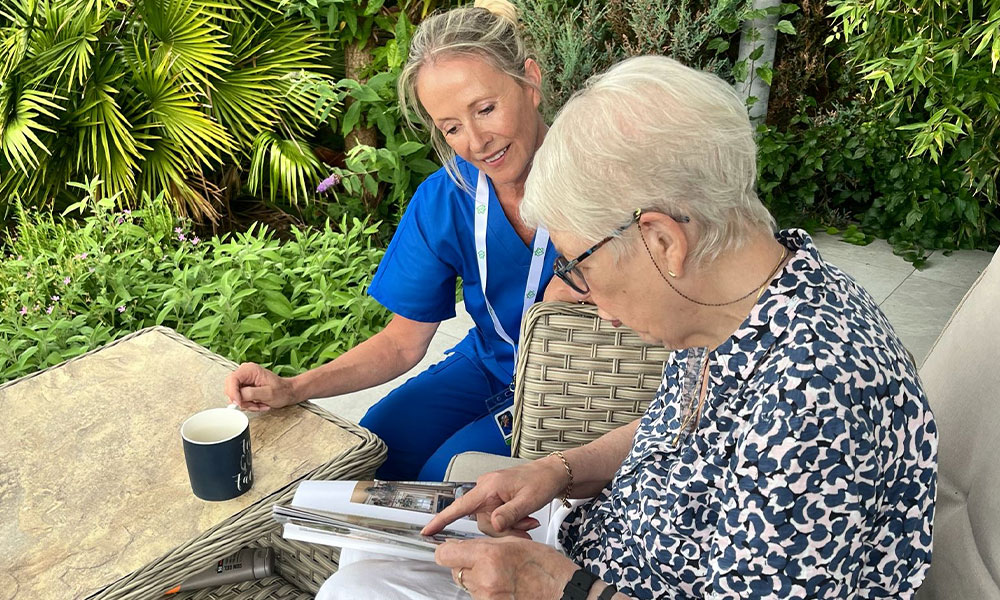
Respite Care at Home in Shropshire
Temporary visiting, overnight or live-in support can help when a family or regular carer needs a break.
Explore Respite Care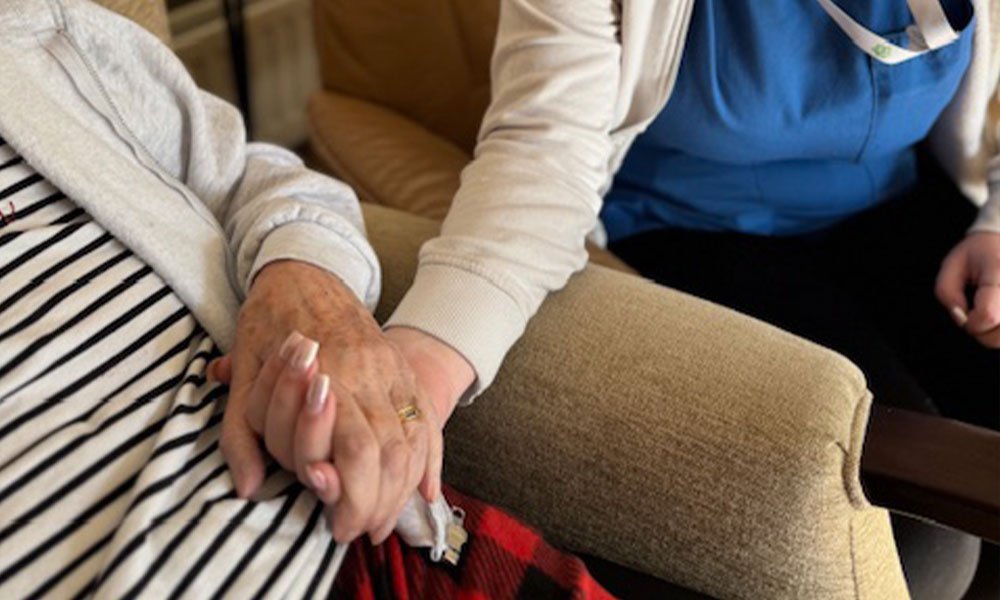
Palliative Care at Home in Shropshire
Personal and practical help at home for someone receiving palliative or end-of-life care, alongside the healthcare professionals involved.
Explore Palliative Care
Home Care Services from CM Bespoke Care
A family-owned team that listens
CM Bespoke Care is family-owned and managed. We take time to understand the person receiving care, including their routines, preferences and the help they would welcome. Dignity, reliability and personal relationships guide how we plan and provide support.
Our team coordinates care from our Church Stretton and Cleobury Mortimer offices. We agree how support will be provided, how you and your family can keep in touch with us, and how changes to your care will be discussed. As your needs change, we review the care plan with you so it continues to reflect the support you need at home.
Familiar faces and clear communication
We aim to provide a small, familiar team, matched to your needs, routines and preferences. Matching also considers the skills required, visit times and practical travel arrangements.
- Induction and shadowing before independent work
- Ongoing training, observations and competency checks
- A dedicated care manager and regular care-plan reviews
- Secure digital care plans and visit records
- Family updates agreed according to your wishes and consent
- Registered homecare service rated Good by the Care Quality Commission
Our Church Stretton and Cleobury Mortimer offices support care planning and communication. Your care manager can explain how continuity and cover would work for your arrangement.
Experiences shared by clients and families
What clients and families say about our care
Read what clients and families have shared about CM Bespoke Care, the practitioners who visit them and communication with our team.
Arranging care in Much Wenlock
From a first conversation to an agreed plan
Tell us what has changed and the help you are considering. We can answer your questions and explain how a free home assessment would work.

Talk with our team
We discuss your general location, the support needed, preferred times and any important timescale. You can enquire for yourself or someone close to you.

Meet for a free assessment
A trained senior team member normally visits you at home. We discuss your routines, wishes, needs and home environment, with relatives involved if you want them to take part.

Agree the care and cost
We explain the proposed tasks, visits and charges, then match practitioners to the support required. For live-in care, we also assess household space, breaks and night-time needs.

Begin care with ongoing review
Practitioners receive a handover and your agreed care plan. A dedicated care manager keeps in touch, with formal reviews at least monthly and when needs change.
Choosing how and where to receive care
Consider your needs, preferences and home circumstances
Visiting care, live-in care and residential or nursing care involve different arrangements. The right choice depends on the help you need and the support each provider can safely offer.
Our guide to live-in care and care homes explains practical points to compare when deciding.
Remaining in your own home
Care at home may suit you when your needs can be met safely in your current surroundings.
- Keep familiar rooms, routines and relationships
- Receive agreed visits at particular points in the day
- Explore live-in support when scheduled visits are insufficient
- Plan help alongside relatives and other professionals
Live-in care requires suitable household space, breaks and overnight rest. Continuous support may need a separate rota or shift arrangement.
Moving to a residential or nursing home
A care home combines accommodation and support in a communal setting; a nursing home also provides registered nursing care.
- Consider the accommodation and facilities offered
- Discuss the level of personal or nursing support needed
- Understand daily routines and visiting arrangements
- Compare the complete care offer and costs
Suitability should be explored with you and the relevant professionals, taking account of your wishes.
Home Care in Much Wenlock and nearby villages
Support for town and rural homes
We provide visiting Home Care in Much Wenlock and the surrounding area, including:
- Homer
- Wyke
- Atterley
- Stretton Westwood
- Bourton
- Farley
- Callaughton
Tell us where support is needed and the visits you have in mind. We consider your needs, preferred times, access and travel, then explain what can be arranged with suitable practitioners.
We also provide Home Care in Bridgnorth, Shrewsbury and Church Stretton if support is needed in a nearby area. For our wider county service, explore Home Care in Shropshire.
Our Shropshire offices
Local teams supporting your care
Our Church Stretton and Cleobury Mortimer offices help coordinate visits, support practitioners and keep in touch with clients and families.
Ground Floor Office Suite, Upper Baveney Park, Cleobury Mortimer, Kidderminster, Shropshire, DY14 8LF
Unit 1, Sandford Court, Sandford Avenue, Church Stretton, Shropshire, SY6 6BH
Frequently asked questions about care at home in Much Wenlock
Related Articles

Understanding and arranging home care: a guide for families
Arranging home care starts with understanding the help you need and how it will work day to day. Our guide explains your options, assessment routes and practical ways to compare providers, agree a care plan and prepare for support to begin.

Paying for home care: costs and funding options
Understand what affects home care costs, which funding options may be available and where to begin. Our guide explains private payment, council assessments, benefits and NHS support, with practical steps for people arranging care in Shropshire, Herefordshire and Worcestershire.

Talking to a loved one about home care
Starting a conversation about home care can feel difficult, especially when you see things differently. Explore practical ways to raise the subject, listen to concerns and agree a useful next step while keeping your loved one involved in decisions about their support.

How to fill in the Attendance Allowance form: a guide for families
Preparing an Attendance Allowance claim can feel daunting when everyday care needs are difficult to put into words. This guide helps families gather information, describe day and night support accurately, organise evidence and check the form before sending it.
Person-centred home care: care plans, dignity and working together
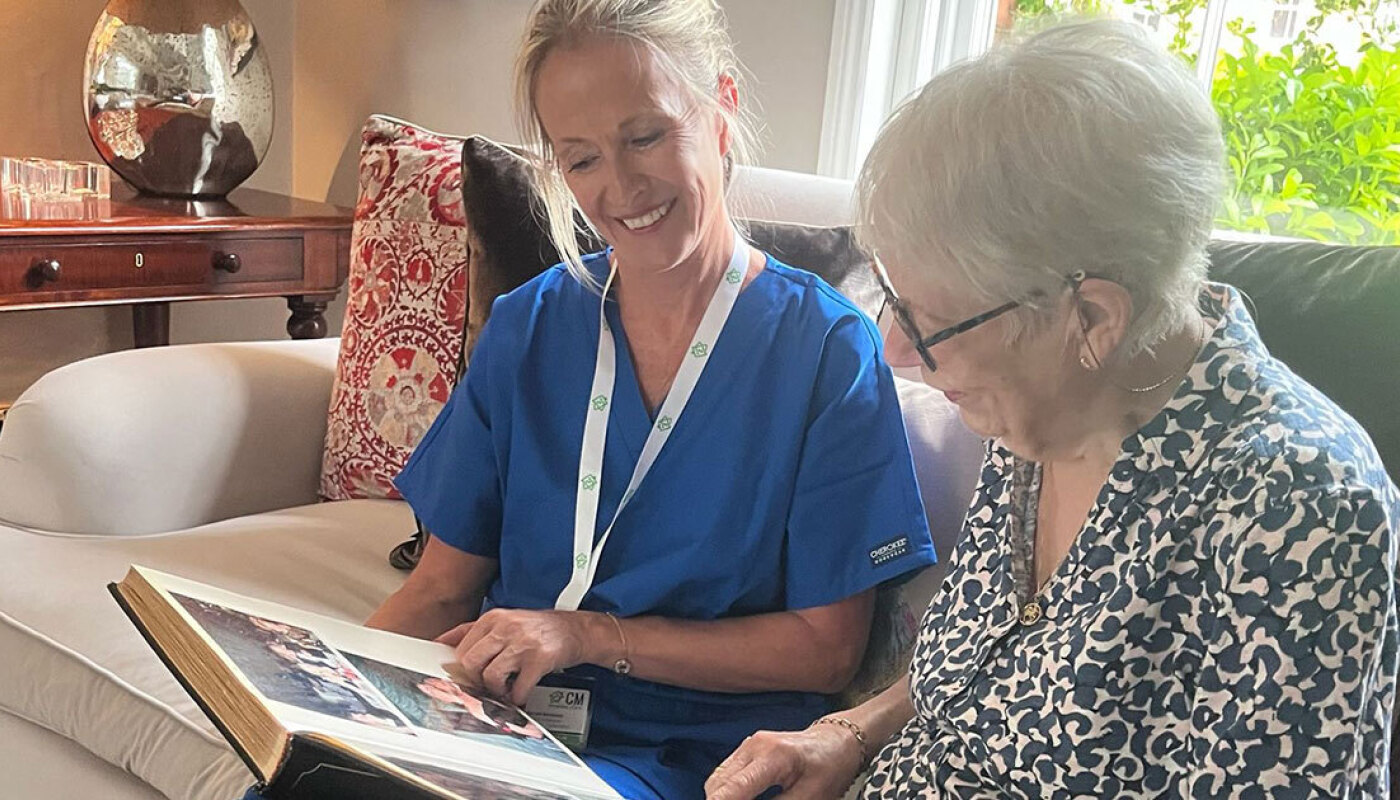
Person-centred home care starts with the person and the life they want to lead. This guide explains how care plans can turn wishes into practical support, protect dignity and choice, and help families, carers and healthcare professionals work together when needs change.

Preparing for a council care needs assessment: a practical checklist
Preparing for a council care needs assessment starts with explaining everyday life in your own words. Our England-focused checklist helps you gather useful information, describe changing needs, take part in the conversation and keep track of the decisions and next steps.
Talk with us about care in Much Wenlock
Let’s discuss the help you would welcome
Tell us about the support you are considering, where care is needed and any important timescale. Our team will listen and explain how a free home assessment could help.
Whether you are exploring regular visits or a live-in arrangement, we can discuss your needs, practical options and the proposed costs before you decide to proceed.