





Before you start the Attendance Allowance form
Gather the details, then build a picture of daily life
A family member may see how much effort goes into getting washed, dressed or safely to the toilet, while the person themselves says they are managing. Completing the form together can help bring those everyday difficulties into view. Allow time, choose a comfortable setting and ask what happens when help is unavailable, as well as what happens when somebody is there.
This guide is for people in England preparing a claim and relatives helping them. Our Attendance Allowance overview explains the benefit more broadly. Check the official eligibility conditions first, particularly if the person receives another disability benefit or has lived abroad. Attendance Allowance is for people who have reached State Pension age; Scotland and Northern Ireland have different claim arrangements.
Start from the current GOV.UK claim guidance, which provides online and postal routes. The walkthrough below follows the main parts of the paper AA1 form. Use the instructions and routing questions on your actual form, or the prompts in the online service, rather than expecting both versions to look identical.
You can ask a trusted relative or an independent benefits adviser for help with the application. If daily support is also becoming difficult, our home care service offers a separate conversation about practical care at home. A benefit decision and a care assessment serve different purposes.
The form at a glance
- Use the latest official form or online service.
- Collect personal details, health information and professional contacts before you begin.
- Describe help needed, including help that is unavailable.
- Explain personal care, prompting and supervision with specific examples.
- Distinguish daytime needs from support during the night.
- Show how often needs vary, including easier days.
- Check evidence, consent, signatures and the return arrangements.
- Keep a complete copy of the claim.
Describe the everyday help needed
Think through the day and night before answering
These six areas can help you organise your notes. They are prompts for remembering what actually happens, rather than answers to copy. Age UK’s Attendance Allowance guide also suggests everyday care needs to consider.

Washing, dressing and using the toilet
Break personal care into the parts that are difficult. Someone may manage one step but need assistance with another.
- Help getting washed, dried or dressed.
- Support reaching or using the toilet.
- Reminders or encouragement to begin or finish.
Include aids used and any help still needed despite them.

Eating and drinking
Describe the support the person needs to eat or drink, rather than relying on a general statement about meals.
- Help cutting food or handling a cup.
- Prompting to eat or drink.
- Assistance needed because of their condition.
Keep the account focused on the person’s actual needs; shopping and cooking alone do not explain personal care.
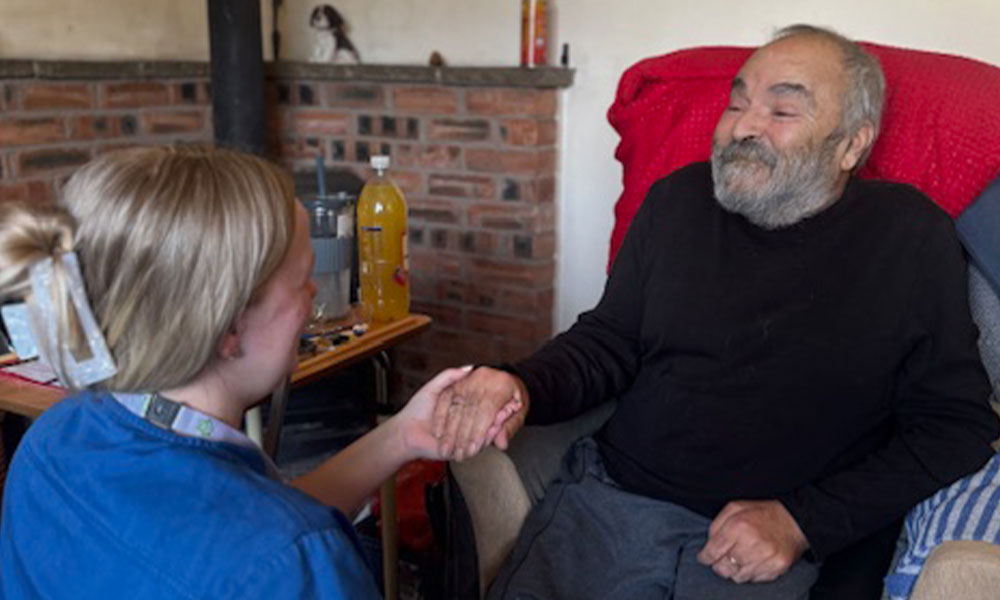
Medicines and treatment
Describe difficulties with prescribed medicines or treatment, including prompting or practical assistance.
- The task the person cannot manage alone.
- Help identifying, remembering or taking medicines.
- How often that support is needed.
List current treatment separately where the form asks for it, using an up-to-date prescription list if available.
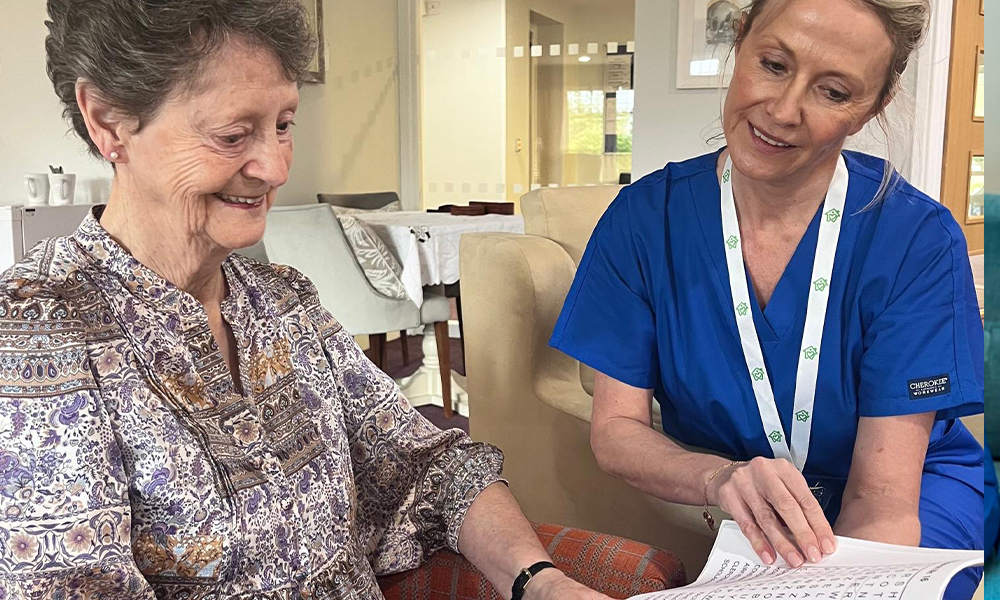
Getting around and staying safe
Consider moving around indoors, communicating and situations where somebody needs to watch over the person.
- Help rising from a chair or using stairs.
- Communication difficulties affecting daily care.
- Specific risks requiring supervision.
Explain what another person needs to do and why; a diagnosis or a general worry about safety is only a starting point.
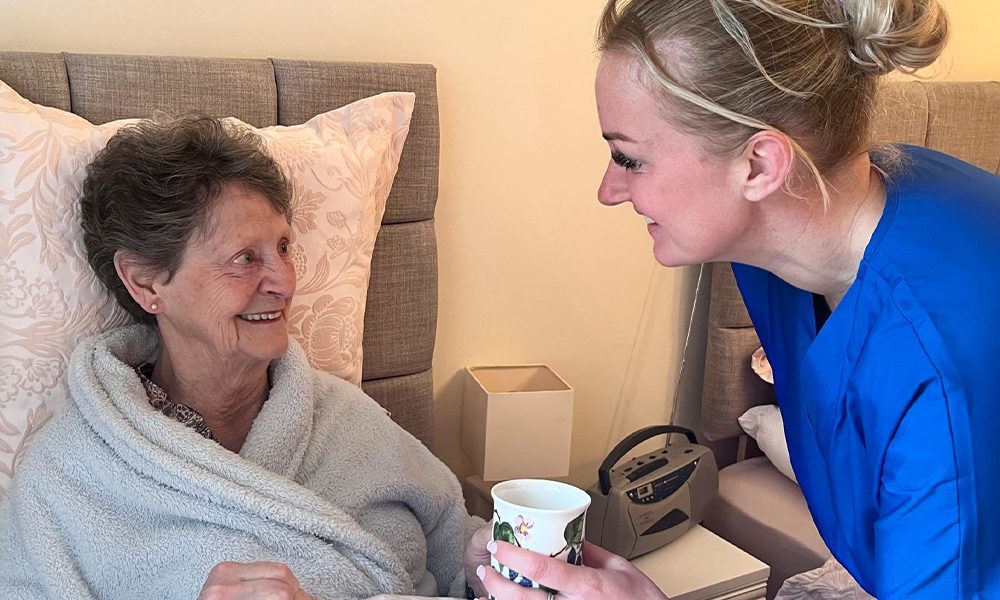
Help during the night
Night support may involve personal care or another person being awake to watch over someone.
- What help or supervision is needed.
- How often it happens and how long it takes.
- How many nights each week are affected.
Describe nighttime needs separately from help at bedtime or during the evening.
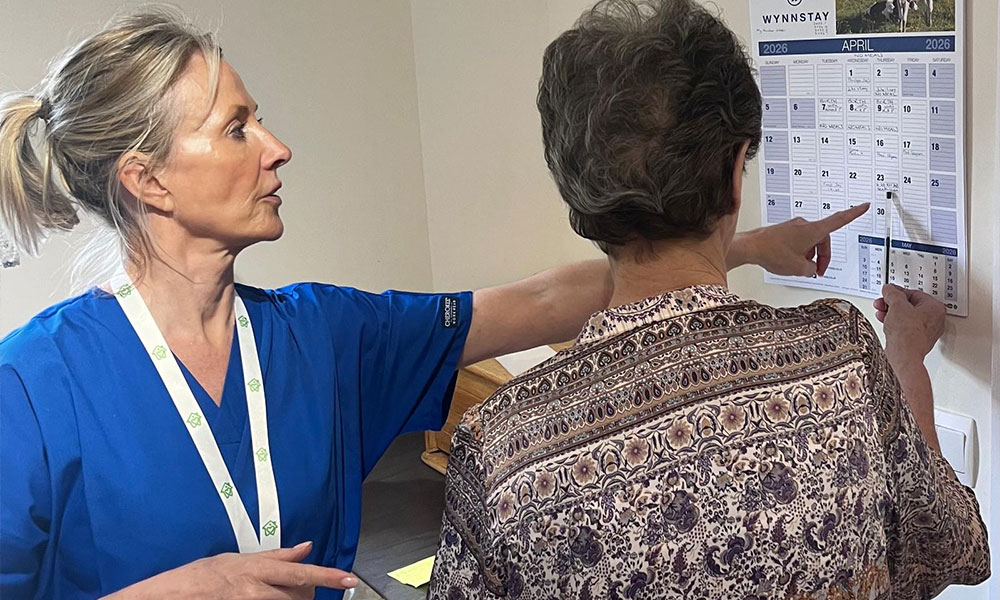
Changes from one day to another
A short care-needs diary can make a variable pattern easier to explain and help family members compare their observations.
- Which needs occur regularly.
- What changes on easier or more difficult days.
- How often each pattern occurs.
Record an honest range, rather than treating the most difficult day as every day.
Work through the Attendance Allowance form in stages
Separate background information from the care-needs answers
Use the official AA1 form and accompanying notes together. Read each question and any instruction to skip ahead. You can prepare notes in a separate document, then return to the form when you are ready to complete the relevant section.
Start with the person and their health
Put the claimant’s details in the claimant sections, even when a relative is doing the writing.
Begin with personal information and any questions about residence, time abroad or somebody signing on the claimant’s behalf. Do not substitute a helper’s information unless that section asks for it.
Record the conditions, treatment and medicines requested. Check spellings against information you already have, and distinguish when a condition began from when help with daily life became necessary.
Add the GP and other relevant professional contacts. Where the form asks about someone providing support, choose a person who can describe the actual help or difficulties, and check their details with them.
The current paper form includes a consent section as well as the final declaration. Read each carefully, make the appropriate choice and complete the required signature and date.
Then explain support, evidence and circumstances
Use the space for explanations as well as ticking the relevant boxes.
The care-needs questions cover everyday tasks, aids, supervision and night support. Describe the difficulty and the help needed in each relevant section. If the same problem affects several tasks, explain its effect on each.
Questions about hospital, hospice or care-home stays matter too. Give the requested dates and funding details, and ask the helpline if you are unsure how to answer a particular circumstance.
Complete the payment details and consider the optional statement from someone who knows the person’s needs. The form also has space for additional information and a list of documents being sent.
Check the declaration and final checklist before sending. If extra sheets are needed, identify them as directed in the form so they can be matched to the claim.
Turn everyday experiences into useful answers
Explain the task, difficulty and support needed
A phrase such as “I struggle getting dressed” leaves several questions unanswered. Which part is difficult? What happens when the person tries? What does somebody else need to do? An ordinary example can make the answer more useful without dramatic language.
For example, if reaching down to put on socks causes pain or unsteadiness, describe that difficulty and the assistance actually needed. Explain whether it happens whenever they dress or only on some days. Add timings where requested, based on what really happens. This is an illustration, not wording to copy into somebody else’s claim.
Think about what support is necessary when the person is alone. They might leave a task unfinished, avoid it or manage with difficulty. Explain this honestly, rather than implying that needing help only counts when a relative or care worker is present.
Include what aids make easier and what remains difficult. Citizens Advice’s form guidance can help you describe the practical effect of a condition. Keep the person involved wherever possible, particularly when family observations differ from their own account.

Explain when help is needed
Frequency and timing give an answer context
The AA1 form and notes ask about support during the day, help during the night and how often difficulties occur. Use your notes to distinguish these patterns, rather than assuming that one general description covers everything.
Daytime needs and changing patterns
Describe a representative pattern, including easier days.
A short diary can help you remember recurring difficulties. Include mornings, afternoons and evenings. Write down what happened, what assistance was needed and whether anybody provided it.
If needs vary, explain how often the difficult days occur and what changes on the easier days. Where the form asks for days each week, give the most accurate account you can and explain a less regular pattern in the available space.
A useful diary entry might separate the task, the difficulty, the help required and the time taken. Keep observations specific: “needed a reminder to wash” tells a different story from “needed physical help getting out of the shower”.
Carers UK’s Attendance Allowance information provides further context about care and supervision. Avoid minimising needs, but do not exaggerate them or report only the worst day.
Help and supervision during the night
Explain what another person needs to do, how often and for how long.
For Attendance Allowance, night relates to the period after the household has closed down for the night. It is not simply everything after a fixed evening time. Help getting ready for bed may belong with daytime needs; describe when it happens.
Personal care might include help getting to the toilet or changing bedding. Watching over someone is a separate issue: explain why another person needs to be awake and what they have to do to keep them safe.
Use actual nights to explain the pattern. Record the number of occasions, the time spent helping or awake where requested, and how many nights are affected. If support is needed but nobody is available, describe that unmet need.
One episode of poor sleep does not by itself establish entitlement. If you are unsure how your circumstances fit the day or night rules, ask an independent benefits adviser to review them.

How we can help with everyday support at home
A care conversation alongside independent benefits advice
At CM Bespoke Care, we work with people and families to understand the daily routines that are becoming difficult. Depending on an assessed care plan, support may include personal care, meals, medication support and practical help at home.
For someone already receiving our care, discussing their routine can help clarify the support they receive and difficulties they still experience. Any request for care records or information should be discussed with our team and handled with appropriate permission.
For help with entitlement, completing a claim or challenging a decision, speak to an independent benefits advice service. If you want to explore care, we can discuss needs, assess suitability and explain available support and costs. The DWP decides Attendance Allowance claims.
Check, send and keep a record of the claim
Take a final look before submitting
A complete copy makes it easier to answer later questions or understand a decision. Set aside time for a final read with the claimant or appropriate representative, checking both the practical examples and the administrative details.
Evidence and the final checks
Check who can sign before somebody signs for a relative.
A helper can assist with writing; this does not automatically give them authority to sign. Read the form’s representative instructions. A health and welfare power of attorney alone does not provide financial authority. If the person cannot manage their claim, DWP’s appointee guidance explains how to seek authority.
Use relevant evidence already available, such as a report or care plan that explains the difficulties. The optional supporting statement should come from someone who knows the needs. If somebody signs as the claimant’s representative, follow the instruction for a different person to provide that statement.
For ordinary supporting evidence, follow the instructions about copies. Proof of legal authority may have different original or certification requirements. Check what is required before sending valuable documents, and keep a copy of the completed claim and attachments.
If completing the paper form by hand, use black ink. Before posting, check personal and payment details, unanswered applicable questions, consent, the declaration and dates. Follow GOV.UK’s current submission instructions. For an online claim, review your answers and save the available summary or record before finishing.
Claim dates and what happens afterwards
The way you apply affects the claim date if an award is made.
An online claim starts from the date you make it. A downloaded form starts from the date DWP receives it. If you request a form by phone, the call date can apply when you return it within six weeks. Do not assume the award will be backdated to when the difficulties first began.
DWP will explain when to expect a decision; an initial acknowledgement is not an award. Keep correspondence with your claim copy, note any requests for information and respond within the times given.
If you disagree with the decision, read the letter and seek advice promptly. You usually need to request mandatory reconsideration within one month of the decision date. A late request may be possible with a good reason; ask for advice rather than assuming the opportunity has gone.
Useful starting points are GOV.UK for the official claim route, Citizens Advice for form help and Age UK for information and possible local support. If you are considering care costs more widely, read our guide to paying for home care.
Frequently asked questions about the Attendance Allowance form
Home care in your area
Looking for support at home for yourself or someone you love? Explore our home care services across Shropshire, Herefordshire and Worcestershire, or talk to our team about the support available where you live.
Not sure whether we cover your location? Contact our team to discuss care in your area.
Home care in Shropshire
Home care in Herefordshire
Home care in Worcestershire
Related Articles

Home Care in Shrewsbury
Care that fits around life at home
Warm, flexible care visits that help people in Shrewsbury remain comfortable, confident and connected to the home and routines they know.
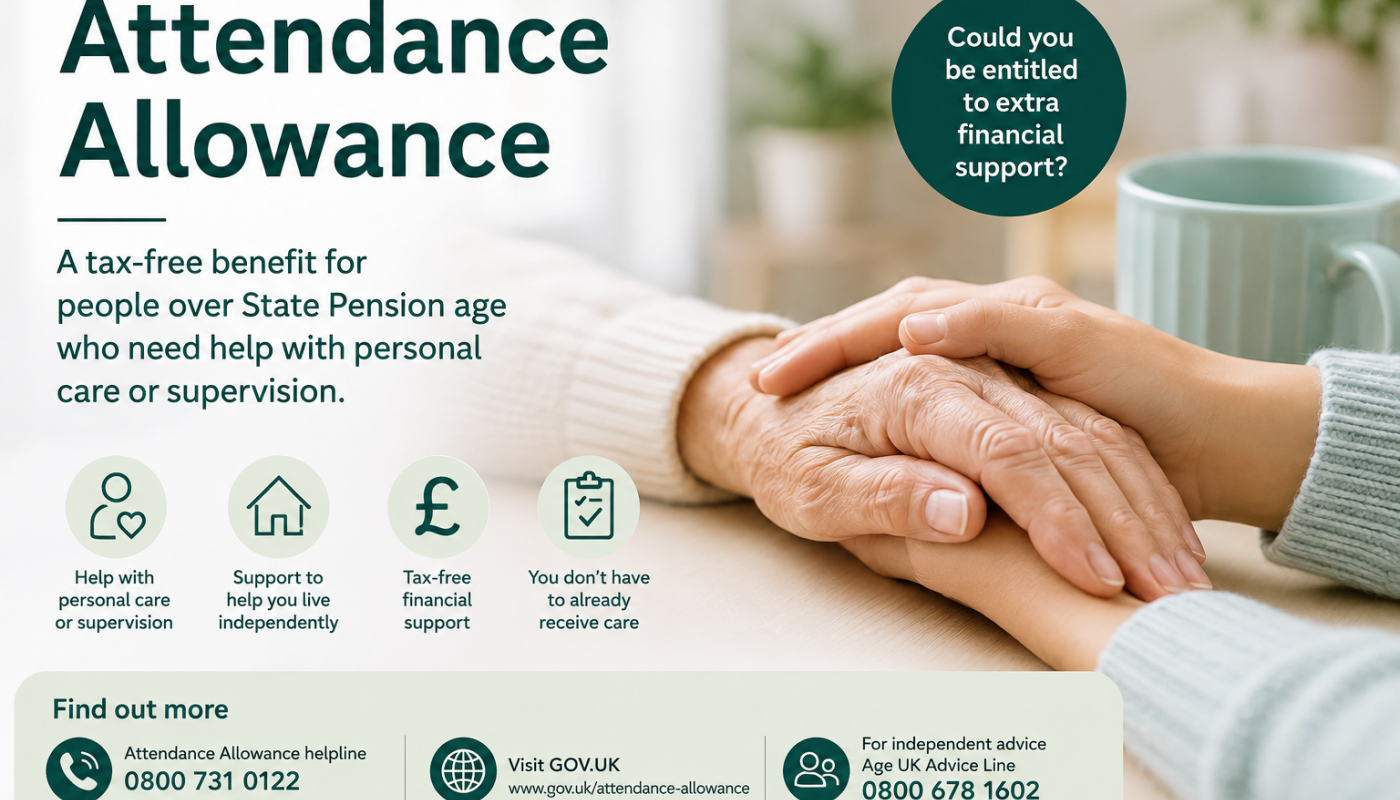
Could You Be Entitled to Attendance Allowance?
Financial support for older people who need help with their care or supervision
At CM Bespoke Care, we know that understanding what financial support may be available can sometimes feel overwhelming.
One benefit that many people may be entitled to, but don't realise they can claim, is Attendance Allowance.

Understanding and arranging home care: a guide for families
Arranging home care starts with understanding the help you need and how it will work day to day. Our guide explains your options, assessment routes and practical ways to compare providers, agree a care plan and prepare for support to begin.

Paying for home care: costs and funding options
Understand what affects home care costs, which funding options may be available and where to begin. Our guide explains private payment, council assessments, benefits and NHS support, with practical steps for people arranging care in Shropshire, Herefordshire and Worcestershire.

Preparing for a council care needs assessment: a practical checklist
Preparing for a council care needs assessment starts with explaining everyday life in your own words. Our England-focused checklist helps you gather useful information, describe changing needs, take part in the conversation and keep track of the decisions and next steps.
Talk to us about the help needed at home
Use the everyday picture to plan practical support
Gathering information for the Attendance Allowance form can reveal how much help a person needs with ordinary routines. Keep the descriptions accurate, distinguish day and night needs, and check evidence and signing arrangements before submission. Independent benefits advice can help with questions about the claim or a decision.
The same conversations may show that washing, dressing, meals or managing medicines are becoming harder at home. A benefit application does not replace a care assessment, and practical support may need consideration while a claim is being decided. Start with the person’s wishes, the help already available and the tasks that are still difficult.
If you would like to explore home care with CM Bespoke Care, tell us which routines need support and what the person would like to manage more comfortably. We can discuss the assessment process, suitable options, availability and costs so you can consider the next step.