




How Home Care can support someone living with dementia
Familiar routines, calm reassurance and help that adapts around the person
Dementia can change memory, communication, confidence and the way familiar parts of the day feel. A task that has been completed for years may become confusing, or the person may need more time and reassurance to get started. Home Care brings calm, practical help into familiar surroundings while keeping the person’s choices, abilities and identity at the centre.
Our team has experience supporting people living with dementia, including Alzheimer’s disease, and their families, and we currently provide this care at home. We take time to learn about the individual beyond their diagnosis: the routines they recognise, the people and places that matter, how they communicate, what may cause worry and what helps them feel settled.
Support may begin with a regular visit for personal care, medication, meals, companionship or reassurance for a family carer. We also welcome conversations about respite, overnight, live-in or palliative care when needs become more involved. A person-centred care plan records the agreed approach, and we match carers by considering their dementia experience, training, assessed competencies and personal suitability.
Dementia care at a glance
- Current experience supporting people and families affected by dementia and Alzheimer’s disease
- Free, no-obligation assessment, normally in the person’s home
- Personalised care plan shaped around abilities, wishes, routines, communication, risks and professional guidance
- Carer matching that considers dementia experience, training, assessed competencies and personal fit
- A small, familiar team wherever possible
- Visits from 30 minutes, with short-term and ongoing arrangements available
- Care plans reviewed at least monthly and whenever needs change
- Rated Good by the Care Quality Commission
Understanding dementia and Alzheimer’s disease
Different causes and experiences, with the person always at the centre
Dementia is an umbrella term for a group of symptoms caused by diseases that affect the brain. These symptoms can involve memory, thinking, language, judgement, mood, movement and the ability to manage everyday activities. Alzheimer’s disease is the most common cause of dementia, but other types include vascular dementia, dementia with Lewy bodies and frontotemporal dementia. Some people have more than one type.
The experience is not the same for everyone. Memory changes may be most noticeable for one person, while another may first find planning, finding words, judging distances or managing emotions more difficult. Dementia is progressive, but the pace and pattern vary according to the underlying condition, the person and their wider health.
A diagnosis does not remove a person’s identity, preferences or ability to take part in decisions. Familiar people, an unhurried approach and routines that make sense to the individual can help everyday support feel more respectful and reassuring. Carers also need to notice what the person may be communicating through facial expression, body language or changes in behaviour, rather than assuming that distress is simply part of the condition.
The NHS guide to dementia explains symptoms, causes and routes to diagnosis in more detail. We do not diagnose or treat dementia. Our role is to provide personal and practical support alongside the person’s medical care, prescribed treatment and professional guidance.
About 982,000 people
People estimated to be living with dementia in the UK in 2024. Source: Alzheimer’s Society, published 10 May 2024.
Two out of three people
People living with dementia in the UK thought to have Alzheimer’s disease. Source: Alzheimer’s Society, page dated 13 November 2024.
1 in 14 people over 65
Estimated proportion of people aged over 65 living with Alzheimer’s disease or another type of dementia. Source: NHS, accessed 28 August 2026.
Who may benefit from Dementia Home Care
Support can begin gently and develop as the person’s needs change
There is no need to wait until family life reaches crisis point. We welcome a conversation after a diagnosis, when one part of the day is becoming harder, when someone living alone would value regular reassurance, or when relatives need dependable help to make an established care arrangement sustainable.
People and circumstances
Care at home may help:
- someone in the earlier stages who wants discreet help while continuing familiar routines, interests and social contact
- a person living with Alzheimer’s disease, vascular dementia, dementia with Lewy bodies, frontotemporal dementia or mixed dementia
- someone with young-onset dementia whose work, family life or responsibilities may differ from those of an older person
- a person living alone who would benefit from regular practical support, companionship or reassurance
- a couple or family sharing care who want help with particular visits, routines or times of day
- someone returning home after a hospital stay or experiencing a change in mobility, communication, eating or confidence
- a person whose needs have increased and may now benefit from longer visits, overnight support or live-in care
- family carers who need reliable respite while their loved one remains in familiar surroundings
Signs that a care conversation may help
It may be useful to talk to us when:
- washing, dressing, toileting or getting ready is being missed or causes worry
- meals and drinks are forgotten, food is left untouched or weight and hydration are a concern
- prescribed medication, appointments, bills or the sequence of everyday tasks has become confusing
- the person is leaving home and becoming disoriented, or familiar journeys no longer feel secure
- changes in communication, sleep, mood or behaviour are making routines harder for the person or family
- walking, transfers, falls or the use of equipment need more consistent support
- the person is becoming isolated or has stopped taking part in activities and relationships they value
- a partner or relative is tired, worried or no longer able to provide every part of the care
What Dementia Home Care can include
Thoughtful support built around the person, not a standard dementia routine
The exact support is agreed through assessment and recorded in a person-centred care plan. Our carers follow the person’s preferred routines and relevant professional guidance, use the communication approach that works best for them, and record meaningful changes through our secure care system.
Personal care and familiar routines
Washing, dressing or preparing for bed can feel confusing when the order of a task is harder to follow. Respectful support may include:
- Washing, showering, bathing, dressing and grooming
- Oral care, toileting and assessed continence routines
- Simple prompts offered one step at a time
- Keeping familiar products, clothing choices and routines where possible
- Allowing enough time for the person to understand, choose and take part
Our carers seek consent, protect privacy and encourage the person to do what they can and want to do for themselves.
Meals, drinks and mealtime support
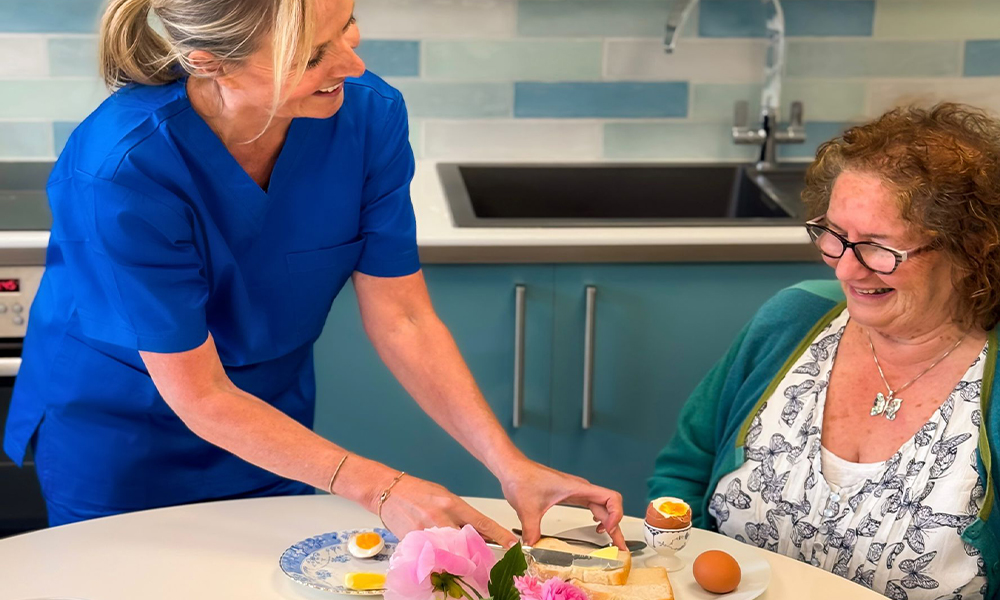
Dementia can affect appetite, recognition, coordination and the ability to plan or complete a meal. Care may include:
- Planning and preparing familiar meals and preferred drinks
- Providing calm, unhurried support and clear choices
- Using familiar crockery, seating and mealtime routines
- Recording food and fluid intake where this forms part of the care plan
- Following texture, positioning or fluid guidance supplied by a speech and language therapist or dietitian
Carers report concerns such as coughing, difficulty swallowing, reduced intake or unexplained weight change through the agreed route and do not independently alter prescribed guidance.
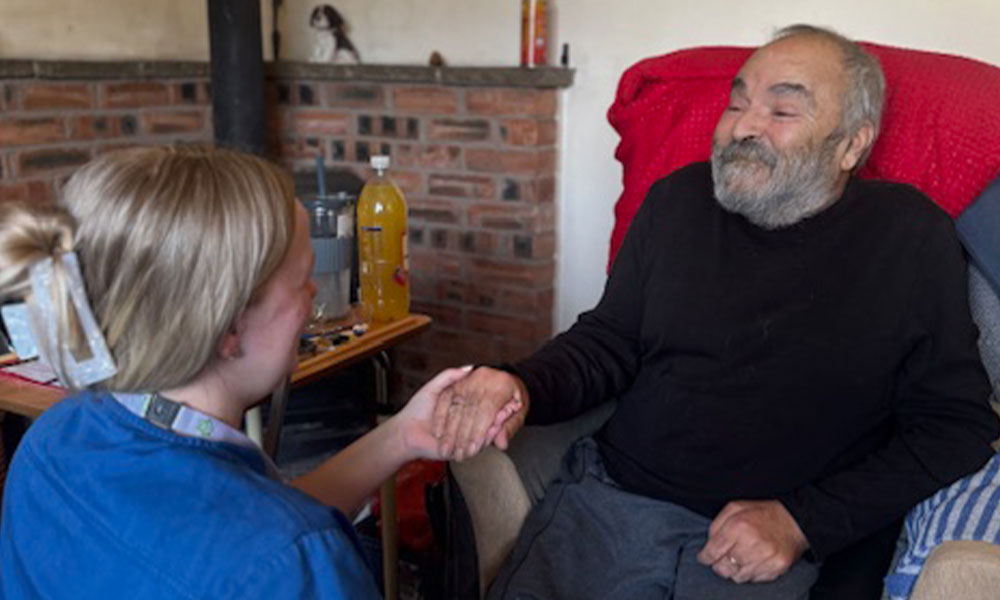
Medication and health appointments
Competency-assessed carers can provide prescribed medication support when it is included in the care plan and risk assessment.
- Prompts or assistance with agreed prescribed medicines
- PRN or controlled medication where written protocols and safeguards are in place
- Medication records on the MAR and secure digital care system
- Reminders, preparation and accompaniment for agreed appointments
- Reporting missed doses, side effects or other concerns through the agreed route
Medication remains prescribed and reviewed by the appropriate clinician or prescriber; our carers do not diagnose, prescribe or change doses.
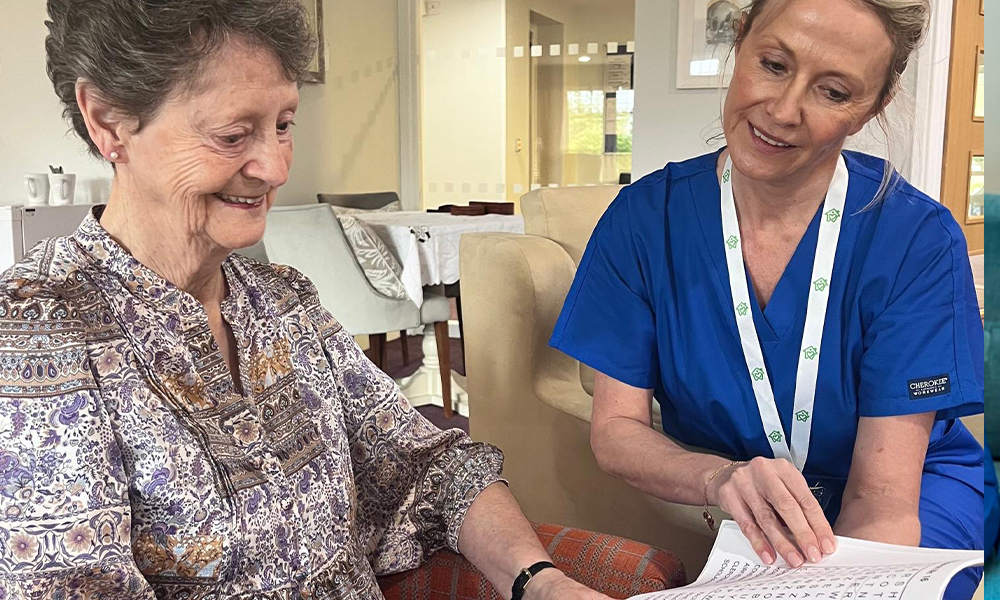
Communication, memory and emotional reassurance
A calm, familiar approach can make conversation and everyday choices feel less demanding. Support may include:
- Using short, clear sentences and focusing on one subject or step at a time
- Allowing time for a response without completing the person’s sentences
- Reducing avoidable noise or distraction
- Using agreed prompts, signs, pictures, calendars or communication aids
- Responding to feelings and body language with patience rather than arguing or repeatedly correcting
Our carers listen without judgement and record changes in communication, mood, sleep or distress that may need to be shared.
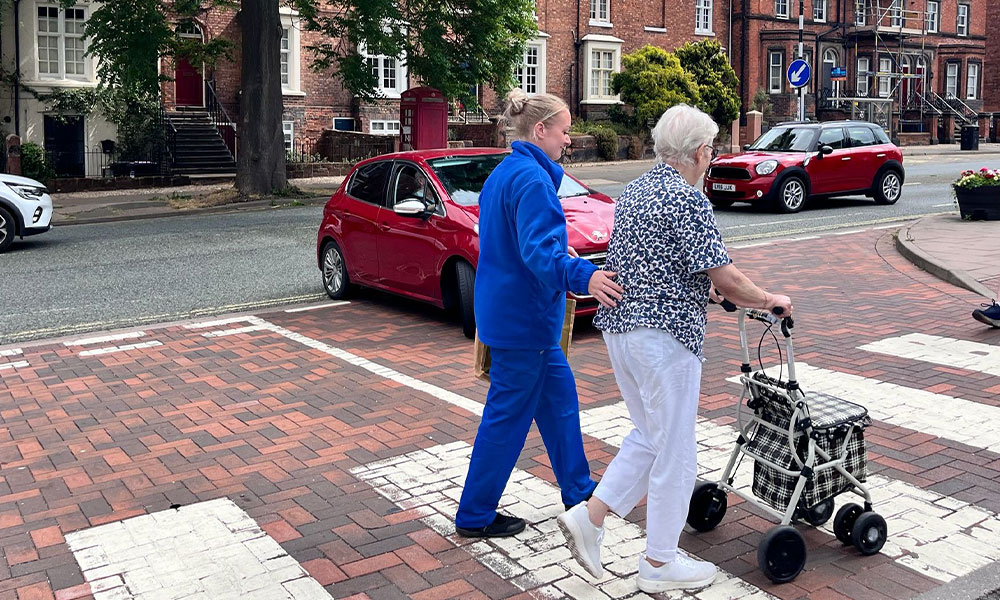
Mobility, home safety and everyday tasks
Changes in judgement, perception, balance or movement can affect how secure familiar tasks feel. Agreed support may include:
- Assistance with standing, walking and transfers where assessed
- Using prescribed mobility aids and moving-and-handling equipment
- Keeping routes clear and helping familiar items remain easy to find
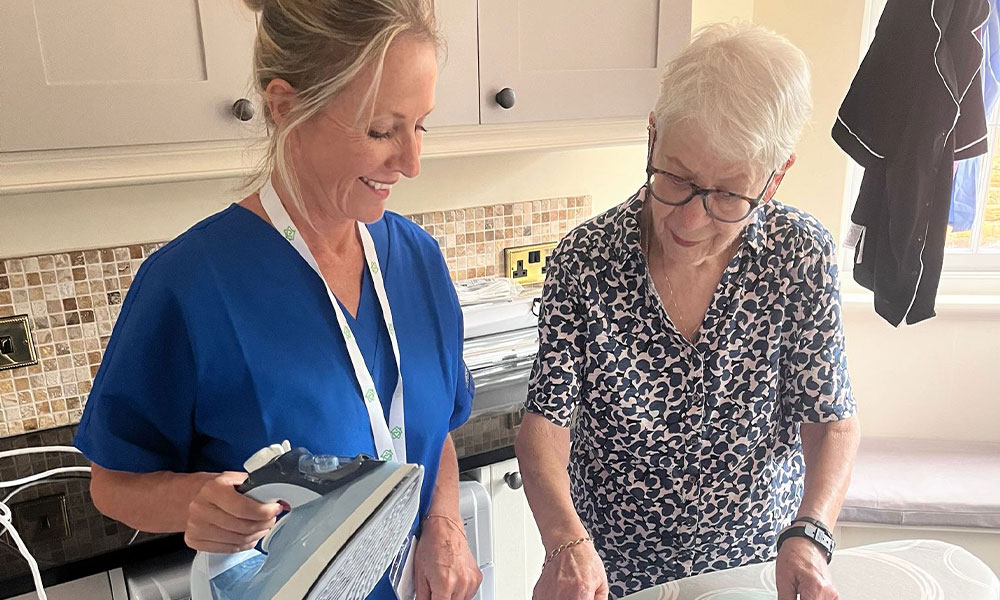
- Light household routines, laundry, shopping and changing bedding
- Recording falls, near misses or changes in mobility and daily ability
The care plan can incorporate guidance from occupational therapists and physiotherapists, including safe use of equipment already assessed for the person.
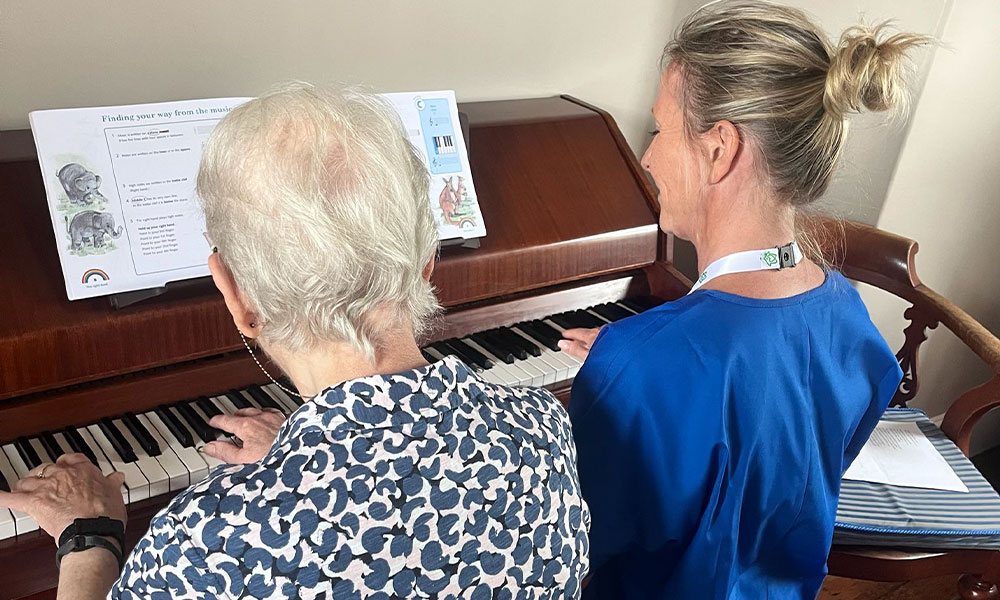
Companionship, meaningful activity and family respite
Good dementia support also makes space for relationships, interests and the things that give a week its shape.
- Conversation and company built around the person’s history and interests
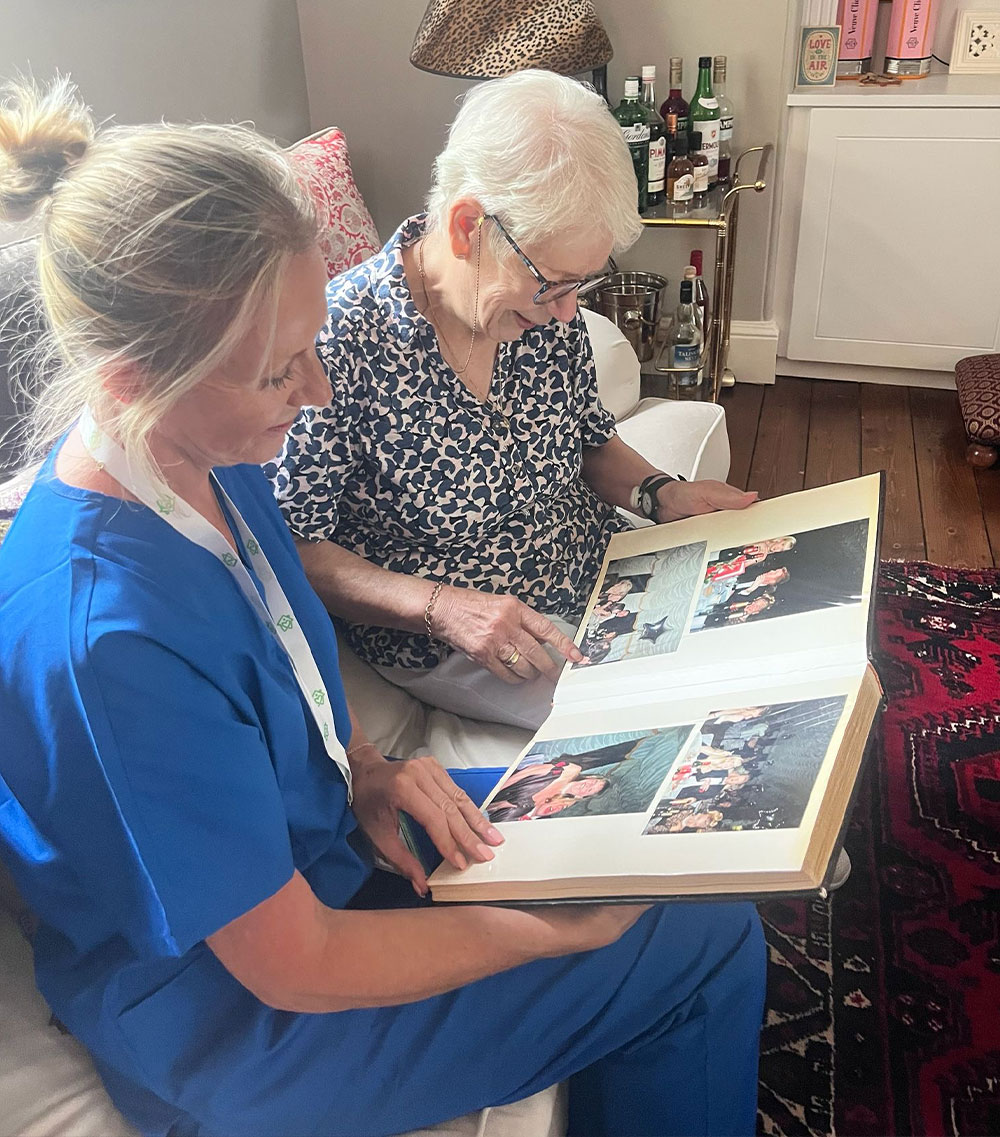
- Music, photographs, gardening, baking, crafts or other familiar activities
- Support to maintain social contact, time outdoors and local routines where suitable
- Regular sitting visits or longer respite arrangements
- Updates for relatives where the person has consented or another lawful basis is recorded
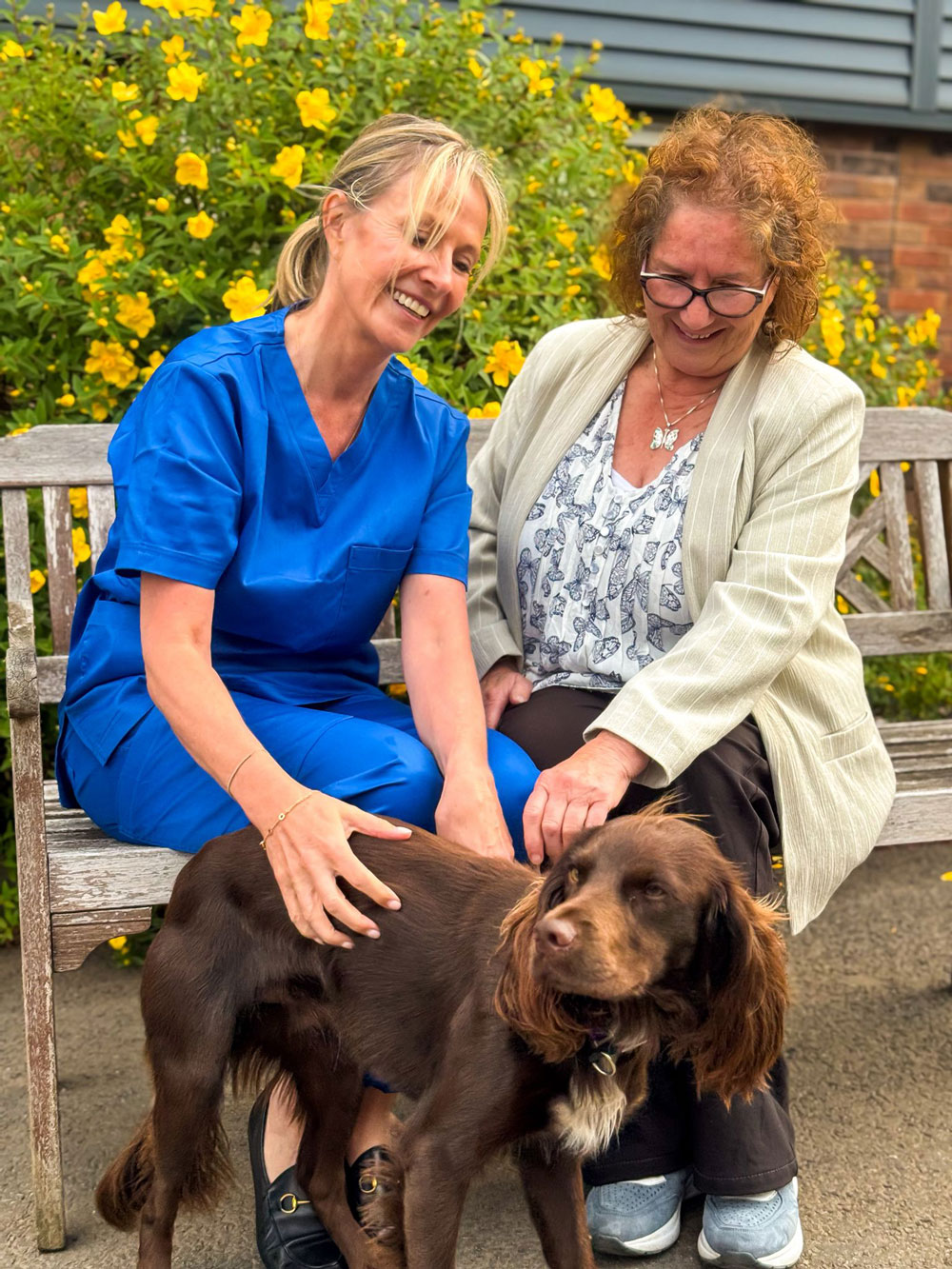
A familiar carer can give the person individual attention while allowing a partner or relative genuine time away from the caring role.
Care alongside dementia health and support professionals
Helping agreed guidance become part of everyday life at home
Dementia support may involve a GP, memory service, old age psychiatrist, specialist dementia or Admiral Nurse, pharmacist, occupational therapist, physiotherapist, speech and language therapist, dietitian, community nurse, social worker or hospice team. We provide personal and practical Home Care alongside that professional input.
Supporting an agreed plan at home
The care plan can bring together the person’s routines, communication preferences, prescribed medication arrangements, assessed equipment and relevant professional instructions. With consent, our carers may support appointments, follow eating and drinking guidance, use agreed communication strategies and help family members keep the appropriate professionals informed.
During visits, carers can record observations such as changes in appetite, fluid intake, mobility, sleep, mood, communication, continence, skin condition or ability to complete everyday tasks. Concerns are shared promptly through the route recorded in the care plan so the appropriate clinician or professional can decide what is needed.
Choice, clear roles and responsive communication
A dementia diagnosis does not mean that a person cannot make decisions. Capacity is considered for the particular decision at the particular time, and our carers support the person to understand, communicate and take part wherever possible. Where another person has lawful decision-making authority or a best-interests process is required, this must be clearly recorded and followed.
Healthcare professionals retain responsibility for diagnosis, treatment, prescribing and clinical decisions. Our role is to provide the agreed support reliably, notice meaningful changes and escalate concerns through the correct route. A sudden new confusion or marked change is not assumed to be dementia and requires urgent medical attention in line with current NHS guidance and the care plan.

Why choose CM Bespoke Care
A family-owned care agency in Shropshire with established local roots
We are a family-owned and managed care agency, with our head office in Cleobury Mortimer and a second office supporting clients and carers in Church Stretton. We have grown through recommendations and positive word of mouth while keeping personal relationships, honest communication and reliability at the centre of our work.
Our team combines local knowledge with structured training, secure care systems and responsive management. Across a rural county, dependable care also relies on thoughtful route planning, familiar carers wherever possible and clear communication with relatives who may live elsewhere.
Our dementia care team and standards
Experienced carers, thoughtful matching and dependable oversight
Our team has experience supporting people living with dementia, including Alzheimer’s disease, and their families, and we currently provide this care at home. Every arrangement is assessed individually so we can understand the person’s life story, abilities, routines, communication, emotional needs, risks, family involvement and professional guidance. The assessment also helps us identify the experience, training and competencies the care team will need.
- A small, consistent group of carers wherever possible
- Thoughtful matching that considers dementia experience, relevant training, assessed competencies, personality, communication style, routines, interests, location and availability
- Structured induction, shadow shifts, observations, spot checks, supervision and task-specific competency assessment, with additional briefing or training where the care plan requires it
- A dedicated care manager, secure digital care records and seven-day on-call support for existing clients
- Formal care-plan reviews at least monthly and whenever needs change
- A current Good rating from the Care Quality Commission
What people say about CM Bespoke Care
Real experiences shared by clients and families
Inviting care into the home requires trust in the everyday details: a familiar face arriving as agreed, speaking to the person rather than around them, responding patiently, respecting the home and keeping the right people informed. Independent Google reviews share how clients and families have experienced care from CM Bespoke Care.
How Dementia & Alzheimer's Home Care is arranged
A calm, clear path from the first conversation to ongoing reviews
You do not need to decide how many visits are required or design a care package before contacting us. We will listen to what is happening, learn what matters to the person and explain how we may be able to help. When a free home assessment would be useful, it gives us time to understand the person properly and plan suitable support with the right care team.

Tell us what is happening
Share who needs support, the general area where care would be provided, which parts of the day feel difficult and any important timescale. It is helpful to tell us about the person’s routines, communication, interests, family involvement and any current medication, mobility, eating or professional guidance.

Free home assessment
An experienced senior team member will normally meet the person at home. The conversation explores wishes, abilities, routines, communication, memory, personal care, medication, meals, mobility, emotional needs, the home environment, risks and family circumstances. It also helps us identify the dementia experience, training and assessed competencies the care team will need. Most assessments take around 60 to 90 minutes, with no fixed limit.

Personal care plan and matched team
We record the agreed support in a person-centred care plan and, with consent, include relevant professional guidance. Our management team approves the plan and matches suitable carers by considering dementia experience, training, assessed competencies, personality, communication style, routines, interests, location and availability. Each carer receives a full handover before care begins.

Care begins and stays under review
A dedicated care manager oversees continuity, communication and quality. The plan is formally reviewed at least monthly and whenever the person’s health, communication, mobility, medication, eating, routines, professional guidance or family circumstances change.
Ways dementia support may be delivered at home
From regular visits to more continuous care
The free assessment helps us understand which care format would fit the person’s life now, with room for the arrangement to change. We welcome enquiries about needs, preferred times and location, and we will explain what we can provide in the person’s area with suitably matched carers.
Visiting Home Care
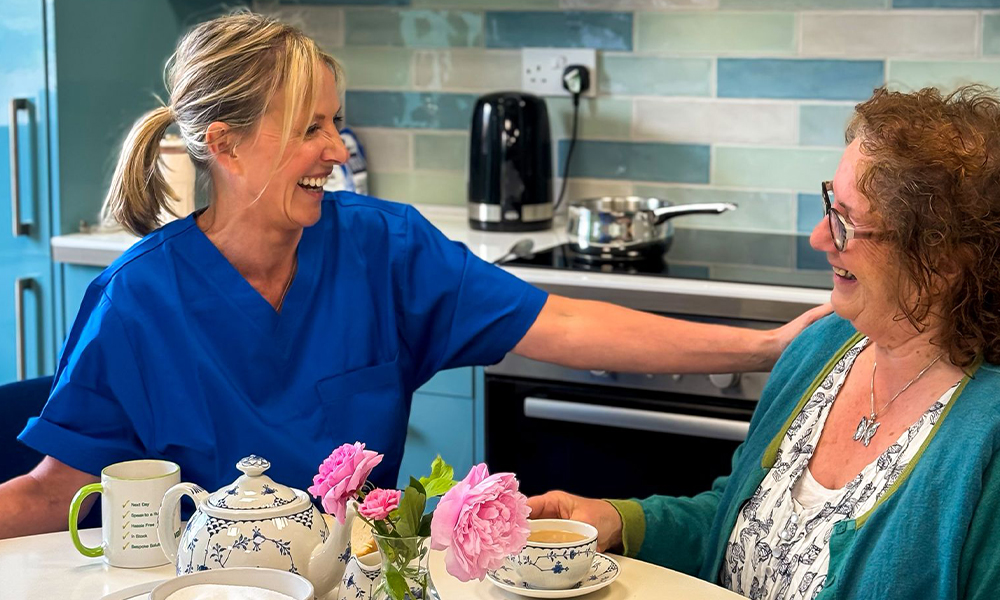
Regular visits can provide focused help with personal routines, medication, meals, companionship or appointments while the person remains in control of the rest of their day.
Explore Home Care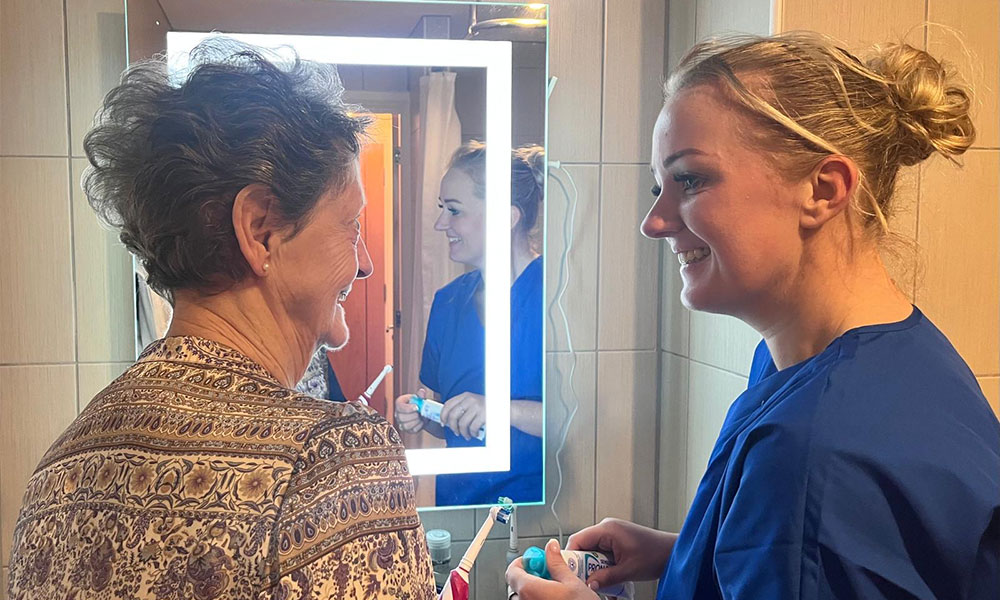
Live-in Care
Live-in Care may provide a more continuous, familiar presence where longer periods of support and greater day-to-day continuity are suitable following assessment.
Explore Live-in Care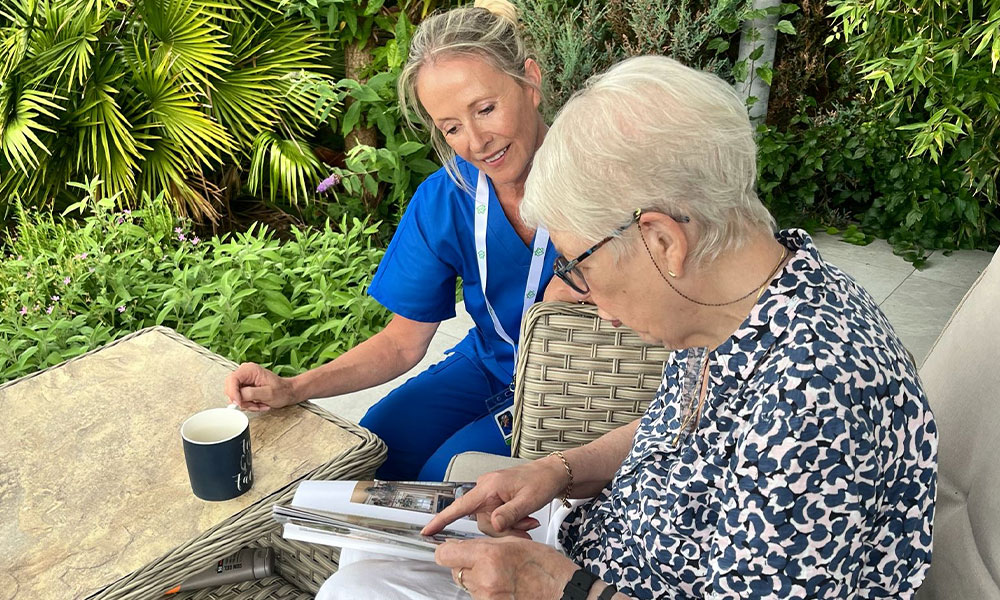
Respite Care at Home
Planned respite can give a partner or family carer time to rest, work or attend to other responsibilities while familiar support continues in the person’s own home.
Explore Respite Care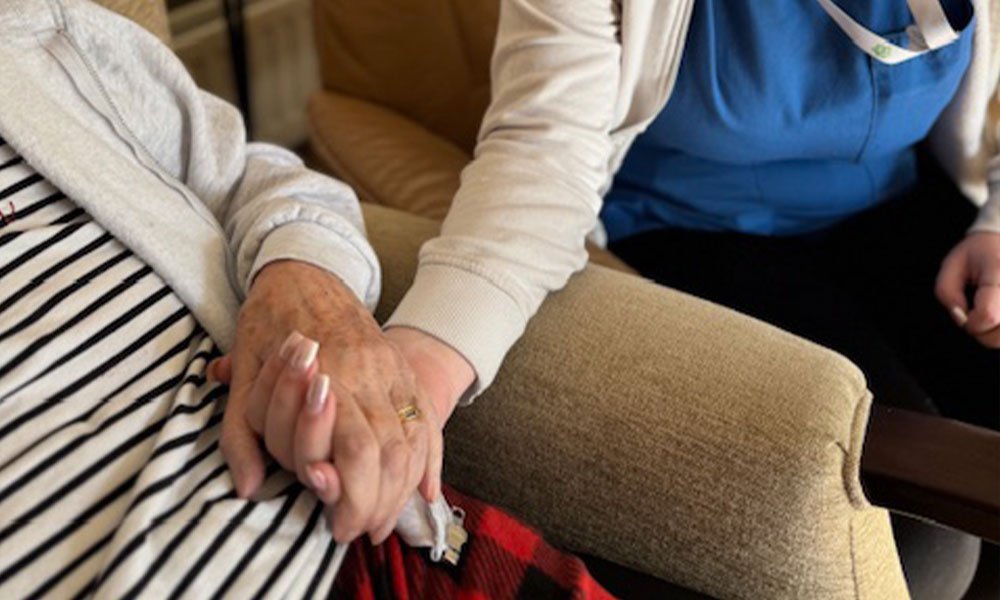
Palliative Care at Home
Palliative Care at Home can provide personal and practical support alongside the healthcare and hospice professionals involved, with comfort, wishes, relationships and family life kept central.
Explore Palliative CareAreas covered for Dementia & Alzheimer's Home Care
Local support shaped around the person and their home
We support people and families across Shropshire and welcome enquiries from North Worcestershire and parts of Herefordshire. From the first conversation, our local team takes time to understand the person, the routines and relationships that matter, and the support that could make life at home feel more settled and reassuring. The links below explain more about Home Care in each part of our service area.
If you are looking for dementia support at home—or are not yet sure what kind of help would be most useful—please talk to our team. We can check availability at your address, listen to what matters to the person and family, and arrange a free, no-obligation assessment to explore the right way forward.
Home care in Shropshire
Home care in Herefordshire
Home care in Worcestershire
Locally coordinated care across our service area
Two Shropshire offices supporting responsive care
The maps below show our offices in Cleobury Mortimer and Church Stretton. From these local bases, our team coordinates carers, care planning, travel and day-to-day communication across Shropshire, North Worcestershire and parts of Herefordshire. This helps keep support organised, responsive and closely connected to each client and family.
Ground Floor Office Suite, Upper Baveney Park, Cleobury Mortimer, Kidderminster, DY14 8LF
Unit 1, Sandford Court, Sandford Avenue, Church Stretton, SY6 6BH
Local dementia support and medical resources
Useful Shropshire routes for memory assessment, specialist advice, family support and care assessments
Home Care is one part of the wider support that may help a person and family. The services below provide current clinical, advisory and assessment routes in Shropshire. They are independent of CM Bespoke Care; inclusion is for information and does not imply a partnership or endorsement.
Local health and specialist routes
Dementia Assessment and Support Service
Midlands Partnership University NHS Foundation Trust provides the dementia care pathway across Shropshire and Telford and Wrekin.
The service offers specialist memory assessment, diagnosis, treatment, advice and post-diagnostic support for people with memory problems, dementia and those close to them.
Access follows the appropriate NHS referral route.
Visit the Dementia Assessment and Support Service
Admiral Nurse support for family carers
Shropshire Community Health NHS Trust’s Admiral Nurse service supports family carers of people with a dementia diagnosis who are registered with a Shropshire or Telford and Wrekin GP.
Its specialist nurses provide practical advice, psychological support, assessment and help to access coordinated services. The service supports carers rather than providing direct care to the person with dementia.
Advice, assessments and family support
Dementia Connect Telford and Shropshire
Alzheimer’s Society’s local Dementia Connect service offers personalised information, practical advice and support for people living with dementia, relatives and carers. Contact can take place by telephone, in writing or face to face according to the service’s current arrangements.
Shropshire Council Care Act assessment and direct payments
A Care Act assessment looks at day-to-day needs, goals and eligibility for council support. Eligible adults can ask about a direct payment, which may provide a way to arrange agreed care and support. This council assessment is separate from our free Home Care assessment.
Read about the Care Act assessment and direct payments for adults.
Shropshire carers’ assessment
A carers’ assessment is a free conversation about how caring affects the carer’s health, work, relationships and wellbeing, and what support may help. It is separate from the assessment of the person receiving care.
Frequently asked questions about Dementia & Alzheimer's Home Care
Talk to our team about Dementia & Alzheimer's Home Care
Start with what is happening now
You do not need to know the right care package or have every detail ready. Tell us who needs support, the general area where care would be provided, what has changed and which parts of daily life feel most difficult. A member of our team will listen carefully, without judgement or pressure, and explain the next helpful step.
If a home assessment would help, it is free and there is no obligation to proceed. The person can involve a relative or another trusted person, and relevant professional guidance can be considered with their consent. The assessment also helps us match carers whose dementia experience, training, assessed competencies and personal approach suit the person’s needs.