




Home care for people living with diabetes
Help that fits the way you manage your day
You may have managed diabetes for many years and now want help with a few daily tasks. Or you may be adjusting to a diagnosis while also coping with limited mobility, changes in your sight or another condition. Our Home Care service can bring practical assistance into your usual routine, from getting ready in the morning to preparing an evening meal.
At CM Bespoke Care, we have experience supporting people and families living with diabetes and currently provide this support at home. We ask how you prefer to do things, what advice you have been given and where you would welcome help. Our carers support the tasks agreed in your care plan, with time for you to do the things you want to manage yourself.
We welcome enquiries from adults with type 1, type 2 and other forms of diabetes, and from relatives helping to arrange care. Your free assessment explores your wishes, daily needs and the support already provided by family, friends and healthcare professionals. We can then discuss useful visit times, the assistance involved and how the arrangement will be reviewed.
Diabetes care at a glance
- Personal and practical home care for adults living with diabetes
- Experience supporting people and families affected by the condition
- Visiting care from 30 minutes, with the pattern agreed around your needs
- Help with meals, personal care, medicine routines and household tasks
- Relevant instructions from your GP or diabetes team included in your care plan
- A free, no-obligation home assessment with a trained senior team member
- A dedicated care manager and reviews at least monthly, or sooner when needed
- CM Bespoke Care Ltd is rated Good by the Care Quality Commission
Understanding diabetes and daily life
The right support depends on your own needs and treatment plan
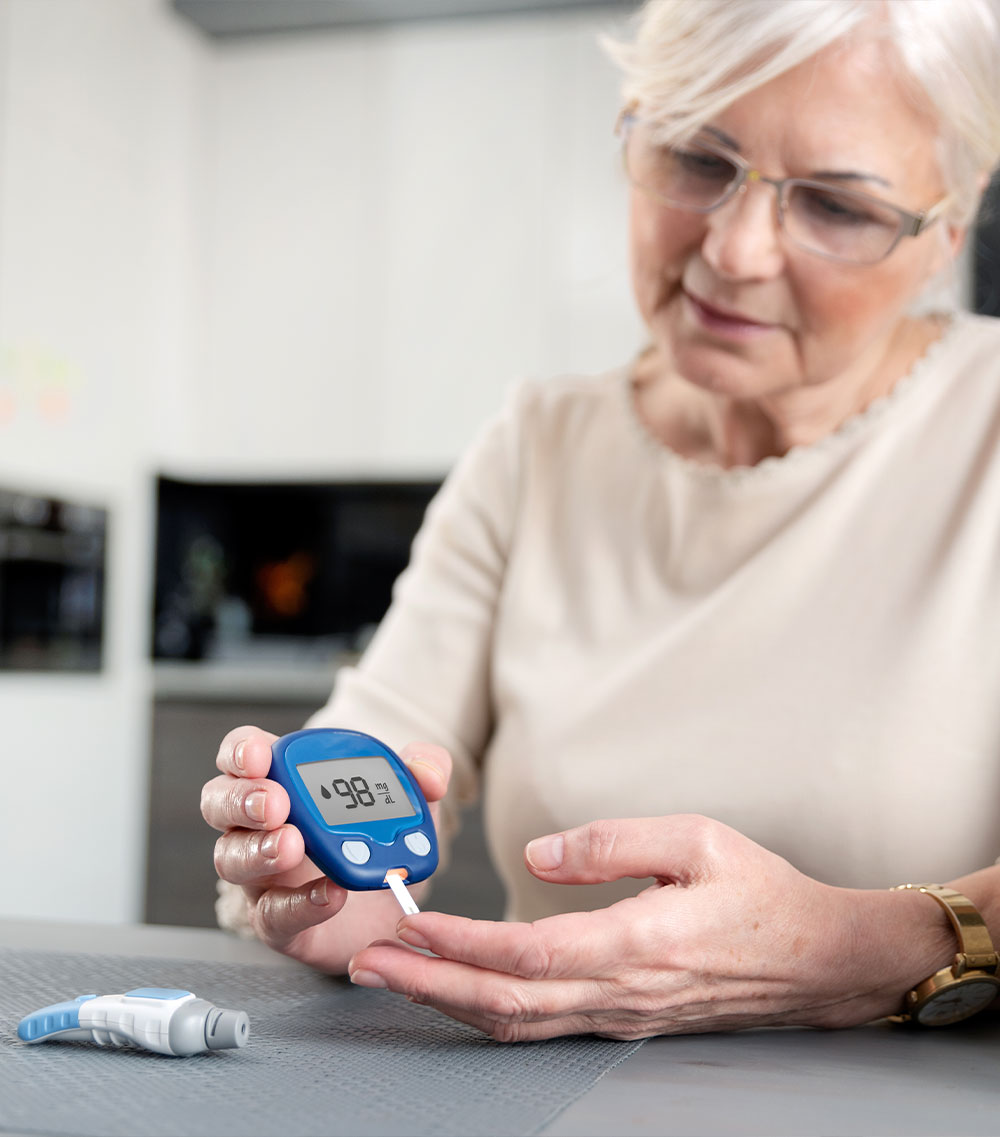
Diabetes causes blood glucose, often called blood sugar, to become too high. It happens when the body makes too little insulin, makes none, or cannot use it properly. Insulin helps the body use glucose for energy.
Type 1 and type 2 diabetes have different causes and treatments. People with type 1 need insulin; some people with type 2 also use insulin, while others manage their condition with other medicines and changes agreed with their healthcare team. The type of diabetes alone does not tell us how much help someone needs at home.
For some people, tiredness, changes in mobility or difficulties with sight can make shopping, cooking and personal care harder. Others mainly want help keeping familiar routines going alongside another condition. We consider these everyday needs and the professional advice relevant to your care.
The NHS guide to diabetes explains the condition and links to information about the different types. Your GP or diabetes team can answer questions about your own treatment, monitoring and health checks.
Over 4.7 million
People living with a diabetes diagnosis in the UK, using 2024–25 registration figures. Source: Diabetes UK statistics.
Around 90%
Type 2 accounts for around nine in ten diagnosed cases of diabetes in the UK. Source: Diabetes UK’s current statistics, checked October 2026.
Around 8%
Type 1 represents around 8% of diagnosed diabetes cases in the UK. Source: Diabetes UK’s current statistics, checked October 2026.
When a little help at home could be useful
Care around the routines you want to keep
You might want regular practical help, assistance after a hospital stay or an arrangement that shares some of the care a relative currently provides. We start by listening to what is happening in your day.
Support for different circumstances
We welcome conversations with:
- Adults with type 1, type 2 or another form of diabetes who need help with daily living
- People finding washing, dressing, preparing food or household jobs more difficult
- Someone living alone who would value planned visits and company
- People managing diabetes alongside dementia, frailty or a physical disability
- Someone returning home after illness or a hospital stay
- Relatives arranging a regular break or sharing support around other responsibilities
We also ask about what you enjoy, what you manage independently and the tasks where another person would make a useful difference.
Which parts of the day need more help?
It may be time to talk when:
- Shopping or cooking is making it harder to follow your usual meal routine
- You would welcome assistance with medicines already included in your treatment plan
- Personal care or getting ready for bed takes more effort than before
- Changes in sight, memory or mobility are affecting everyday tasks
- You need practical help preparing for or attending health appointments
- The person who usually helps is away, unwell or needs a break
If your health or blood-glucose readings have changed, contact your healthcare team for advice. We can discuss how practical care could fit around the arrangements they recommend.
How our carers can help at home
Meals, medicines and support with daily living
We agree the tasks, visit times and relevant instructions before care begins. A visit can combine several kinds of assistance, while your care plan makes clear what you do yourself, what our carers help with and who provides any clinical care.
Meals and drinks
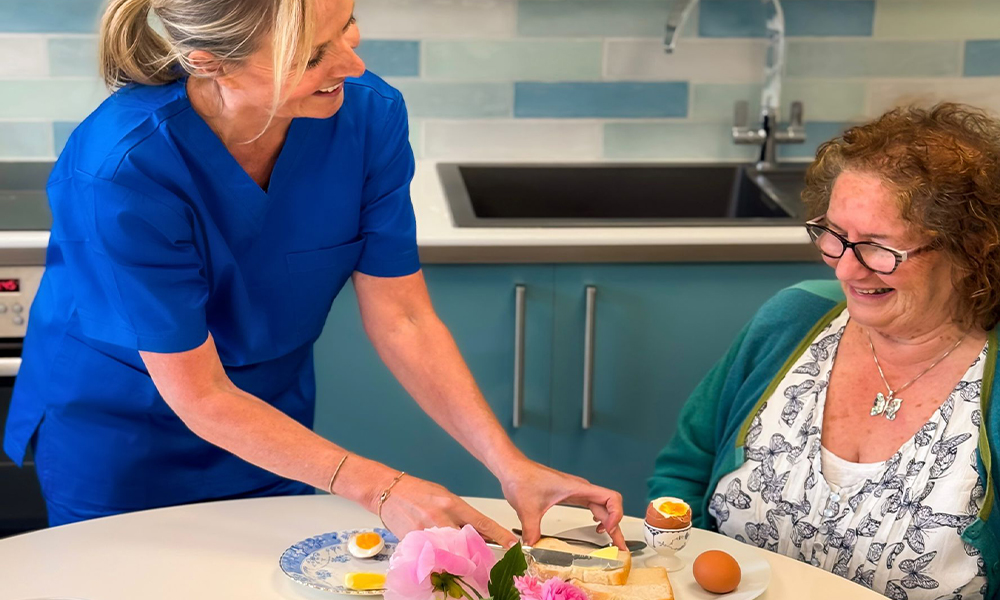
We can prepare food you enjoy and help you keep to the meal arrangements agreed with your diabetes team or dietitian. This can include:
- Planning meals and snacks around your preferences
- Preparing food at the times recorded in your care plan
- Making drinks and following any agreed fluid guidance
- Helping with food preparation and serving meals
- Recording relevant changes in appetite or intake and passing them on
We ask about your usual food, culture and choices, and follow the individual dietary advice in your care plan.
Support with prescribed medicines
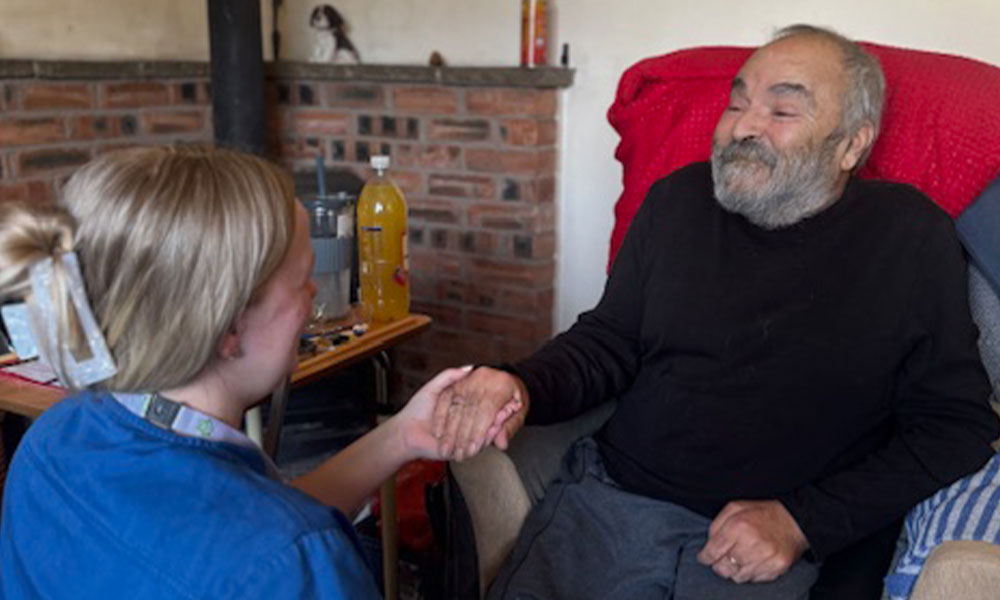
Depending on your assessment, we can provide reminders, assistance or administration for agreed medicines. Our carers can help with:
- Following the current prescription and written care instructions
- Planning visits around agreed medication routines
- Recording support, refusals, delays or missed doses
- Arranging prescription collections where included
- Passing questions or concerns to the appropriate professional
The carers involved have their skills checked for the tasks they undertake. If you use insulin or another injectable medicine, we discuss the specific arrangements separately before agreeing care.
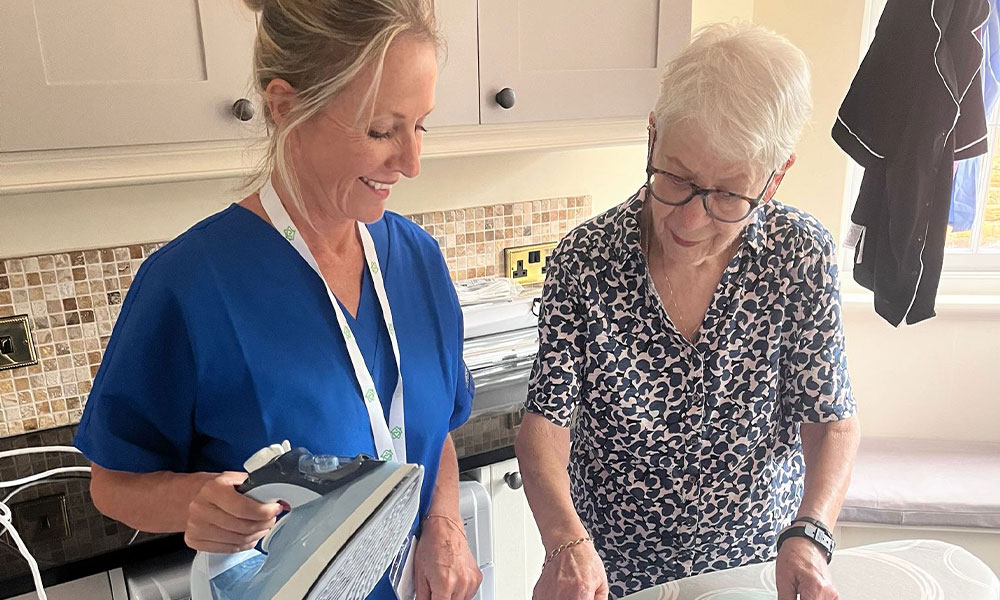
Personal care and getting ready
We can assist with the personal routines you find difficult, working at a comfortable pace and respecting the way you prefer things done.
- Washing, showering or bathing as agreed
- Dressing, grooming and oral care
- Toileting and assessed continence support
- Help washing and drying your feet within the care plan
- Reporting new skin changes noticed during personal care
We follow any skin or foot-care advice recorded for you. Foot assessments, nail treatment and wound care are discussed with the appropriate healthcare professional.
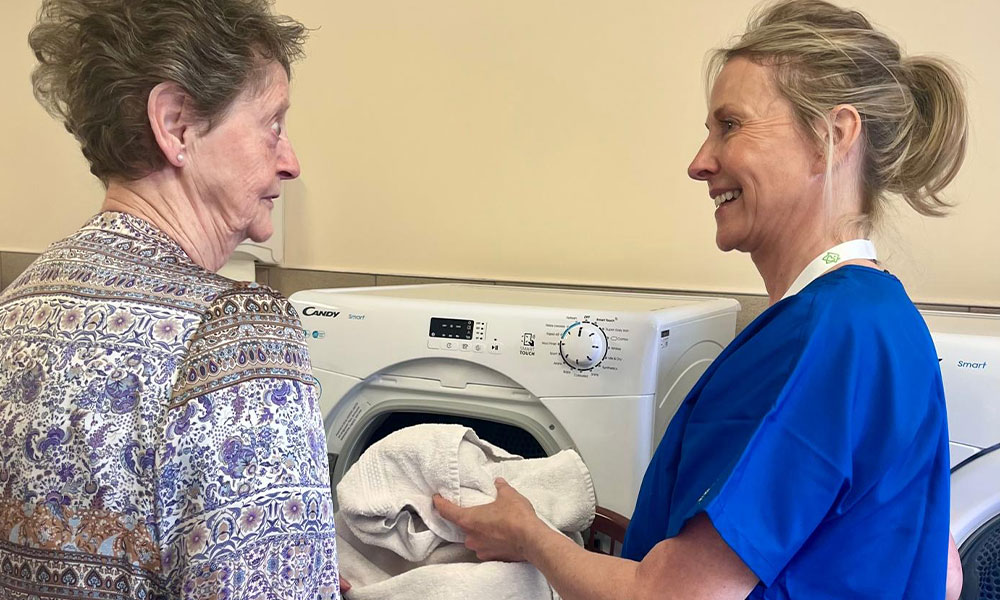
Shopping and household tasks
If housework or errands take more energy than you can comfortably give them, we can help keep everyday jobs moving.
- Shopping for agreed groceries and household supplies
- Putting food away and checking what needs replacing
- Laundry, changing bedding and light cleaning
- Washing up after meals
- Keeping frequently used items within easy reach
We agree priorities with you so personal care, meal preparation and household help have an appropriate place in each visit.
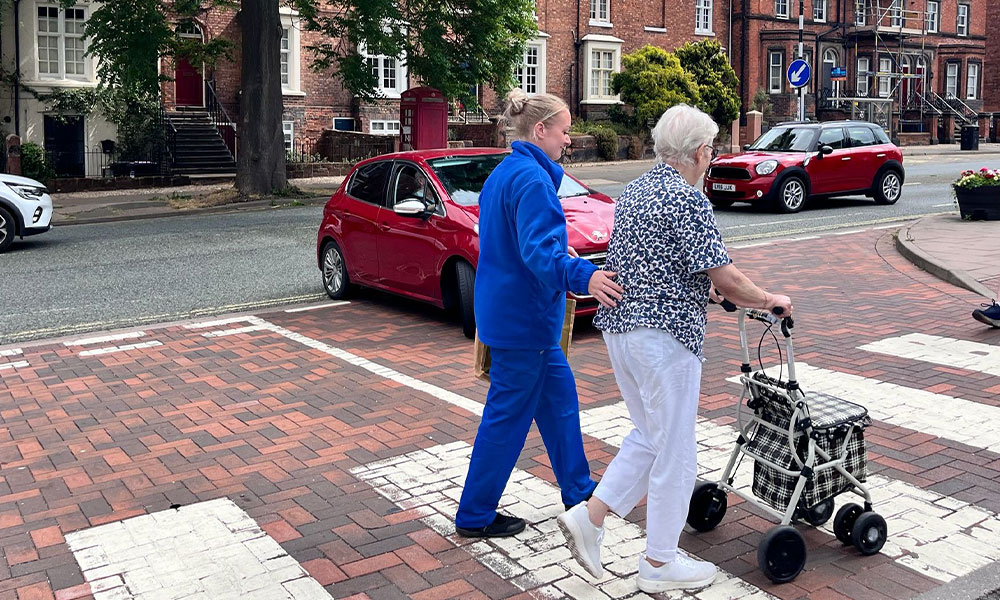
Getting around and keeping active
We can support everyday movement and activities you enjoy, taking account of your mobility, equipment and relevant professional advice.
- Assessed help moving around your home
- Using agreed walking aids and transfer methods
- Accompaniment on a walk or local outing where arranged
- Help getting ready for an activity or appointment
- Allowing time for rest and the pace that suits you
Your healthcare team advises on exercise and any related changes to food, medicines or glucose checks. We follow the practical assistance agreed in your care plan.
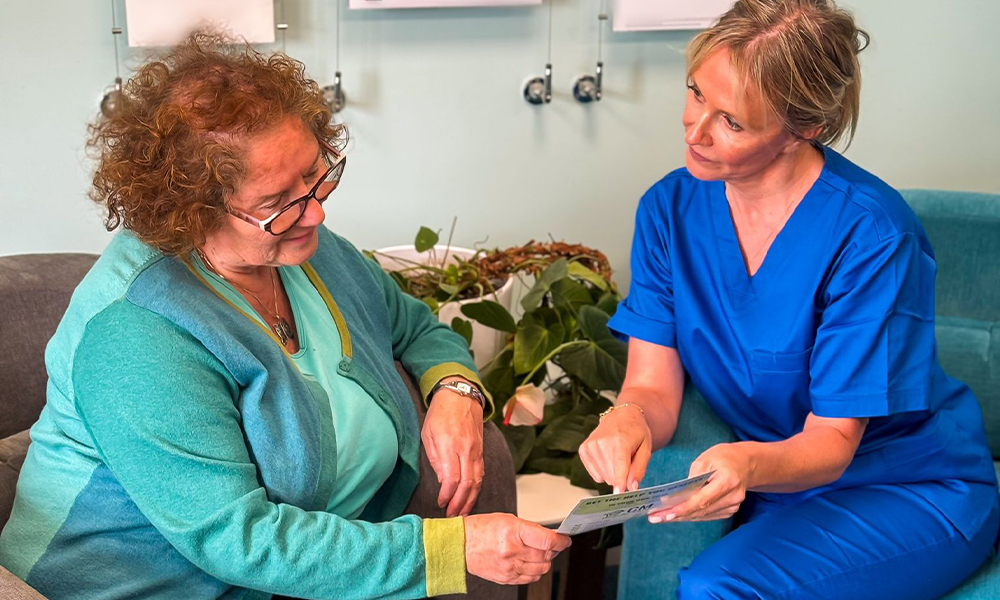
Appointments, company and staying in touch
A visit can include time to talk and help with the practical arrangements around ongoing healthcare and everyday interests.
- Keeping track of appointments and agreed reminders
- Preparing the items or questions you want to take
- Accompaniment or transport where arranged
- Helping you contact family, friends or your healthcare team
- Conversation, hobbies and company at home
We listen to how you want support to work. With your consent, we can help share relevant information with the people involved in your care.
Care alongside your GP and diabetes team
Keeping daily assistance in step with professional advice
Your healthcare team provides treatment, monitoring advice and clinical reviews. With your consent, we bring the instructions relevant to our visits into your care plan, so the people helping you understand the routines and responsibilities involved.
A clear plan for everyday assistance
We ask about your usual meals, medicines, glucose-checking routine, appointments and any help you already receive. We also discuss whether changes in memory, sight, mobility or communication affect how you manage these tasks.
Your plan records the assistance our carers provide and how it fits with family or professional visits. If you carry out your own glucose checks, we can discuss practical help such as reminders, bringing your equipment within reach or helping you keep a record, where agreed.
We record relevant observations during care and pass on changes, including difficulty eating or following the usual routine. Your care manager can help coordinate updates to the assistance we provide when professional advice or your needs change.
Knowing what to do and who to contact
Your GP, diabetes nurse or specialist team provides treatment advice, glucose targets, prescriptions and any instructions you follow to manage your own medicines. Hands-on glucose testing, injections, devices and other clinical tasks need specific arrangements; we confirm the responsibilities before care starts.
We ask your healthcare team for the response instructions relevant to you, including what to do about possible low blood sugar and who to contact when concerns arise. Our carers follow the agreed plan and seek urgent help when needed. In a medical emergency, we call 999.
The NHS information about low blood sugar explains why prompt action matters. Frequent hypos, night-time episodes or difficulty recognising them should be discussed with your diabetes team.

Why choose CM Bespoke Care?
Local care, planned around the person
We are an independent, family-owned and managed care provider with offices in Cleobury Mortimer and Church Stretton. Our work has grown through recommendations and local relationships. We take time to understand the person asking for help, including familiar habits, the people important to them and how they want care to fit into home life.
Living with diabetes can involve routines that have developed over many years. We listen to that experience and explain how our team can help with the practical details. Your care manager oversees the arrangement, while clear care records and regular conversations help us keep the support up to date.
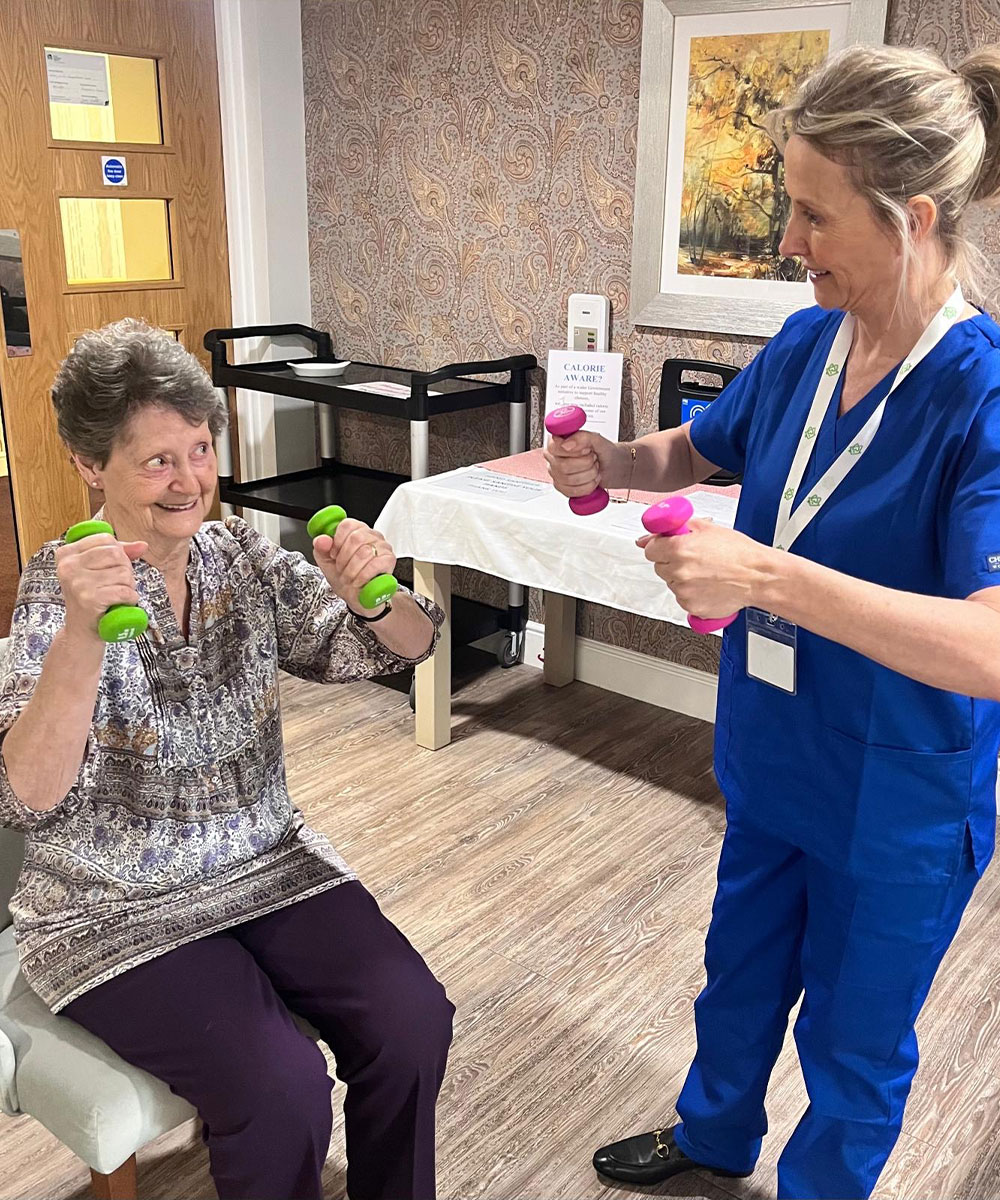
Experience supporting people living with diabetes
Carers who understand your daily routine
We consider the person’s needs and preferences alongside each carer’s experience, training and assessed skills. Where possible, a small, familiar team provides the visits, with a handover and access to the current care plan before they begin.
- A trained senior team member completes the initial assessment
- Induction and shadowing help prepare new carers for their work
- Refresher learning and practical competency checks continue throughout the year
- Care notes and medication records support management oversight
- A dedicated care manager is your main contact once care starts
- Reviews take place at least monthly and whenever circumstances change
Family involvement follows your wishes and consent. You can find out more about our approach and the people who organise and deliver care below.
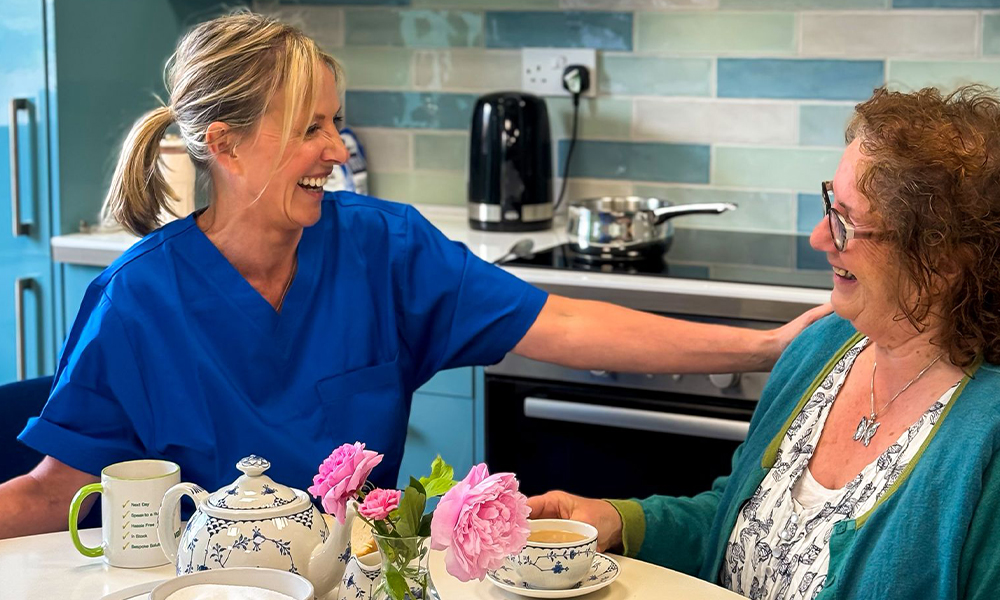
What people say about our care
Experiences shared by people and families we support
Reviews can help you get a feel for our approach, from everyday visits to communication with the team. Read what people have shared about their experience of CM Bespoke Care.
Arranging diabetes home care
A conversation, a free assessment and a plan agreed with you
Contact us when you are considering help with daily life. We will listen to the support you have in mind, discuss the general area where care is needed and explain how your free assessment can help us plan the next step.

Tell us about your routine
We ask where help would be useful, who is already involved and when you would like care to begin. You can tell us about any appointments, hospital discharge plans or changes that affect the arrangements.

Free home assessment
A trained senior team member usually visits you at home to discuss your needs, preferences and relevant professional advice. You can include someone you trust. Most assessments take around 60 to 90 minutes, with more time available when needed, and there is no obligation to proceed.

Agree the care and costs
We set out the tasks, visit pattern, relevant instructions, responsibilities and proposed costs. We discuss the plan with you and identify suitable carers with the training and assessed skills needed for the agreed assistance.

Start care and keep in touch
Your carers receive a handover and access to your care plan. Your dedicated care manager keeps in touch, with formal reviews at least monthly and earlier when your health, treatment advice or support needs change.
Ways we can provide support at home
Regular visits, longer support and breaks for family carers
Your assessment considers the assistance needed across the day and night, the support already available and your preferences. We explain which arrangements could suit you and check the visit pattern, location and suitable staffing before agreeing a start.
Visiting Home Care
Visits from 30 minutes can help with personal care, meals, medicines and household tasks at agreed points in the day. We plan the visit length and frequency around the tasks involved, with enough time for your usual routines.
Explore Home Care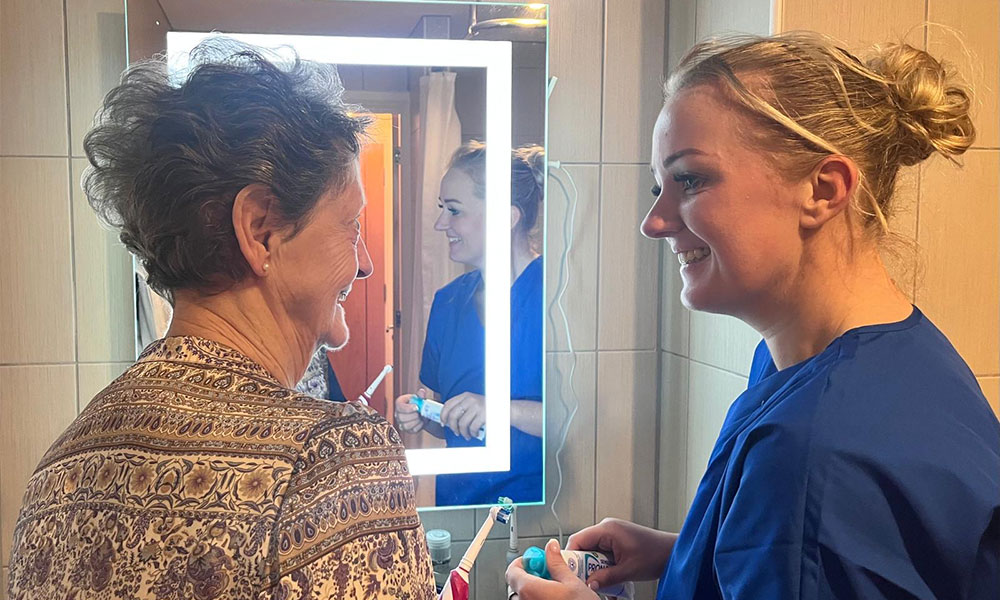
Live-in Care
A carer living in your home can provide personal and practical support across the day. We discuss a suitable bedroom, facilities, carer breaks and overnight rest. If active help is needed regularly through the night, we plan the staffing separately.
Explore Live-in Care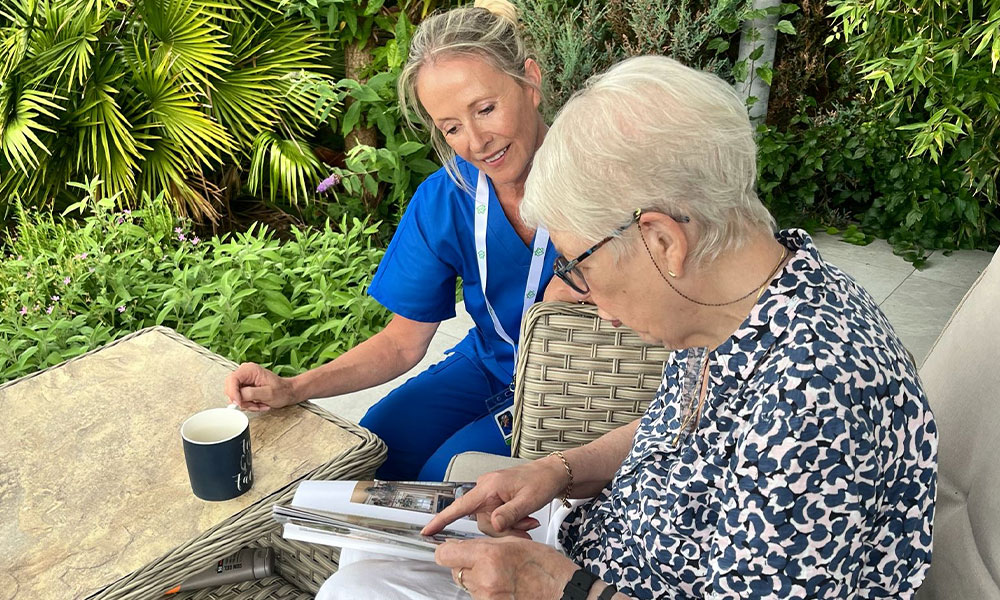
Respite Care at Home
Temporary care can give a family member a break while agreed meals, personal care and other routines continue. We discuss the handover, relevant instructions and how support will be shared, whether you need visits or a longer arrangement.
Explore Respite Care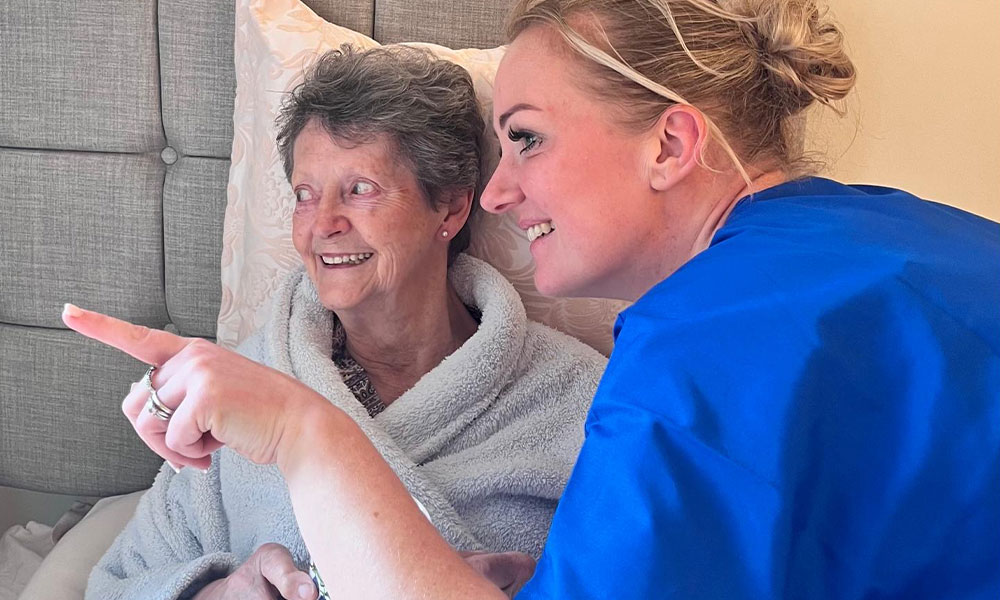
Night Care
Sleeping-night or waking-night care may help with assessed personal routines overnight. We discuss how often assistance is needed and the instructions involved. Clinical monitoring needs are considered with your healthcare team, and the arrangement must provide the appropriate skills and staffing.
Discuss night supportDiabetes home care in Shropshire and nearby areas
Support coordinated through our two local offices
We welcome enquiries across Shropshire, including Shrewsbury and the communities around our Cleobury Mortimer and Church Stretton offices. We also support people in North Worcestershire and parts of Herefordshire.
Explore the areas below for more information about our local Home Care services. If your town or village is not listed, our team can check whether suitable care can be arranged where you live.
Home care in Shropshire
Home care in Worcestershire
Home care in Herefordshire
Our local care offices
Cleobury Mortimer and Church Stretton
Our local offices coordinate care planning, carers and communication across Shropshire, North Worcestershire and parts of Herefordshire. Knowing the area helps the team plan travel and visits. At your assessment, we will talk through the care we can provide where you live.
Ground Floor Office Suite, Upper Baveney Park, Cleobury Mortimer, Kidderminster, Shropshire, DY14 8LF
Unit 1, Sandford Court, Sandford Avenue, Church Stretton, Shropshire, SY6 6BH
Diabetes information and local support
Healthcare advice, education and help with care assessments
Your GP or diabetes team can help with treatment questions and the clinical support available to you. These services and resources may also help you find local information, structured education or a council assessment of your day-to-day care needs.
Diabetes advice and education
Shropshire Community Health NHS Trust
The adult community diabetes specialist nursing service supports people with type 1 diabetes and some people with type 2 diabetes who need injectable treatment. Its page explains who the service sees and the referral routes. Ask your GP or existing diabetes team which service is appropriate for you.
Explore the adult diabetes service
Diabetes education in Shropshire
The Trust provides X-PERT education for adults diagnosed with type 2 diabetes and DAFNE education for adults with type 1 diabetes. Its education page explains the programmes and current course arrangements.
Find diabetes education information
Diabetes UK
Diabetes UK offers information about daily life, treatment, food and emotional wellbeing, alongside support for people affected by diabetes. Its healthy-eating information can help you prepare questions about meal planning for your own healthcare team.
Explore living with diabetes and healthy eating information.
Help with everyday care needs
Shropshire Council
A Care Act assessment looks at difficulties with daily life and whether you are eligible for council support. Shropshire Council explains how to request an assessment and what happens next.
Explore Shropshire’s assessment process
Worcestershire County Council
Worcestershire’s adult social care contact page provides information, online assessment and referral routes, and other ways to contact the team about care and support.
Contact Worcestershire adult social care
Herefordshire Council
Herefordshire’s Advice and Referral Team handles adult social care enquiries, including requests for care and carer assessments and information about financial assessments.
Related Articles

Paying for home care: costs and funding options
Understand what affects home care costs, which funding options may be available and where to begin. Our guide explains private payment, council assessments, benefits and NHS support, with practical steps for people arranging care in Shropshire, Herefordshire and Worcestershire.
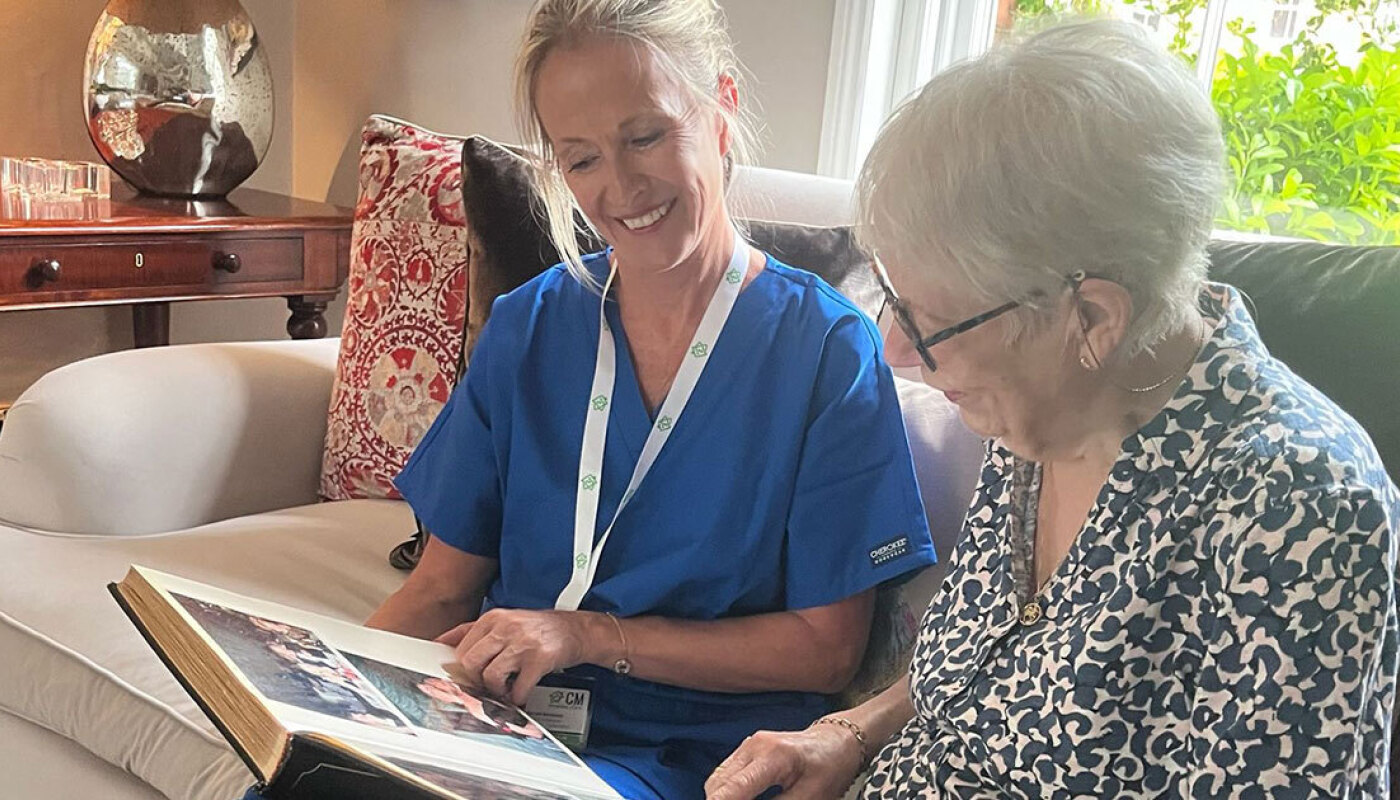
Person-centred home care: care plans, dignity and working together
Person-centred home care starts with the person and the life they want to lead. This guide explains how care plans can turn wishes into practical support, protect dignity and choice, and help families, carers and healthcare professionals work together when needs change.

Preparing for a council care needs assessment: a practical checklist
Preparing for a council care needs assessment starts with explaining everyday life in your own words. Our England-focused checklist helps you gather useful information, describe changing needs, take part in the conversation and keep track of the decisions and next steps.
Frequently asked questions about diabetes home care
Talk to us about diabetes home care
Let’s look at the help you would find useful
Whether you are arranging support for yourself or helping someone close to you, we would be glad to hear from you. Tell us about the daily routines where help would be welcome and the general area where care is needed.
Our team can explain the options, answer your questions and arrange a free, no-obligation home assessment. We will take time to understand your preferences, discuss relevant healthcare advice and talk through the proposed care and costs with you.