




What does person-centred home care mean?
Start with the person, then agree the support
Person-centred care means listening to you as an individual and planning help around your needs, abilities and preferences. You might want support with dressing but choose your own clothes, help preparing lunch but still enjoy shopping, or a quieter morning so that you have energy for seeing a friend.
Your care plan connects those priorities with the support people provide. It should help a carer understand what to offer, what you want to manage yourself and how to respond if the usual arrangement is no longer working. A description such as “help with breakfast” leaves more room for misunderstanding than a clear account of the help you have actually agreed.
For families, being involved can mean sharing useful background, helping someone explain their wishes or noticing a change. Ask the person how they would like you to help, and agree with the team what information can be shared. Their wishes should guide how you take part.
Our Home Care service explains the practical support CM Bespoke Care can offer. This guide helps you look at the quality of the plan behind that support. If you are still deciding how to arrange care, our guide to understanding and arranging home care covers those first steps. Your care plan should reflect your wishes and help you feel comfortable with the support you receive.
A useful care plan at a glance
- Your wishes, abilities and everyday routines are easy to find.
- The support you have agreed is specific enough for carers to follow.
- Privacy, consent and communication preferences are respected.
- Responsibilities and contact arrangements are clear.
- You know how to see the plan, ask questions and request changes.
- Reviews consider how care is working for you, as well as which tasks are completed.
Six ways person-centred care becomes everyday practice
Look for the details that make support feel like your own
The following examples show how your wishes and preferences can shape everyday care, from choosing your clothes to keeping up with the people and activities you enjoy.

Your voice comes first
A plan should help carers get to know what matters to you, including the choices you make each day. Being asked which clothes you want to wear can be as meaningful as discussing a bigger goal.
- Record your preferred name and how you like to communicate.
- Describe choices you want to make during visits.
- Ask for the time you need to think and answer.
If a plan describes you mainly through a diagnosis or a list of difficulties, ask where your own priorities are recorded.
Routines have a reason
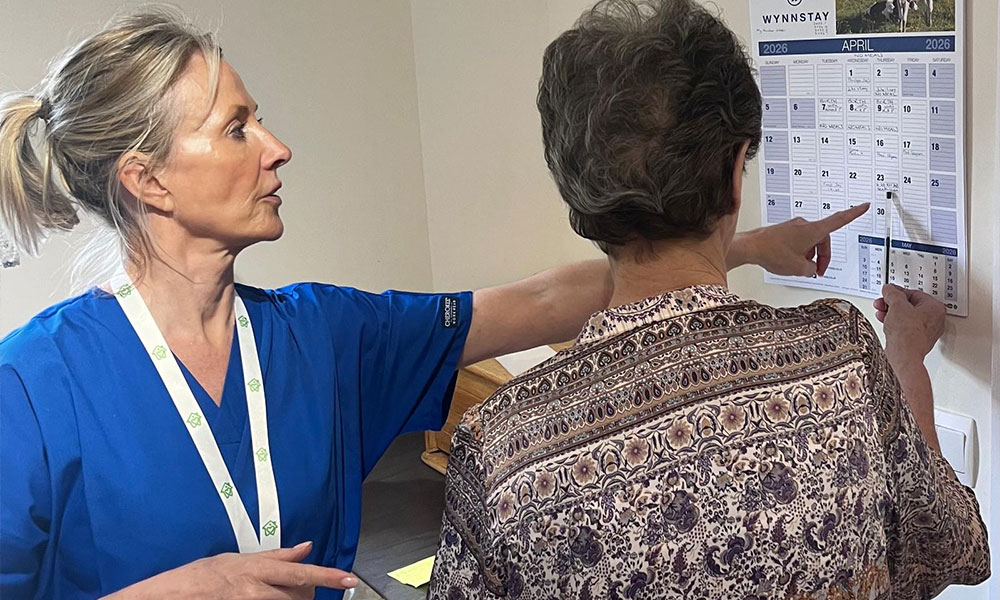
A familiar routine may help you feel settled or make another part of the day possible. Tell the team why a particular time or order matters to you, so they can take this into account when planning your visits.
- Explain important appointments, habits and times of day.
- Discuss what can be flexible and what needs particular planning.
- Check whether visit length allows the agreed routine to work.
For example, getting ready earlier on a particular day may help you continue attending a group you enjoy. Discuss how visits could fit around that activity, taking account of the times available.

Help leaves room for independence
Doing everything for someone can remove opportunities they still value. A useful plan describes the level of help needed, including when a reminder, preparation or extra time is enough.
- Identify what you can and want to do yourself.
- Agree where assistance is needed and how it should be offered.
- Discuss risks and suitable ways to keep taking part.
If your confidence or abilities change, ask for the approach to be reviewed. More help is not always the only answer; different help may be more useful.

Relationships are part of daily life
Support can make room for company, interests and community life alongside essential routines. Tell the team which people and activities matter, and what makes taking part easier.
- Include meaningful interests and preferred conversation topics.
- Discuss practical help with agreed outings or contact.
- Notice whether the current arrangement leaves time for things you enjoy.
A successful visit might mean feeling comfortable enough to see a neighbour later, rather than simply finishing a checklist of household tasks.
Dignity is visible in the approach
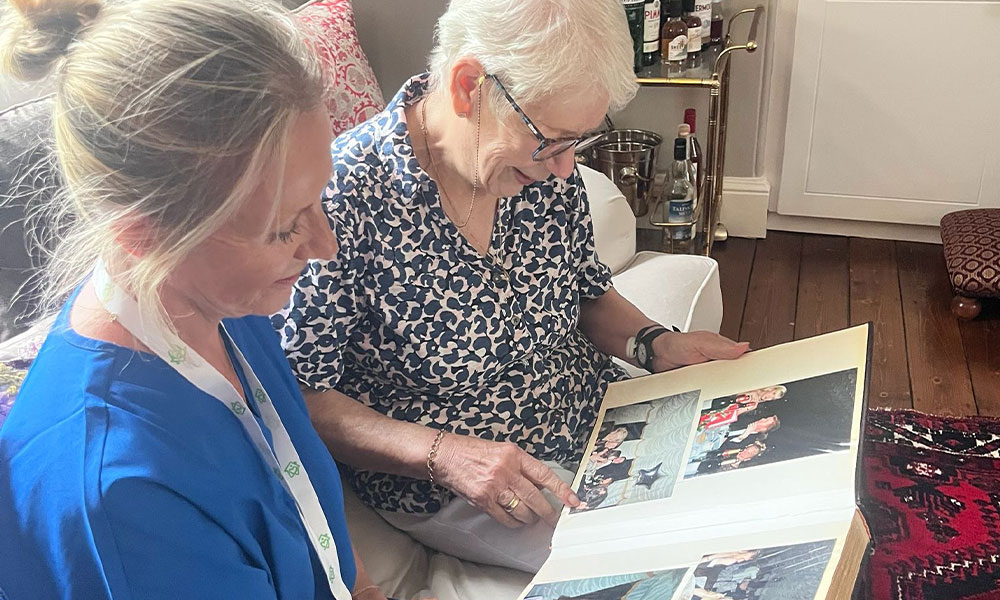
Respect shows in ordinary moments: asking before helping, protecting privacy and listening without rushing. Personal history, beliefs and preferences can help carers offer support in a way that feels comfortable.
- Explain privacy preferences during personal care.
- Record cultural, religious or other preferences relevant to support.
- Ask carers to explain what they are doing and check your agreement.
You should be able to say that an approach feels uncomfortable. A familiar routine or an existing care plan does not remove the need to listen to you today.
Everyone understands their role
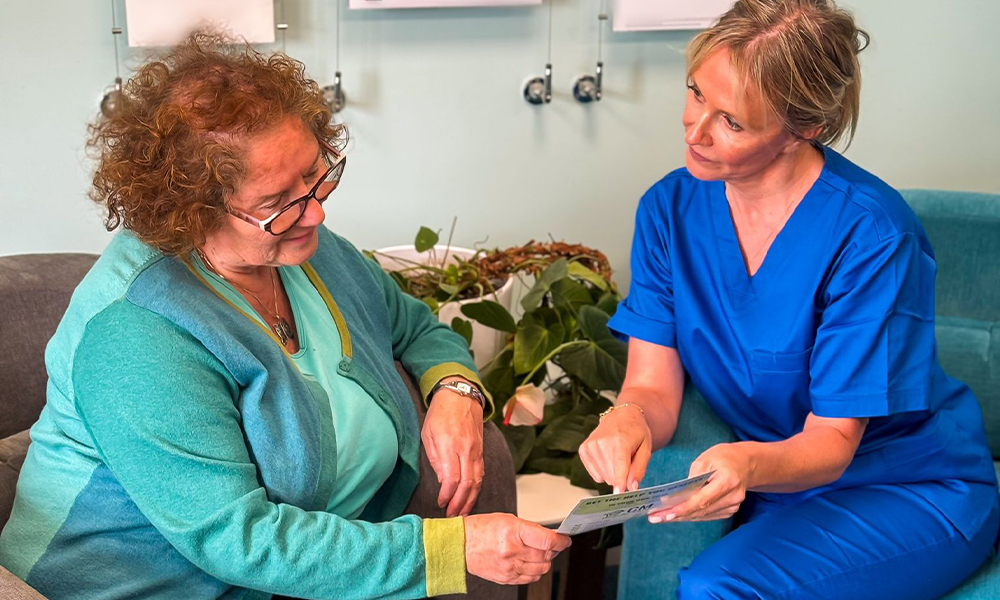
A person may receive help from relatives, home carers and several professionals. Clear responsibilities make it easier to see who is doing what and where a question belongs.
- Record relevant professional guidance for the support being provided.
- Agree contacts for changes, questions and urgent concerns.
- Check how updated instructions reach the people delivering care.
A shared aim does not mean that everyone has the same role. Treatment decisions remain with the appropriate healthcare professional.
What should a home care plan include?
Understand which plan you are looking at
A provider’s care plan explains how its carers will support you. A council care and support plan sets out the support arranged following the council’s assessment and planning process. You may have both, alongside clinical instructions from healthcare professionals.
The provider’s plan for everyday support
Look for an account of your care that a visiting carer can follow and you can recognise as your own.
Useful information includes your preferred routines, communication, support needs and goals. It also describes the agreed tasks, how assistance should be offered, relevant risks and the measures agreed to manage them. Ask for unclear words such as “assist as required” to be explained in the context of your actual visit.
Where medicines, mobility equipment or professional guidance are relevant, the plan needs appropriate instructions and clear responsibility. Carers should know which instructions to follow and who to contact if they need clarification before providing that support.
Contact arrangements matter too: who oversees the care, how concerns are reported, how changes are agreed and how the team receives the current version. The plan guides support; visit records describe what happened and any changes noticed.
NICE’s home care recommendations for older people cover planning and involving the person. For your own arrangement, ask the provider to show how its plan translates your assessment into clear instructions.
The council’s care and support plan
A council plan covers assessed needs, agreed outcomes and how eligible needs will be met.
It can include support beyond home-care visits, as well as a personal budget and any contribution towards costs. The provider’s plan then explains the practical delivery of its part of the support. The two plans should make sense together, but they serve different purposes.
A council care needs assessment and a financial assessment are separate. You can ask for a needs assessment even if you expect to pay for care yourself. See the NHS explanation of a care needs assessment for the route in England.
A private provider’s assessment considers the care it can safely offer and how to arrange it. Council funding decisions and clinical assessments are handled separately by the relevant council or healthcare team. CM Bespoke Care’s home-care assessment is free.
If a plan includes a budget or charge you do not understand, ask the organisation responsible to explain it. The NHS guide to care and support plans explains the council plan in more detail.
From a personal wish to a useful care-plan entry
For example: keeping a morning routine
Imagine someone who wants to get dressed themselves and have breakfast by the kitchen window. They need help setting out clothes and preparing food, but do not want the whole routine taken over.
To turn “morning care and breakfast” into useful instructions, the team would discuss what the person wants to do, what assistance they need, their preferred order and any assessed safety guidance. They would also check whether the visit gives the person enough time to take part.
The agreed plan might describe offering a choice of clothes, preparing items within reach and asking before helping with dressing. It would explain the breakfast support required and which parts the person prefers to manage themselves. Any equipment or physical assistance must follow the person’s assessed instructions.
At review, the question becomes “Is this approach helping you have the morning you want?” Perhaps the person now needs a little more assistance, wants a different routine or finds the timing too rushed. Their answer helps the team agree any changes and update the instructions for the carers.
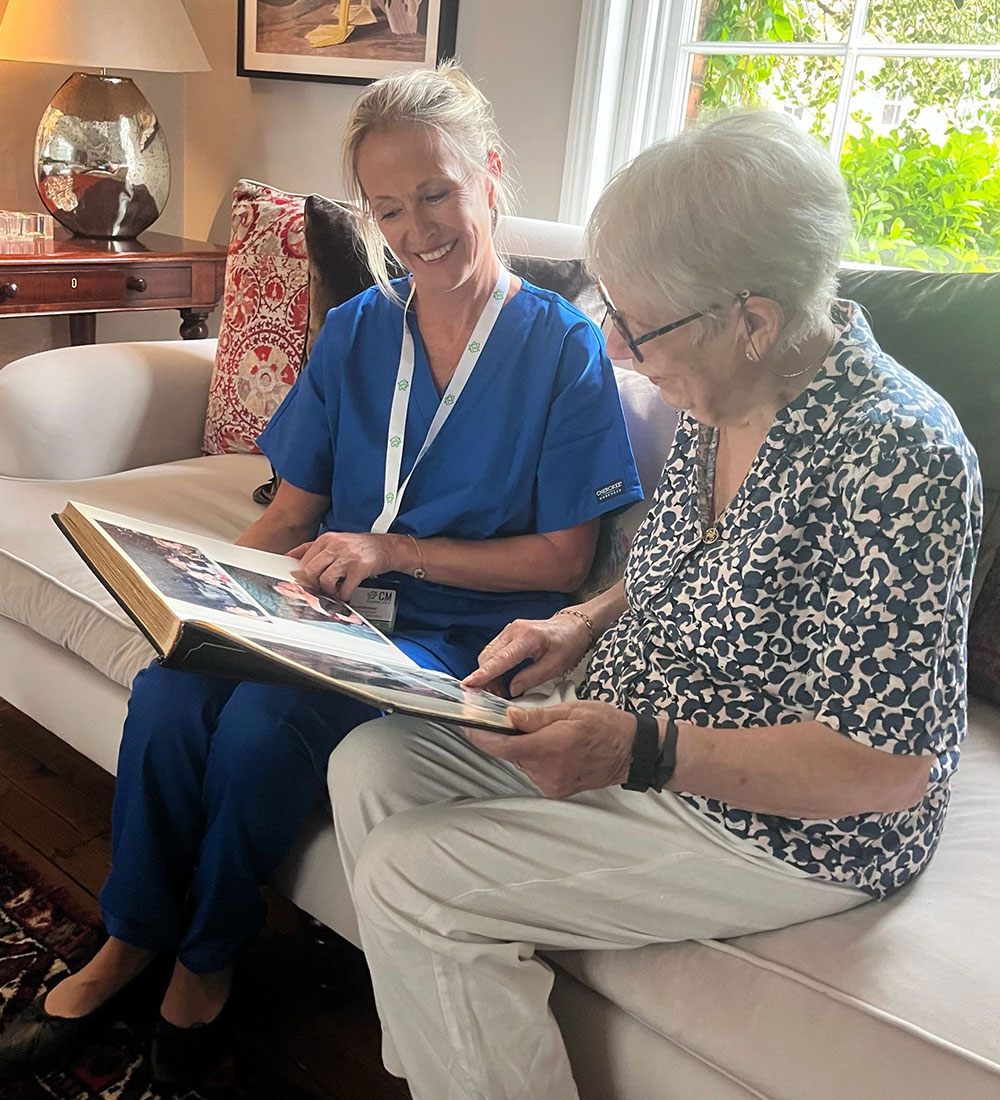
Working together without losing sight of the person
Clear roles, useful information and agreed contact routes
When relatives, home carers and healthcare professionals are involved, the plan helps them work together around your needs and wishes. It should explain each person’s role, the information they need and who to contact when something changes.
Home carers and healthcare professionals
Daily support and clinical care can work alongside each other, while keeping responsibilities clear.
A GP or other prescriber makes medical and prescribing decisions. District or community nurses may provide nursing care. Occupational therapists and physiotherapists can assess particular difficulties and recommend equipment or approaches. The professionals involved depend on the person’s needs and local arrangements.
Home carers provide the personal and practical support agreed with their provider. Relevant professional instructions should be reflected in the plan where they affect that support, with the training and assessed skills the tasks require. This does not give a home carer authority to change treatment.
After a discharge or professional review, ask which instructions have changed, who will update the home-care plan and when the carers will be briefed. If different documents appear to disagree, ask the responsible team to clarify them rather than choosing an instruction yourself.
The plan should explain how carers record and report meaningful changes. For example, noticing when a usual task has become harder and reporting this through the agreed route gives the team a clearer picture of how the person is managing at home. The relevant professional can then consider whether the support or advice needs reviewing.
Relatives, friends and unpaid carers
Involvement should reflect the person’s wishes and what each helper can realistically provide.
A trusted person may help explain routines, attend a review or offer practical support between visits. Agree which roles they want and are able to take on. For example, if a relative will help with evening meals, check which days they can manage and what support is needed at other times.
Ask who should receive updates, what information can be shared and how contact will work. A named family contact can make communication easier, but being a relative or listed as next of kin does not automatically give someone authority to consent to care or make decisions.
If understanding or expressing a particular decision is difficult, the team should support the person to take part. Where a decision about capacity or legal authority is needed, the appropriate process must be followed. A diagnosis alone is not a reason to speak only to the family.
Family circumstances change as well as care needs. If an unpaid carer is unwell, returning to work or becoming exhausted, tell the care manager and, where involved, the council. Review the tasks and timings together so that the plan reflects the help each person can provide.

How CM Bespoke Care approaches care planning
A conversation with you, followed by a clear plan for your team
CM Bespoke Care offers a free home-care assessment to understand your needs, preferences and the support you want. We involve the people you choose and consider relevant professional guidance. Our management team checks the plan and briefs your carers before care starts.
A dedicated care manager oversees the arrangement. We formally review care plans at least monthly and whenever needs change, and discuss appropriate ways to keep your chosen contacts informed. You can use the questions in this guide when speaking with us about your own support.
Keep the plan in step with real life
Reviews should consider your experience of care
A plan can become out of date even when every scheduled visit still happens. Changes in health, confidence, wishes, professional advice or family support can all make the current arrangement less useful. Tell the care manager when a change affects your daily life or the help you need.
A practical plan-review checklist
Choose a few concrete examples of what is working and what needs attention.
You might note that a morning feels rushed, an agreed outing is not happening or a carer is taking over something you want to do. Bring these examples to the review and explain how you would like the support to work.
At the conversation, ask:
- Does the plan still reflect my wishes, abilities and current support needs?
- Are the agreed tasks and visit times working in practice?
- Is professional guidance current and understood by the carers?
- Are family responsibilities still realistic and agreed?
- Who will make each change, brief the team and check it has helped?
Ask how the outcome will be recorded and when you will hear back. Confirm that the carers will receive the updated instructions and understand any changes before putting them into practice.
If you are unhappy with the support, raise this with the care manager and ask about the provider’s complaints process if it remains unresolved. Contact the council about concerns with its care and support plan. An immediate safety or medical emergency needs the appropriate urgent response, rather than waiting for a scheduled review.
Independent guidance when you want to check something
You can use independent information to prepare questions and understand the organisation’s responsibilities.
The NHS care and support plan guide explains council planning and reviews. Age UK’s care-plan advice also describes council plans and what to do if you are unhappy with one.
The Care Quality Commission regulates health and adult social care in England. Its provider guidance covers person-centred care, dignity and respect, and consent. You can refer to this guidance when asking about choices, privacy and how you are involved in planning your care.
For older people receiving home care, NICE’s home care recommendations discuss planning, coordination and reviewing support. They offer guidance on good practice, which providers consider alongside each person’s assessed needs.
If you would find it difficult to take part in council planning without help, ask the council about advocacy and the support available in your circumstances. Let the team know what would make the conversation easier for you.
Questions about person-centred home care and care plans
Home care in your area
Looking for support at home for yourself or someone you love? Explore our home care services across Shropshire, Herefordshire and Worcestershire, or talk to our team about the support available where you live.
Not sure whether we cover your location? Contact our team to discuss care in your area.
Home care in Shropshire
Home care in Herefordshire
Home care in Worcestershire
Related Articles

Understanding and arranging home care: a guide for families
Arranging home care starts with understanding the help you need and how it will work day to day. Our guide explains your options, assessment routes and practical ways to compare providers, agree a care plan and prepare for support to begin.

Paying for home care: costs and funding options
Understand what affects home care costs, which funding options may be available and where to begin. Our guide explains private payment, council assessments, benefits and NHS support, with practical steps for people arranging care in Shropshire, Herefordshire and Worcestershire.

Talking to a loved one about home care
Starting a conversation about home care can feel difficult, especially when you see things differently. Explore practical ways to raise the subject, listen to concerns and agree a useful next step while keeping your loved one involved in decisions about their support.

Caring for a family member: practical support and looking after yourself
Caring for a family member can bring practical questions and changing responsibilities. Our guide explains how to share everyday tasks, find support as an unpaid carer and make room for your own wellbeing, including what to do when caring feels too much.

Coming home from hospital: arranging care and support
Preparing to come home from hospital? Our guide explains what to ask before discharge, which support options may help and how to check the practical arrangements, so you can plan the return home with a clearer understanding of what happens next.
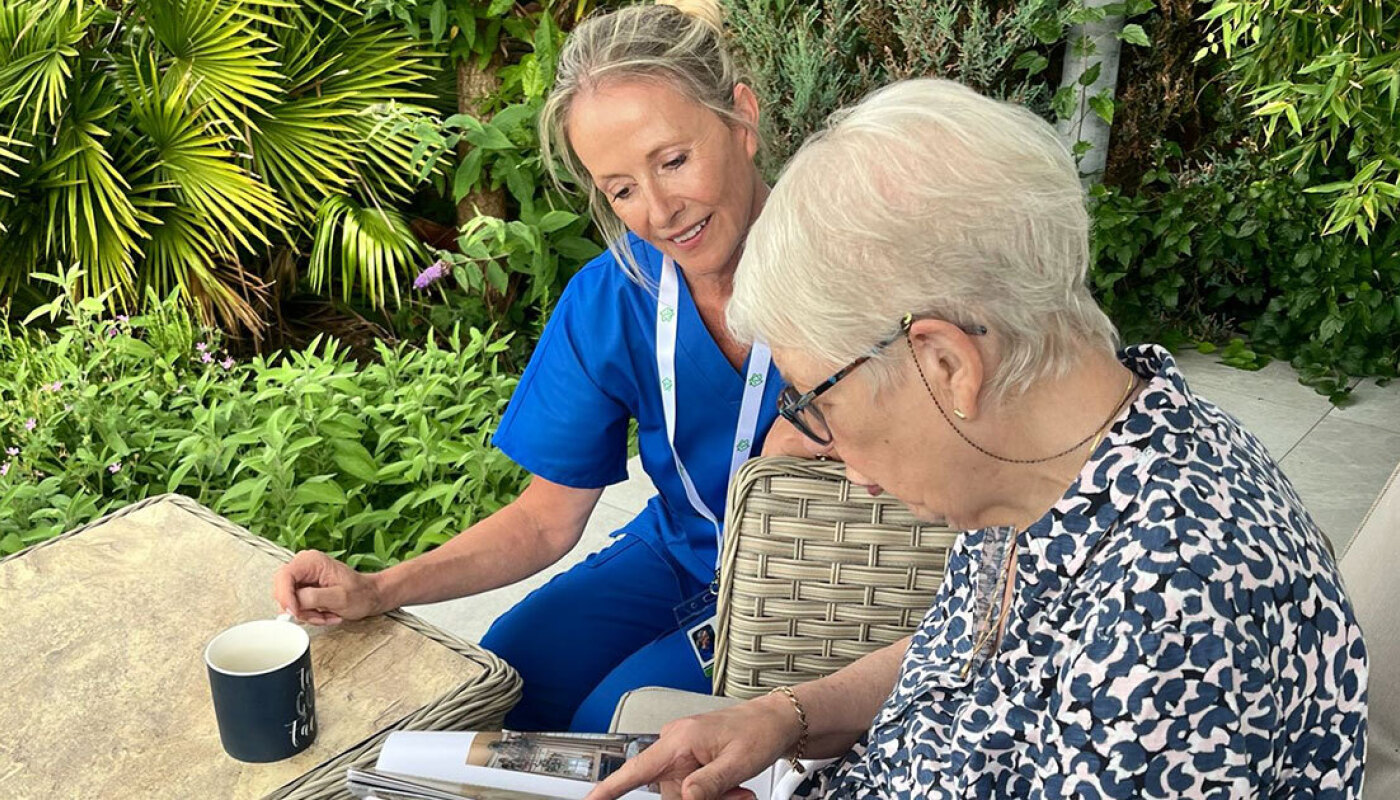
Loneliness and companionship: finding connection at home
Feeling lonely at home, or worried about someone you love? Explore practical ways to build connection, understand befriending and companionship options, and find national and local support that fits around the person’s interests, preferences and everyday life.
Start with what you want your care to make possible
One clear question can open a useful conversation
Start with one routine, choice or activity that matters to you. Look at whether the plan explains the help you want and whether that is how support actually happens. A specific example can make it easier to agree a useful change.
If you are supporting a relative, ask what they would like to bring to the conversation and how they want you involved. You can help gather questions and describe practical difficulties while leaving room for their own answer. Where professional guidance is involved, ask who is responsible for keeping the relevant instructions current.
CM Bespoke Care can talk with you about the support you are looking for and our free home-care assessment. Tell us what you want to keep doing, what has become difficult and who you would like involved. We will listen and discuss how care could fit around your life.