





Understanding loneliness and companionship at home
Start with what the person wants more of in their life
Loneliness can mean missing a particular person, having nobody to share an ordinary moment with, or feeling that the people around you do not really understand you. Living alone does not automatically mean feeling lonely, and regular visitors do not always provide the connection someone is looking for. What matters is how life feels to that person.
Perhaps a friend has moved away, a partner has died, or an illness has made familiar outings harder. You may still manage everyday tasks independently but miss conversation and company. If you are concerned about a relative, a useful starting point is to ask what they miss, rather than deciding that a busy calendar or more visits must be the answer.
There are several ways to explore support: reconnecting with people you know, finding an activity, joining a befriending service or arranging paid companionship. Where practical difficulties also make social contact harder, home care can offer agreed help alongside company. We explain these choices so you can consider what fits your circumstances, including options that do not involve paid care.
This guide offers ideas you can try at your own pace and questions to ask before arranging help. You do not need to try everything. As Mind’s guidance on loneliness explains, different approaches suit different people at different times; it is reasonable to start small or try something else if an idea does not feel right.
Loneliness and companionship at a glance
- Ask before assuming. Find out whether someone wants more contact, a different kind of connection or help returning to something they enjoy.
- Begin with something manageable. A short call or familiar activity may feel easier than joining a new group.
- Compare the options. Befriending, community activities, sitting support and paid companionship have different purposes and limits.
- Check access and availability. Ask about eligibility, charges, waiting lists, transport and the help available during an activity.
- Keep the person involved. Their interests, privacy and preferences should shape any arrangement.
- Seek more help when needed. Persistent low mood or difficulty coping deserves attention as well as opportunities for company.
Six manageable ways to feel more connected
Choose a starting point that suits your day
Connection does not have to begin with a large group or an unfamiliar place. Think about the company you enjoy, the interests you would like to share and anything that currently gets in the way. These ideas can help you decide what to try first.
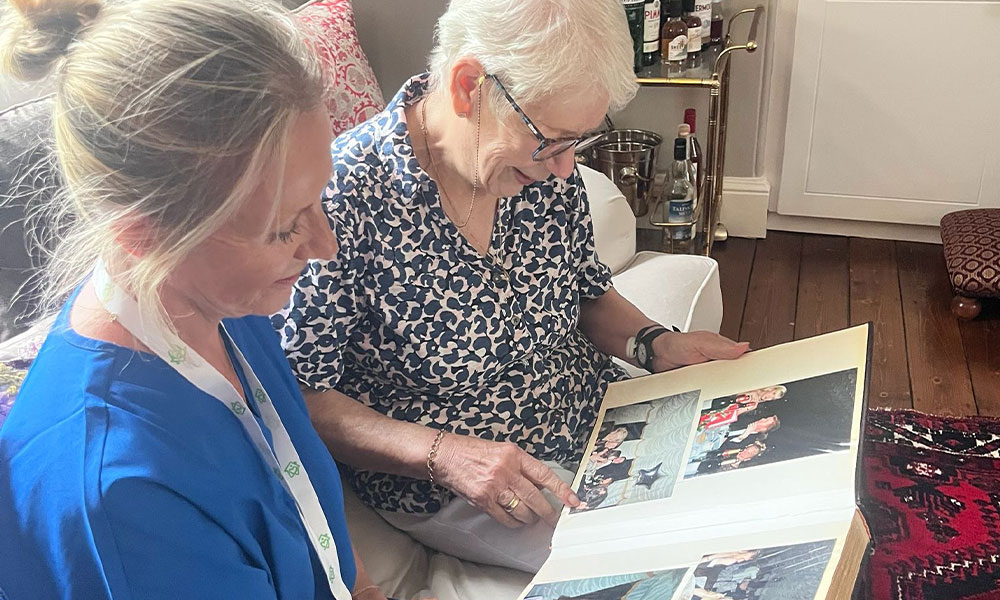
Tell someone what you miss
It can be easier to explain a particular gap in your week than to begin by saying you feel lonely.
- Mention a time of day that feels especially quiet.
- Describe something you used to enjoy sharing.
- Say whether you would prefer listening, conversation or an activity.
For example, “I miss having someone to talk to over lunch” gives someone a clearer idea of what might help.
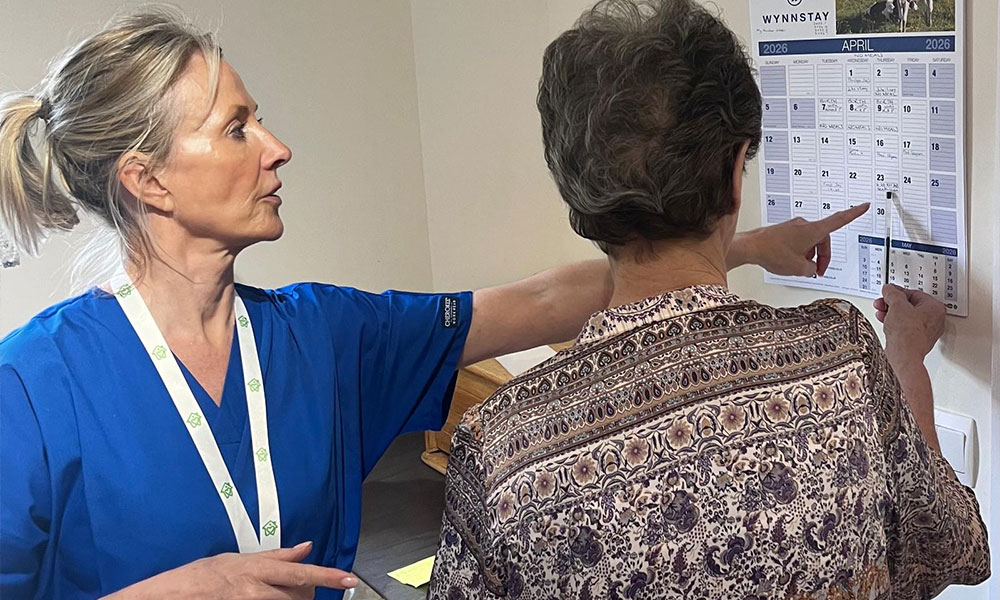
Make familiar contact easier
A predictable arrangement can make keeping in touch simpler, especially when friends or relatives live further away.
- Agree a call or visit at a time that suits you both.
- Choose an ordinary phone call if video feels complicated.
- Keep a short list of people you would like to contact.
Make the arrangement realistic. It should be something you can enjoy, with a simple way to rearrange if plans change.
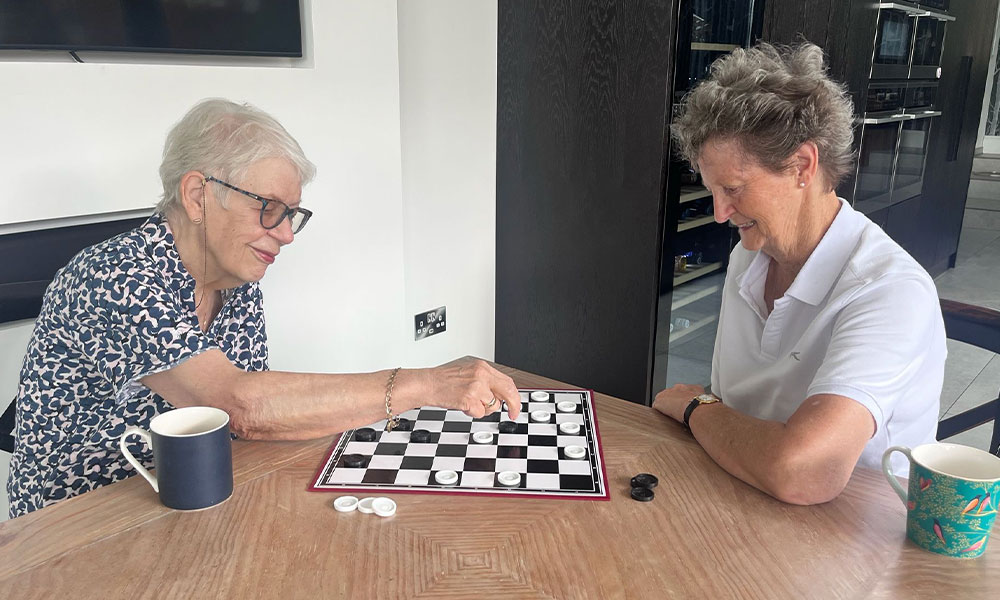
Share an interest at home
You may prefer doing something together to sitting down for a conversation with no particular starting point.
- Choose music, a game, a recipe or another familiar interest.
- Set things up where you can sit comfortably.
- Keep the activity short enough to enjoy without feeling rushed.
The activity does not need to be impressive or productive. It is an opportunity to spend time together in a way you choose.

Try a local activity at your own pace
A shared interest can give a first visit a purpose, whether that is a book group, lunch club or community gathering.
- Ask what a typical session involves.
- Find out who welcomes new people.
- Consider going with someone you know the first time.
You could ask to watch before joining in. The NHS loneliness guidance includes this as an option if you feel nervous.
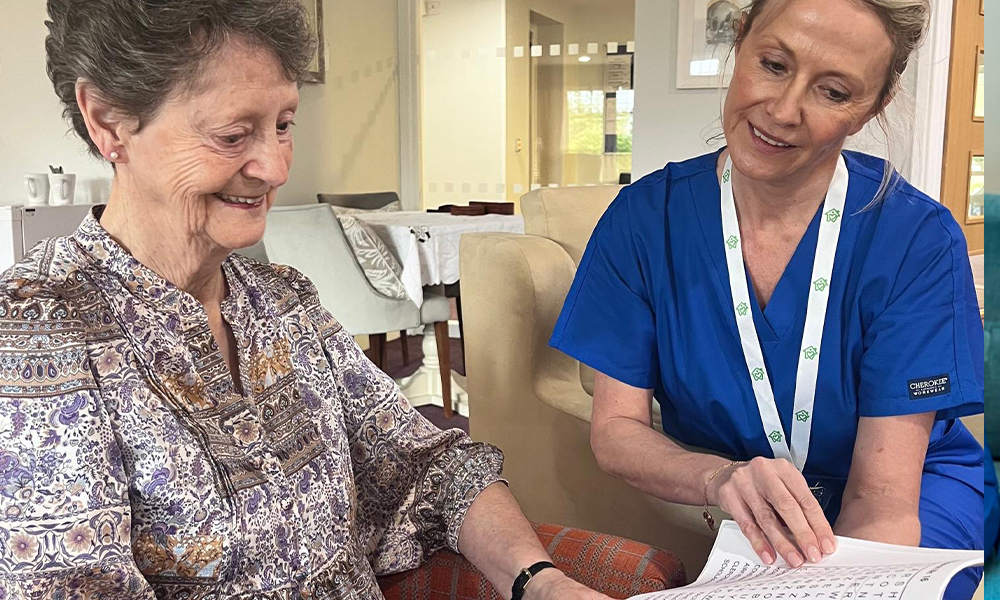
Explore friendship services
A befriending service may offer regular conversation with a volunteer, by telephone or through visits where available.
- Ask how people are matched and introduced.
- Check whether calls or visits follow a regular pattern.
- Find out what happens if the match does not feel comfortable.
Age UK’s friendship services explain telephone and local visiting options. Availability and the type of support differ between services.
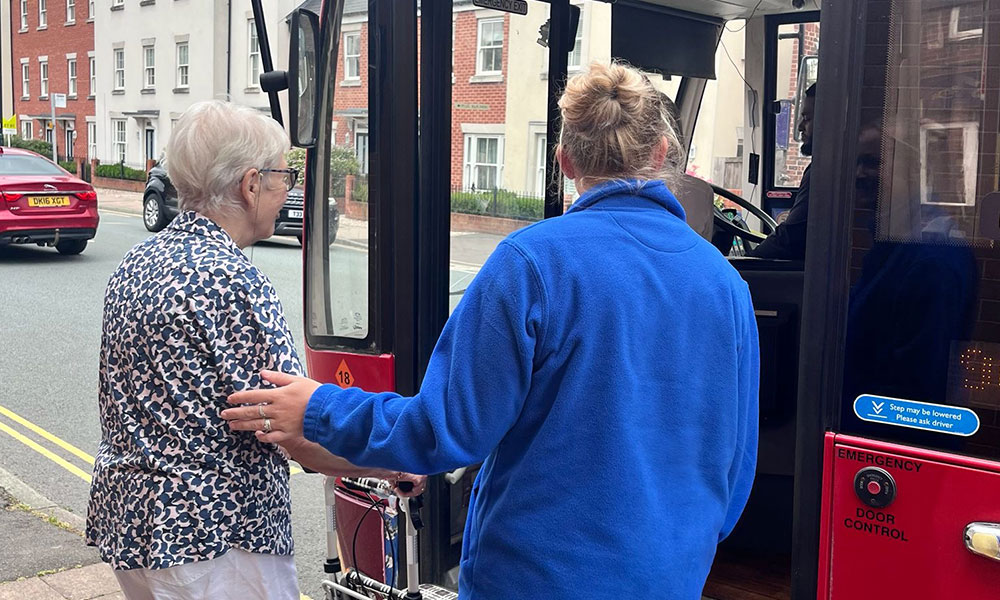
Get help with the practical barriers
Wanting to join in and being able to get there are different things. Identify what would make the next step easier.
- Check transport, steps, toilets and places to rest.
- Ask about quieter sessions or communication support.
- Explain any assistance you would need during the activity.
If finding a suitable option feels difficult, ask your GP practice about social prescribing: help to connect with local, non-medical support.
Befriending, sitting support or paid companionship?
Understand what each option can offer
The right choice depends on whether you want conversation, help joining activities, support while a family carer takes a break, or assistance with everyday tasks. Service names can overlap, so ask what the arrangement includes rather than relying on its label.
Befriending and community activities
These can provide opportunities to meet people and build regular contact around shared interests.
A befriending scheme usually connects someone with a volunteer for conversation or agreed activities. Some work by phone; others offer visits or help with outings. Age UK explains that local services vary, so check the offer in your own area.
A group offers a different experience: meeting several people through an activity, a meal or a shared interest. Ask about the atmosphere, group size and what happens on a first visit. A quiet gathering may suit someone who would find a crowded event tiring.
Some options are free, while others charge for sessions, meals or transport. There may be age or area restrictions, a referral process or a wait for a suitable volunteer. Ask how long support lasts and whether you can enquire for yourself.
Be clear about any help needed with getting around, using the toilet or taking medicines. An activity organiser or volunteer may not be able to provide it; agree a suitable arrangement before attending.
Paid companionship and sitting support
A planned visit can offer company, with additional help where this has been assessed and agreed.
Paid companionship might involve conversation, a shared hobby or support to go out. Ask about the visit length, who will attend, continuity, charges and what happens if the regular worker is unavailable. The person should have a say in what makes a comfortable match.
A sitting service commonly provides company while an unpaid carer takes a break. The NHS guide to carers’ breaks describes charitable sitting services that may be free or carry a small charge. Paid providers may also offer sitting or respite visits.
Do not assume that a companion or sitter can provide personal care, help someone transfer safely or manage medicines. Explain the person’s needs and ask which tasks the service can undertake, with what training and support.
Request a clear written outline of the arrangement, including extra costs for outings or travel and cancellation terms. Ask how concerns are raised and how the plan can change if someone needs more help.
How to help a loved one who may be lonely
Listen to their preferences before making plans
Try asking, “Is there anything you miss doing?” or “Would you like more company, or is there a different kind of help you would prefer?” Give them time to answer. Someone may want to talk about a loss or change in their life before discussing what to do next.
Look for practical difficulties without assuming you know the reason for them. A noisy room, an awkward bus journey or a session that lasts too long could make an otherwise appealing activity difficult. Ask what would make it more comfortable, and check the details together.
For example, if your relative used to enjoy gardening but no longer wants to attend a large club, they might prefer choosing a plant with one familiar person or tending a windowsill pot together. They may also decide that they would rather try something completely different.
Respect a wish for limited contact. Offer choices without repeatedly pressing the same suggestion, and leave room to revisit it. If practical support at home is part of the discussion, our guide to talking to a loved one about home care can help you approach that conversation with their preferences at the centre.

Where to find companionship and support with loneliness
Independent routes at home and in your local area
These organisations offer starting points for finding conversation, activities or help making a connection. Check the current eligibility and availability before applying: an organisation’s name or office address does not necessarily tell you which places its individual services cover.
Support you can explore from home
A telephone service may be useful if travelling is difficult, or you would prefer to begin with a conversation from home.
The Silver Line offers free, confidential telephone conversation and support for people aged 55 or over. You can call 0800 4 70 80 90 at any time, day or night. This is a helpline you can contact when you want to talk, rather than an appointment with a regular matched caller.
Age UK’s friendship services explain regular telephone friendship and local face-to-face befriending options. Use the service information or local finder to ask what is available to you, whether you meet its criteria and how introductions are arranged.
Omega’s Chatterbox offers free telephone befriending for people experiencing isolation or acute loneliness, including people providing care. It currently reports a waiting list of about six months and a maximum of 26 weeks’ support for new clients. Check its latest information before referring yourself or someone else; it is not counselling or talking therapy.
If there is a wait, ask about other options you can use in the meantime. Tell the organisation about communication needs, suitable call times and any help needed with the referral. A regular friendship service and an available helpline can provide different kinds of contact.
Finding support across our local counties
Start with the area where you live, then check the individual service’s boundaries and practical arrangements.
In Shropshire, Community Resource explains social prescribing and its Buddy System, which helps referred people begin local activities and build confidence to attend independently. Buddy support is for an agreed period. Ask about referral and suitability rather than assuming it provides ongoing companionship visits at home.
For Telford & Wrekin, Age UK Shropshire Telford & Wrekin’s befriending page currently states that this service is for Telford & Wrekin residents only. Check this directly before making an enquiry; it should not be assumed to cover every Shropshire address.
In Herefordshire, Talk Community can help you find local services, activities and community hubs. In Worcestershire, the council’s Community Services Directory lists local groups and support. Contact the organiser to confirm session details, charges, accessibility and whether support is available during your visit.
You can also ask your GP practice about a social prescribing link worker. They help people explore non-medical support in their community. This may be useful when you want more connection but are unsure where to begin.

Companionship with our CM Bespoke Care team
Support built around the people and activities that matter to you
At CM BESPOKE CARE, we take time to understand what a good day looks like for you. That might include company over lunch, someone to share a hobby with, or practical assistance that makes visiting a familiar place possible again.
We can discuss companionship and support with daily routines as part of an agreed care plan. We consider the help needed before, during and after an outing, as well as the activity itself. Our aim is to support your choices and existing relationships, with clear arrangements about the tasks we will undertake.
If you are enquiring for someone else, we want their preferences to shape the conversation wherever possible. We can also agree what updates they would like shared with family. We will explain suitability, availability and costs so you can decide whether our support fits alongside the other options you are considering.
Make a companionship plan that works in everyday life
Try it, review it and ask for further help when needed
A useful plan is specific enough to arrange, but flexible enough to change. Agree what the person wants to try, what support is needed and when you will check how it feels. More appointments are not necessarily better; look for contact that the person values.
Before you arrange a visit or activity
Ask the questions that will help you judge the actual experience, not just the description of the service.
Explain the person’s interests and preferences, then ask:
- Who can use the service, and can we enquire directly?
- Is there a waiting list, and how long does support usually last?
- What does it cost, including travel, meals or cancelled visits?
- How are staff or volunteers checked, trained and supported?
- What practical help is included, and what is outside the service?
- Who should we contact if the arrangement does not feel right?
After the first few calls, visits or sessions, ask what the person enjoyed and what felt difficult. They might prefer a different time, shorter visits or another activity. Agree changes with the organisation instead of continuing an arrangement that does not suit them.
If family or friends are involved, be realistic about what each person can offer. Our guide to practical support for family carers explores sharing responsibilities and looking after yourself alongside the person you support.
When loneliness comes with low mood or distress
Company can be valuable, but someone who is struggling may also need help with their mental health.
The NHS advises speaking to a GP if low mood has lasted more than two weeks, coping feels difficult or things you have tried are not helping. You do not need to wait for a friendship service to become available before asking for help.
In England, you can also refer yourself to NHS talking therapies for anxiety and depression without a GP referral. The NHS loneliness page explains this route. A befriender or care worker can listen and support agreed everyday needs, but does not replace mental-health treatment.
If you need urgent help and it is not an emergency, call NHS 111 or ask for an urgent GP appointment. If someone is in immediate danger or has seriously harmed themselves, call 999 or go to A&E.
For further reading, Mind’s loneliness advice offers ideas you can explore at your own pace, and Age UK’s friendship information explains ways to find conversation and local contact. Choose the next step that addresses what you need now.
Frequently asked questions about loneliness and companionship
Home care in your area
Looking for support at home for yourself or someone you love? Explore our home care services across Shropshire, Herefordshire and Worcestershire, or talk to our team about the support available where you live.
Not sure whether we cover your location? Contact our team to discuss care in your area.
Home care in Shropshire
Home care in Herefordshire
Home care in Worcestershire
Related Articles

Eating well at home: practical nutrition tips for older adults
Shopping, cooking or a smaller appetite can make eating well at home more difficult. Explore practical meal ideas, ways to offer support without taking over, and when changes in eating, drinking or weight need advice from a healthcare professional.

Person-centred home care: care plans, dignity and working together
Person-centred home care starts with the person and the life they want to lead. This guide explains how care plans can turn wishes into practical support, protect dignity and choice, and help families, carers and healthcare professionals work together when needs change.
Talk to us about companionship at home
Tell us what you would like everyday life to include
Finding more connection starts with understanding what is missing and what would feel welcome. That might be a regular conversation, the chance to share an interest or practical help getting out. Befriending and community activities may offer what you need; paid companionship is another option when a planned visit or additional assistance would be useful.
If you would like to explore support from CM BESPOKE CARE, tell us about the things you enjoy, when company would make a difference and anything that currently makes those moments difficult. If you are enquiring for a relative, share what they have said they would like, as well as your own concerns.
Our team can discuss suitable visits, the practical help involved and how an arrangement could fit around existing friends, family and activities. We will explain availability and costs, giving you space to decide whether it feels like the right next step.