




Eating well in later life: start with everyday life
Find out what would make meals easier to enjoy
Perhaps cooking for one has started to feel like a lot of effort, carrying groceries is difficult, or meals no longer appeal as they once did. If you are helping a relative, you may notice food left in the fridge without knowing whether the difficulty is shopping, preparing it or wanting to eat.
Begin with a conversation about an ordinary day. Ask what the person enjoys, which tasks they want to keep doing and when help would be welcome. Their budget, cultural or religious food choices, usual routine and any existing dietary advice all deserve a place in the discussion. Help might mean opening a packet while they prepare lunch themselves.
This guide brings together practical food ideas, ways to organise meals and drinks, and advice on responding to changes. A varied everyday diet and support for someone eating too little can involve different choices. If weight keeps falling without an intended change in diet or activity, arrange a GP appointment, as the NHS advises for unintentional weight loss.
Support can come from family, friends, deliveries, community services or agreed home care. At CM Bespoke Care, we start with what matters to the person and the tasks that have become difficult. Use the ideas here to identify a manageable next step, whether that involves paid support or help already available around you.
Eating and drinking well at home: the key points
- Keep choice central. Start with familiar foods, preferred routines and the help the person actually wants.
- Make meals achievable. Frozen ingredients, tinned foods and suitable ready meals can have a useful place.
- Respond to a smaller appetite. Offer manageable amounts without pressure, and seek advice about persistent changes.
- Follow individual guidance. Dietary restrictions, allergies and prescribed drinking or swallowing plans still apply.
- Take changes seriously. Unplanned weight loss and swallowing difficulties need appropriate professional help.
- Share the practical work. Agree who will shop, prepare food or provide company, including a backup arrangement.
Six ways to make meals more manageable
Choose the changes that fit your household
You do not need to reorganise every meal at once. Start with the part of the day that feels most difficult, keeping the person involved in deciding what to try. These ideas concern everyday support; existing clinical advice should guide any special dietary needs.
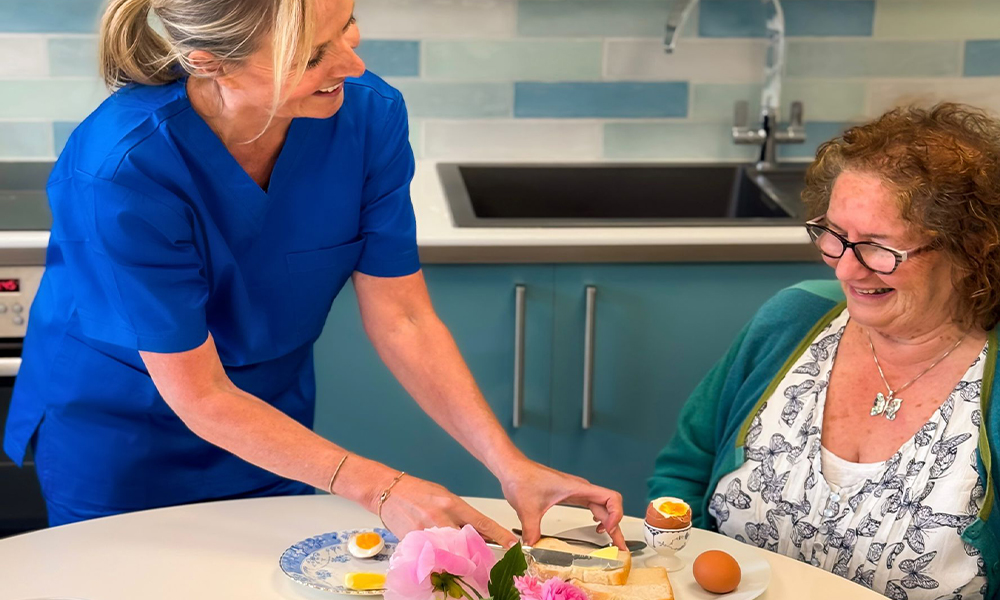
Keep familiar food choices
Ask what sounds enjoyable before planning meals on someone else’s behalf. A favourite breakfast or familiar seasoning can be a useful starting point.
- Offer a small choice of meals.
- Ask about preferred times and portions.
- Respect cultural choices and dietary guidance.
Agree which parts the person wants to do themselves. Choosing ingredients or arranging the table can remain their decision even when someone else cooks.
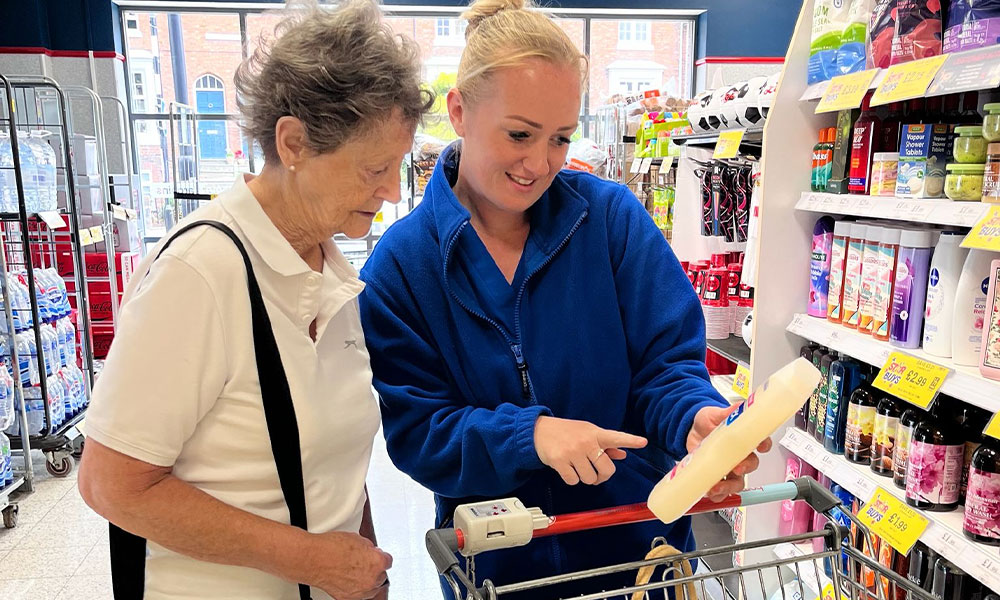
Make the shopping work
Build a short list around meals the person actually wants. Check what is already at home before ordering more of the same food.
- Include a few easy backup meals.
- Compare pack sizes and total cost.
- Agree who unpacks any delivery.
A full fridge does not tell you whether meals are manageable. Ask whether packaging, storage or carrying food from the kitchen is getting in the way.
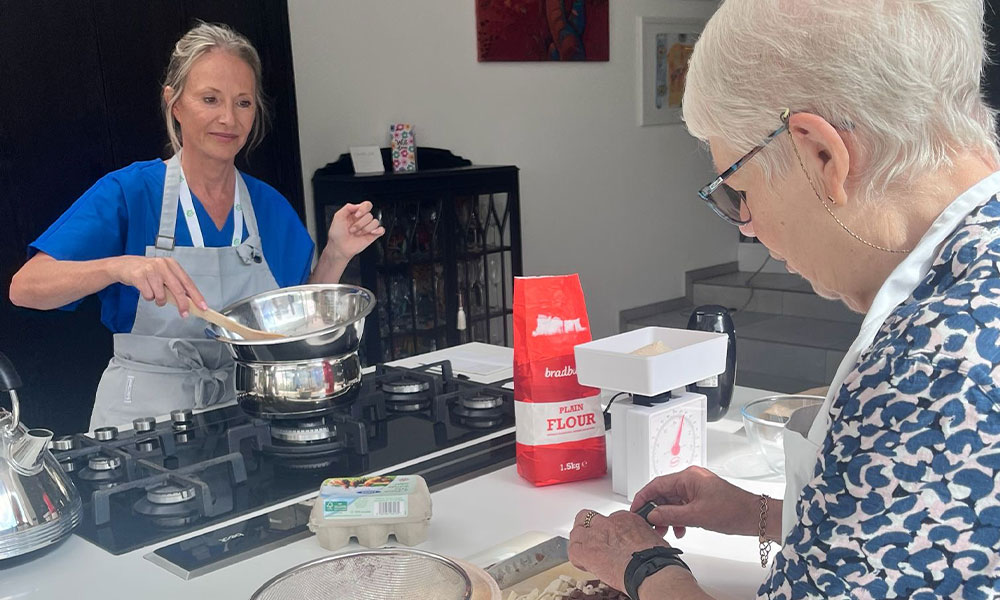
Reduce preparation effort
Separate the enjoyment of a meal from the amount of work needed to make it. Some days may suit cooking together; others need a quicker option.
- Keep useful frozen or tinned ingredients.
- Choose meals suited to available equipment.
- Arrange help with awkward packaging.
Think through the whole task, including clearing up. A meal that is straightforward to prepare, serve and tidy away may be easier to repeat.
Offer company if it is wanted
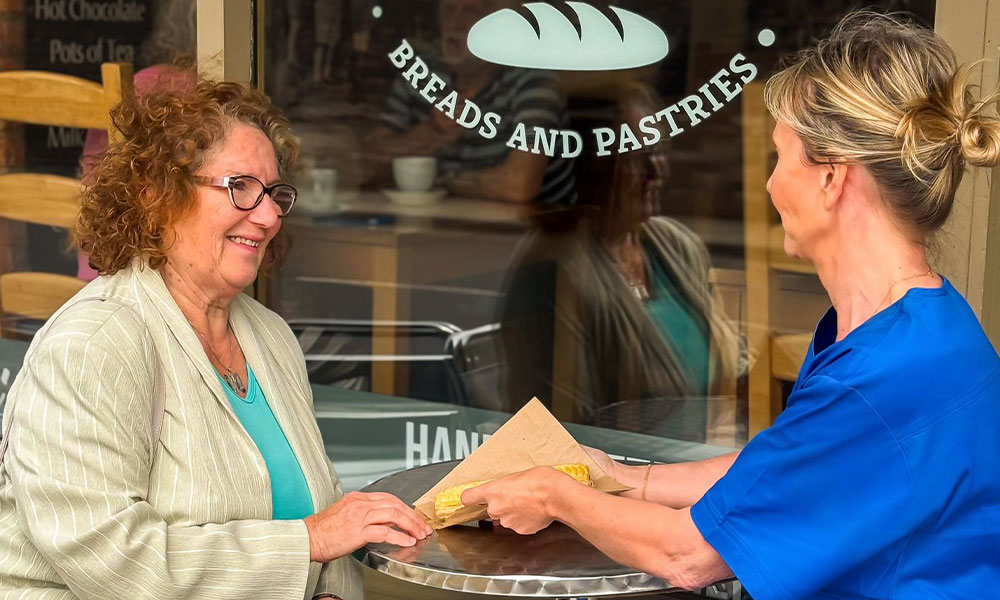
Ask whether someone would enjoy a shared lunch, a familiar café or quiet company at home. Preferences can change from one day to another.
- Choose a time that suits both people.
- Keep outings manageable and affordable.
- Leave room for meals alone by choice.
Our guide to loneliness and companionship explores ways to find connection, including options for people who prefer staying at home.
Agree who is doing what
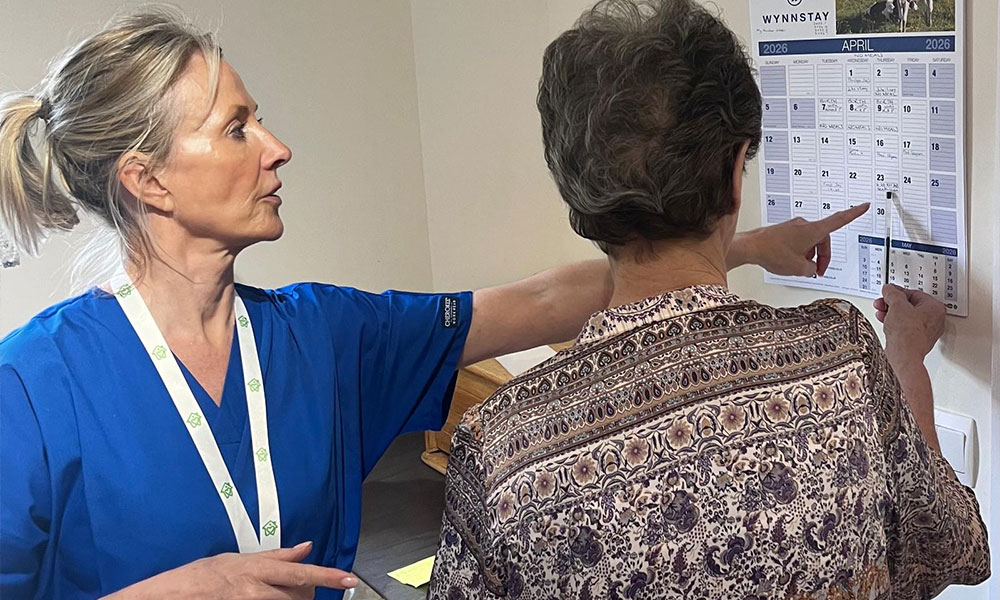
A simple plan can prevent everyone assuming that somebody else has arranged lunch. Use a paper note or shared calendar if the person finds it helpful.
- Name who shops and who prepares food.
- Include visits, deliveries and days out.
- Agree what happens if plans change.
Keep the arrangement realistic. A relative who lives further away might place an agreed order while a nearby friend helps put it away.
Notice changes and talk about them
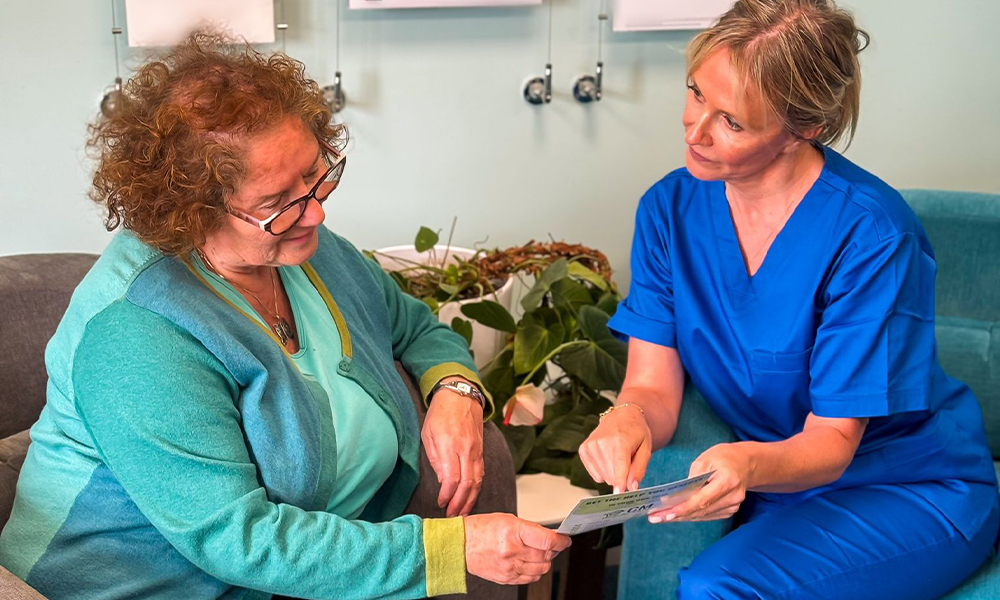
If you are worried, describe what you have noticed without blame. “Lunch seems harder this week” can open a more useful conversation than commenting on every mouthful.
- Ask what feels different.
- Note concerns the person wants to raise.
- Agree who will help arrange advice.
Use the help routes below for ongoing appetite changes, unplanned weight loss or swallowing symptoms. Practical support can continue alongside professional assessment.
Varied meals and a smaller appetite need different attention
Match the approach to what is happening
Eating well does not mean following one menu at every age or in every circumstance. Someone enjoying meals and maintaining their weight may need different advice from someone struggling to eat enough. The British Dietetic Association’s guide to eating, drinking and ageing well provides a useful overview.
Build variety around foods you enjoy
Ordinary ingredients can make a useful meal.
Across meals, include a range of foods such as vegetables and fruit, potatoes or other starchy foods, and protein sources such as beans, lentils, eggs, fish, meat or tofu. Dairy foods and suitable alternatives can also contribute. Age UK’s healthy eating guide explains the main food groups.
Start with meals that already fit the household. You might try an egg with toast, lentil dhal with rice, or fish with potatoes and vegetables, adapting ingredients to preferences and individual dietary needs.
Fresh, frozen and tinned ingredients can all be useful. Think about what is affordable, easy to use and likely to be eaten before buying unfamiliar foods in large quantities.
If someone has a prescribed diet, ask how general advice applies to them. A change in appetite is a reason to review their needs with the appropriate professional, rather than quietly abandoning that plan.
Offer smaller opportunities without pressure
Find out what feels manageable and what has changed.
A smaller serving, with another opportunity to eat later, may feel more approachable than a full plate. Ask which foods appeal and when eating feels easiest. The NHS Cornwall food-first advice for a small appetite offers ideas for people finding it hard to eat enough.
Offer rather than insist. Let the person say what they want, allow an unhurried meal and avoid turning the table into a discussion about everything they have left.
If poor intake continues, arrange advice. A GP or dietitian can assess whether food enrichment or nutritional supplements would help. The NHS explains that malnutrition treatment is tailored to the person; higher-energy choices are not a blanket recommendation for everyone.
Keep existing allergy, dietary and swallowing guidance in view. Do not start a restrictive “healthy eating” regime for someone losing weight, or buy supplements as a substitute for finding out why eating has become difficult.
Make drinks part of the daily routine
Keep preferred drinks accessible and follow individual advice
Ask what the person enjoys drinking and how they prefer it served. A drink alongside breakfast, a visit or a favourite programme can be a practical reminder. Check whether they can comfortably reach, lift and use the cup.
Drinks do not have to be water alone. Tea, coffee and milk can contribute, but the right amount depends on individual needs. Age UK advises people with long-term conditions to discuss fluids with their doctor. Follow any prescribed fluid limit or swallowing plan.
Do not assume that leaving a jug nearby means drinking is easy. Someone may need help opening a bottle, making a hot drink or reaching the toilet. Ask about the difficulty and agree practical help with them.
Get urgent GP advice or contact NHS 111 if there are concerning signs of dehydration, such as peeing much less than usual or dizziness on standing that does not go away. The NHS dehydration guidance explains urgent symptoms and when emergency help is needed.

When eating or drinking changes, know who to contact
Practical adjustments and professional advice can work together
It is reasonable to ask for help before you understand the cause of a change. Explain what is happening in everyday terms: meals left untouched, pain when chewing, a looser waistband or coughing during drinks. The urgency depends on the symptoms, as the two routes below explain.
Ask about ongoing appetite or weight changes
Unplanned weight loss deserves a GP appointment.
If weight keeps falling without an intended change in eating or activity, contact the GP. Seek an appointment as soon as possible if other symptoms accompany it. The NHS guidance on unintentional weight loss explains this advice; you do not need to reach a particular amount of weight loss before asking.
Raise a persistent loss of appetite or concern that someone is not getting enough food. The NHS malnutrition guidance describes poor intake and unintended weight loss as reasons for assessment. You do not need to diagnose the problem yourself.
If teeth, mouth discomfort or dentures make eating difficult, ask a dentist for advice. If a medicine seems to be affecting appetite, ask the pharmacist or prescriber rather than stopping it yourself. Mention both issues when discussing changes in eating.
For difficulty using utensils or managing kitchen tasks, ask the GP or local council about occupational therapy. A dietitian can advise on nutritional needs; practical equipment and clinical nutrition advice address different parts of the problem.
Act promptly on swallowing difficulties
Swallowing symptoms need assessment, rather than a new recipe.
Ask for an urgent GP appointment or get help from NHS 111 if someone has difficulty swallowing, coughs or chokes when eating or drinking, feels food is stuck, or has a wet, gurgly voice after meals. These are among the symptoms listed in the NHS swallowing problems guidance.
If someone is severely choking and cannot breathe, speak or cough effectively, they need immediate first aid and emergency help. Call 999 or 112 and follow the call handler’s instructions. St John Ambulance explains choking first aid.
A speech and language therapist may assess swallowing and recommend an individual plan, with dietetic advice where needed. Follow the current plan; do not improvise thickened drinks or alter food textures to try to solve a new swallowing problem.
Tell everyone who helps with meals where the latest professional instructions are kept. Ask the clinical team to explain anything unclear, including what to do if symptoms change.

How our team can help with meals at home
Practical support built around familiar preferences
At CM Bespoke Care, we can discuss the parts of eating and drinking that have become difficult: planning shopping, preparing a preferred meal, making drinks or having company during a visit. We agree support through assessment and record preferences and relevant dietary guidance in the care plan.
Our practitioners can help with agreed everyday tasks and record and report concerns about changes in intake. We follow the appropriate professional guidance already in place. Diagnosing the cause of weight loss, prescribing nutritional treatment and assessing swallowing remain the responsibilities of the relevant healthcare professionals.
If the person who usually prepares meals needs time away, respite care at home may help maintain agreed routines. Where support is needed across more of the day, live-in care may be worth discussing as part of a wider assessment. Suitability, the home arrangements and practitioner availability all need to be considered.
Make a plan that works beyond the next meal
Share responsibilities and know where to find advice
A useful plan says what the person wants, which tasks need help and who has agreed to do them. Keep it short enough to use, and make room for changes in appetite, energy or the support available.
Choose reliable help and a backup
Be specific about what support actually includes.
A relative might bring shopping, a neighbour might share lunch, or a delivery service might provide prepared food. Check who will put food away, heat and serve it where needed, and clear up afterwards. Delivering a meal and helping someone eat it are different services.
Ask local community groups, meal providers or the council what is available. The NHS guide to supporting someone with eating describes help with meals, including council and private provision. Check local availability, eligibility, charges and any assessment requirements.
Before booking, ask about dietary needs, delivery times, packaging and what happens if nobody answers the door. If transport is needed for a lunch club, confirm that separately. Do not assume those arrangements are included.
Agree a backup for missed visits or illness, and make sure the usual helper has time away. Our guide to caring for a family member explores sharing responsibilities and support for the person providing care.
Bring useful observations and questions
Describe the change and what you would like help with.
Before an appointment, write down when the difficulty began, what the person says about it and any practical barriers. Bring the current medicine list and relevant dietary instructions. If weight records already exist, take them along; do not delay asking for help while collecting more information.
Ask what needs checking, whether a referral would help and who to contact if things worsen. If advice changes, ask for a clear written plan that the person and those supporting them can understand.
For independent reading, the British Dietetic Association’s ageing-well guide covers food and personal preferences; NHS advice for people helping with meals covers everyday support; and NHS information on malnutrition treatment explains the role of individual nutritional advice.
Use these resources to prepare questions, alongside the advice given for the person’s own circumstances. Agree who will follow up any referral or practical change, so the next step has a clear owner.
Frequently asked questions about eating well at home
Home care in your area
Looking for support at home for yourself or someone you love? Explore our home care services across Shropshire, Herefordshire and Worcestershire, or talk to our team about the support available where you live.
Not sure whether we cover your location? Contact our team to discuss care in your area.
Home care in Shropshire
Home care in Herefordshire
Home care in Worcestershire
Related Articles

Understanding and arranging home care: a guide for families
Arranging home care starts with understanding the help you need and how it will work day to day. Our guide explains your options, assessment routes and practical ways to compare providers, agree a care plan and prepare for support to begin.

Caring for a family member: practical support and looking after yourself
Caring for a family member can bring practical questions and changing responsibilities. Our guide explains how to share everyday tasks, find support as an unpaid carer and make room for your own wellbeing, including what to do when caring feels too much.
Loneliness and companionship: finding connection at home
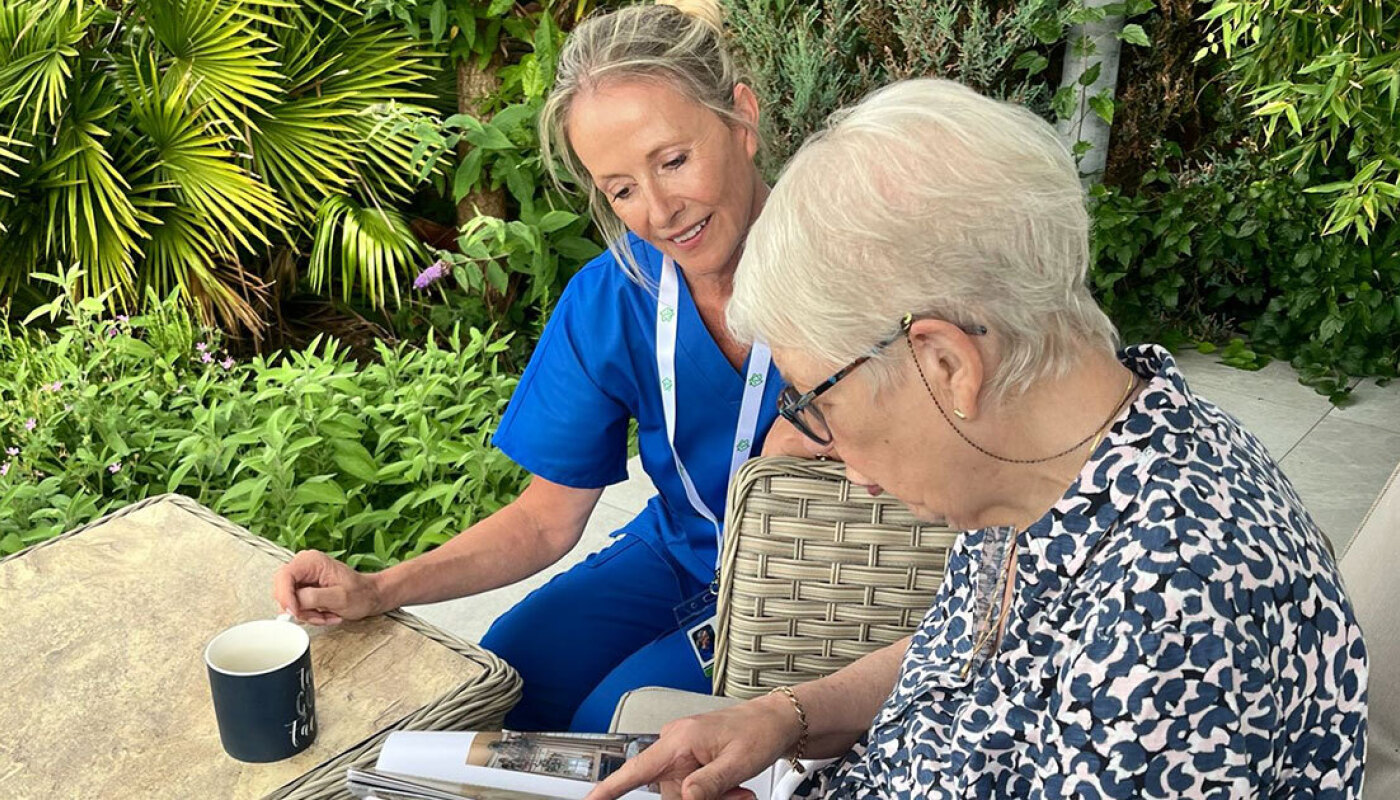
Feeling lonely at home, or worried about someone you love? Explore practical ways to build connection, understand befriending and companionship options, and find national and local support that fits around the person’s interests, preferences and everyday life.
Talk to us about making mealtimes easier
Start with the part of the day that needs more support
Eating well at home begins with understanding what the person enjoys and what has become difficult. A more manageable shop, an easier lunch or help preparing a favourite meal can be a useful practical starting point. Changes in appetite, weight or swallowing also deserve the right professional attention.
Your household may already have most of the support it needs, with one gap that keeps causing difficulty. Perhaps someone can order groceries but cannot unpack them, or a family member prepares meals every day and needs a dependable break. Describing that gap can make the options easier to discuss.
If you would like to explore help from CM Bespoke Care, tell us about the person’s preferences, usual routine, existing support and any professional dietary guidance. We can talk through the practical help being considered, explain our assessment process and discuss whether an arrangement could suit the person and household.