




Hot weather at home: start with everyday life
Find out what might become difficult before the temperature rises
Perhaps the bedroom stays warm overnight, getting a drink means an awkward trip to the kitchen, or a relative lives alone and finds it hard to change their usual routine. Preparation begins with those ordinary details. Ask what the person wants help with, which room feels most comfortable and who could lend a hand.
Anyone can become unwell in the heat. The NHS hot-weather guide identifies older people, particularly those aged 65 and over, among the groups at higher risk. Long-term conditions, some medicines and needing help with everyday tasks can add to that risk. A person’s health, home and available support matter together.
This guide helps you prepare supplies and check-ins, keep rooms cooler, make drinking easier and respond to worrying changes. It offers general advice for England, alongside the person’s own clinical instructions. A prescribed fluid limit or swallowing plan still applies in hot weather; ask the relevant healthcare team how to manage it rather than following a general drinking target.
Support might come from family, neighbours, deliveries or agreed home care. At CM Bespoke Care, practical help starts with the person’s choices and the tasks they need assistance with. Paid support is one option; a relative arranging groceries or a neighbour making an agreed visit may also resolve a particular difficulty.
Hot-weather support at a glance
- Prepare early. Check the forecast and agree who will help, including a backup.
- Keep surroundings cooler. Shade sunny windows and ventilate when the outside air is cooler and it is safe.
- Make drinking easier. Offer suitable drinks regularly and check that the person can reach and use them.
- Follow individual advice. Fluid limits, swallowing plans and medicine instructions remain important.
- Notice changes. New symptoms need attention, rather than an assumption that they are simply part of ageing.
- Know the help routes. Use NHS 111 for urgent advice and call 999 for an emergency, as explained below.
Six ways to prepare for a warmer day
Choose useful changes that the person wants and can manage
Preparation does not have to mean taking over someone’s day. Work together on the parts that may become harder in the heat, and keep existing dietary, drinking and swallowing instructions in view when planning food and drinks.
Plan around the forecast
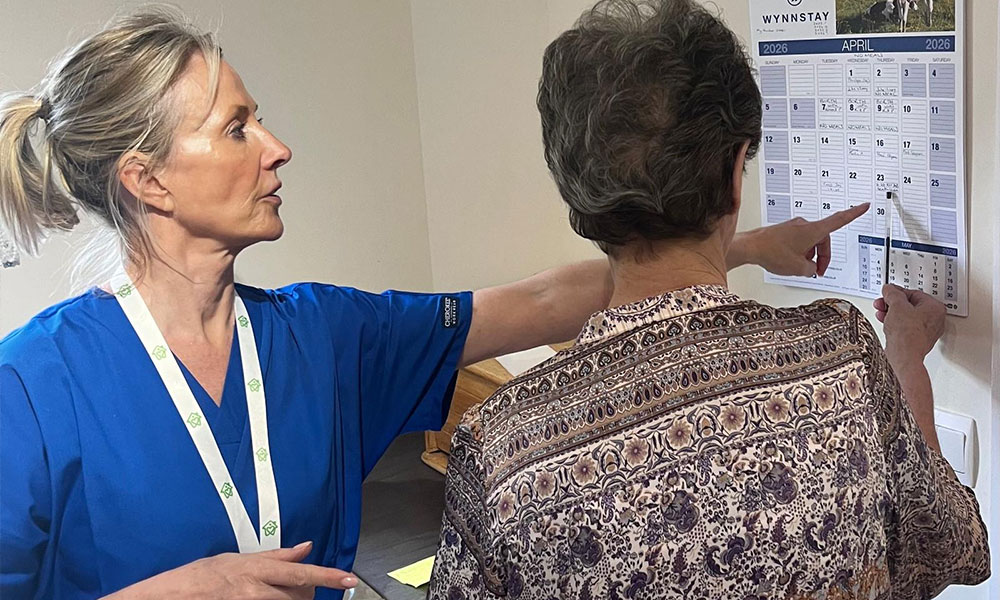
Look ahead before arranging shopping, appointments or a visit. Agree who will check the forecast and share any change that affects the day.
- Choose suitable times for essential tasks.
- Allow time to rest between activities.
- Have a backup if a visit is cancelled.
A shared calendar or a short paper note can help everyone see what has been agreed.
Make comfortable clothing easy to choose
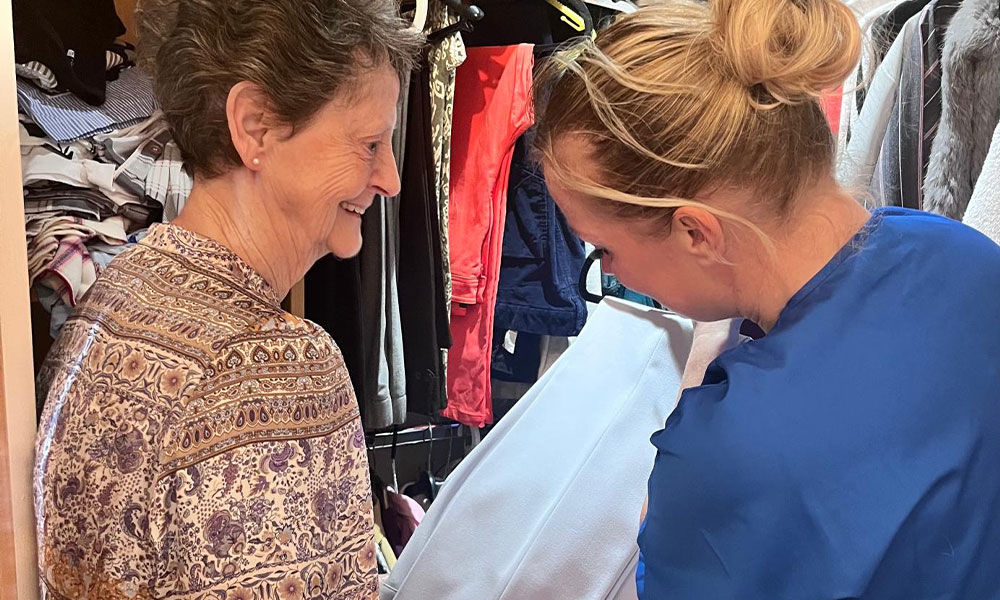
Put preferred lightweight, loose clothing within easy reach. Ask what feels comfortable rather than choosing on the person’s behalf.
- Offer a small choice of suitable outfits.
- Keep a sun hat ready for outings.
- Arrange dressing help if it is wanted.
Leave room for personal preferences and for the person to change their mind during the day.
Make drinks part of familiar routines
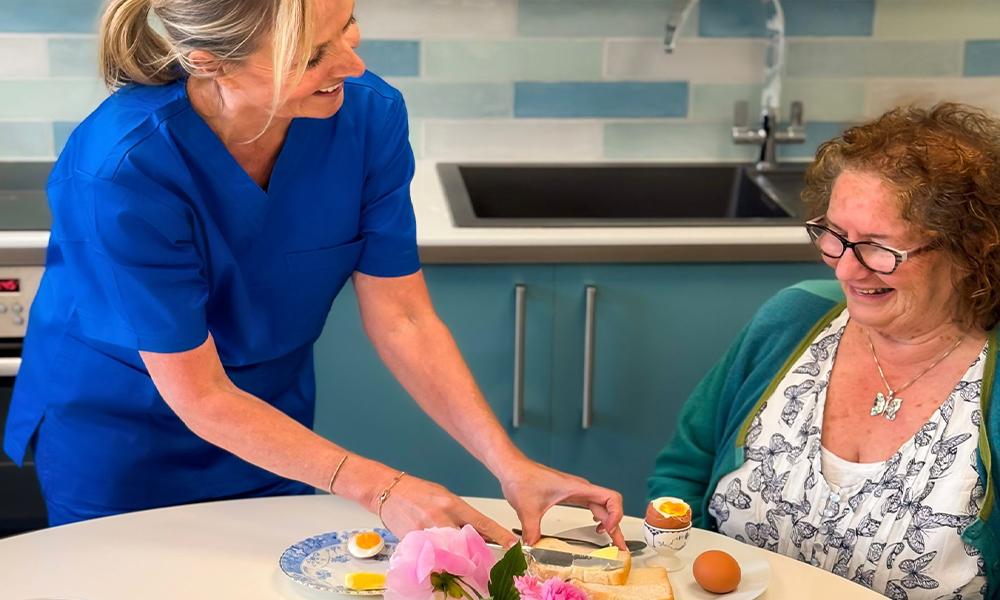
Ask which suitable drinks the person enjoys and how they prefer them served. A drink with breakfast or a visit can provide a useful reminder.
- Offer manageable amounts regularly.
- Check the cup is comfortable to use.
- Keep drinks where they can be reached.
A full jug is useful only if the person can pour from it and drink safely.
Arrange food and essentials in advance
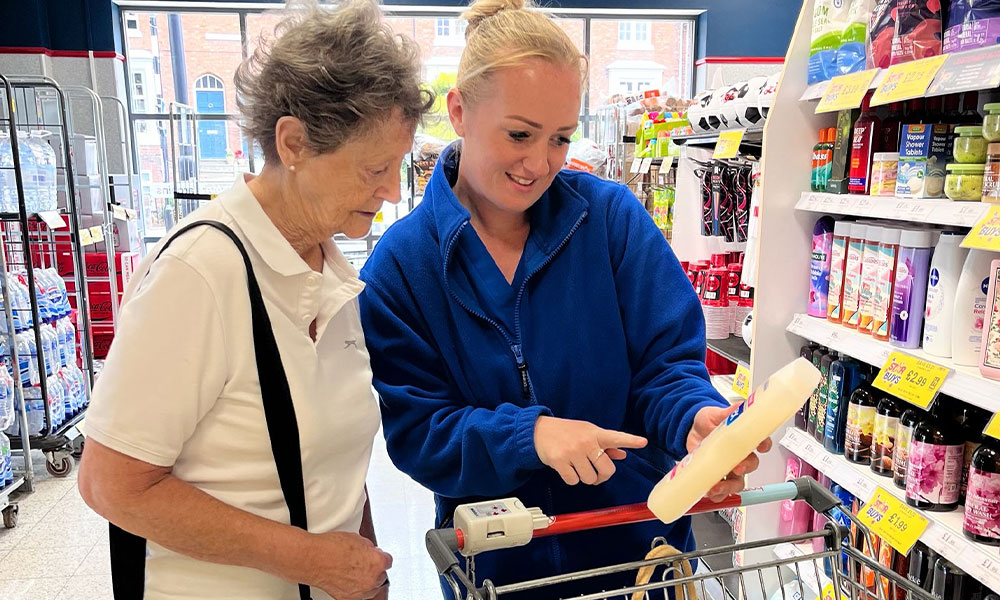
Check what is already at home and agree a short shopping list. Think about opening packets and putting deliveries away as well as ordering them.
- Include preferred drinks and easy meals.
- Check fridge space before buying more.
- Name who will unpack any delivery.
Suitable water-rich foods can contribute to fluid intake, but must fit any dietary or swallowing plan.
Choose a comfortable time to go out
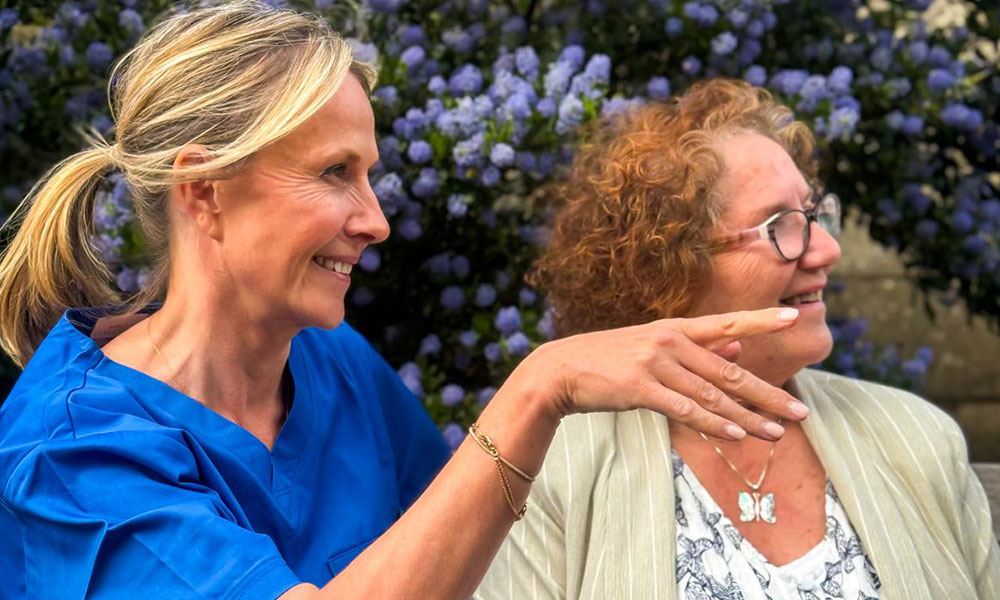
Look at the day’s conditions before planning a garden visit or an outing. Staying home may be the more manageable choice on a very hot day.
- Choose cooler times where possible.
- Plan shade and an easy return home.
- Take suitable drinks and sun protection.
Keep the outing flexible so the person can rest, shorten it or decide against it.
Agree how to keep in touch
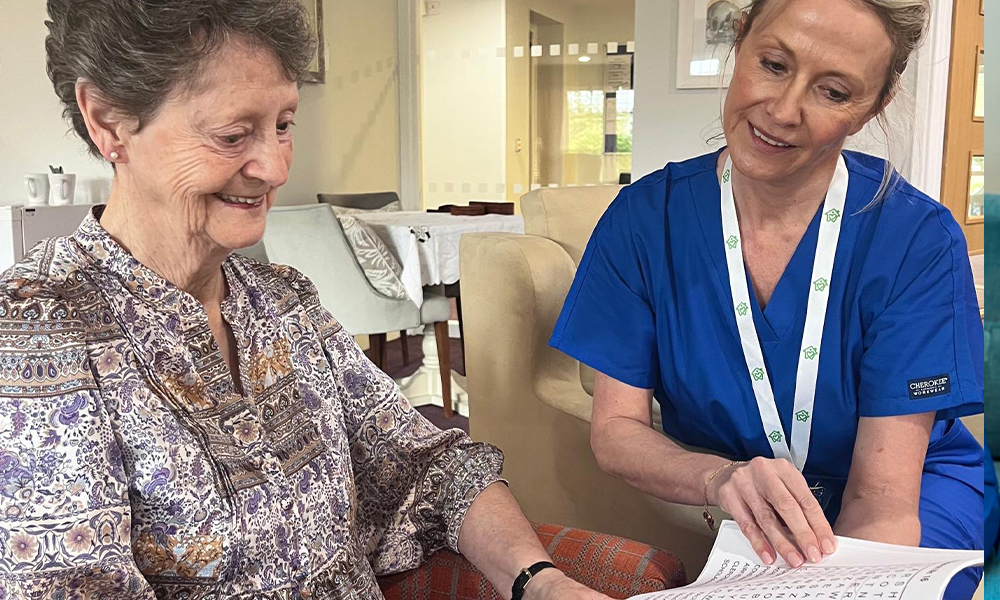
Ask what contact would be welcome and practical. A call may suit one person; someone who needs help with drinks or the home may need a visit.
- Name who will make each check-in.
- Keep a charged phone within reach.
- Agree what to do if nobody answers.
A contact plan should explain who can respond, rather than simply promising that someone will call.
Keep the home and the person cooler
Think about shade, airflow and everyday comfort together
A room can stay hot even after the sunshine has moved away. Notice where heat builds up during the day and at bedtime, and ask which changes the person can use safely.
Reduce heat building up indoors
Use the difference between indoor and outdoor conditions.
Shade windows that receive direct sun. Keep windows closed while the outside air is hotter, then open them when it is cooler outside and safe to do so. Security, accessible handles and window safety restrictions still matter.
The UK Health Security Agency’s keep-cool-at-home checklist also recommends using a cooler part of the home, reducing heat from unused appliances and cooking at cooler times. Check which room could work for rest or sleep without creating a new mobility difficulty.
Electric fans should be used only when the air temperature is below 35°C. The checklist advises against aiming a fan directly at the body. This is a limit for fan use, not a guarantee that every room below that temperature is comfortable or safe.
Ask for help with changes the person cannot manage alone. If persistent overheating is affecting health, contact the landlord where relevant or the council’s environmental health team; the NHS guide explains that route.
Make cooling comfortable and manageable
Choose measures that fit the person’s usual abilities and support.
Lightweight clothing, lighter bedding and a cool damp cloth can help with comfort. A cool shower may suit someone who can manage it safely; arrange the usual assistance rather than introducing an unfamiliar bathing routine.
Age UK’s hot-weather guide includes practical ideas for home and bedtime. Ask whether a cooler room is usable: can the person get there, sit comfortably and reach the things they need?
If going out, seek shade, use sun protection and avoid activities that make you hotter. The NHS advises particular care with sun exposure between 11am and 3pm. Check the forecast too, rather than assuming a particular hour will always be cool.
Build in the option to stay indoors or shorten an outing. A shaded bench is helpful only if getting there and back is manageable; arrange essentials so nobody has to make an avoidable journey in uncomfortable heat.
Make drinking easier while respecting choice
Find the difficulty behind a drink left untouched
Leaving water nearby does not explain whether someone can drink it. Ask about the cup, its position, opening a bottle or getting to the toilet. A person may welcome help with one of these tasks while wanting to manage the rest themselves.
Offer suitable drinks at familiar points in the day and allow an unhurried choice. Water or diluted squash may appeal; preferences vary. The NHS dehydration guide suggests making drinks available, offering them with meals and making drinking sociable.
For example, someone might prefer a smaller cup that is easier to lift, with an agreed refill during a visit. This is an illustrative arrangement, not a prescribed drinking schedule. If equipment or swallowing is the difficulty, ask the relevant professional before changing how drinks are offered.
Food and drinks need to work together with the person’s individual advice. Our guide to eating well at home covers shopping, appetite and meal preparation in more detail. Keep hot-weather support focused on what has become difficult now, and seek advice about persistent changes.
Recognise dehydration and heat illness
Know when to seek advice and when to call 999
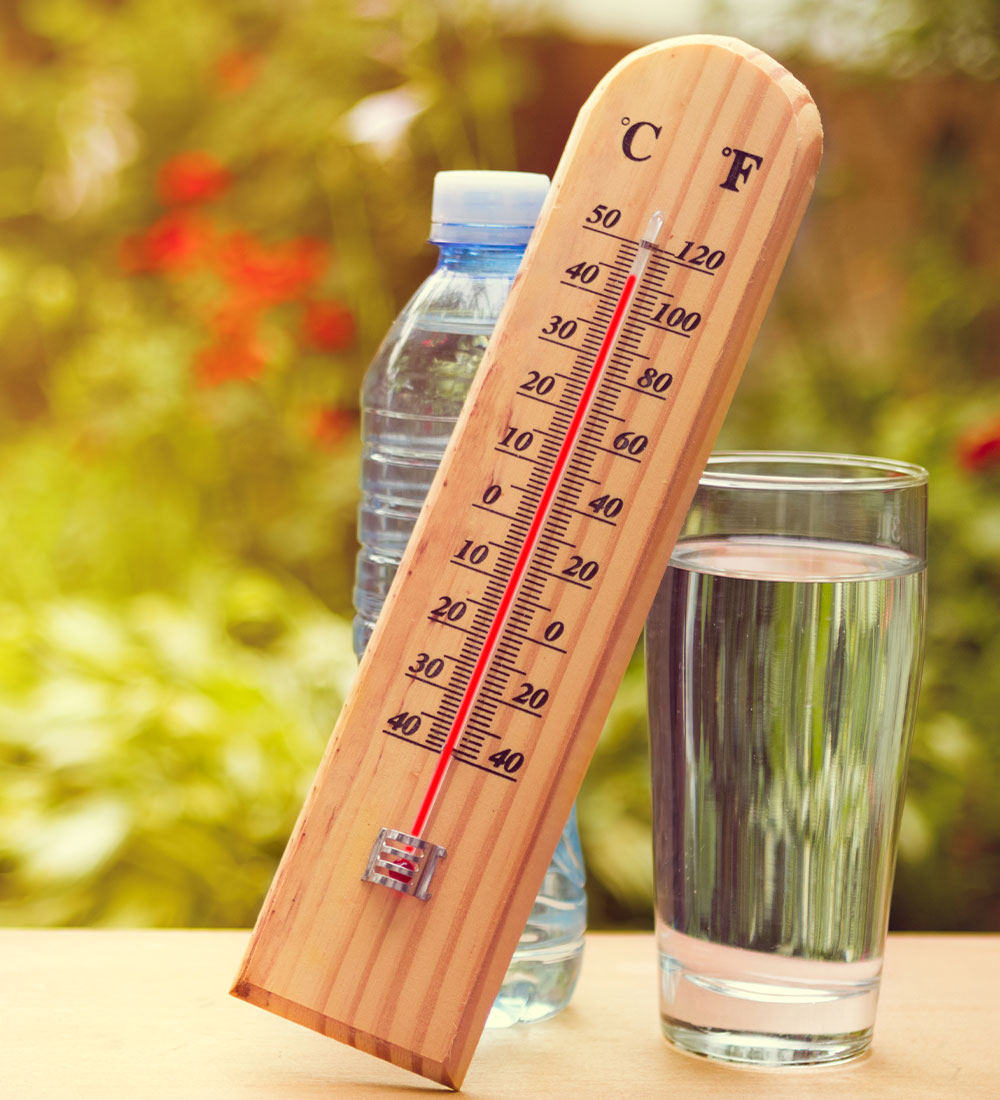
Feeling unwell in hot weather deserves attention. Use the routes below promptly; you do not need to work out the diagnosis first. Heatstroke signs require emergency help immediately, without waiting to see whether a drink helps.
Dehydration: respond to changes
Less urine, dizziness and unusual tiredness can need urgent advice.
Dehydration can cause a dry mouth, thirst, headache, dark urine or peeing less often. Offer suitable fluids if the person can drink safely, following any prescribed plan. The NHS dehydration guidance sets out the symptoms and help routes. The British Dietetic Association cautions that usual dehydration signs are unreliable in older adults; do not use urine colour or thirst alone to decide whether someone is well.
Ask for an urgent GP appointment or contact NHS 111 for unusual tiredness, dizziness on standing that does not go away, dark yellow urine or peeing less than usual, fast breathing or a fast heartbeat.
Call 999 if someone has dehydration signs with confusion, difficulty waking, breathing difficulty, cold skin, or blue, grey, pale or blotchy skin, lips or tongue. Colour changes can be easier to see on palms or soles in brown or black skin.
Describe what has changed and any fluid restriction or swallowing plan when asking for help. Do not assume new confusion is an ordinary part of ageing, or wait for the next planned care visit.
Heat exhaustion and heatstroke: act promptly
Call 999 immediately for suspected heatstroke.
Heat exhaustion can involve tiredness, dizziness, headache, sickness, heavy sweating, clammy skin and cramps. Move to a cooler place, remove unnecessary layers, cool the skin with water and offer a cool drink if the person is alert and can swallow safely. Stay with them. Get NHS 111 advice now if you are struggling to treat the symptoms or need help.
Call 999 for a very high temperature, hot skin without sweating, fast breathing or heartbeat, confusion or poor coordination, a seizure or loss of consciousness. Also call if the person is still unwell after 30 minutes of resting somewhere cool, cooling and drinking. Do not wait 30 minutes when emergency signs are present.
While awaiting the ambulance, follow the call handler’s advice and keep cooling the person with cool water. Do not give drinks to someone unconscious or unable to swallow safely.
The NHS heat exhaustion and heatstroke guidance explains these actions. Its emergency signs matter more than trying to label the illness yourself; do not wait for every sign to appear.

How CM Bespoke Care can help with everyday hot-weather support
Agree practical tasks and clear communication
We can discuss which parts of the day need assistance: preparing preferred drinks and meals, shopping, dressing or companionship. Our home care service provides agreed support at planned visits, with the tasks and individual guidance recorded in the care plan.
A useful conversation includes what happens between visits. We can work with you to clarify the agreed visit pattern, communication and responsibilities, subject to assessment and suitable staffing. Family involvement and updates should reflect the person’s wishes and consent where appropriate.
If drinking needs or health change, the relevant healthcare professional should advise on treatment and clinical instructions. Our care practitioners provide the support agreed within their role and report concerns; emergency symptoms need the medical help described above.
Prepare an individual plan and keep it useful
Bring clinical instructions and practical arrangements together
The best plan is one that people can find, understand and carry out. Make any individual drinking, swallowing or medicine advice available alongside the agreed contact and support arrangements.
Ask about fluid limits, swallowing and medicines
General hot-weather advice must fit the person’s clinical plan.
If a clinician has prescribed a fluid restriction, ask that team how to manage hot weather and what changes should prompt contact. The NHS Specialist Pharmacy Service advises hydration unless a fluid restriction applies. Do not increase the allowance yourself or use a general cups-per-day target. Ask whether particular foods or drinks need to be included in any prescribed record.
For swallowing difficulties, follow the assessed plan for drinks, food textures and equipment. Do not introduce a straw, thin drink or ice lolly simply because it seems easier. The NHS swallowing guidance explains professional assessment and advises urgent GP help or NHS 111 for symptoms such as difficulty swallowing or coughing or choking while eating or drinking.
Continue prescribed medicines unless a healthcare professional advises otherwise. Check the packaging’s storage instructions and ask a pharmacist if you cannot meet them in the heat. Do not put every medicine in a fridge or change doses yourself. UKHSA’s hot-weather guidance explains these precautions.
Write down who gave the current advice and how to contact them. If illness occurs, seek help promptly and tell the professional about the restriction, swallowing needs and medicines rather than trying to resolve conflicting instructions alone.
Share the plan and know where to find advice
Name the people involved and the gaps that still need attention.
Record who will visit or call, who can respond if there is no answer and what happens if a helper is unavailable. Someone living alone at higher risk may need daily contact or more support; the British Geriatrics Society’s guidance emphasises planning around individual risk and existing care arrangements.
Keep emergency and routine contacts easy to find. A relative living further away might arrange groceries, while someone nearby handles an agreed visit. Our guide for family carers can help you think about sharing responsibilities and backup arrangements.
Useful independent starting points are the UKHSA hot-weather guide for preparation, the keep-cool-at-home checklist for surroundings, and the NHS heat-illness guide for symptoms and medical help. Use the person’s healthcare team for questions about their own clinical instructions.
Check whether the plan worked after the hot spell and when needs or helpers change. Keep what was useful, change what was difficult and make sure the person remains involved in decisions.
Frequently asked questions about hot weather and hydration
Home care in your area
Looking for support at home for yourself or someone you love? Explore our home care services across Shropshire, Herefordshire and Worcestershire, or talk to our team about the support available where you live.
Not sure whether we cover your location? Contact our team to discuss care in your area.
Home care in Shropshire
Home care in Herefordshire
Home care in Worcestershire
Related Articles

Caring for a family member: practical support and looking after yourself
Caring for a family member can bring practical questions and changing responsibilities. Our guide explains how to share everyday tasks, find support as an unpaid carer and make room for your own wellbeing, including what to do when caring feels too much.
Loneliness and companionship: finding connection at home
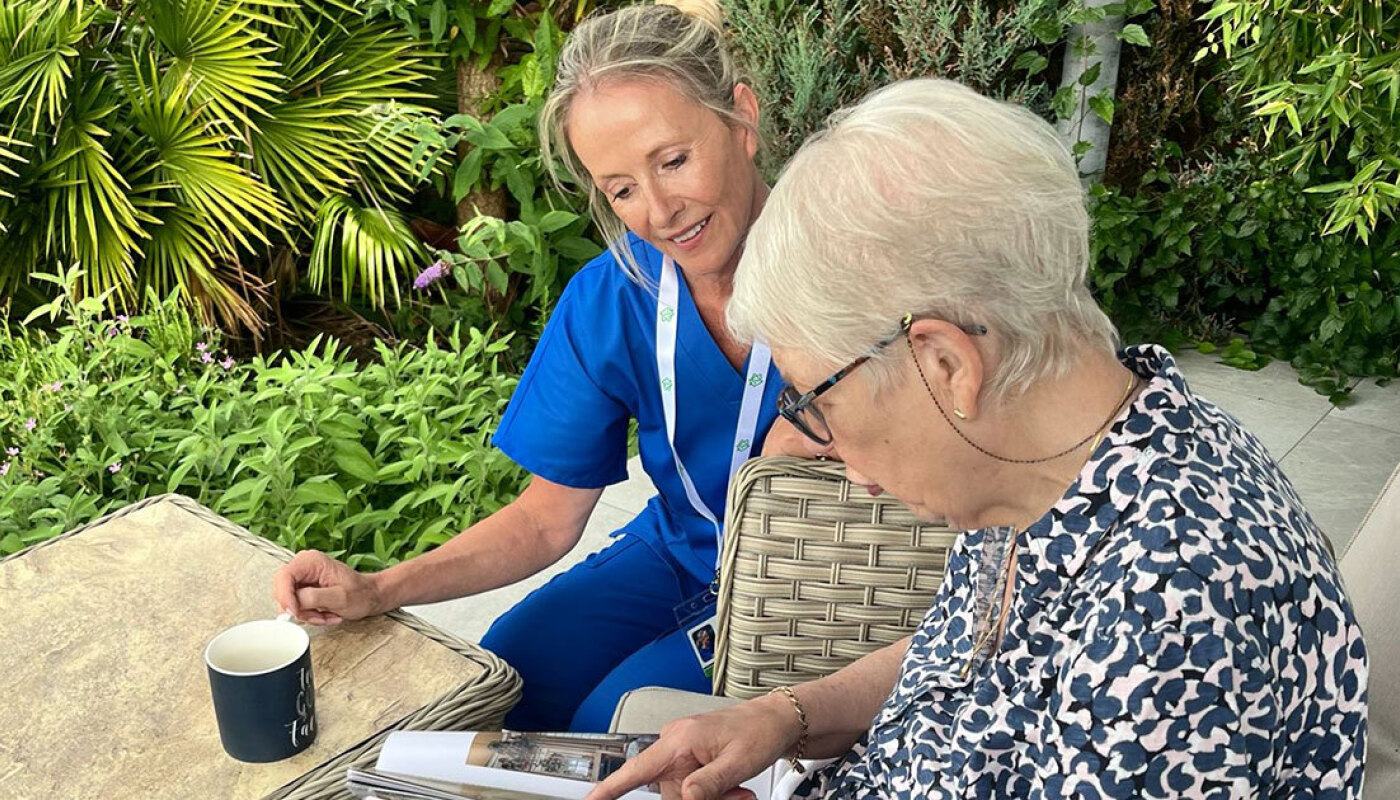
Feeling lonely at home, or worried about someone you love? Explore practical ways to build connection, understand befriending and companionship options, and find national and local support that fits around the person’s interests, preferences and everyday life.
Eating well at home: practical nutrition tips for older adults
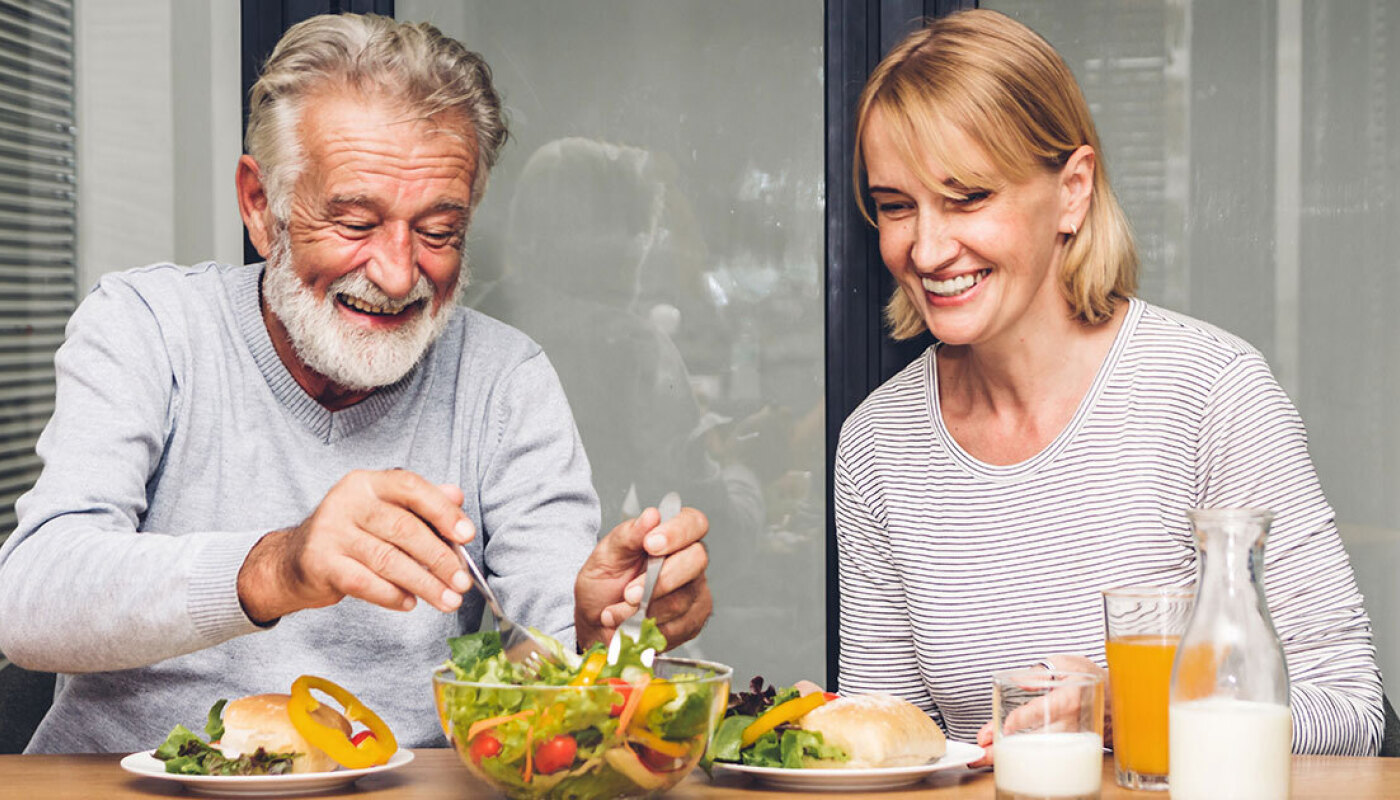
Shopping, cooking or a smaller appetite can make eating well at home more difficult. Explore practical meal ideas, ways to offer support without taking over, and when changes in eating, drinking or weight need advice from a healthcare professional.
Talk about the help that would make warmer days more manageable
Start with a practical difficulty and the support already available
A useful hot-weather plan brings together comfortable surroundings, accessible drinks, individual clinical advice and dependable contact. Begin with the part of the day that is hardest to manage, rather than trying to change everything. Agree who will act and keep medical-help routes easy to find.
You may be arranging support for yourself, helping a relative from a distance or sharing responsibilities with other family members. Identify what the person can manage, what help is already reliable and where there is a gap. That might be preparing drinks, putting shopping away or having someone visit at an agreed time.
If you would like to explore home care, tell CM Bespoke Care where support is needed, which tasks are difficult and what arrangements are already in place. Our team can explain whether an assessment would help you consider suitable support, availability and the responsibilities that need to be agreed.