





How home care can help
Care that fits around the person, their needs, their routines and their home
Looking for care for yourself or someone close to you can feel like a big step, especially when you are still working out what kind of help would make the greatest difference. Home care allows a trained care practitioner to visit at agreed times and support the parts of daily life that have become harder, while the person remains in familiar surroundings.
Support can begin gently, perhaps with one 30-minute visit each week, and increase to several visits across the day if needed. It can be arranged for a short period or as ongoing care, 365 days a year, subject to assessment and suitable staffing.
The aim is to make everyday life feel safer and more manageable without taking over the person’s home, choices or routines.
Home care at a glance
- Free, no-obligation home care assessment
- Visits from 30 minutes
- From one visit a week to several visits a day
- Care available 365 days a year
- Short-term or ongoing support
- Rated Good by the Care Quality Commission
Who home care can support
Support can begin before everyday life reaches crisis point
Home care is not limited to one age, diagnosis or level of need. It may help someone arranging care for themselves, a parent or relative who needs a little extra support, or a couple who want to remain at home together. It can also help a family respond to a sudden change in circumstances.
People and circumstances
Home care may be considered for:
- Older people who want to continue living in familiar surroundings
- Adults living with disabilities, sensory impairments or long-term health conditions
- People living with dementia, Parkinson’s, frailty or reduced mobility
- People recovering after a stroke, illness, operation or hospital stay
- People living alone who would value practical help, companionship or regular reassurance
- Couples who need different levels of support but want to remain at home together
- Families who live at a distance or cannot provide every part of the person’s care
- Family carers who need additional support to make the caring role more manageable
Signs that support may help
It may be time to begin a conversation when:
- Washing, dressing, continence care or getting ready becomes more difficult
- Meals are being missed, or the person is eating and drinking less than usual
- Medication routines are becoming confusing or unreliable
- Moving around has become harder or less secure, or there have been recent falls
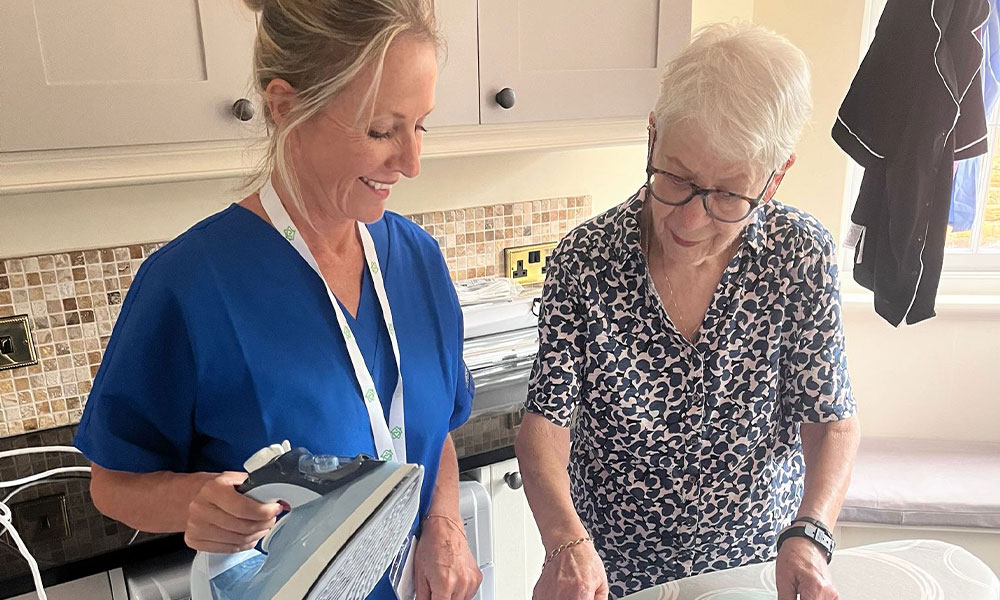
- Shopping, laundry or everyday household tasks are becoming harder to manage
- Someone is increasingly lonely, anxious or unsettled when alone
- Daily life has changed following illness, an operation or hospital admission
- A partner or family carer is becoming tired, unwell or unable to provide the same level of support
What home care can include
Practical help and personal support shaped around the individual
The exact tasks are agreed during the assessment and recorded in a person-centred care plan. Some people need focused help with one part of the day. Others need several visits that combine personal care, medication, meals, practical support and companionship.
Personal care and daily routines
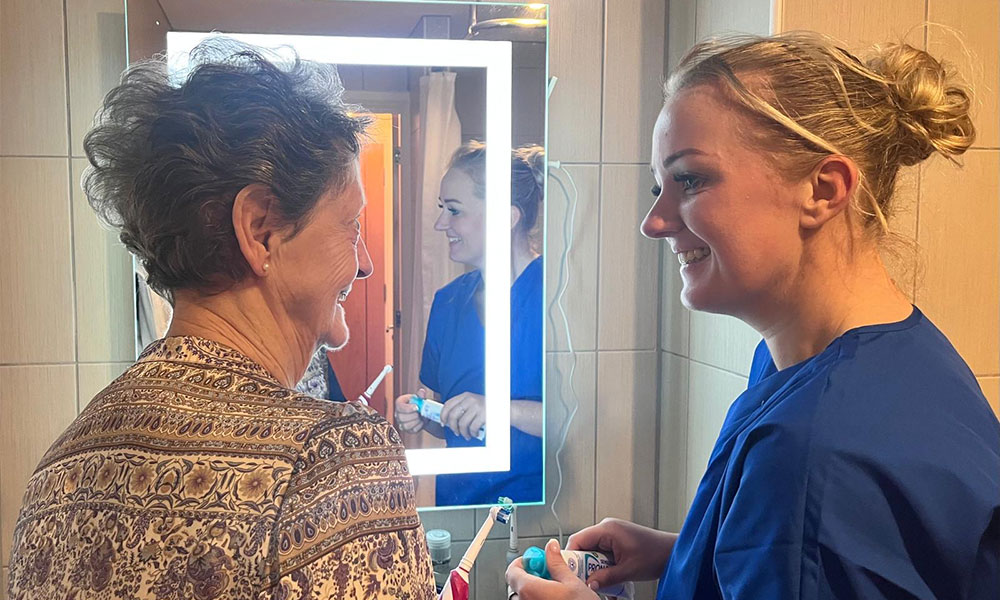
Care practitioners can provide respectful, unhurried support with personal routines, while helping the person retain as much choice and independence as possible, including:
- Washing, showering, bathing, dressing and grooming
- Continence support and assessed catheter, convene or stoma care routines
- Morning, evening and bedtime routines
- Prescribed skin-care routines and compression stockings where included in the care plan
Medication support
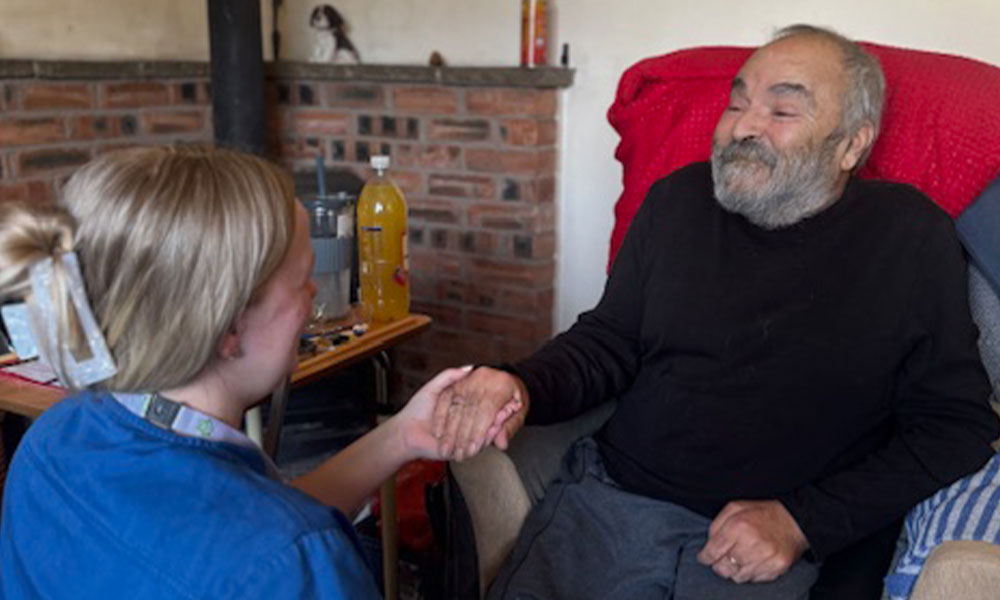
Competency-assessed practitioners can provide prescribed medication support where this is included in the agreed care plan and risk assessment, and the required safeguards are in place, including:
- Tablets, capsules and liquid medication
- Pharmacy-labelled packaging and monitored dosage systems
- Prescribed creams, patches, drops, sprays and inhalers
- PRN or controlled medication where written protocols, storage and safeguards are in place
Meals, nutrition and hydration
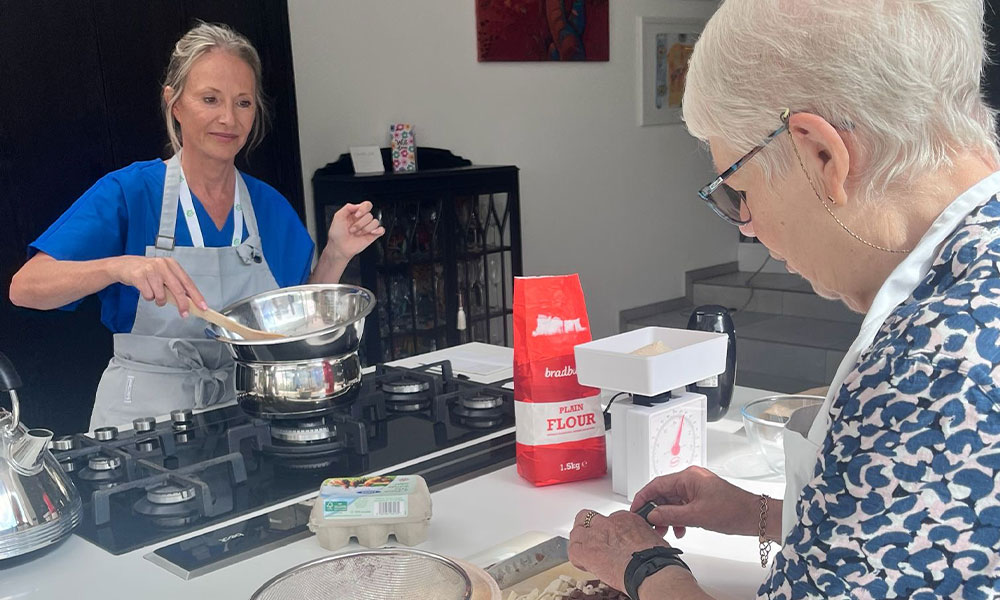
Regular meals and drinks can become harder to manage when energy, memory or mobility changes. Support can be shaped around preferences and dietary guidance, including:
- Planning and preparing preferred meals and drinks
- Encouraging regular eating and drinking, and recording any concerns
- Shopping for groceries and household essentials
- Preparing food around dietary guidance recorded in the care plan
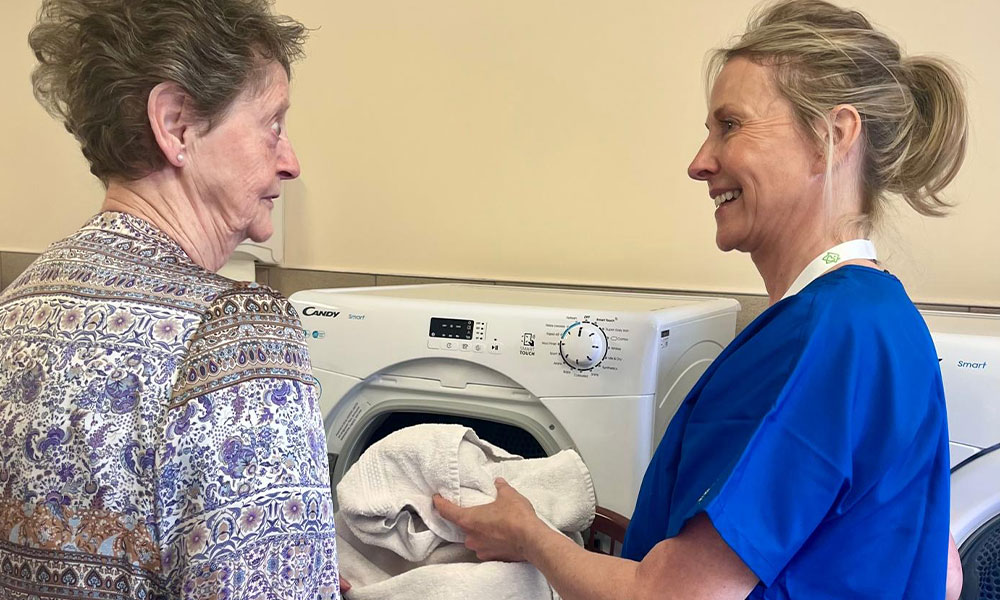
Practical help around the home
Small practical tasks can make the home feel calmer, more comfortable and easier to manage, particularly when energy or mobility is limited, including:
- Light housekeeping, including tidying and cleaning
- Laundry, bed-making and changing linen
- Shopping, errands and collecting prescriptions
- Basic pet care, including dog walking where this is agreed
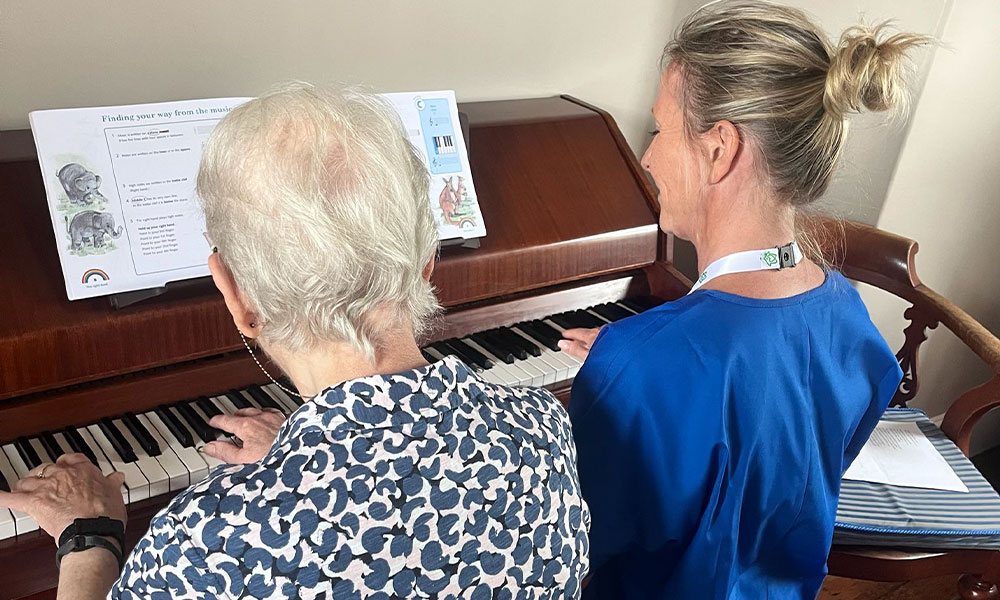
Companionship and social life
A care visit can bring company, reassurance and encouragement, helping the person stay connected to the people, interests and routines that matter, including:
- Conversation, companionship and emotional reassurance
- Support with hobbies, crafts and interests
- Help to maintain friendships, social routines and community connections
- Company for someone living alone or while relatives cannot be nearby
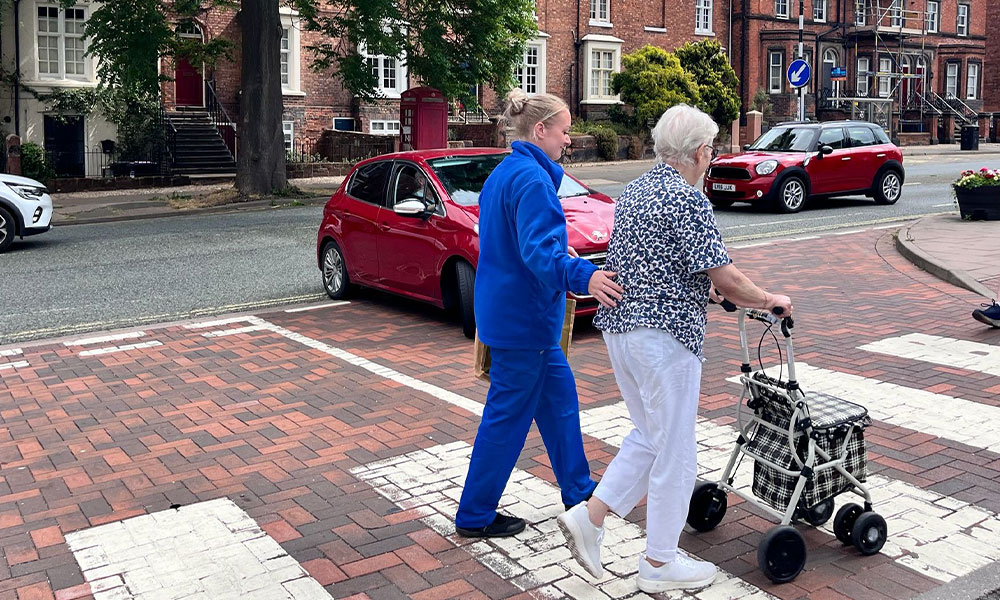
Mobility, appointments and community life
Care can help the person move around with appropriate support and remain connected with appointments, familiar places and community life, including:
- Mobility support and assessed moving or hoisting equipment
- Support to follow exercises or routines recommended by healthcare professionals
- Arranging and attending medical, therapy or community appointments
- Accompanying someone on outings, shopping trips or social activities
Other ways we can support you at home
Care can change as circumstances change
Visiting home care is one way to receive support. The free assessment may identify that a different arrangement would better match the person’s needs, family circumstances or preferred routines.
Live-in Care at Home
One-to-one support from a carefully matched practitioner who lives in the home, with the required space, breaks and overnight rest.
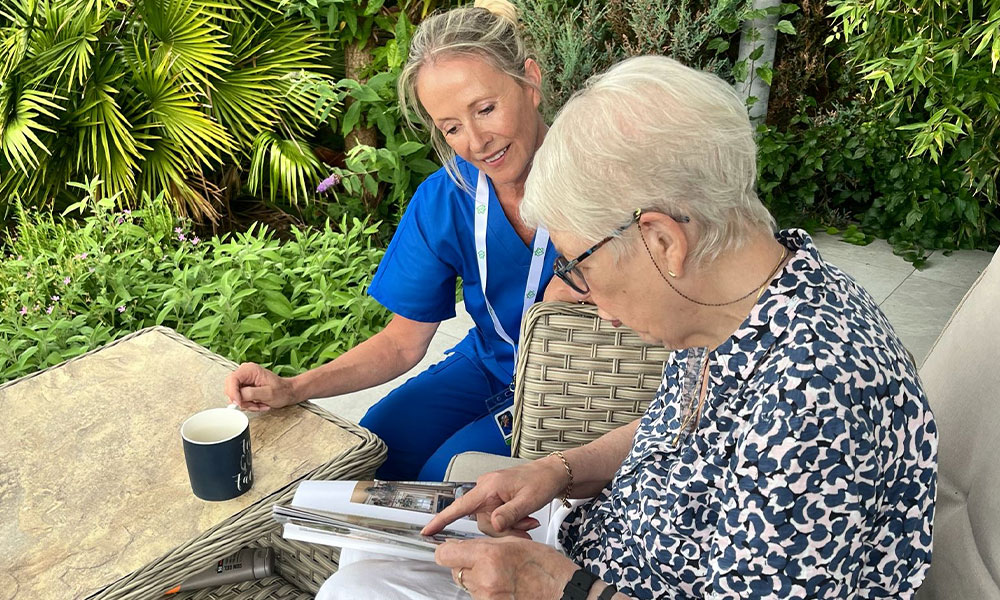
Respite Care at Home
Temporary visiting, overnight or live-in support that allows a family or regular carer to take a planned or necessary break.
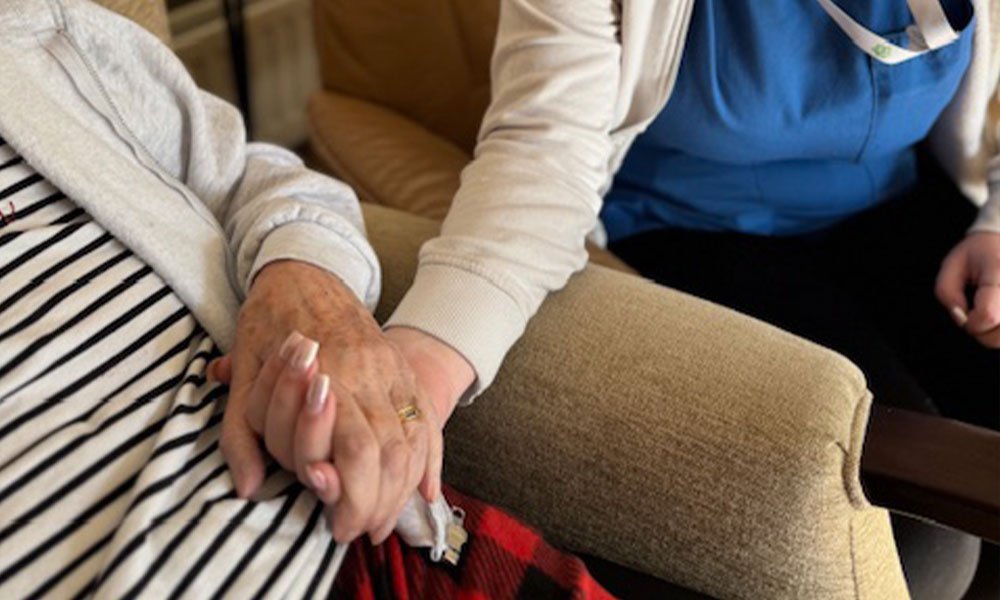
Palliative Care at Home
Personal and practical support at home for someone receiving palliative or end-of-life care, delivered alongside the healthcare professionals involved.

Why choose CM Bespoke Care
A family-owned care agency that keeps support personal
CM Bespoke Care is a family-owned and managed care agency. It has grown through recommendations and positive word of mouth, while keeping personal relationships, honest communication and reliability at the centre of its work.
CM Bespoke Care is large enough to invest in training, secure care systems and responsive management, while its management team remains closely involved. Clients and families know who is responsible when questions, concerns or changing needs arise.

Our care team and standards
Thoughtful matching, supported practitioners and clear oversight
Wherever possible, care is provided by a small, familiar team. Matching begins with the person’s needs, required competencies and practical visit pattern. It also considers routines, personality, interests, communication style, cultural and personal preferences, pets and location.
- Approximately 100 care practitioners working across Shropshire, Worcestershire and surrounding areas
- A 2½-day induction combining classroom learning with practical training
- Shadow shifts with experienced colleagues before practitioners work independently
- Ongoing refresher learning, observations, spot checks, supervisions and task-specific competency assessments
- Rated Good by the Care Quality Commission for our registered domiciliary care service
- Registered Nurse oversight and guidance where people have more complex needs
- Secure digital records for visits, medication, daily notes, outcomes and observations
- A dedicated care manager and seven-day on-call management support for existing clients and practitioners
Clinical procedures that require registered healthcare professionals remain outside the role of domiciliary care practitioners. Family updates and portal access are arranged only where appropriate and with the client’s consent.
What people say about CM Bespoke Care
Real experiences shared by clients and families
Choosing care often involves trusting somebody with personal routines, private spaces and the wellbeing of someone important to you. Read our independent reviews from people and families who we have supported to help understand how we work.
How home care is arranged
A clear path from the first conversation to ongoing reviews
You do not need to know the care package you need before getting in touch. The team will listen to what is happening, explain the available options and help you decide whether a free home assessment is the right next step.

Tell us what is happening
Share who needs support, where care would be provided, what has become difficult, the likely visit times and any urgency or important timescale.
Urgent or short-notice care may sometimes be considered, subject to assessment and staffing availability.

Free home assessment
One of CM Bespoke Care’s trained senior team members will normally visit the person at home. Most assessments take 60 to 90 minutes, although there is no fixed limit.
The conversation covers needs, routines, wishes, risks, medication, mobility, communication, the home environment and the outcomes the person wants.

Personal care plan and care team
The care plan is developed with the client and, where appropriate, their family and healthcare professionals. It records the agreed support and responsibilities.
The management team reviews and approves it before care begins, and suitable practitioners receive a full handover before they begin providing care.

Care begins and stays under review
A dedicated care manager oversees quality, continuity, communication and changes to the package.
Care plans are formally reviewed at least monthly and whenever the person’s health, wellbeing, mobility, medication, home situation or personal circumstances change.
Home care or a care home: what is the difference?
The right setting depends on the person, their needs and their wishes
Home care and residential care can both provide valuable support, but they work in different ways. Neither option is automatically right for everyone. The decision should consider what the person wants, what support is required, whether the home is suitable and whether the chosen arrangement can meet the person’s needs safely.
Home care through visiting support
- The person remains in their own home
- A practitioner visits at agreed times to provide the tasks recorded in the care plan
- Existing routines, relationships, pets and community connections can remain part of daily life
- It may suit someone whose needs can be met safely through planned visits
- The package can be reviewed and adjusted as circumstances change, subject to staffing and suitability
Residential care
- The person moves into a supported residential setting
- Staff, communal facilities and other residents are present on site
- It may suit someone who prefers a communal environment or whose needs cannot be met safely in their current home
- A nursing home may be more appropriate where registered nursing care forms part of the person’s ongoing needs
- Availability, cost, location, facilities and the person’s own preferences all form part of the decision
Home care across our service area
Care planned around the address, visit pattern and safe delivery
CM Bespoke Care supports people across Shropshire, Worcestershire and Herefordshire, including towns, villages and rural communities. Coverage is considered individually rather than through one fixed service boundary.
Availability depends on the exact address, assessed needs, preferred visit pattern, travel planning and a suitable care team. This is especially important where medication, meals or several daily visits need to happen within particular time windows.
Here you will find some of the key locations that we cover. If you are unsure, or would like to enquire regarding home care in your area, please get in touch.
Home Care in Shropshire
Home Care in Shrewsbury
Home Care in Bridgnorth
Home Care in Craven Arms
Home Care in Church Stretton
Home Care in Cleobury Mortimer
Home Care in Ludlow
Home Care in Much Wenlock
Home Care in Worcestershire
Home Care in Bewdley
Home Care in Kidderminster
Home Care in Stourport-on-Severn
Home Care in Tenbury Wells
Home Care in Herefordshire
Home Care in Bromyard
Home Care in Leintwardine
Our offices supporting Shropshire, Herefordshire and Worcestershire
Care management and planning from two established offices
CM Bespoke Care's Cleobury Mortimer head office and Church Stretton office support enquiries, practitioner coordination and care management across our service area.
Ground Floor Office Suite, Upper Baveney Park, Cleobury Mortimer, Kidderminster, Shropshire, DY14 8LF
Unit 1, Sandford Court, Sandford Avenue, Church Stretton, Shropshire, SY6 6BH
Frequently asked questions about home care
Talk to our team
Tell us a little about what is happening, who needs support, where care would be provided and what has changed or become harder.
You do not need to know the exact care package or funding route before contacting us.
The team will listen, explain what may be possible and help you decide whether a free home assessment is the right next step.