




Help at home after a hip, knee or other joint replacement
Support with the everyday jobs that matter to you
Coming home after surgery can mean making a few changes to familiar routines. You may want help getting washed and dressed, preparing lunch or keeping up with the laundry while you use a walking aid. Through our Home Care service, we can help with these tasks at useful points in your day.
We have experience supporting people and families through recovery after joint replacement and currently provide this support at home. Our team understands that the help you need will depend on your operation, the advice you have been given and what you can comfortably manage. We take time to hear your priorities and agree how our carers can assist.
You can talk to us before a planned operation or when a discharge date is approaching. We consider the support already available from family and friends, any equipment or professional instructions, and the routines where another pair of hands would help. Together, we can plan temporary care or a longer arrangement and review it as recovery progresses.
Care at home at a glance
- Personal and practical support after hip, knee and other joint replacements
- Experience supporting people and families during recovery
- Visiting care from 30 minutes, with visit length and frequency agreed around your needs
- Temporary live-in, respite and overnight options to discuss at assessment
- A free, no-obligation home assessment with a trained senior team member
- A personal care plan that includes relevant discharge and therapy instructions
- A dedicated care manager and reviews as your support needs change
- CM Bespoke Care Ltd is rated Good by the Care Quality Commission
Understanding recovery after joint replacement
Your operation and everyday circumstances shape the support you need
Joint replacement surgery replaces a damaged joint, or part of it, with an artificial joint. Hip and knee replacements are common examples. During recovery, soreness, swelling, tiredness or a temporary change in mobility can affect daily life, even when you are well enough to leave hospital.
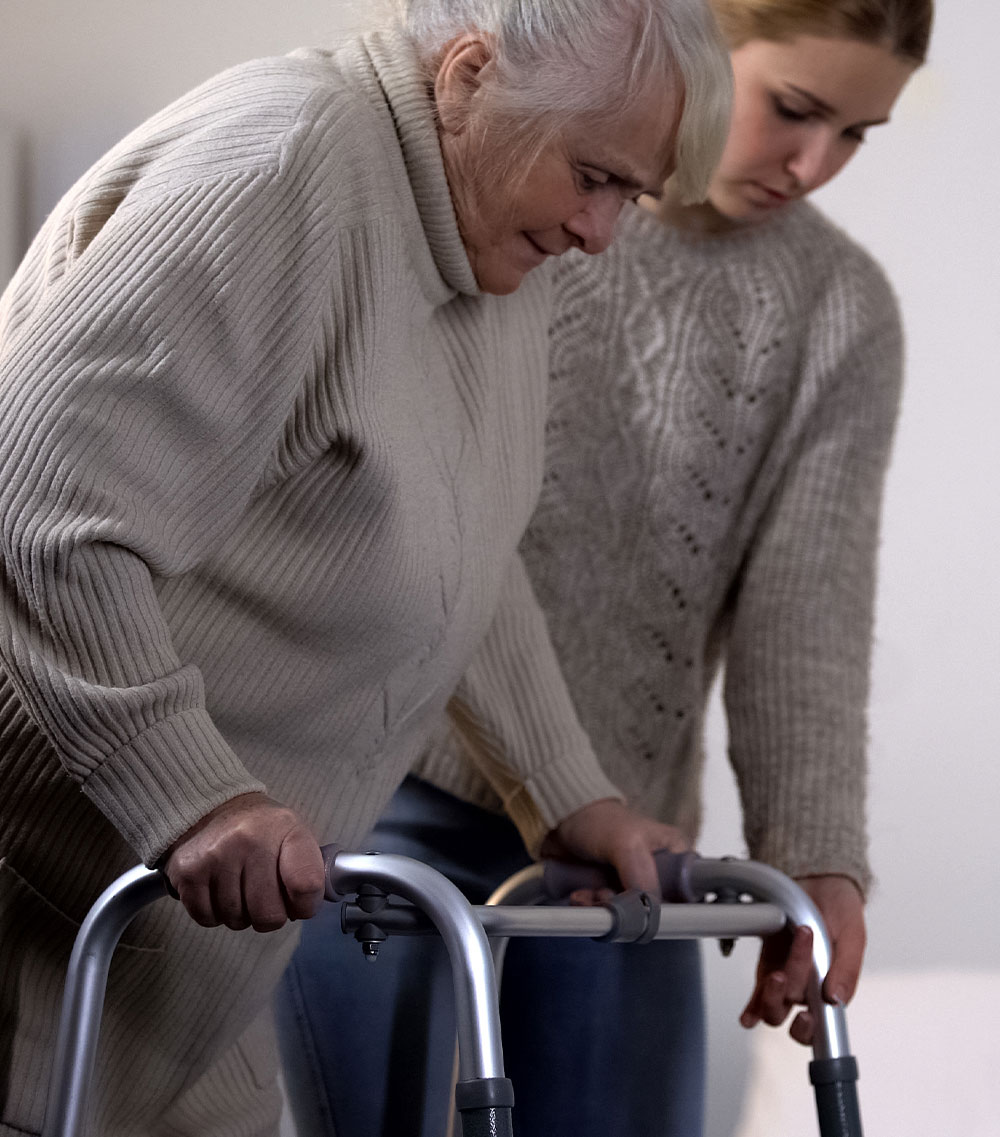
Your hospital team will explain how to manage at home, including any walking aids, exercises, medicines and precautions relevant to your operation. Advice may differ between procedures and between people. Your wider health, home layout and the help available can also influence what feels manageable.
Recovery can take several months, while the need for help with particular tasks may change much sooner. You might need assistance with dressing and meals at first, then mainly with shopping, heavier household jobs or appointments. We review the practical support with you as those needs develop.
The NHS guides to hip replacement recovery and knee replacement recovery explain what to expect. Your own surgical and therapy team’s instructions guide your recovery plan.
120,338
Primary total hip replacement and resurfacing procedures recorded across the NJR reporting areas in 2025. Source: National Joint Registry, 2026 report.
143,972
Primary knee replacement procedures recorded across the NJR reporting areas in 2025. Source: National Joint Registry, 2026 report.
98%
Primary knee replacement procedures involving osteoarthritis, as a proportion of those recorded across the NJR reporting areas in 2025. Source: National Joint Registry, 2026 report.
When joint replacement care at home can help
Before your operation, after discharge and during the weeks ahead
Planning some help before surgery gives you time to talk through your routines and prepare for coming home. We also welcome enquiries after an operation, including when you discover that certain tasks are harder than expected or a relative’s availability changes.
Who might find care useful?
Support may be helpful for:
- Adults preparing for a hip, knee or other joint replacement
- People returning home who need help with washing, dressing or using the toilet
- Someone living alone who wants a planned arrangement for daily assistance
- People using walking aids or adapting to temporary changes in mobility
- Someone recovering while also managing arthritis, a disability or another health condition
- Families sharing care around work, other responsibilities or a relative’s own health
We discuss what you can manage yourself and where help would be welcome. Some people need a short period of support, while others have existing care needs that continue alongside recovery.
Which routines would be easier with help?
It may be useful to talk when:
- Getting ready in the morning or settling for bed is taking extra effort
- Preparing food or carrying meals and drinks is awkward while using a walking aid
- Shopping, changing bedding or keeping up with laundry is becoming difficult
- You would like assistance with an agreed medication routine
- You need help organising appointments or getting out to them
- Toileting or other night-time routines need more support than your current arrangement provides
These details help us identify useful visit times and the tasks to include. We also consider what family, friends and healthcare professionals are already doing, so everyone understands how support will be shared.
How our carers can help during recovery
Personal care, everyday tasks and time for company
Your care plan sets out the help you want, the routines you prefer and relevant instructions from your healthcare team. Visits can bring together several kinds of assistance, with time for you to do the things you can manage yourself.
Personal care and dressing
Getting ready can take longer after an operation, especially when reaching, standing or moving is uncomfortable. We can help with:
- Washing and agreed bathing or showering routines
- Dressing, including the parts you find difficult to reach
- Personal hygiene, grooming and oral care
- Using the toilet and agreed continence support
- Morning and evening routines at a comfortable pace
We follow your preferred routine and the instructions in your care plan, protecting your privacy and allowing you time to take part.

Mobility and daily routines
We can assist with everyday movement using the methods and equipment agreed for you. Support may include:
- Help getting into or out of a bed or chair where assessed
- Assistance moving between rooms and reaching the bathroom
- Keeping agreed walking aids and frequently used items within reach
- Allowing time for the movement and rest advised by your therapy team
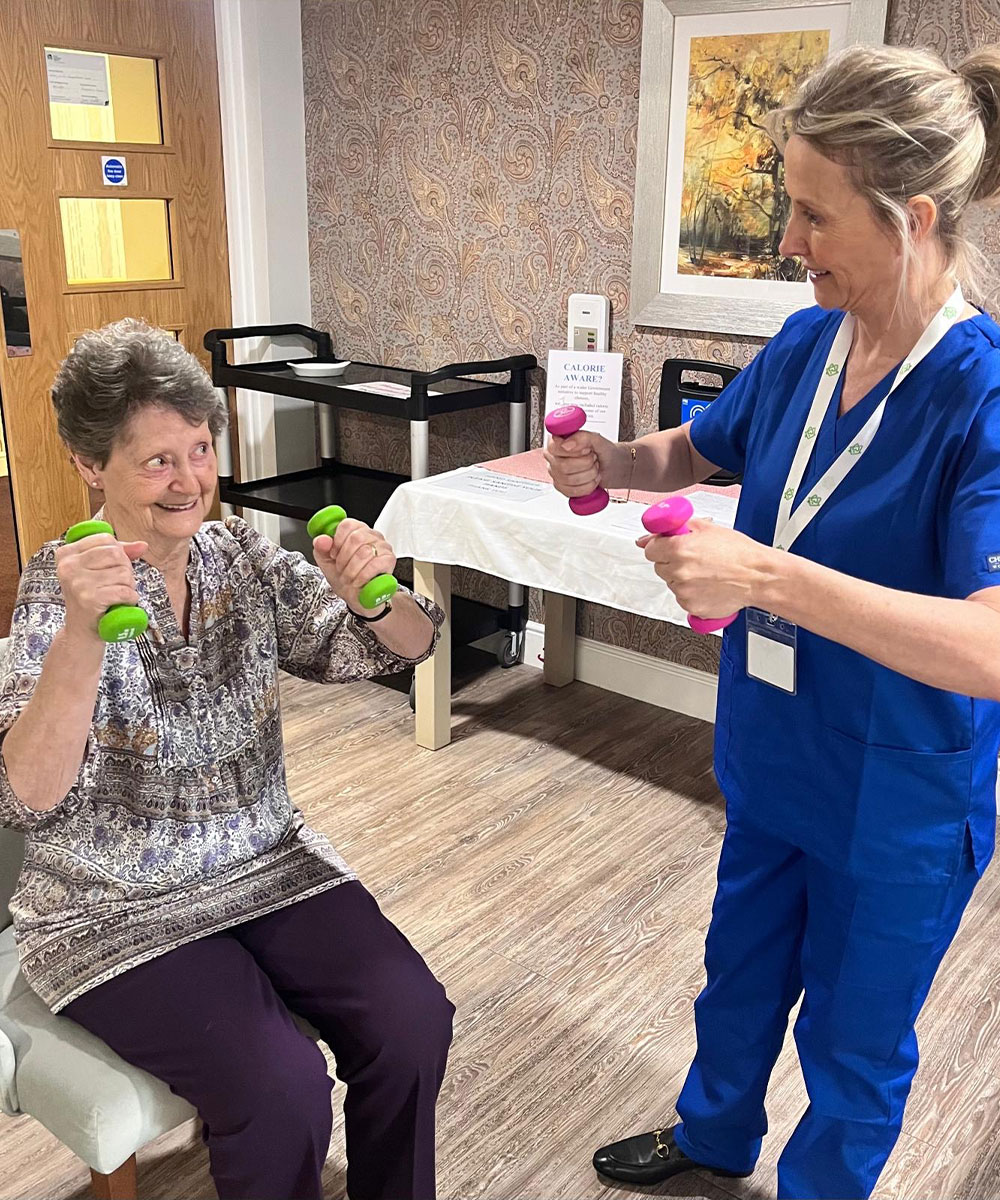
- Encouragement with exercises already set out in your professional plan, where agreed
Your assessment identifies the assistance, equipment and number of carers needed for each task. Our carers follow your plan and report any difficulty or change to the appropriate person.
Meals and drinks
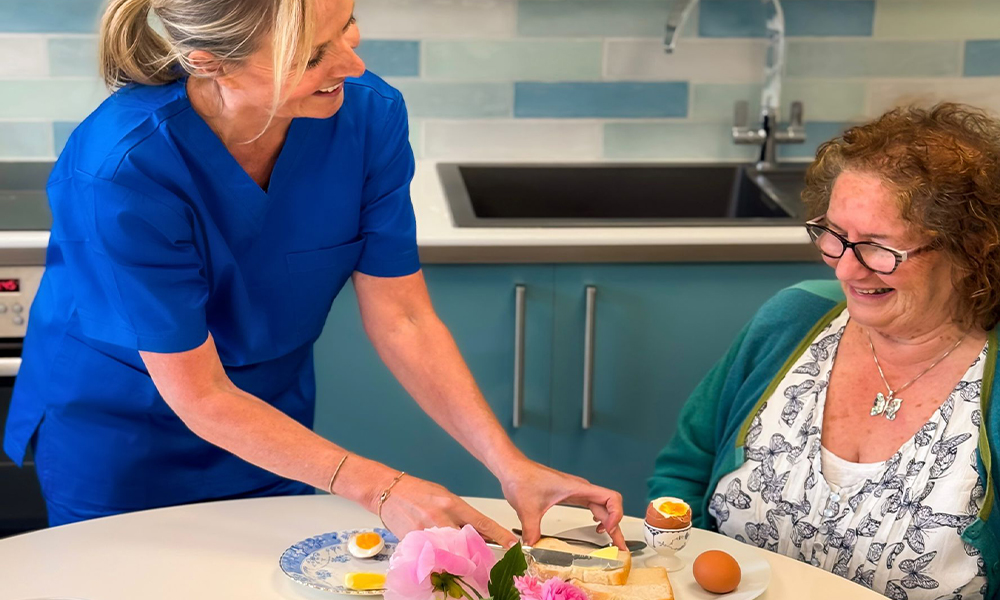
Shopping, standing to cook and carrying food can be demanding when you are getting used to moving around after surgery. We can help with:
- Preparing meals and snacks you enjoy
- Making drinks and placing them where you can reach them
- Organising groceries and putting shopping away
- Leaving agreed food and drinks ready between visits
- Following dietary or fluid guidance included in your care plan
We ask about your preferences and usual mealtimes, making the practical arrangements around the way you like to eat.
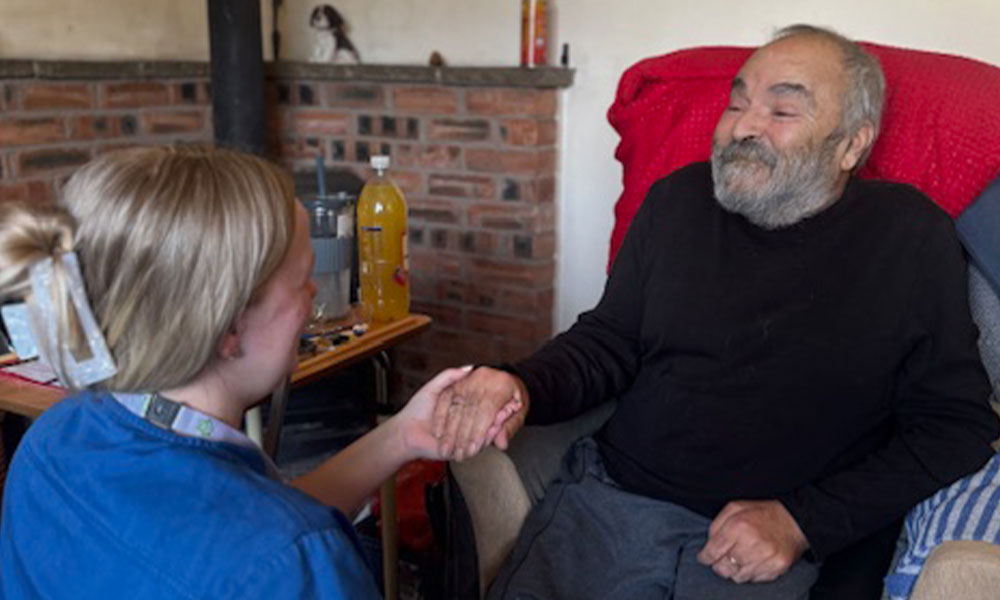
Support with medication routines
We can provide reminders, assistance or administration for prescribed medicines where this is assessed and included in your care plan.
- Following the current prescription and agreed written instructions
- Support with medicines prescribed to be taken when needed, using a written protocol
- Recording medication support and any refusal, delay or missed dose
- Helping organise prescription collections where arranged
- Passing concerns or questions to the appropriate healthcare professional
The carers supporting you have their training and practical skills checked for the medication tasks involved. Your prescriber remains responsible for decisions about your medicines and doses.
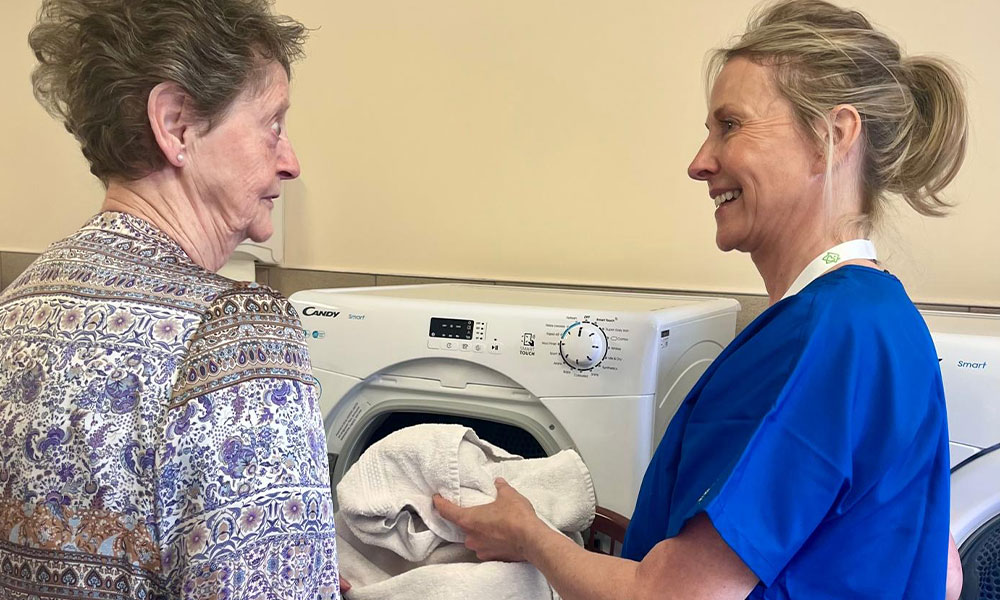
Household help and errands
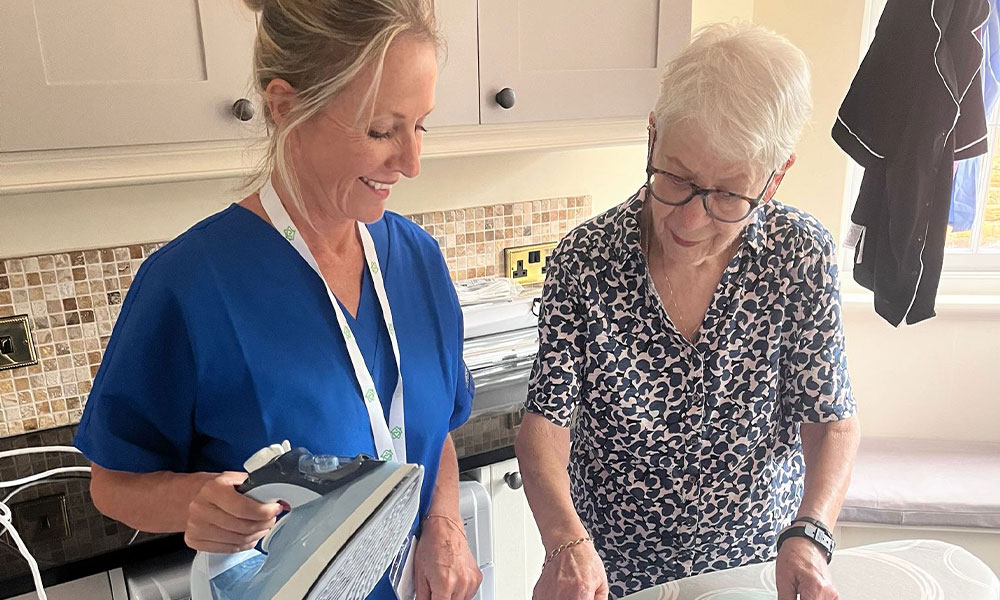
A few familiar jobs can make home feel more comfortable while you recover. We can help with:
- Laundry and changing bedding
- Light cleaning and washing up
- Shopping and agreed local errands
- Putting everyday items in convenient places
- Keeping the spaces used during visits tidy and clear
We agree the household tasks with you, taking account of the personal care you need and the time available in each visit.
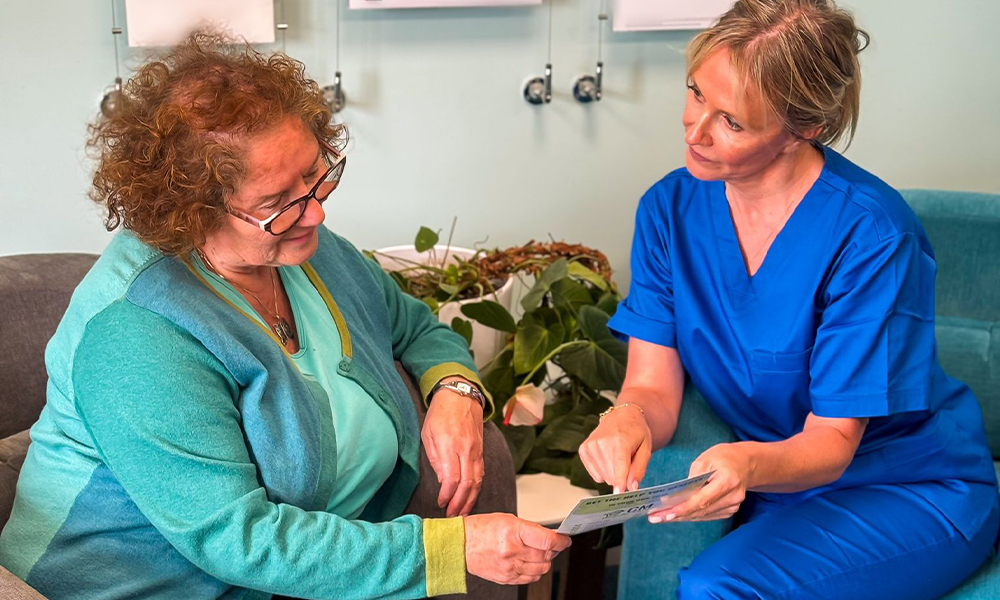
Company and appointment support
Recovery can interrupt the activities and contact you usually enjoy. A visit can include time to talk, share an interest or organise the day, as well as practical assistance.
- Conversation and company at home
- Help keeping track of follow-up appointments
- Preparing the items you want to take with you
- Accompaniment or transport to appointments where arranged
- Helping you stay in touch with family and friends
We follow your lead, whether you want to discuss how you are feeling or enjoy a conversation about something else entirely.
Support that follows your hospital and therapy advice
Putting your agreed daily routines into practice at home
Your surgical, nursing and therapy teams will explain the treatment and recovery advice relevant to you. With your consent, we include the instructions needed for our visits in your care plan, so our carers understand how to assist with everyday tasks.
Keeping the right information together
Before care starts, we discuss the discharge information, medicines, equipment and any advice about movement or personal care that affects our role. If a task needs clarification, we contact the appropriate professional with your agreement.
Your plan records how support is shared with relatives and other people involved. Our carers keep notes about visits and pass on relevant changes, while your care manager helps coordinate adjustments to the support we provide.
For a broader planning checklist, our guide to coming home from hospital explains useful questions about equipment, medicines and care arrangements.
Knowing who to contact
We record the contact details and reporting instructions supplied by your hospital team. If our carers notice a concern during a visit, they follow the agreed advice and pass the information on promptly.
Your surgical team, GP, nurses and therapists provide clinical assessment, wound treatment and rehabilitation advice. We can help you follow the relevant daily arrangements and seek their guidance when questions arise. For a medical emergency, we call 999.

Why choose CM Bespoke Care?
A local team to help you settle back into life at home
We are a family-owned and managed care agency with offices in Cleobury Mortimer and Church Stretton. When you are preparing for an operation or finding your feet afterwards, we take time to understand your usual day, the help you would welcome and the people already supporting you.
A dedicated care manager oversees your arrangement and is your main point of contact. Clear care records keep the team informed, and regular reviews give you an opportunity to talk about what is working and what could change. As daily tasks become easier, we can review the timing and amount of help with you.

Experience supporting people after joint replacement
Care planned with you and shared clearly with our team
Our experience of supporting people and families during joint replacement recovery helps us ask practical questions: how you will get ready, who can help with meals and shopping, and what happens between visits. We build those details into your care plan alongside relevant professional instructions.
- A senior team member completes your initial assessment and care planning
- Carer matching takes account of your needs, preferences and the skills required
- Where possible, a small, familiar team provides your visits
- Induction, refresher learning and practical competency checks support our carers’ work
- Care notes and medication records help management monitor the support being delivered
- We involve family or friends in the way you want, with your consent
You are welcome to find out more about our approach and the people who coordinate and deliver care.
What people say about our care
Experiences shared by people and families we support
Choosing help at home is a personal decision. These reviews share people’s experiences of CM Bespoke Care, from day-to-day visits to communication with our team.
Arranging care after joint replacement
A conversation, a free assessment and a plan for coming home
Get in touch when you are thinking about support, even if your discharge date is still being confirmed. We will explain how we can help, discuss the timing and arrange a free home assessment to explore your routines and care needs.

Tell us about your plans
Let us know the general area where care is needed, any operation or discharge dates and the tasks you would like help with. We listen, explain the options and discuss the next step with you.

Free home assessment
A trained senior team member will usually visit you at home to discuss your routines, preferences, practical needs and relevant professional advice. You can include someone you trust. Most assessments take around 60 to 90 minutes, with more time available when needed, and there is no obligation to proceed.

Agree your care plan
We set out the help to be provided, visit arrangements, relevant instructions and proposed costs. We discuss the plan with you and match carers with the training and assessed skills needed for the agreed tasks.

Begin care and keep in touch
Once arrangements are agreed, our carers receive a handover and access to your plan before visits begin. Your care manager keeps in touch, with reviews at least monthly and sooner when your needs or professional advice change.
Ways we can support you at home
Visits, temporary live-in care and help through the night
Your free assessment helps us recommend how care could fit around the assistance you need. We consider the whole day, the support available between visits and any night-time routines, then explain the suitable options and costs.
Visiting Home Care
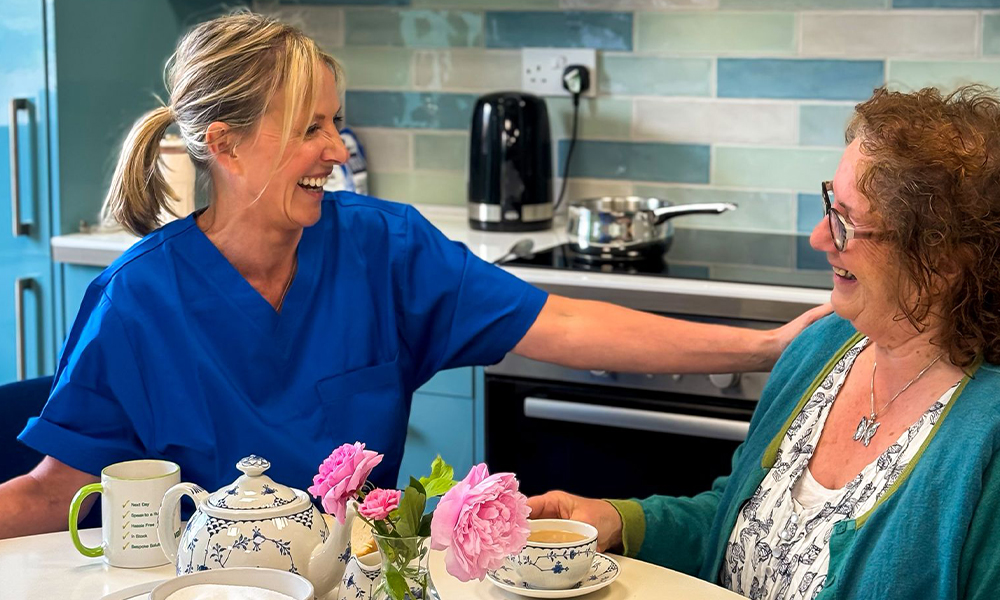
Visits at agreed times can help with washing, dressing, meals, medicines and household tasks. We can plan assistance around the parts of the day that are most difficult, with visits from 30 minutes and the frequency agreed through assessment.
Explore Home Care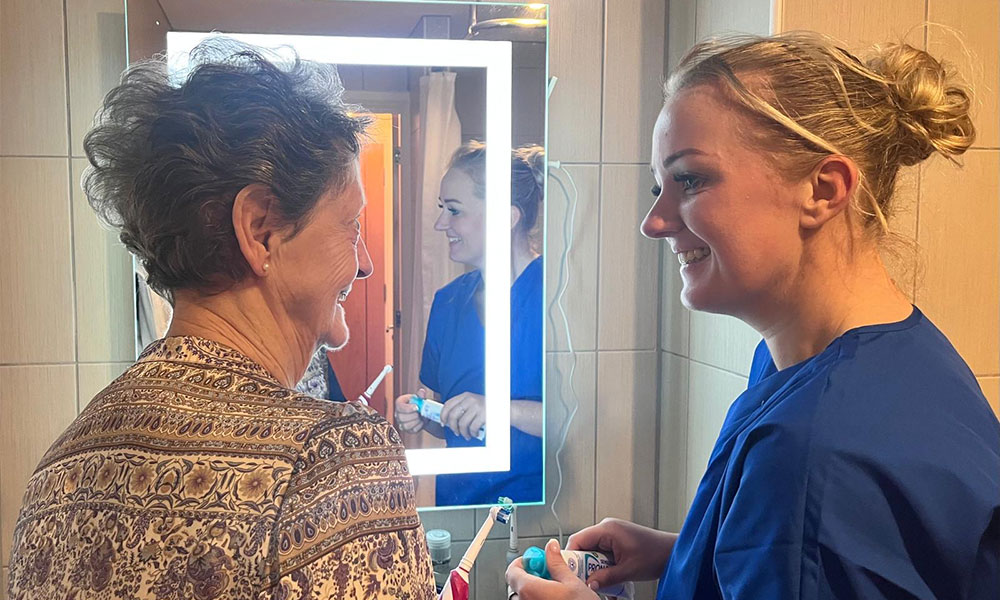
Temporary Live-in Care
A carer living in your home can help with personal routines and practical tasks across the day while you recover. We discuss suitable accommodation, carer breaks and overnight rest as part of the arrangement. Regular active help through the night is planned separately.
Explore Live-in Care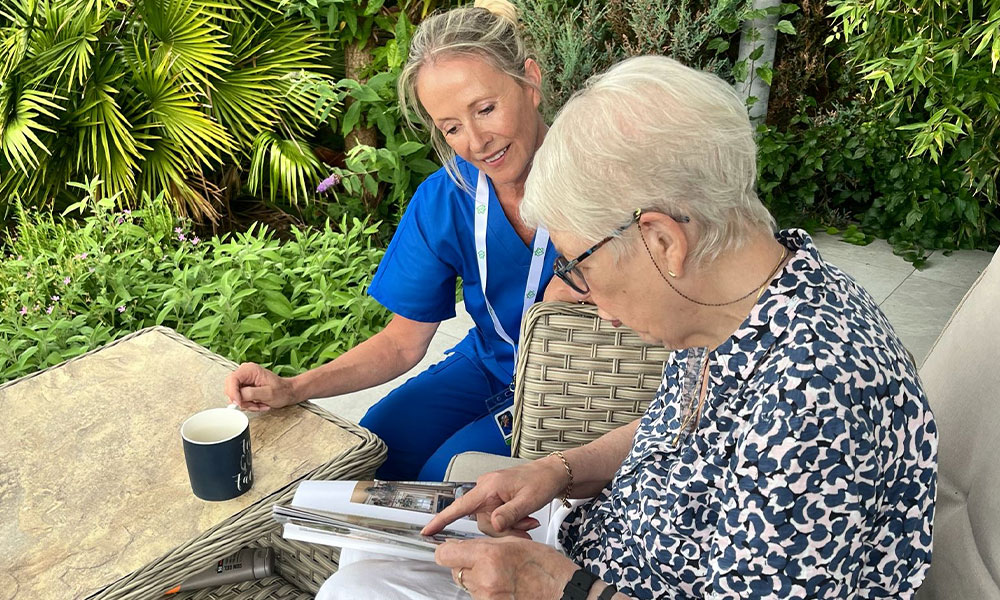
Respite Care at Home
Temporary care can support your recovery while a relative takes a break or returns to work. This may involve visiting, daytime, overnight or live-in support. We agree the routines and handover so the people sharing your care know what is in place.
Explore Respite CareJoint replacement care in Shropshire and nearby areas
Local support coordinated from Cleobury Mortimer and Church Stretton
We support people across Shropshire, including communities around our two offices, and in North Worcestershire and parts of Herefordshire. If you are planning surgery or preparing to leave hospital, tell us the general area where help is needed and the dates you are working towards.
You can explore our Home Care in Shropshire, Worcestershire and Herefordshire pages for more about local coverage.
Our team will check the care requirements, visit pattern and suitable staffing for your area, then talk through the arrangements with you. We would be glad to help you explore the next step.
Home care in Shropshire
Home care in Worcestershire
Home care in Herefordshire
Our local care offices
Cleobury Mortimer and Church Stretton
Our two local offices coordinate carers, care planning and communication across Shropshire, North Worcestershire and parts of Herefordshire. The team checks travel and visit arrangements for each package so you have a clear picture of the support available where you live.
Ground Floor Office Suite, Upper Baveney Park, Cleobury Mortimer, Kidderminster, Shropshire, DY14 8LF
Unit 1, Sandford Court, Sandford Avenue, Church Stretton, Shropshire, SY6 6BH
Information and support after joint replacement
Hospital advice, practical planning and local care assessments
Your own hospital team is the first point of contact for questions about your operation and recovery instructions. These resources can also help you find reliable information and explore local assessments or support with everyday life.
Hospital and recovery information
The Robert Jones and Agnes Hunt Orthopaedic Hospital
RJAH’s hip and knee replacement information covers questions about returning home, medicines, equipment and follow-up care. If you are being treated there, its information can help you prepare questions for your team and understand the arrangements discussed before discharge.
Read RJAH’s after-operation FAQs
NHS hip and knee recovery guides
The NHS guides explain recovery after hip and knee replacement, including everyday activities and professional advice. Use them alongside the instructions given for your own operation, and speak to your treating team if you are unsure how advice applies to you.
Read about hip replacement recovery or knee replacement recovery.
Local care and support assessments
Shropshire Council
A Care Act assessment looks at the help you need with daily life and whether you are eligible for council support. Shropshire’s First Point of Contact team explains the next steps and how an assessment can be arranged.
Explore Shropshire’s care assessment process
Worcestershire County Council
Worcestershire’s adult social care service offers information and a self-assessment route to describe your circumstances and support needs. Its contact page explains online referrals and alternative ways to get help.
Contact Worcestershire adult social care
Herefordshire Council
The Advice and Referral Team is the first point of contact for adult social care enquiries in Herefordshire, including care and carer assessments and financial assessments.
Related Articles

Paying for home care in Shrewsbury: local funding and support
Find out where to start with home care funding in Shrewsbury, from Shropshire Council assessments to local benefits advice and NHS support. Our guide explains who to contact, what to ask and how to prepare for your next conversation.

Coming home from hospital: arranging care and support
Preparing to come home from hospital? Our guide explains what to ask before discharge, which support options may help and how to check the practical arrangements, so you can plan the return home with a clearer understanding of what happens next.

Preparing for a council care needs assessment: a practical checklist
Preparing for a council care needs assessment starts with explaining everyday life in your own words. Our England-focused checklist helps you gather useful information, describe changing needs, take part in the conversation and keep track of the decisions and next steps.
Questions about joint replacement care at home
Talk to us about help after joint replacement
Let us help you plan a comfortable return home
If you are preparing for surgery or looking for help during recovery, we would be glad to hear from you. Tell us the general area where care is needed, the daily routines you would like help with and any operation or discharge dates you are working towards.
Our team will listen, explain the available options and arrange a free, no-obligation home assessment. You are welcome to include a partner, relative or friend. We will discuss the proposed support and costs, answer your questions and give you time to consider the arrangement.