




Planning care and support after hospital discharge
Start with what everyday life will need to look like at home
You may be looking forward to familiar surroundings while wondering how the first few days will work. Perhaps stairs feel more difficult, medicines have changed or the person who usually helps cannot be there. Start by telling the hospital team what has changed and asking which arrangements need to be in place before you leave.
Think through an ordinary day together: getting out of bed, washing, preparing food, taking medicines and settling for the night. Include the things you want to keep doing yourself. If someone is helping you plan, involve them in the discussions you want to share, rather than leaving them to piece the information together afterwards.
Our home care service can provide assessed personal and practical help, but paid care may be only one part of the picture. Community healthcare, short-term recovery support, equipment, voluntary services and help from people you trust may also have a role. The right combination depends on your needs and circumstances.
This guide covers adults leaving hospital in England. We focus on preparing for discharge and the first days at home, including questions about costs and what to do if plans are incomplete. Your healthcare team remains responsible for clinical decisions. Our aim is to help you leave each conversation knowing what has been agreed, who is arranging it and whom to contact next.
Coming home from hospital: the key points
- Describe the help needed: include everyday tasks, night-time needs and support between visits.
- Check what is confirmed: a referral does not tell you when someone will arrive.
- Prepare the essentials: medicines, equipment, access, transport and food all need attention.
- Explore the options: clinical support, reablement and home care have different roles.
- Ask about charges: not all support after hospital is free.
- Be realistic about family help: say what relatives can and cannot provide.
- Keep contact details handy: know who handles care arrangements and who to contact for medical help.
Your checklist before coming home from hospital
Six conversations to turn the plan into practical arrangements
Use these questions with the ward or discharge team, then note any unanswered points. The University Hospitals of Leicester discharge checklist and Macmillan going-home checklist offer useful prompts too. Ask staff to explain anything unfamiliar and tell them if you need information in a different format.
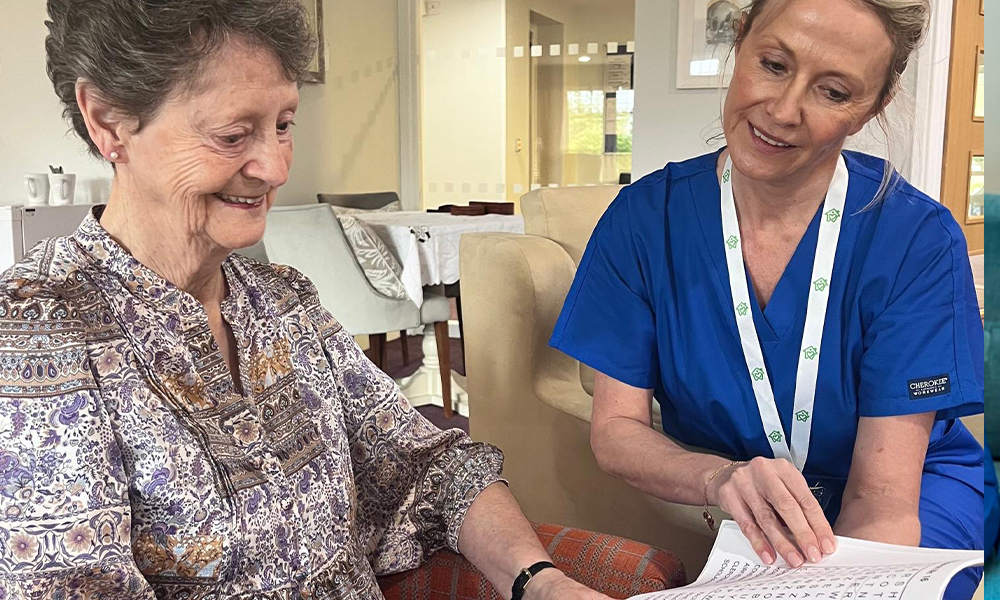
1. Your plan and contact details
Ask for the information you will need at home in a form you can use.
- What support is agreed, and who coordinates it?
- Who should receive the discharge information?
- Whom do you contact if an arrangement fails?
Keep the answers together, with permission for anyone who will help you to access them.
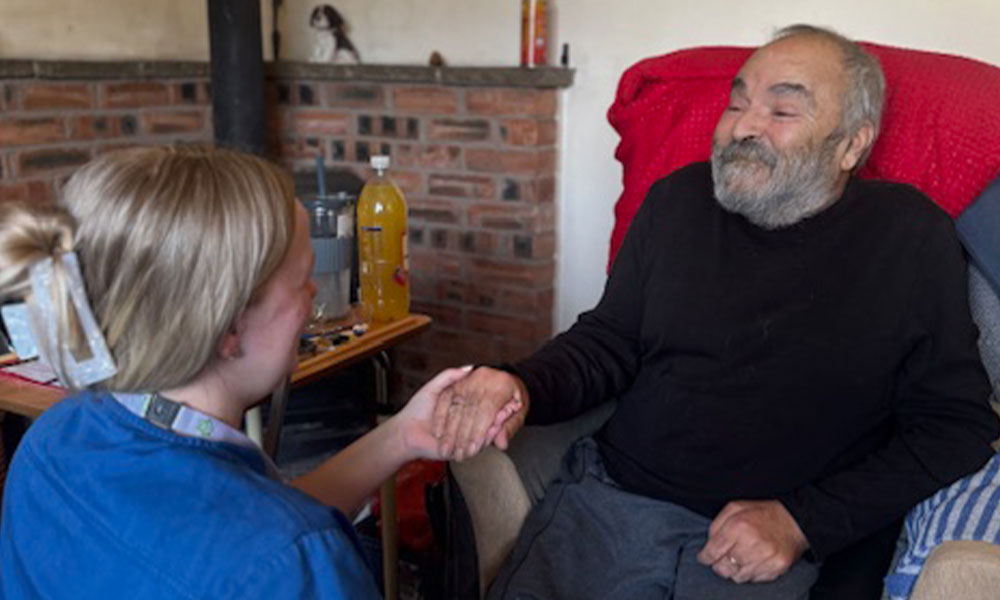
2. Medicines and instructions
Ask the ward team or pharmacist to explain what you should take after discharge.
- Which medicines have changed or stopped?
- When is the next dose, and who will help?
- How will you obtain the next supply?
Clarify instructions before leaving. Do not guess how old and new medicines should fit together.
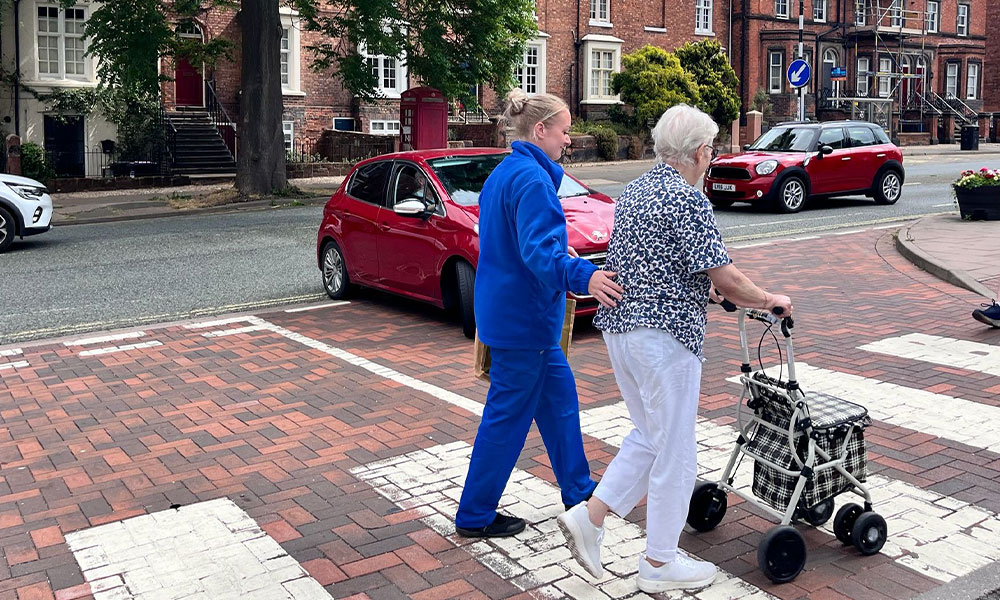
3. Movement and equipment
Explain the rooms, steps and everyday movements you will need to manage at home.
- Is essential equipment ready and suitable?
- Has someone shown you how to use it?
- What assistance is needed with moving or transfers?
Tell the team if you or someone helping you is unsure about carrying out the agreed tasks.
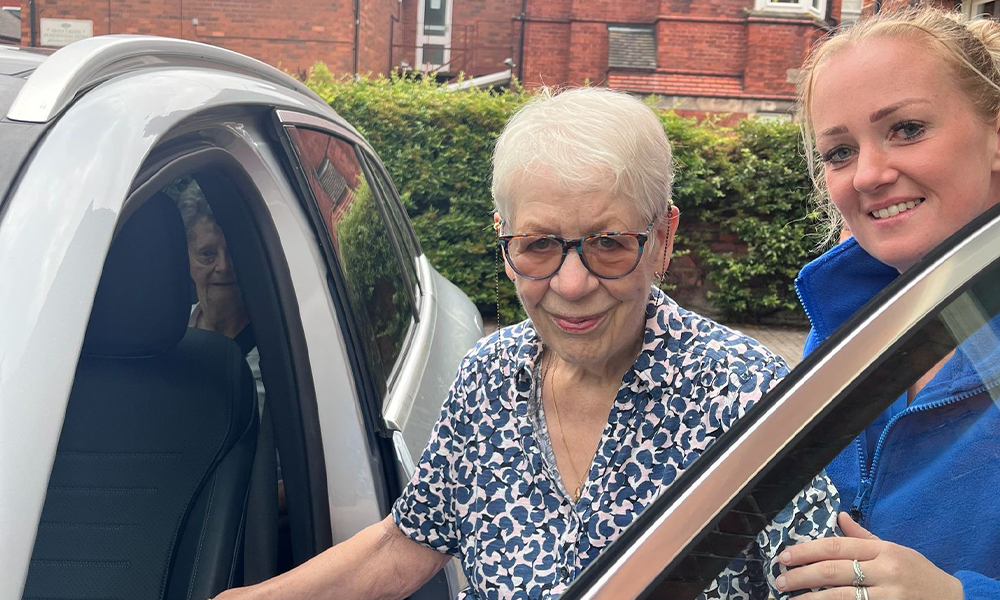
4. Transport and getting inside
Plan the whole journey, including getting from the vehicle into your home.
- Is suitable transport confirmed?
- Who has the keys or will meet you?
- Are your clothes, glasses and other belongings ready?
If no one can collect you or help you inside, tell the ward before transport is arranged.

5. Food and everyday essentials
A stocked kitchen is useful only if you can reach and prepare what you need.
- Who can organise food and essential shopping?
- Will you need help preparing meals or drinks?
- Are heating, lighting and a working phone available?
Include any eating or drinking instructions from your clinical team in the practical arrangements.
6. First visits and follow-up
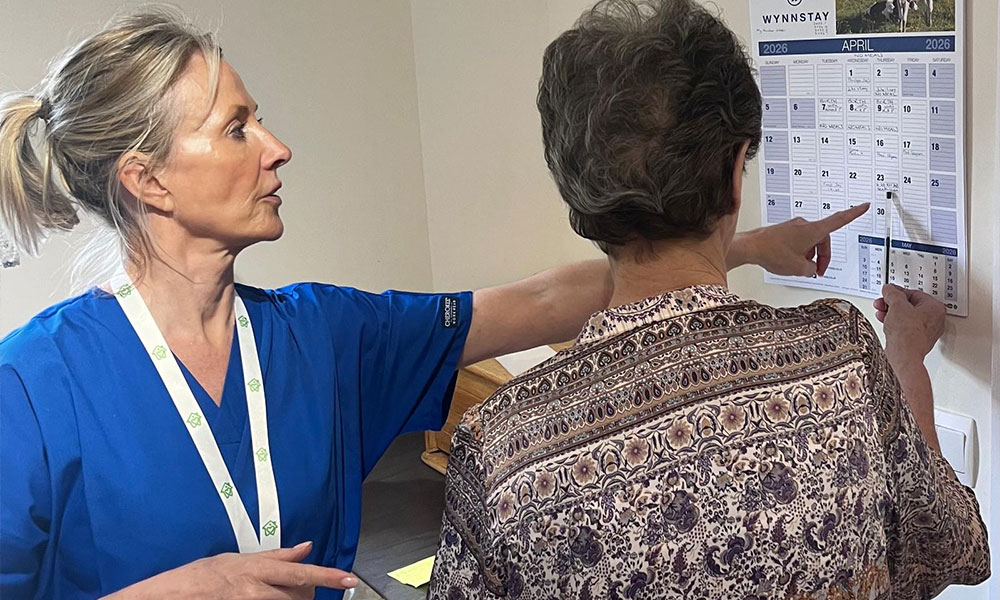
Check the start of each service, rather than assuming every referral is already arranged.
- When is the first care or healthcare visit?
- What happens before that visit and overnight?
- Which appointments need booking or transport?
Confirm who will follow up outstanding arrangements and how you will hear from them.
What support is available after leaving hospital?
Different teams may help with different parts of the day
A person may need clinical follow-up, help rebuilding everyday skills, practical assistance or a combination. Ask each team what it will do and where its responsibility ends. That makes gaps easier to spot and avoids expecting one service to cover everything.
Healthcare, rehabilitation and reablement
Some support addresses health needs; other support helps you manage everyday activities again.
If you need nursing or therapy after discharge, ask who is making the referral and how the first contact will happen. A care worker’s visit is not a replacement for a community nurse, physiotherapist or another clinician involved in your treatment.
Reablement is short-term support focused on everyday skills, such as getting dressed or preparing food. It forms part of intermediate care: services intended to support recovery and independence after illness or injury.
Suitability is assessed individually. If it is offered, ask which goals matter to you, what help is planned and how progress will be reviewed. The NHS guide to recovery support explains the teams and arrangements that may be involved.
Home care, family help and community support
Practical help should match the tasks and times when it is needed.
Home care can be arranged through a council or directly with a provider. Describe the actual help required, including personal care, meals or agreed medicine support, and ask how visits would fit around other services.
Relatives or friends may want to help with shopping, company or appointments. Agree the limits of that help openly. Being available for an occasional visit is different from being able to provide daily care or overnight support.
Ask the discharge team about local voluntary help too. Age UK’s discharge advice explains that local organisations may offer practical home-from-hospital support, sometimes free and sometimes paid. Check availability, eligibility and what the service includes.
What if the discharge plan does not feel manageable?
Explain the specific gap before you leave hospital
Try to describe what will happen in practice: “I cannot help with lifting”, “There is nobody available overnight” or “The equipment has not arrived”. Ask the ward or discharge team how that need will be addressed and who will confirm the answer. A clear example is easier to discuss than a general assurance that someone will manage.
Family members should be honest about what they are willing and able to do. Work, health, distance and other responsibilities matter. Carers UK’s hospital discharge checklist emphasises that caring is a choice; ask about support for an unpaid carer as well as for the person leaving hospital.
You may hear “discharge to assess” or “home first”. This can mean longer-term needs are assessed after a period of recovery, rather than every long-term decision being settled on the ward. It does not remove the need to address immediate support. Age UK explains the distinction between initial discharge planning and later assessment.
If concerns remain unresolved, ask to speak with the person coordinating discharge or the ward manager. The hospital’s Patient Advice and Liaison Service (PALS) can help with concerns and communication, as explained in NHS discharge guidance. Keep a note of the issue, the response and the next agreed action.

Arranging support and understanding the costs
Ask what is being offered, who is arranging it and who will pay
“Care after hospital” can describe several different arrangements. Before agreeing to a service, ask for its name, purpose, starting arrangements, any charges and the point at which it will be reviewed. Keep the funding conversation connected to the care plan.
Is care after hospital discharge free?
Some assessed recovery support is free; that does not mean every care arrangement is.
The NHS explains that intermediate care is provided for as long as it is needed, usually for a maximum of six weeks. It may last only one or two weeks. The duration depends on assessed needs and progress, rather than an automatic six-week entitlement.
Ongoing care may involve charges. Ask the relevant team which assessments are needed and what you might contribute. If you choose to arrange care privately, obtain written costs and confirm the payment arrangements before it begins; do not assume a later funding decision will repay you.
Our guide to paying for home care explains council support, private payment, benefits and NHS funding in more detail. Here, the immediate question is simpler: what support will start when you arrive home, and is its payment agreed?
Where to start in our local area
While you are in hospital, start with the ward or discharge team and ask about services for your home address.
In Shropshire, Shropshire Council’s START service includes reablement and other short-term support. Its different services do not all have the same charging arrangements; the page identifies interim domiciliary care as chargeable. Ask which service has been proposed for you.
In Worcestershire, the council’s reablement service accepts referrals from hospitals and social workers. Its page also explains how to contact adult social care to ask whether a referral may be appropriate.
In Herefordshire, the council’s care and support information is a starting point for advice, assessment and help after hospital. If your support will be elsewhere, ask the hospital to identify the correct local team. A service enquiry or referral still needs a confirmed plan before you rely on it.

How we can help with your return home
Personal and practical care planned around the discharge arrangements
At CM Bespoke Care, we can discuss help with the everyday routines that may be difficult after a hospital stay. Tell us what the discharge team has recommended, what you would like support with and when you expect to come home.
We assess the person’s needs and the proposed care before confirming whether we can help. With the appropriate consent, we can work with family members and the hospital or community professionals involved to clarify the practical plan. Medical treatment and discharge decisions remain with the healthcare team.
The aim is support that fits real life: enough help with getting ready, meals or agreed routines, while respecting what the person wants to do themselves. Our Home Care service explains the support we offer. Starting arrangements depend on the assessment, address and suitable staff being available.
The first days at home after hospital
Check how the plan works in everyday life
Once home, practical details can look different from how they sounded on the ward. Keep the discharge information accessible, follow the individual instructions you have been given and raise difficulties with the appropriate team. A review can help adjust support as needs become clearer.
Keep routines and reviews connected
Use the agreed plan as a starting point, and speak up when it no longer fits.
Check that visits and follow-up appointments are happening as arranged. If a care visit is missed, contact the provider or coordinating team promptly and explain any immediate unmet need. Use the agreed backup route rather than assuming somebody else has reported it.
If medicine instructions are unclear, or obtaining the next supply is becoming a problem, contact the ward contact, GP or pharmacist as appropriate. Follow the prescribed instructions and ask for clarification rather than adjusting doses yourself.
Keep a short note of practical changes: which tasks are manageable, where more help is needed and whether family support is sustainable. Ask when temporary support will be reviewed and who will discuss the next arrangement before it ends. For wider provider and care-planning questions, see our guide to understanding and arranging home care.
Know which contact you need
Care arrangements and medical concerns may need different responses.
Keep your discharge contact, care provider, GP surgery and relevant community team details together, including any out-of-hours instructions. Ask the clinical team what changes to watch for and what action to take for your particular condition or recovery.
If you need medical help now and cannot contact your GP, NHS 111 can direct you to the appropriate service. For a life-threatening emergency, call 999. Do not wait for a care enquiry or routine review when urgent medical help is needed.
For independent practical guidance, keep these references handy:
- NHS: planning to leave hospital — questions about your return and continuing support.
- Carers UK: coming out of hospital checklist — involving and supporting an unpaid carer.
- Age UK: getting help after hospital discharge — assessment and support options.
Frequently asked questions about coming home from hospital
Home care in your area
Looking for support at home for yourself or someone you love? Explore our home care services across Shropshire, Herefordshire and Worcestershire, or talk to our team about the support available where you live.
Not sure whether we cover your location? Contact our team to discuss care in your area.
Home care in Shropshire
Home care in Herefordshire
Home care in Worcestershire
Related Articles

Understanding and arranging home care: a guide for families
Arranging home care starts with understanding the help you need and how it will work day to day. Our guide explains your options, assessment routes and practical ways to compare providers, agree a care plan and prepare for support to begin.
When you need a break: a family carer’s guide to respite care
Taking time away from caring starts with finding support that works for both of you. Explore respite options, questions to ask, possible help with costs and practical steps for preparing a handover, so you can make an informed plan for your break.

Paying for home care: costs and funding options
Understand what affects home care costs, which funding options may be available and where to begin. Our guide explains private payment, council assessments, benefits and NHS support, with practical steps for people arranging care in Shropshire, Herefordshire and Worcestershire.

Talking to a loved one about home care
Starting a conversation about home care can feel difficult, especially when you see things differently. Explore practical ways to raise the subject, listen to concerns and agree a useful next step while keeping your loved one involved in decisions about their support.

Caring for a family member: practical support and looking after yourself
Caring for a family member can bring practical questions and changing responsibilities. Our guide explains how to share everyday tasks, find support as an unpaid carer and make room for your own wellbeing, including what to do when caring feels too much.
Person-centred home care: care plans, dignity and working together
Person-centred home care starts with the person and the life they want to lead. This guide explains how care plans can turn wishes into practical support, protect dignity and choice, and help families, carers and healthcare professionals work together when needs change.
Talk with us about care after a hospital stay
Bring the discharge plan and the everyday questions together
A useful plan for coming home makes the first day understandable: how you will get there, what help will be ready and whom to contact if something changes. It also leaves room for recovery, review and the person’s own preferences. Keep asking about any gaps until you know who is taking the next step.
If personal or practical help is part of that plan, our team can discuss how care might fit around existing support. You may need assistance with particular routines, help while a relative is unavailable or a fuller pattern of visits. We will consider the circumstances and explain the care we may be able to provide.
When you contact us, share the expected discharge date, the address, the support recommended and anything still being arranged. That gives us a useful starting point for discussing assessment, availability and costs, while keeping your return home and what matters to you at the centre of the conversation.