




Home care that fits your life with cerebral palsy
Your routines, your choices and the help you want
You may want assistance getting ready for work, preparing a meal or going out. You may need regular help with personal care, moving between a bed and chair, or using communication equipment.
Our Home Care service starts with what you want from your day and how you prefer to be supported.
Our team currently supports adults living with cerebral palsy and their families. We learn the details that make assistance useful: how you like a transfer carried out, where you need time to respond and when a routine takes more effort.
Your knowledge of your own needs helps guide our care, alongside advice from your health and therapy professionals.
During a free home assessment, we discuss your usual week, the skills your carers will need and who would be a good personal fit.
We can plan regular visits, help following a hospital stay or respite while a relative takes a break.
If you would like support for longer periods, we can also talk through overnight and live-in arrangements.
Cerebral palsy care at a glance
- A team currently supporting adults with cerebral palsy and their families
- Free, no-obligation assessment, normally in the person’s home
- Care planned around abilities, choices, communication, routines and professional guidance
- Carers matched for the practical skills, experience and approach your support needs
- A small, familiar care team wherever possible
- Visits from 30 minutes, with short-term and ongoing arrangements available
- Care plans reviewed at least monthly and whenever needs change
- Rated Good by the Care Quality Commission for our registered domiciliary care service
Understanding cerebral palsy in adult life
A lifelong condition whose day-to-day effects are different for each person
Cerebral palsy describes lifelong conditions affecting movement and coordination, caused by differences in brain development or damage to the developing brain. The original brain problem does not progressively worsen, although physical effects and support needs can change during adult life.
Muscle stiffness, spasms, involuntary movements or difficulties with balance can affect everyday tasks. Some adults walk independently, while others use mobility aids or a wheelchair. Pain and fatigue can also make routines more tiring, particularly as people get older.
Speech, eating and drinking may be affected, and some people use communication aids. Learning disabilities, epilepsy or sight and hearing difficulties can occur alongside cerebral palsy, but experiences vary. Difficulty speaking should never be taken to mean that someone cannot understand or make decisions.
The NHS cerebral palsy guide explains the condition and its treatments. Support at home can put relevant professional guidance into practice and help with daily tasks, leaving more time and energy for relationships, work and interests.
Around 1 in 400 adults
NICE’s 2019 resource report estimated that around 1 in 400 adults have cerebral palsy, equivalent to around 109,000 adults in England. Source: NICE.
Around 1 in 3 people
Scope reports that around a third of people with cerebral palsy find understanding information difficult. This refers to people with cerebral palsy generally, rather than adults alone. Source: Scope, information reviewed in 2025.
About 150 children each month
Scope reports that about 150 children are diagnosed with cerebral palsy in the UK each month. This is a childhood diagnosis figure for a lifelong condition. Source: Scope, information reviewed in 2025.
Who can benefit from cerebral palsy home care?
Assistance for independent living, changing routines and family support
Home care can support an established routine or help you settle into a new one. You might be moving into your own home, starting a job or course, recovering after hospital treatment or finding that personal care takes more energy. We explore what would help you manage the day in the way you choose.
People and circumstances
Care at home may help:
- an adult who wants discreet support while living independently, working, studying or maintaining interests
- someone living with relatives who would benefit from a reliable care routine and greater choice over how support is provided
- a person returning home after surgery, illness or a hospital stay
- an adult whose pain, fatigue, mobility or personal-care needs have changed over time
- someone adapting to new mobility, seating, communication or moving-and-handling equipment
- a person whose care now requires longer visits, overnight help or a live-in arrangement
- family carers who need dependable respite while their loved one remains in familiar surroundings
We also consider how care fits around the people already involved in your life. You can tell us which tasks you want our carers to help with and how you would like support to be shared.
Signs that a care conversation may help
It may be worth exploring support when:
- washing, dressing, continence care or getting ready takes more energy or feels less secure
- transfers, positioning, walking or using mobility equipment require more assistance
- fatigue or pain leaves less energy for work, relationships, interests or time outside the home
- meals, drinks or agreed swallowing guidance are becoming harder to manage consistently
- medication, appointments or an individual seizure plan need reliable day-to-day support
- communication is being rushed or the person needs more time, consistency or help using an aid
- the person is becoming isolated or is missing activities they value
- a partner, parent or relative is tired, worried or unable to provide every part of the care
Your experience of these routines is an important part of planning care. We listen to what feels comfortable, what takes extra effort and where a different approach could help.
What cerebral palsy home care can include
Practical assistance shaped around the individual and their way of doing things
We take time to learn how you prefer each task done, including the pace that suits you, how you communicate and the equipment you use. These details sit alongside relevant professional instructions in your care plan, giving carers clear guidance for each visit.
Personal care and daily routines
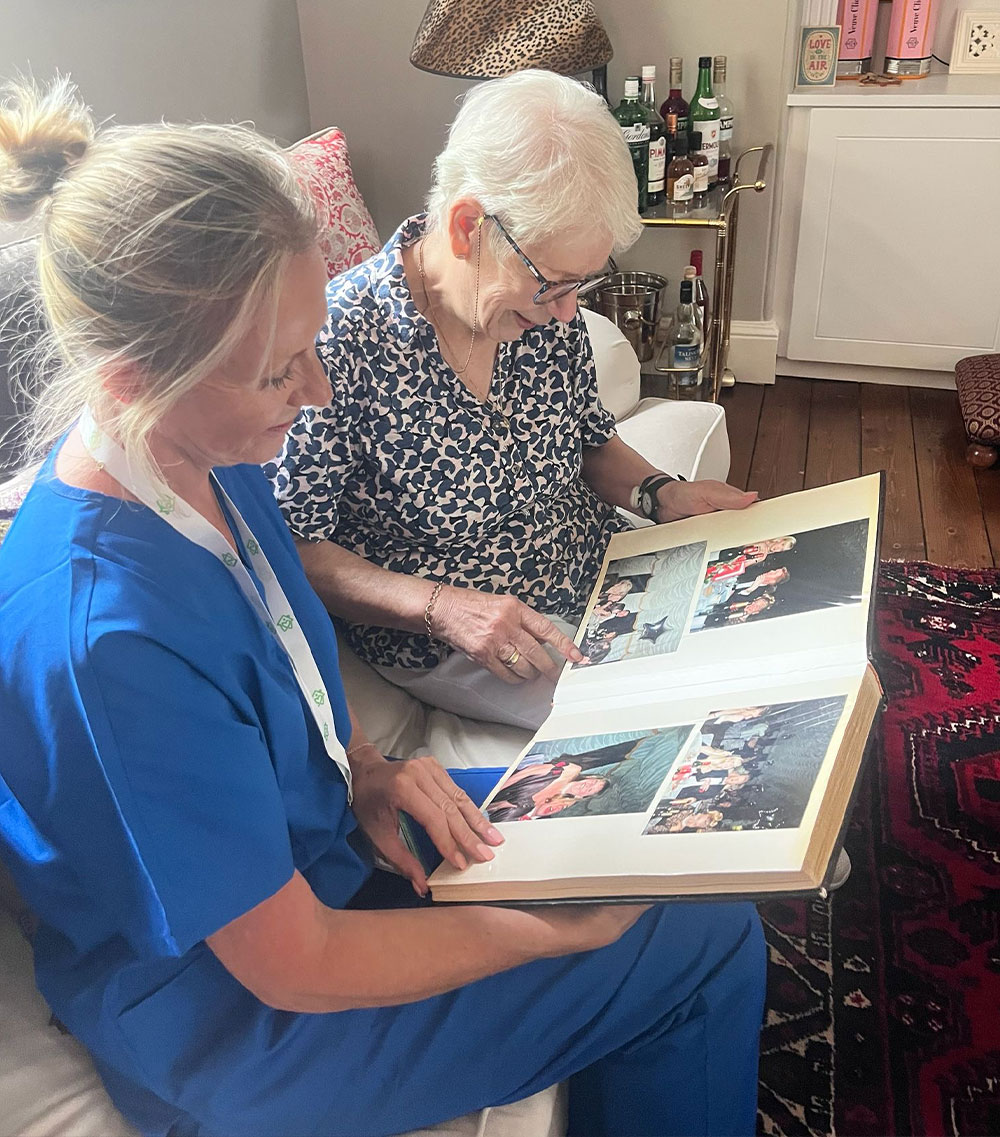
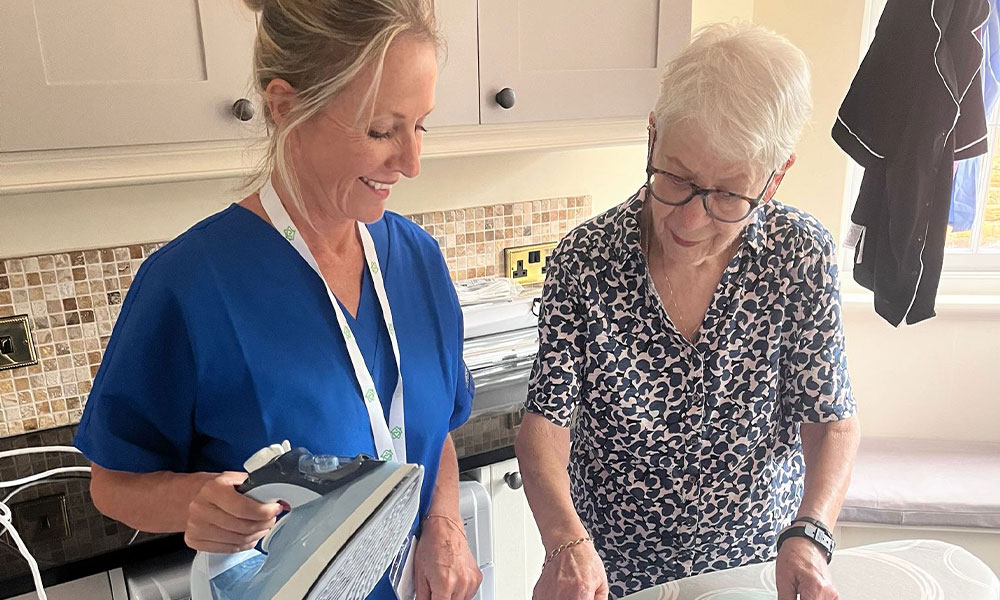
Assistance can make personal routines more comfortable and less tiring while respecting how the person prefers each task to be completed.
- Washing, showering, bathing, dressing and grooming
- Oral care, toileting and assessed continence routines
- Morning, evening and bedtime support
- Help organising clothes, belongings and the sequence of a routine
- Allowing enough time for the person to take part without feeling rushed
Support is provided with privacy and dignity, encouraging the person to do what they can and want to do for themselves.
Mobility, transfers and positioning
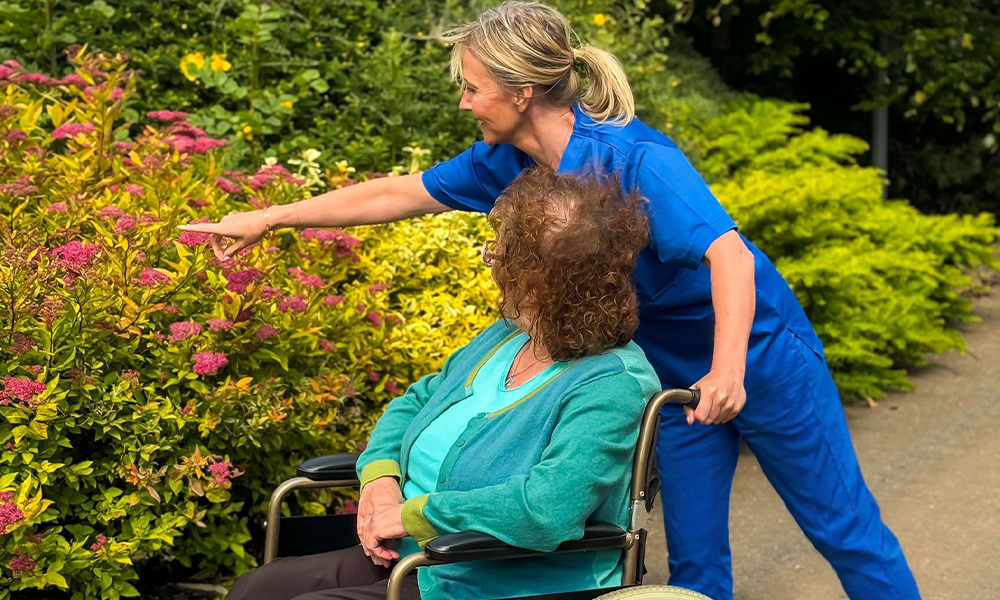
Care can be planned around muscle stiffness, spasms, involuntary movement, balance, fatigue and the equipment assessed for the individual.
- Assistance with standing, walking and transfers where assessed
- Using prescribed mobility aids, hoists and moving-and-handling equipment
- Following an agreed positioning or pressure-care routine
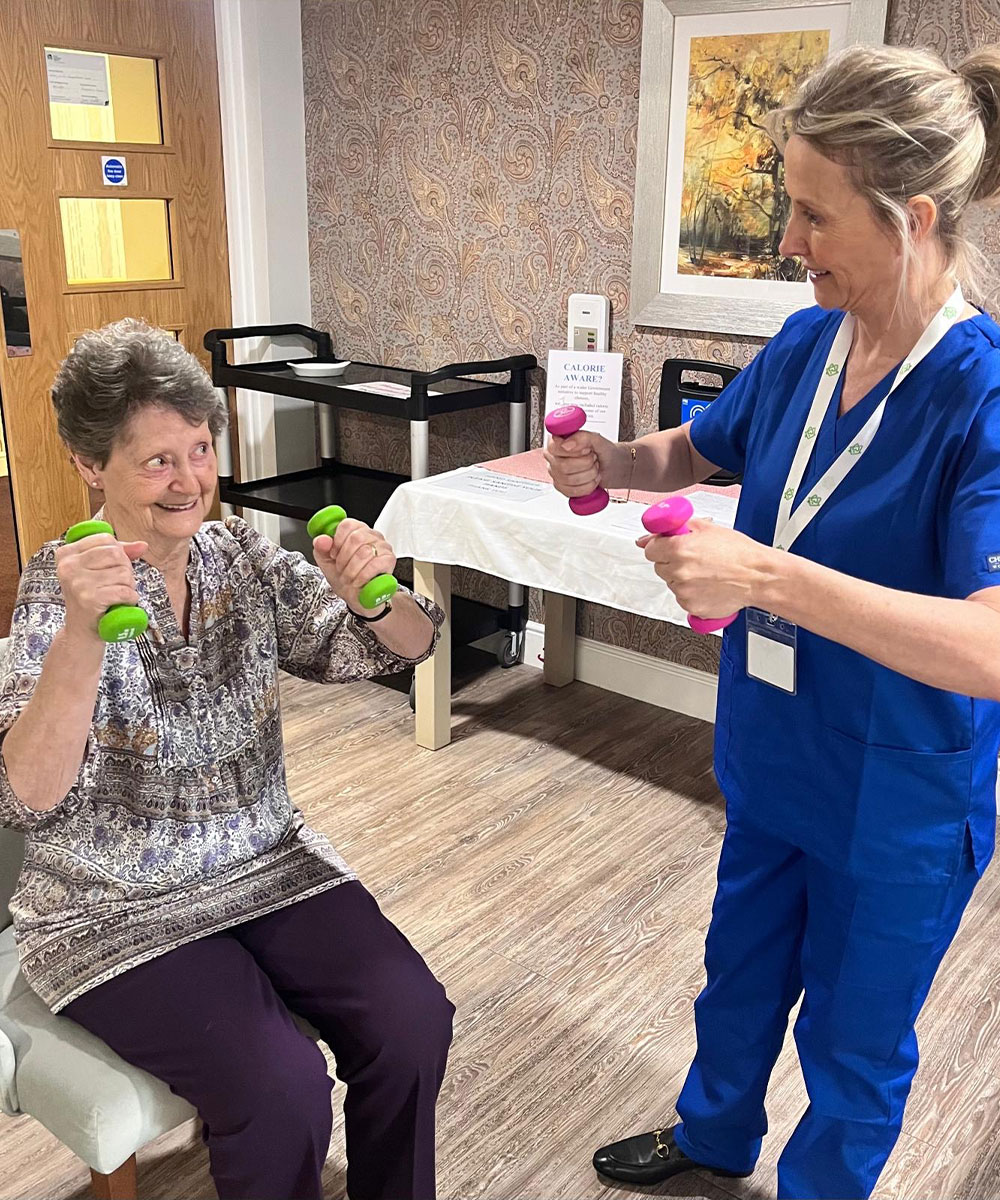
- Allowing clear space, a steady pace and enough recovery time
- Recording falls, near misses, discomfort or changes in mobility
Practitioners follow the current care plan and guidance from the appropriate physiotherapist, occupational therapist, seating or wheelchair service.
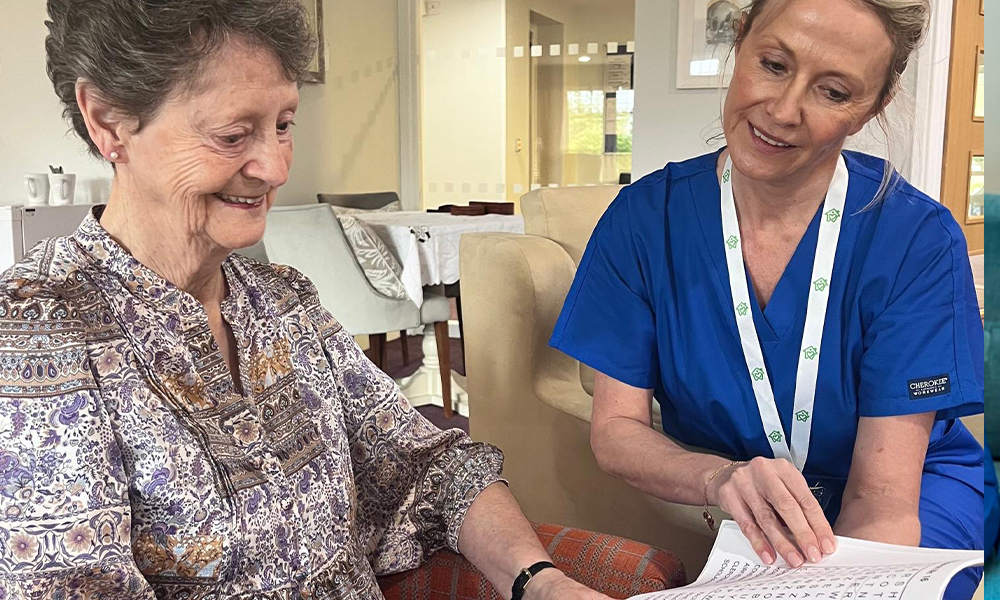
Communication, understanding and choice
Speech may be unclear or take additional effort, but the person should remain central to every conversation about their life and care.
- Allowing time for the person to communicate without finishing sentences for them
- Using agreed communication aids, signs, symbols or technology
- Checking understanding and offering choices in an accessible way
- Reducing avoidable noise or distraction during important conversations
- Sharing updates with relatives or professionals only where consent and the care plan allow
Practitioners follow the person’s established communication method and any guidance supplied by a speech and language therapist.
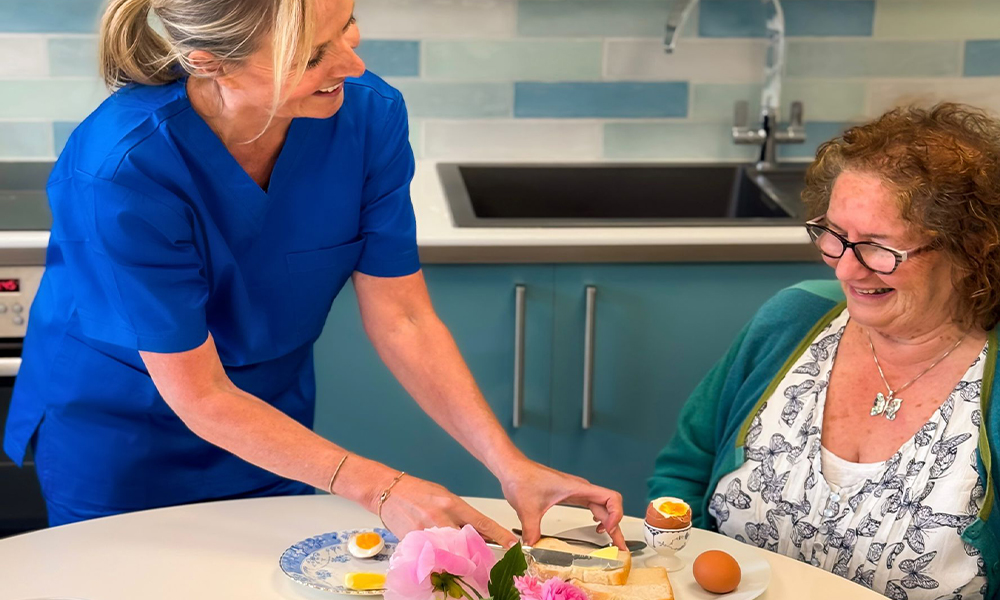
Meals, drinks and agreed swallowing guidance
Movement, posture, coordination or swallowing differences can make eating and drinking more demanding for some people. Support may include:
- Planning and preparing preferred meals and drinks
- Providing calm, unhurried assistance at mealtimes
- Following current texture, fluid, positioning or equipment guidance
- Recording food and fluid intake where this forms part of the care plan
- Noticing and reporting coughing, discomfort, increased difficulty or reduced intake
Practitioners follow guidance supplied by a speech and language therapist, dietitian or other appropriate clinician rather than changing an agreed plan independently.
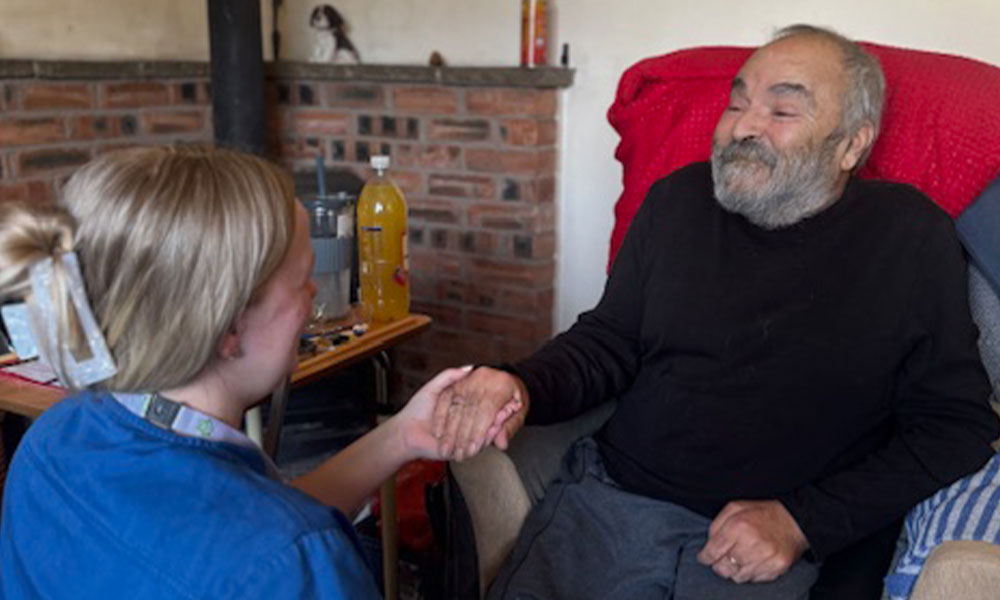
Medication and health routines
We can help with prescribed medicines as agreed in your care plan and risk assessment. Carers receive the training and practical checks needed for the medication tasks they provide.
- Prompts or assistance with agreed prescribed medicines
- Following an individual written seizure plan where epilepsy is part of the person’s care
- Keeping the medication administration record and secure digital care notes up to date
- Reminders, preparation and accompaniment for agreed appointments
- Reporting missed doses, side effects, seizures or other concerns through the agreed route
Your prescriber decides which medicines and doses you need. Our carers follow those instructions and, where relevant, your individual seizure plan, including the agreed steps for seeking urgent help.
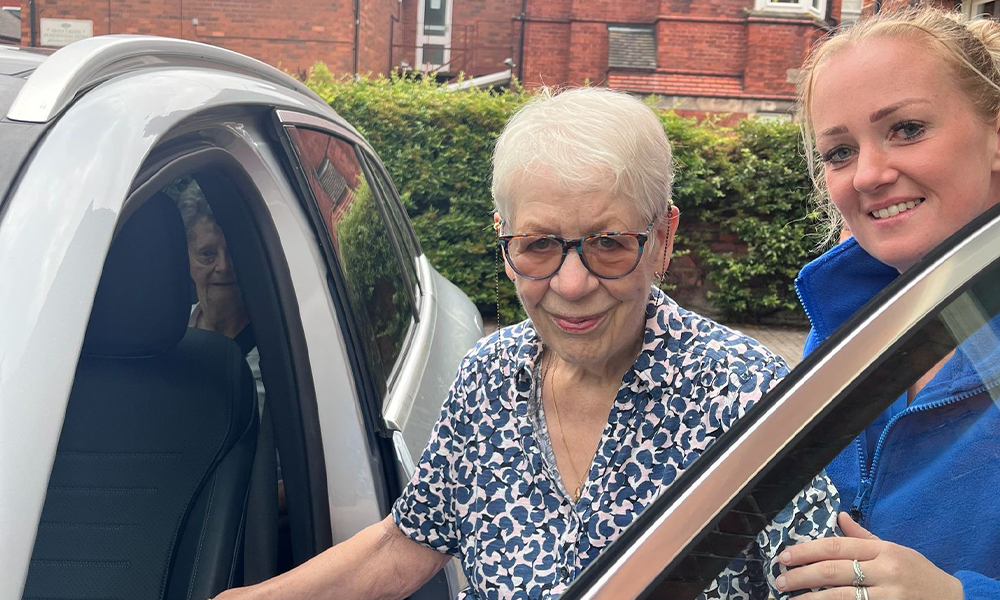
Independence, community life and family respite
We can help you make time for interests, relationships and plans outside the home, as well as everyday care.
- Support with work, study, hobbies and social plans where agreed
- Accompaniment to local activities, shops or appointments
- Help organising the home and preparing for the day ahead
- Regular sitting visits or longer respite arrangements
- Updates for relatives where the person has consented and this is appropriate
A familiar practitioner can provide individual support and companionship while giving a parent, partner or other family carer genuine time away from the caring role.
Working with your health and therapy team
Putting professional advice into practice during care visits
You may already have advice from a physiotherapist, occupational therapist, speech and language therapist or another professional. With your agreement, we bring the relevant instructions into your care plan, including how to use equipment, support communication and help with meals or movement.
Supporting an agreed plan at home
The care plan can bring relevant instructions, routines and responsibilities into one clear record for the care team. With the person’s agreement, practitioners may use assessed equipment, follow moving-and-handling and positioning guidance, support prescribed medication, reinforce communication methods and follow professional eating or drinking instructions.
During visits, practitioners can record meaningful changes in movement, pain, fatigue, skin condition, eating, drinking, communication, seizures or daily ability. Concerns are shared promptly through the route agreed in the care plan so the appropriate clinician or professional can decide what should happen next.
Keeping your care team informed
If you tell us something is uncomfortable or a carer notices a change, we record it and contact the appropriate person using the arrangements in your care plan. Your doctors, nurses and therapists remain responsible for diagnosis, treatment, prescribing and therapy decisions.
After a hospital stay, new equipment or revised professional advice, we review what this means for your visits. We update the care plan and brief your carers before they provide the revised support.

Why choose CM Bespoke Care
A local team that takes the time to learn how you like things done
We are a family-owned and managed care agency with offices in Cleobury Mortimer and Church Stretton. We know that small details matter when someone is helping with personal routines or equipment. We listen to your instructions and preferences, from the order you get ready in to how you want a carer to check that you are comfortable.
We aim to provide a small, familiar team wherever possible, with a dedicated care manager you can speak to about your support. Clear handovers and regular reviews help carers keep up with changes, so you can discuss what is working and what you would like done differently.
Our cerebral palsy care experience and standards
Experience, suitable matching and dependable oversight
Our experience supporting adults with cerebral palsy informs how we plan care around movement, communication, fatigue and personal routines. We match carers with the skills your care requires and consider their personality and approach too, helping you build a comfortable working relationship with the people supporting you.
- Practitioner matching that considers relevant training, condition experience, assessed competencies, personality, communication style and location
- A small, consistent group of practitioners wherever possible
- Shadow shifts, observations, spot checks, supervision and task-specific competency assessment
- A dedicated care manager, secure digital records and seven-day on-call support for existing clients
- Formal care-plan reviews at least monthly and whenever needs change
- Rated Good by the Care Quality Commission for our registered domiciliary care service
What people say about CM Bespoke Care
Real experiences shared by clients and families
Choosing care involves trusting people with the details of daily life: arriving as agreed, communicating respectfully, following the care plan, noticing change and helping the person remain in control. Independent Google reviews share how clients and families have experienced care from CM Bespoke Care.
Arranging your cerebral palsy home care
From a conversation about your day to an agreed plan
We begin by listening to the help you want and explaining how our team can provide it. A free home assessment then gives us time to understand your routines, equipment and preferences in more detail and recommend an arrangement with you.

Tell us what is happening
Tell us the general area where you live, when help would be useful and any dates you are working towards. Let us know how you prefer to communicate so we can make the conversation work well for you.

Free home assessment
A trained senior team member will usually visit you at home to discuss your routines and see how you prefer assistance to be provided. We talk through equipment, communication and any professional guidance, allowing time for you to explain what works. You can involve someone you trust. Most assessments take around 60 to 90 minutes, with more time available when needed, and there is no obligation to proceed.

Your care plan and matched carers
We record the support you have agreed, including your preferences and the practical instructions carers need to follow. Our management team matches carers with suitable skills and experience, taking account of communication and personal fit. Each carer receives a full handover before visits begin.

Care begins and stays under review
A dedicated care manager oversees continuity, communication and quality. The plan is formally reviewed at least monthly and whenever health, mobility, communication, medication, equipment, routines or family circumstances change.
Choosing how care fits into your week
Regular visits, longer periods of assistance or respite for relatives
You may want support with getting ready each morning, help during a family carer’s break or a carer living in your home. We explain the options during your free assessment and discuss how each could fit around your activities, relationships and preferred routines.
Visiting Home Care
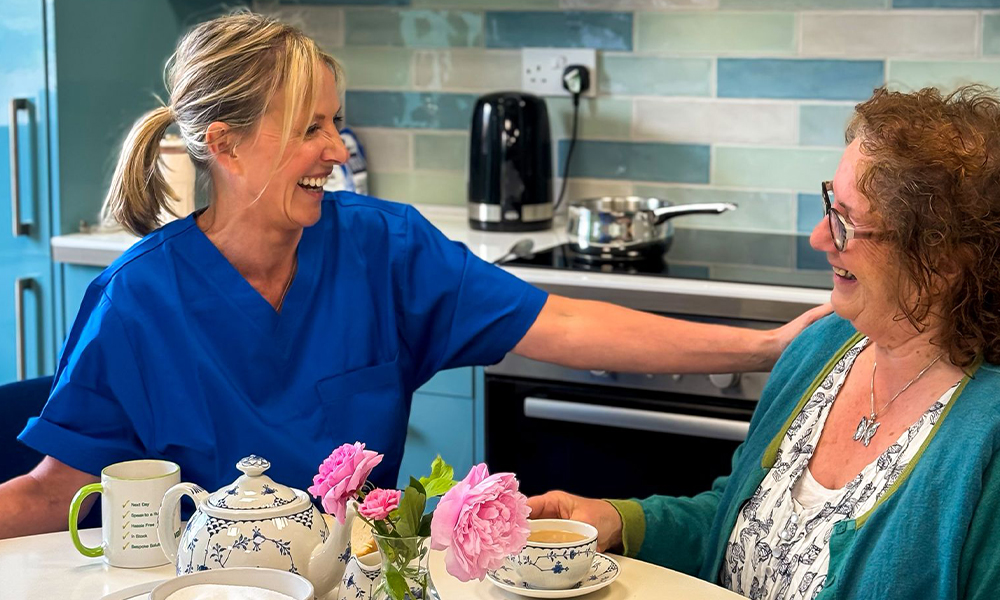
Visits can help with getting ready for work or study, preparing meals, personal care and agreed mobility or medication routines. We discuss useful times and visit lengths so assistance fits around the plans you want to make.
Explore Home Care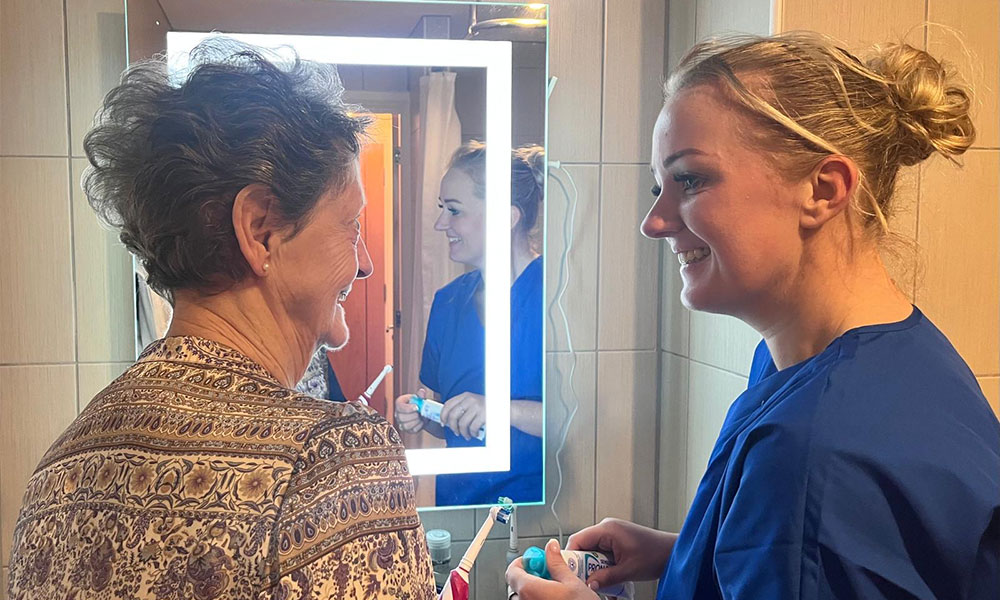
Live-in Care
A carer lives in your home and assists with the daily routines agreed in your care plan. This can offer more time to get to know how you communicate, use equipment and prefer practical tasks carried out, alongside company and help with everyday plans.
Explore Live-in Care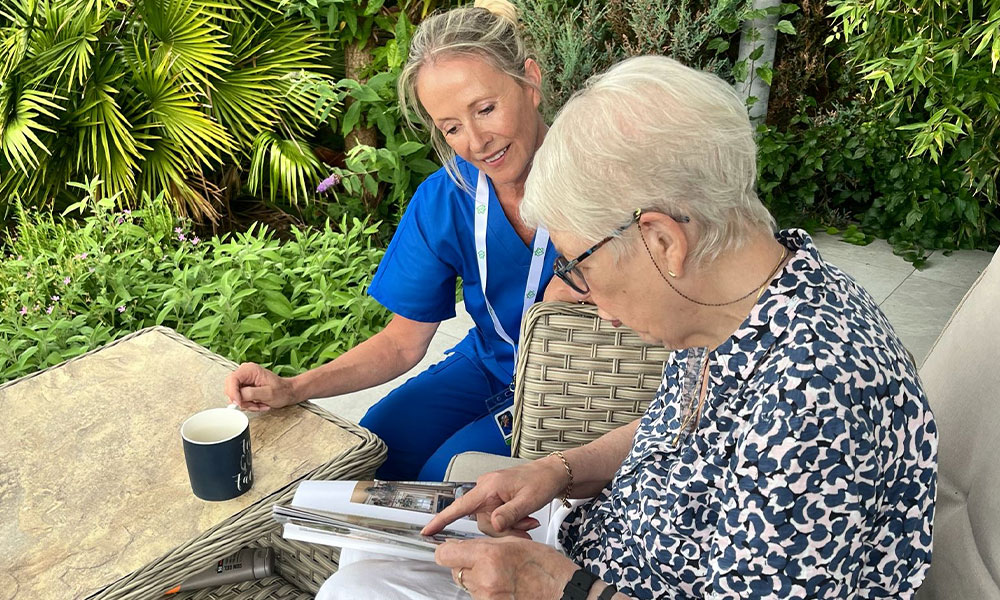
Respite Care at Home
We learn your routines, communication preferences and the assistance you want before taking over agreed care tasks. Your parent, partner or other family carer can then take time for themselves while you receive support at home.
Explore Respite Care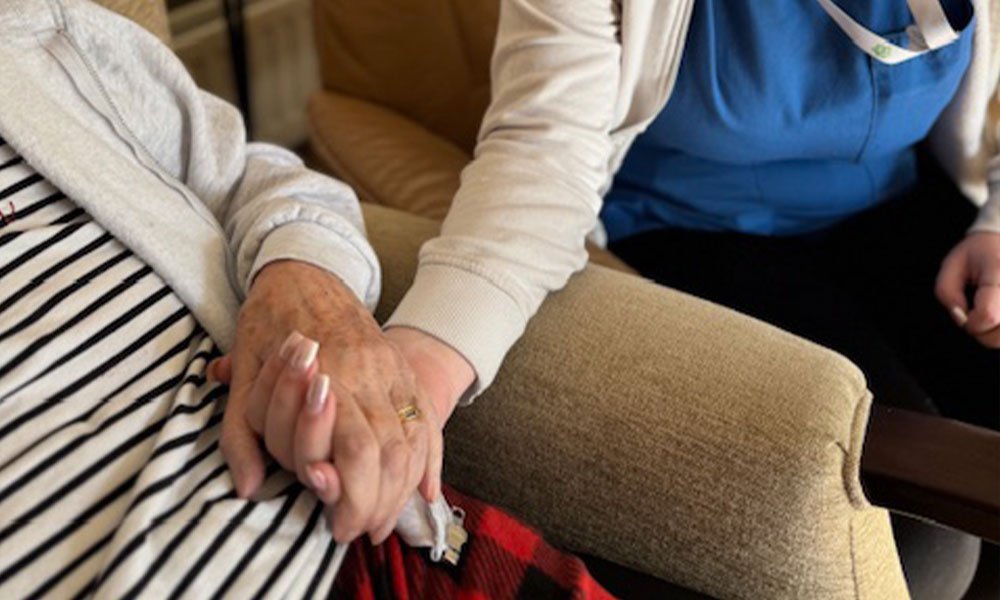
Palliative Care at Home
Cerebral palsy is not itself a terminal condition. If an adult develops another life-limiting illness, Palliative Care at Home may provide personal and practical support alongside the healthcare and hospice professionals involved.
Explore Palliative CareWhere we provide cerebral palsy care at home
Supporting adults across Shropshire and neighbouring communities
We support adults across Shropshire and welcome enquiries from North Worcestershire and parts of Herefordshire. Tell us the general area where you live and how you would like care to fit into your week. Our team can discuss local availability and arrange a free home assessment.
Whether you are arranging support for yourself or helping someone close to you, we will listen to your priorities and explain the next steps. You can explore our local Home Care services using the links above.
Home care in Shropshire
Home care in Herefordshire
Home care in Worcestershire
Locally coordinated care across our service area
Speak with our team in Cleobury Mortimer or Church Stretton
Our two offices help us organise care across Shropshire, North Worcestershire and parts of Herefordshire. The maps below show where we are based. From here, we coordinate visits and stay in touch with clients, relatives and carers about day-to-day arrangements.
Ground Floor Office Suite, Upper Baveney Park, Cleobury Mortimer, Kidderminster, Shropshire, DY14 8LF
Unit 1, Sandford Court, Sandford Avenue, Church Stretton, Shropshire, SY6 6BH
Cerebral palsy information and support resources
Advice, shared experiences and help finding practical assistance
You may want to connect with other adults living with cerebral palsy, explore equipment funding or ask about council support. Alongside our home care, the independent organisations below offer information and services that can help you explore these questions.
Cerebral palsy information and community support
NHS information about cerebral palsy
The NHS guide explains how cerebral palsy can affect movement, communication, eating and other aspects of daily life, as well as the treatments and professionals that may be involved.
Read the NHS cerebral palsy guide
Shropshire Cerebral Palsy Society
This local charity considers grant applications from people with cerebral palsy of any age who live in Shropshire or Telford and Wrekin. Grants may help with equipment, activities or other items intended to improve quality of life.
Learn about grants and eligibility
Scope Cerebral Palsy Network
Scope’s Cerebral Palsy Network is an online community for adults aged 18 and over with lived experience of cerebral palsy, and for people supporting someone with the condition. It offers opportunities to connect, share experiences and discuss topics chosen by members.
Assessments and practical support
Shropshire Council Care Act assessment and direct payments
A Care Act assessment looks at day-to-day needs, goals and eligibility for council support. Eligible adults can ask about a direct payment, which may provide a way to arrange agreed care and support. This council assessment is separate from CM Bespoke Care’s free service assessment.
Read about the Care Act assessment and direct payments for adults.
Shropshire carers’ assessment
A carers’ assessment is a free conversation about how caring affects the carer’s health, work, relationships and wellbeing, and what support may help. It is separate from the assessment of the person receiving care.
Read about carers’ assessments
Children’s Community Physiotherapy in Shropshire
For families supporting a child or young person, Shropshire Community Health NHS Trust’s Children’s Physiotherapy Service provides assessment and treatment for conditions including cerebral palsy. This is a children’s health service and is separate from CM’s adult home-care provision.
Frequently asked questions about cerebral palsy home care
Talk to us about cerebral palsy home care
A free home assessment to explore the support you want
Tell us what you would like help with, how you prefer to communicate and the general area where care is needed. We will talk through your priorities, answer your questions and explain how our team could support your daily routines.
We can arrange a free, no-obligation home assessment to meet you and discuss care in more detail. You are welcome to involve a relative or someone you trust. Together, we can consider practical assistance, relevant professional advice and the kind of carer you would feel comfortable having in your home.