





Parkinson’s care that fits your daily routine
Help where you need it, with time to do things yourself
You may want more time and assistance with washing and dressing, help preparing meals or someone to accompany you out. The support that feels useful in the morning may be different later in the day. We take time to understand how Parkinson’s affects your routines, what you want to continue managing yourself and where a carer could help.
At CM Bespoke Care, we already support people and families living with Parkinson’s. Our Home Care service can include personal care, meals, medication support, household tasks and companionship. We agree the assistance with you and take account of relevant advice from your Parkinson’s nurse, specialist and therapists.
Care can begin with help at particular times or a more substantial arrangement across the day. Our free, no-obligation assessment lets us discuss your needs, the proposed visits and costs together. If a relative or friend is helping you arrange care, we include them in the way you want and agree how information should be shared.
Parkinson’s care at a glance
- Experience supporting people and families living with Parkinson’s
- A free, no-obligation assessment and individual care plan
- Visiting care from 30 minutes, with longer visits where needed
- Medication support agreed around prescribed instructions and timings
- Personal care, meals, mobility assistance and companionship
- A dedicated care manager and reviews as needs change
- Rated Good by the Care Quality Commission for our registered domiciliary care service
Understanding Parkinson’s and everyday life
Each person’s experience is different
Parkinson’s is a progressive neurological condition. It develops when nerve cells that produce dopamine, a chemical involved in controlling movement, are lost. Slower movement, stiffness and tremor are common effects, while sleep, mood and other aspects of daily life can also be affected.
Symptoms vary between people and can change during the day. Someone may manage a task comfortably at one time and need help with it later. Allowing time, listening to the person and understanding their usual pattern are important when planning everyday assistance.
Medication and professional therapies can help manage symptoms. Your healthcare team remains responsible for treatment, while personal and practical care can support the routines around it. The NHS information about Parkinson’s explains the condition, treatment and sources of support.

Around 166,000 people
Parkinson’s UK’s 2025 estimates put the number of people diagnosed with Parkinson’s across the UK at around 166,000. Source: Parkinson’s UK, 2025 estimates.
Over 1 in 3 diagnosed before 67
In the UK population described by Parkinson’s UK’s 2025 study, over a third of people living with Parkinson’s had been diagnosed before age 67. Care planning may therefore need to consider work, family responsibilities and an active social life. Source: Parkinson’s UK, 2025 study.
173,000 projected by 2030
Parkinson’s UK’s 2025 projections estimate that 173,000 people in the UK will have Parkinson’s by 2030 as the population grows and ages. Source: Parkinson’s UK, 2025 projections.
When might care at home help?
Help with the routines you would like to manage more easily
There is no single point when everyone with Parkinson’s needs paid care. We welcome enquiries when you would like help with particular tasks, want to share an existing caring arrangement or need to review how support is working.
People we can support
We welcome enquiries from adults who are:
- Looking for help with personal care or getting ready for the day
- Finding that movement or energy changes affect everyday routines
- Needing support with prescribed medication arrangements
- Living alone and exploring a suitable care plan
- Returning home after hospital with an agreed support plan
- Sharing daily care with a partner, relative or friend
Our assessment considers the person’s abilities and preferences alongside the home environment, equipment and any healthcare input needed.
What would make your day easier?
You might welcome assistance with:
- Taking enough time for washing, dressing and using the toilet
- Preparing food, drinks and the things you need within reach
- Moving around using agreed aids and assessed assistance
- Planning visits around important routines and medication times
- Keeping up interests, appointments and contact with others
- Arranging reliable breaks for a family carer
Tell us which parts of the day you would like help with. We will work through the options with you and explain what an appropriate arrangement could involve.
What can Parkinson’s care at home include?
Practical help agreed with you
Your care plan sets out the tasks, preferences and professional guidance our carers should follow. The help provided during a visit reflects what you need at that time, while encouraging you to take part in the things you want to do yourself.
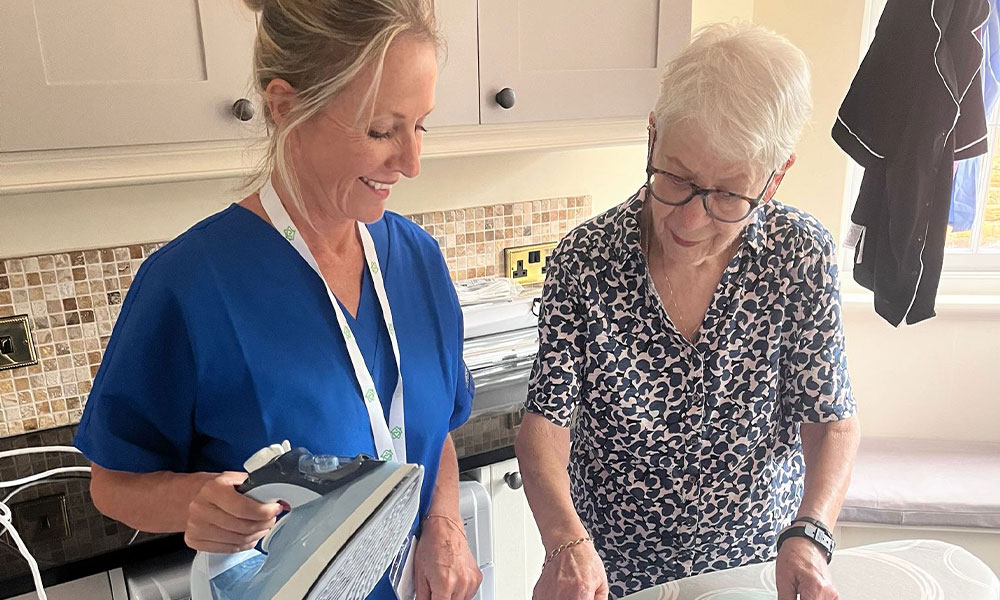
Personal care without rushing
We allow time for your preferred washing, dressing and grooming routine, with assistance that respects your privacy and choices.
- Bathing, showering and getting dressed
- Oral care and personal hygiene
- Toileting and agreed continence routines
- Getting up and preparing for bed
We discuss the help, equipment and staffing required so each task follows your assessed care plan.
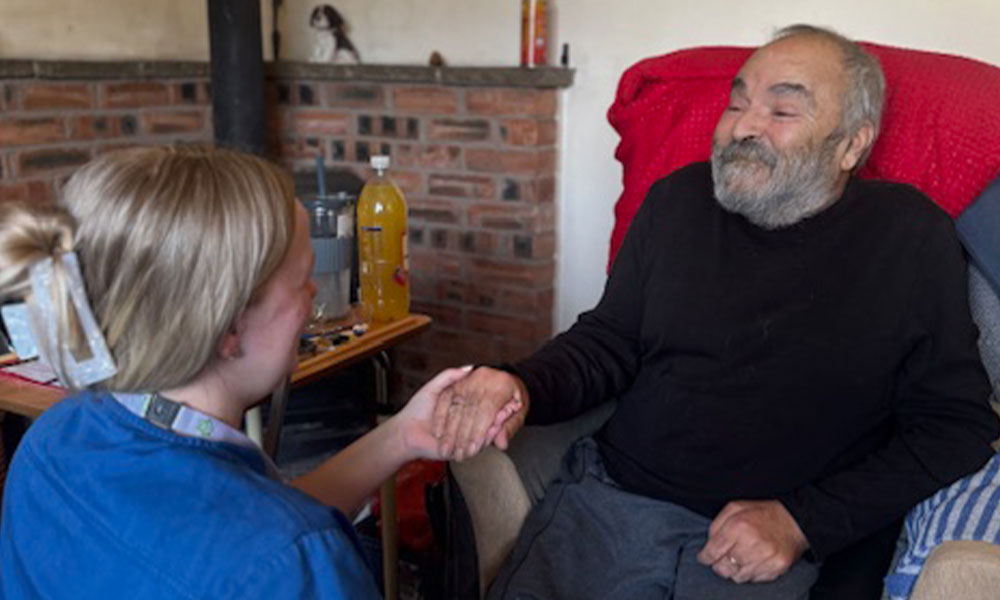
Medication routines
Taking Parkinson’s medication at the prescribed times matters. We assess the support needed and whether the visit arrangement can meet those instructions before care begins.
- Supporting independence with medicines where appropriate
- Agreed prompts or administration by competent practitioners
- Recording support, refusals, omissions or delays
- Following the agreed route for concerns
Our carers follow the care plan and prescription; they do not change doses or medication times themselves.
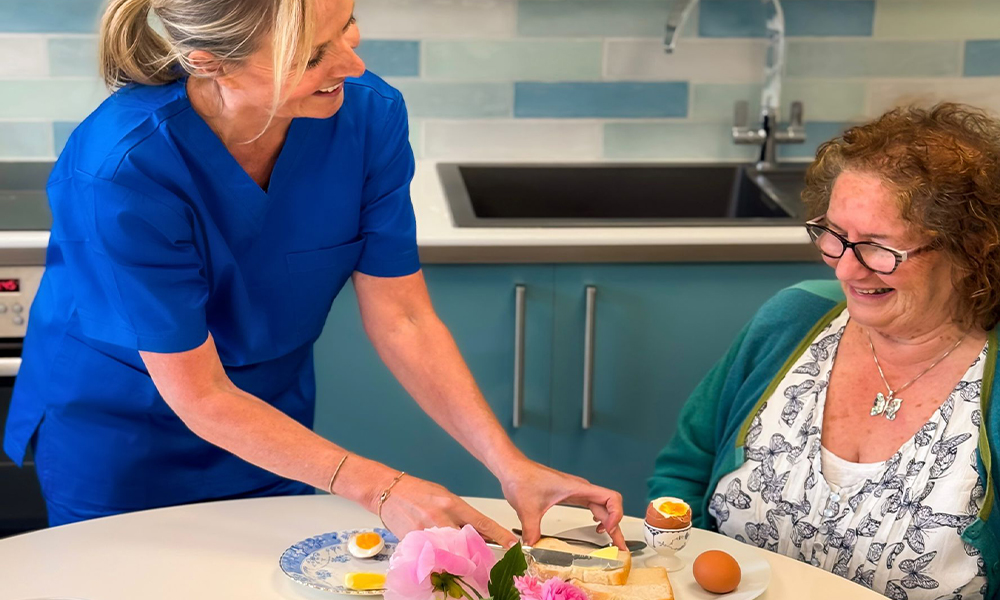
Meals and drinks
We can prepare food you enjoy, help with drinks and offer the assistance you need at mealtimes, giving you time to eat comfortably.
- Meal preparation and light kitchen tasks
- Agreed help with eating and drinking
- Using recommended equipment
- Following written professional guidance
Swallowing concerns need professional assessment. Any food texture, drink consistency or medication-related meal instructions must come from the relevant healthcare team.

Mobility and getting out
We provide assessed assistance with moving around at home and, where agreed, going out for appointments, shopping or a familiar activity.
- Following moving and handling assessments
- Using agreed walking and transfer aids
- Allowing time when movement is difficult
- Following relevant therapist instructions
If freezing or changes in movement affect you, we include professional advice in the plan. Equipment, staff numbers and individual competencies are checked before assistance is agreed.
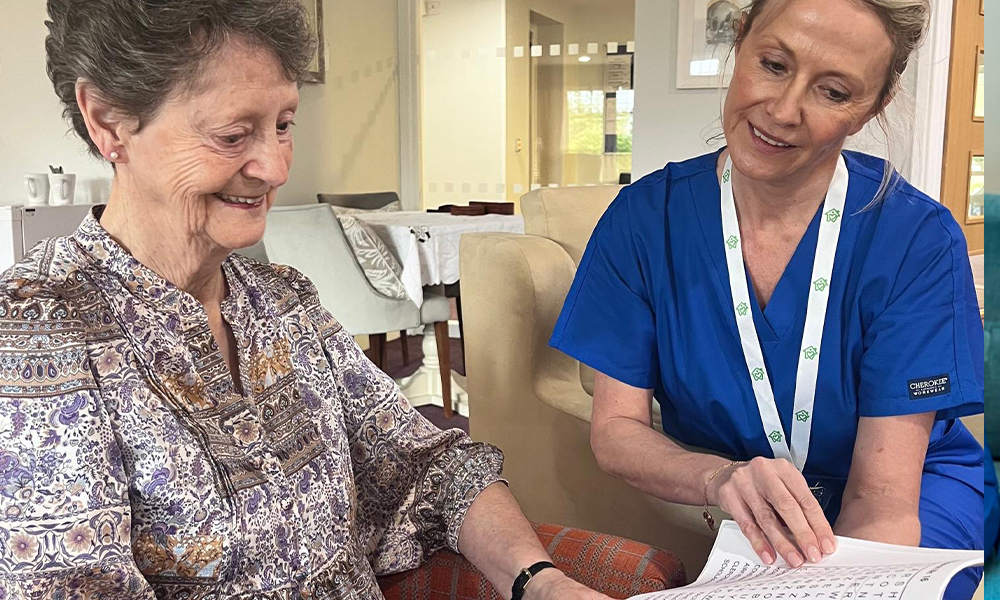
Communication and company
Visits make time for conversation, favourite interests and staying in touch with the people important to you.
- Listening and allowing time to respond
- Following your preferred ways to communicate
- Using agreed communication aids
- Company for hobbies and everyday activities
We speak directly with the person receiving care and check we have understood their wishes. Any speech and language therapy remains with the appropriate professional.
Keeping the household running
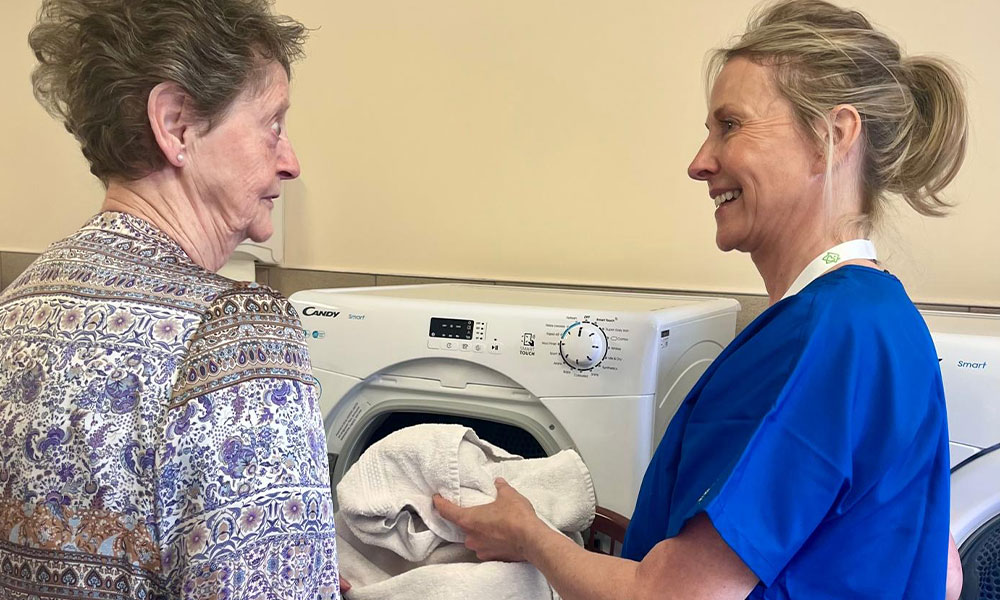
Practical assistance can help you keep on top of the household tasks that take time or energy, alongside your personal care.
- Light cleaning and laundry
- Shopping and agreed errands
- Preparing what you need for an appointment
- Keeping everyday items accessible
We agree the tasks and time needed with you. Family members can then plan their own involvement alongside the support our carers provide.
Care alongside your Parkinson’s healthcare team
Keeping everyday support connected with professional advice
Our carers provide the personal and practical assistance agreed at assessment. With your consent, we can share relevant information with the professionals involved so the support at home reflects their current advice.
Following your plan between appointments
We ask about the Parkinson’s nurse, specialist, GP and therapists involved in your care, along with any written instructions our team needs to follow. The plan can include medication support, moving and handling, mealtimes, communication and help preparing for appointments.
Carers record visits and relevant observations, including changes you want raised with the care manager. We agree what should be reported, who should be contacted and how authorised relatives can be kept informed. If you are coming home from hospital, we discuss the discharge information, equipment and care arrangements before support begins.
Knowing who to contact when needs change
Your healthcare team remains responsible for diagnosis, prescribing, treatment and therapy. Our practitioners follow the agreed instructions within their assessed competencies; nursing procedures and treatment changes need the appropriate qualified professional.
New or worsening symptoms, falls or difficulty swallowing should be raised promptly with the relevant healthcare professional. Our carers follow the agreed reporting and escalation arrangements and contact emergency services where immediate help is needed. We also review the care plan when changes affect the support required at home.

Why choose CM Bespoke Care?
Local care teams with time to listen
We are a family-owned and managed care agency with offices in Cleobury Mortimer and Church Stretton. Our service has grown through recommendations and local relationships. For people living with Parkinson’s, we take time to understand the familiar details of home life: how you like to get ready, what matters in your day and how you want someone to help.
Our local management teams coordinate care planning, practitioners and travel across the areas we serve. Once support begins, your dedicated care manager is someone you can speak to about visits, communication and changing needs. We welcome feedback from the person receiving care and involve relatives in line with their wishes, helping the arrangement stay relevant as circumstances develop.

Carers matched to your Parkinson’s support needs
Preparation, practical experience and ongoing oversight
We consider each practitioner’s relevant training, assessed competencies and experience alongside your routines, communication preferences and personality. Location and availability also shape the match, with continuity built into planning wherever possible.
- Experience supporting people and families living with Parkinson’s
- Individual care plans and relevant risk assessments
- Induction, practical learning and shadow shifts
- Ongoing competency checks, observations and supervision
- Secure digital care records and agreed family communication
- Formal care-plan reviews at least monthly and when needs change
- Rated Good by the Care Quality Commission for our registered domiciliary care service

What clients and families say
Experiences of everyday care and communication
Read independent reviews from people and families we have supported. Their experiences can help you get to know our approach to visits, communication and the practical details of care at home.
How we arrange Parkinson’s care at home
From your first enquiry to regular review
Contact us for yourself or with someone close to you. We will discuss the help you are looking for, explain the assessment and give you time to consider the proposed arrangement.

Tell us what you need
Let us know the general area, when you would like help and the routines involved. We discuss your questions and explain how to arrange an assessment.

Meet for a free assessment
A senior team member explores your needs, wishes, home environment and relevant professional guidance. The assessment is free, with no obligation to arrange care.

Agree the plan and carers
We prepare the care plan, complete risk assessments and identify suitable practitioners. You can discuss visit arrangements, responsibilities and costs before confirming the package.

Begin care and keep talking
Carers receive a handover before support starts. Your care manager reviews how visits are working and discusses adjustments when your needs or preferences change.
Ways to receive support at home
From planned visits to a more substantial care arrangement
We discuss the help needed across the day and night, including what happens between visits. Our assessment helps us recommend suitable options and check location, visit times and available practitioners before agreeing care.
Visiting Home Care
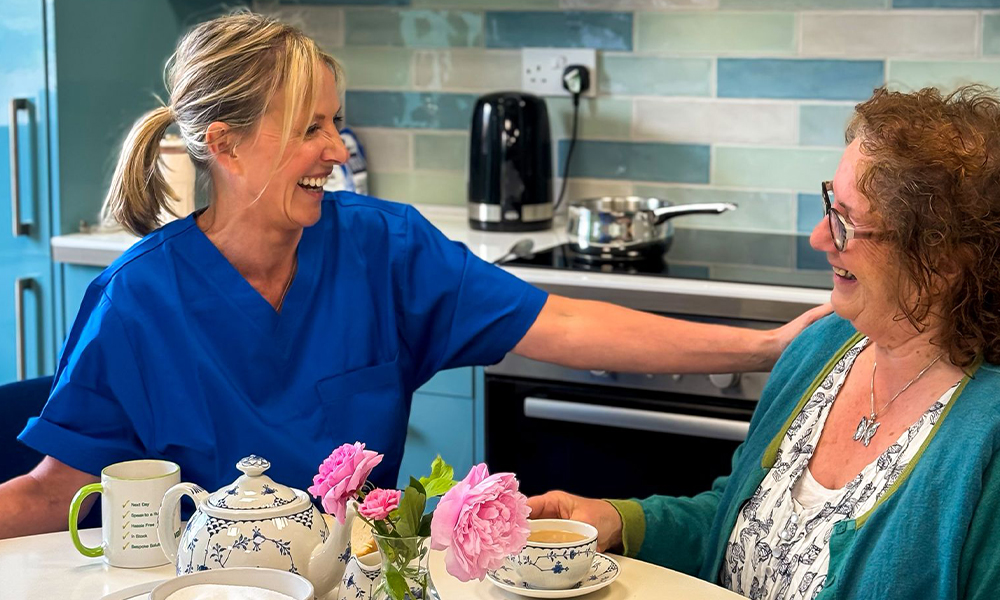
Visits from 30 minutes can help with personal care, meals, medication routines and household tasks. We agree the length and frequency around the assistance needed.
Explore Home Care
Live-in Care
A carer living in your home can offer substantial daily help and company. A private bedroom, breaks and overnight needs are agreed; continuous waking support needs separate staffing.
Explore Live-in Care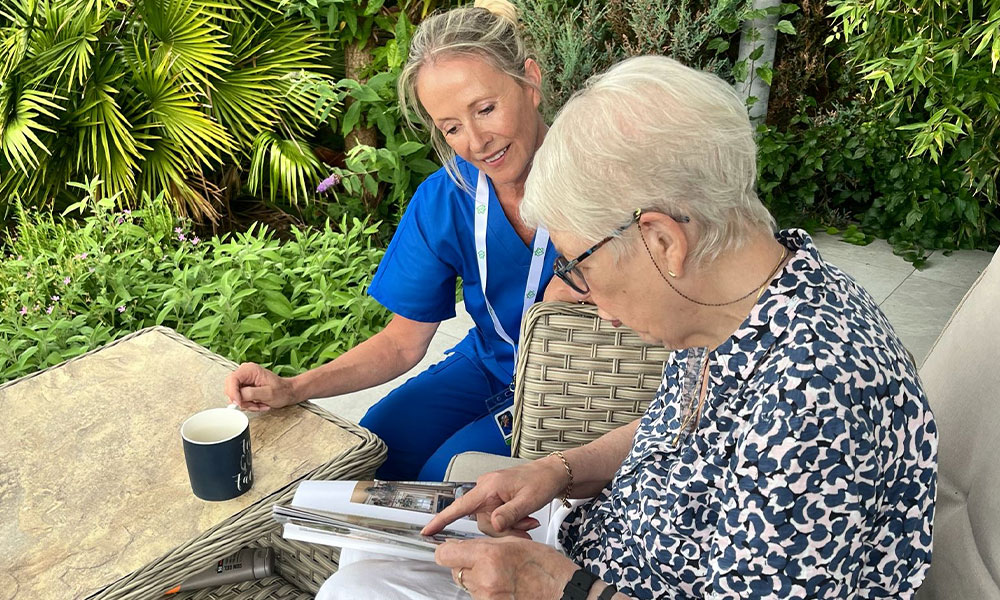
Respite Care at Home
Temporary support lets a regular family carer take a break while agreed routines continue. We discuss dates, handover information and the assistance needed during their time away.
Explore Respite Care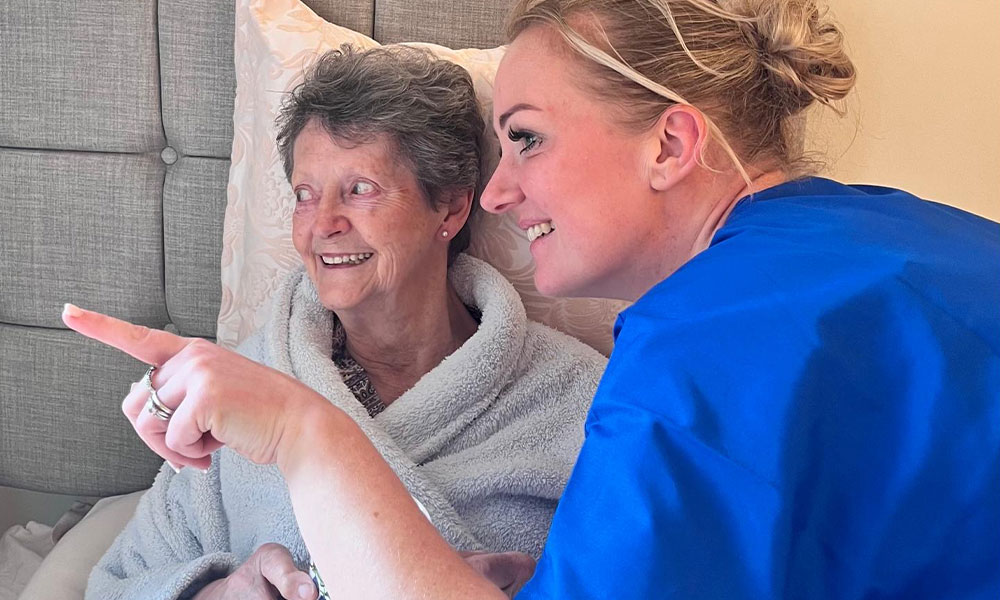
Night Care
We can discuss help with toileting, repositioning and settling overnight. Sleeping-night and waking-night care meet different needs, so expected assistance and staffing are assessed before arrangements are agreed.
Discuss night careParkinson’s care in Shropshire and nearby areas
Local support coordinated through our two offices
We welcome enquiries across Shropshire, including Shrewsbury and communities around our Cleobury Mortimer and Church Stretton offices. We also support people in North Worcestershire and parts of Herefordshire.
Explore the area pages below for more about our local Home Care services. If your town or village is not listed, contact us so we can check your location and discuss the support you would like to arrange.
Home care in Shropshire
Home care in Worcestershire
Home care in Herefordshire
Our local care offices
Based in Cleobury Mortimer and Church Stretton
Our two offices coordinate care planning, practitioner support, travel and communication across Shropshire, North Worcestershire and parts of Herefordshire. We check local visit arrangements alongside the person’s needs when discussing a care package.
Ground Floor Office Suite, Upper Baveney Park, Cleobury Mortimer, Kidderminster, Shropshire, DY14 8LF
Unit 1, Sandford Court, Sandford Avenue, Church Stretton, Shropshire, SY6 6BH
Parkinson’s information and local support
Useful routes alongside your care enquiry
Specialist information, local activities and council assessments can help you explore support beyond daily care visits. These independent services offer different kinds of advice and assistance.
Parkinson’s and healthcare support
Parkinson’s UK local support finder
Search by town or postcode for Parkinson’s advisers, local groups, activities and other support. You can use the finder to explore what is available near you in Shropshire, Worcestershire or Herefordshire.
Find Parkinson’s UK support near you.
Shropshire Community Neuro Rehab Team
This NHS team supports adults with a confirmed acquired neurological condition, including Parkinson’s, who have a Shropshire or Telford and Wrekin GP. A GP, consultant or other healthcare professional can make a new referral; ask your professional team whether this is the right route for you.
Explore the Community Neuro Rehab Team.
NHS Parkinson’s guidance
The NHS explains treatment, living with Parkinson’s and the professionals who may be involved. Your GP, Parkinson’s nurse or specialist can advise about changes in symptoms and the appropriate treatment or therapy.
Care assessments and practical support
Shropshire Council
First Point of Contact is the starting route for adults seeking social care advice or support for the first time. Ask about a care needs assessment and, if someone provides unpaid care, a separate carer’s assessment.
Contact Shropshire adult social care.
Worcestershire County Council
The adult self-assessment route lets you describe your needs and find advice or seek further assessment. The council explains how to use its online portal or arrange a telephone conversation.
Explore assessment in Worcestershire.
Herefordshire Council
The Advice and Referral Team is the first contact for adult social care enquiries, including care needs, carer and financial assessments. The team can explain the next step for your circumstances.
Frequently asked questions about Parkinson's Disease care at home
Related Articles
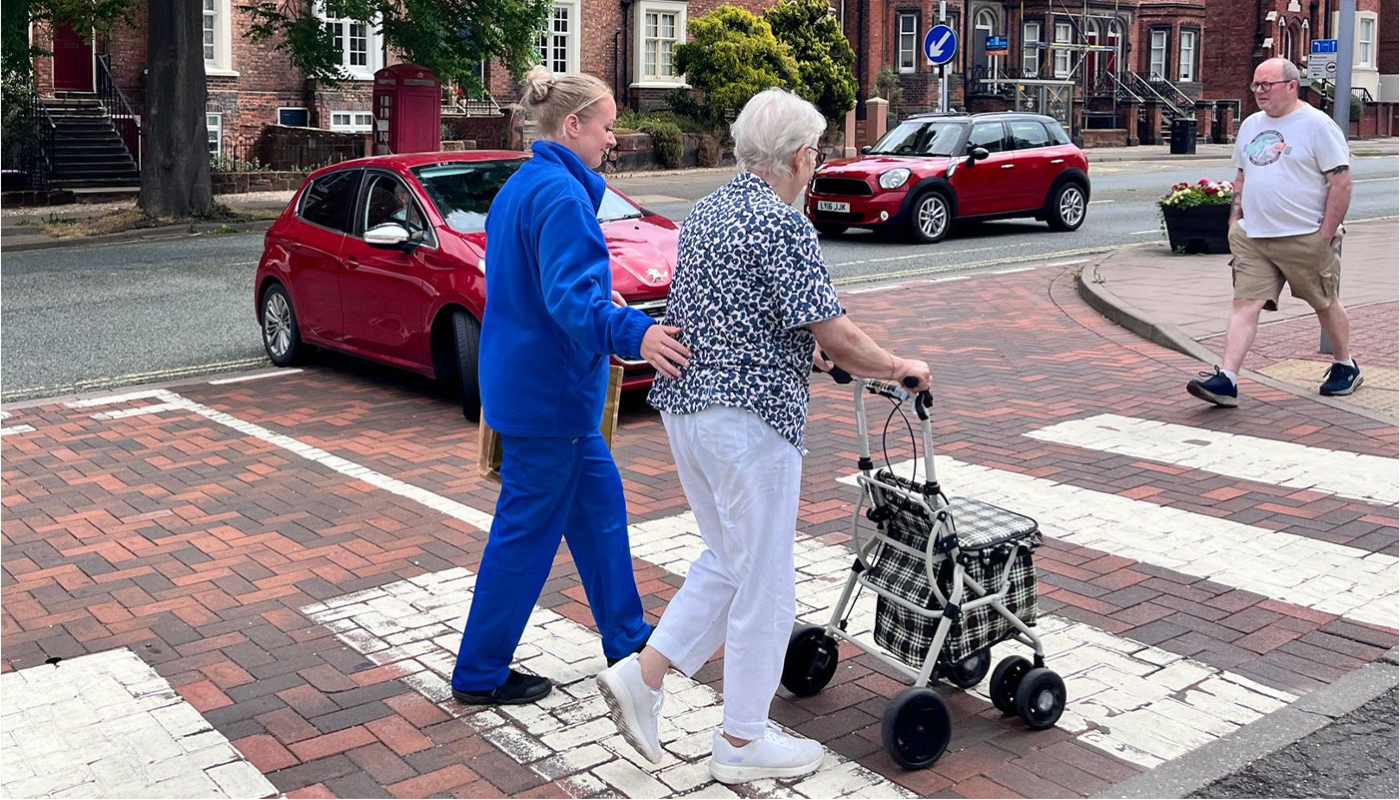
When you need a break: a family carer’s guide to respite care
Taking time away from caring starts with finding support that works for both of you. Explore respite options, questions to ask, possible help with costs and practical steps for preparing a handover, so you can make an informed plan for your break.
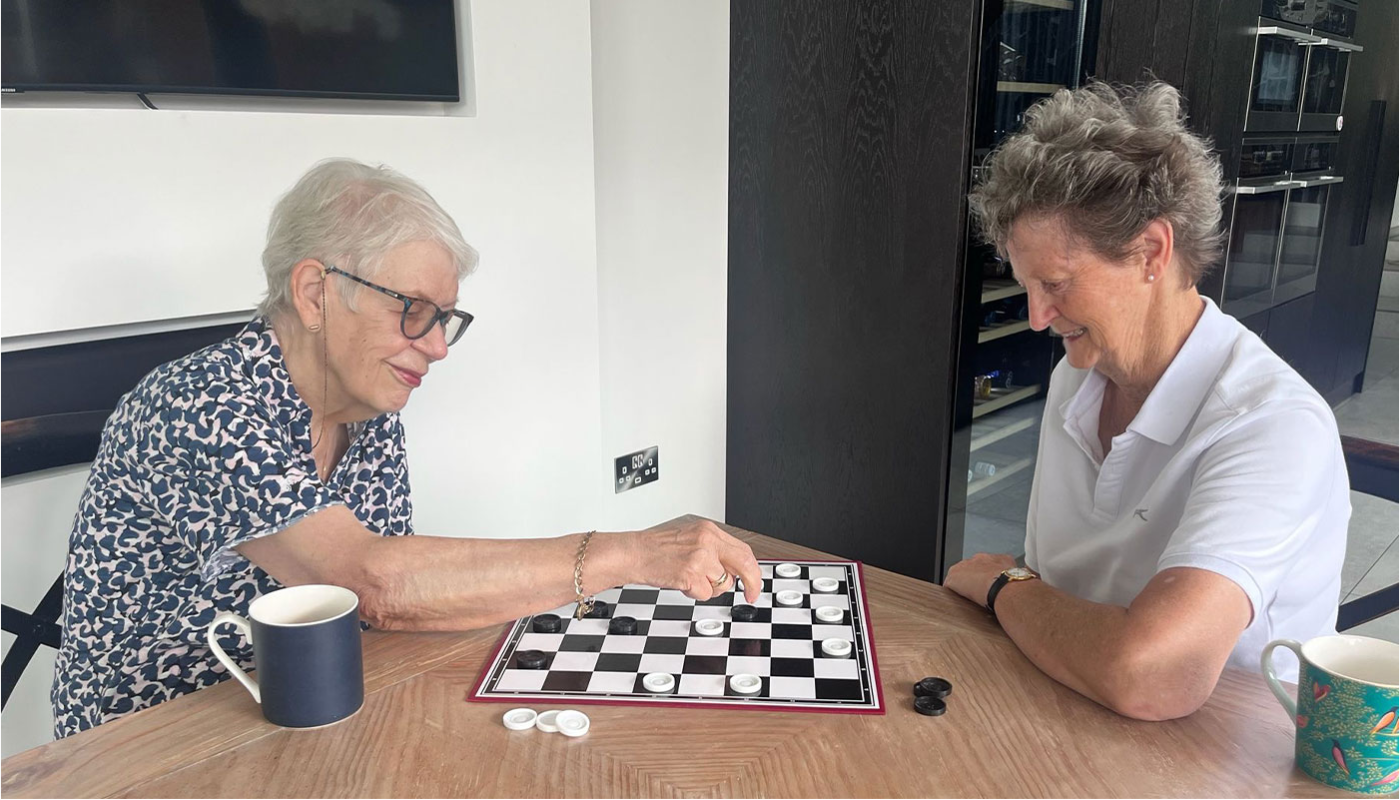
Live-in care or a care home? A family decision guide
Choosing between live-in care and a care home means looking beyond the weekly price. Explore how each option could fit someone’s routines, relationships and support needs, with practical questions about overnight care, funding and the arrangements that make everyday life work.

Paying for home care: costs and funding options
Understand what affects home care costs, which funding options may be available and where to begin. Our guide explains private payment, council assessments, benefits and NHS support, with practical steps for people arranging care in Shropshire, Herefordshire and Worcestershire.
Talk to us about Parkinson’s care at home
Tell us what would make daily life easier
Whether you want help with a particular routine or are reviewing a wider caring arrangement, we are happy to talk through the options. Let us know the general area and the kind of assistance you are looking for.
Our team will explain the free, no-obligation assessment and discuss the support we can offer, suitable visits and costs. You can enquire for yourself or with someone close to you.