




How Home Care can help when someone is living with cancer
Practical care, reassuring company and support that follows the person’s changing needs
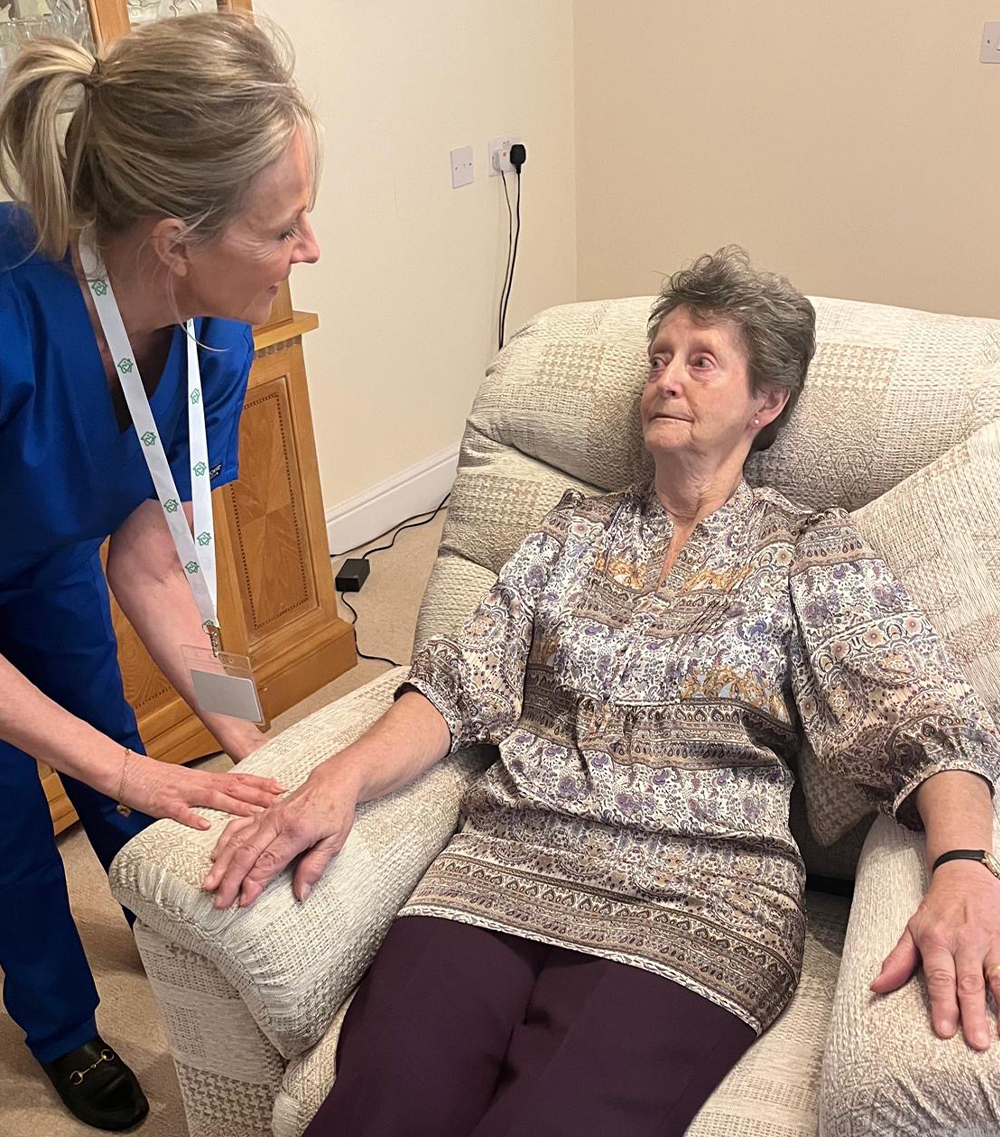
A cancer diagnosis can alter daily life quickly, but the help someone needs is not determined by the diagnosis alone. Treatment schedules, fatigue, pain, nausea, reduced appetite, mobility, recovery from surgery and emotional wellbeing can affect each person differently. Home Care can take pressure away from everyday routines so the person has more energy for what matters to them.
Our team has experience supporting people living with cancer and their families, and we currently provide this care at home. We listen to how cancer and treatment are affecting this individual, what they want to keep doing for themselves, which parts of the day feel difficult and how relatives or friends are already involved.
Support may begin with visits for personal care, meals, medication, household help, companionship or transport to appointments. We also welcome conversations about short-term recovery care, family respite, overnight support, Live-in Care or Palliative Care at Home. Following the free assessment, we match carers by considering their relevant experience, training, assessed competencies and personal suitability for the person.
Cancer care and support at a glance
- Current experience supporting people and families affected by cancer
- Free, no-obligation assessment, normally in the person’s home
- Personalised care plan shaped around health, treatment, abilities, wishes, routines and professional guidance
- Carer matching that considers cancer-care experience, training, assessed competencies and personal fit
- A small, familiar team wherever possible
- Visits from 30 minutes, with short-term and ongoing arrangements available
- Care plans reviewed at least monthly and whenever needs change
- Rated Good by the Care Quality Commission
Understanding the impact of cancer on everyday life
Different diagnoses, treatments and experiences need an individual response
Cancer is a broad term for a group of conditions in which abnormal cells grow and divide in an uncontrolled way. There are many types of cancer, and the effect on daily life depends on factors including the part of the body affected, the stage of the cancer, the treatment being given, other health conditions and the person’s own circumstances.
Some people remain independent throughout treatment and only want help on particular days. Others may need more support after surgery, during chemotherapy or radiotherapy, while managing advanced cancer, or because fatigue and other effects continue after treatment has ended. Needs can vary within the same week or treatment cycle, so care has to be observant and able to respond.
The emotional impact can be just as individual. A person may feel frightened, angry, low, uncertain or simply tired of talking about cancer. They may also want ordinary conversation, familiar routines and time in which the illness is not the focus. Our carers follow the person’s lead, respect privacy and help them retain choice and control wherever possible.
The NHS cancer guide explains symptoms, diagnosis and treatment in more detail. We do not diagnose cancer or provide oncology treatment. Our role is personal and practical care alongside the person’s hospital, GP, nursing, therapy, palliative-care and hospice teams.
Nearly 1 in 2 people
Estimated lifetime risk of being diagnosed with cancer for people born in the UK in 1961. Source: Cancer Research UK, accessed 28 August 2026.
Almost 3.5 million people
People estimated to be living with cancer in the UK in 2025. Source: Macmillan Cancer Support, statistics updated in 2026.
More than 403,000 each year
New cancer cases recorded annually in the UK using the latest combined years reported. Source: Cancer Research UK, data for 2019 and 2021–2022, accessed 28 August 2026.
Who may benefit from Cancer Care and Support at Home
Help can begin at any stage and focus on the parts of life that need it now
People do not have to wait until care needs become extensive or family life reaches crisis point. We welcome early conversations before treatment, after a hospital stay, when difficult days are becoming harder to manage, or whenever dependable help would make home life more comfortable and sustainable.
People and circumstances
Care at home may help:
- someone having chemotherapy, radiotherapy, immunotherapy, hormone therapy or another treatment who needs practical help between appointments
- a person preparing for or recovering from cancer surgery who would benefit from short-term support at home
- someone living with fatigue, weakness, pain, reduced mobility or other effects that make everyday routines more demanding
- a person whose treatment has finished but who is still rebuilding strength, confidence and independence
- someone living alone who would value regular help, company and reassurance
- a person living with advanced cancer who needs more consistent personal and practical support
- partners, relatives or friends who are sharing care and need reliable respite
- families exploring Palliative Care at Home alongside the clinical and hospice teams involved
Signs that a care conversation may help
It may be useful to talk to us when:
- washing, dressing, toileting, oral care or getting ready is taking more energy than the person has
- meals and drinks are difficult to plan or prepare, appetite has changed, or professional dietary guidance needs following
- prescribed medication, appointments or treatment-day routines are becoming difficult to organise
- fatigue means essential tasks use up the energy the person wants for family life, rest or recovery
- walking, transfers, stairs or the use of equipment need assessed support
- the person feels isolated, anxious or less able to continue activities and relationships they value
- help is needed after discharge from hospital or during a change in treatment or health
- a partner, relative or friend is tired, worried or struggling to balance caring with work and family responsibilities
What Cancer Care and Support at Home can include
Flexible help with everyday life, treatment routines, recovery and family wellbeing
The exact support is agreed through assessment and recorded in a person-centred care plan. Our carers work within their training and assessed competencies, follow current written guidance and report meaningful changes through the route agreed with the person, family and professionals involved.
Personal care and daily routines
Fatigue, pain, weakness, breathlessness or restricted movement after treatment can make personal routines difficult. Care may include:
- Washing, showering, bathing, dressing and grooming
- Oral care, toileting and assessed continence routines
- Morning, evening and bedtime visits
- Help to organise clothing, bedding and essential personal items
- Enough time for the person to take part without being hurried
Support is provided with privacy and dignity, encouraging the person to do what they can and want to do for themselves.
Meals, drinks and agreed nutrition guidance
Cancer and treatment can affect appetite, taste, swallowing, energy and digestion. Support may include:
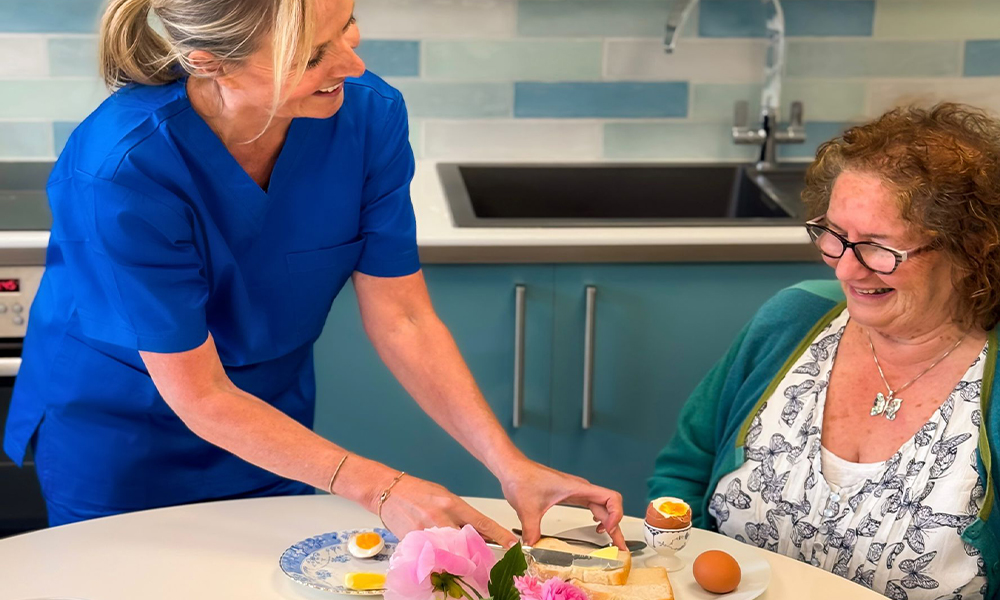
- Planning and preparing preferred meals, snacks and drinks
- Adapting the timing and size of meals around the person’s routine and current plan
- Providing calm company or practical help at mealtimes
- Following written guidance from a dietitian, speech and language therapist or clinical team
- Recording intake and reporting concerns where this forms part of the care plan
Carers do not prescribe a diet or independently change professional guidance. New or worsening eating, drinking, swallowing or weight concerns are reported through the agreed route.
Medication and treatment-day support
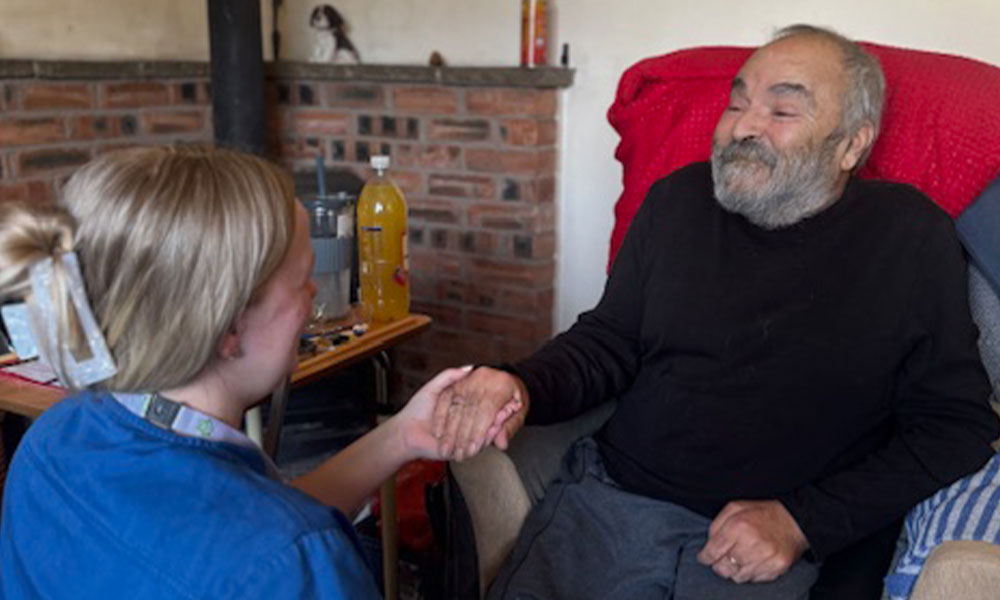
Competency-assessed carers can provide prescribed medication support when it is included in the care plan and risk assessment.
- Prompts or assistance with agreed prescribed medicines
- PRN or controlled medication where written protocols and safeguards are in place
- Medication records on the MAR and secure digital care system
- Help to prepare for appointments and collect agreed essentials
- Accompaniment or transport to treatment and follow-up appointments where arranged
Oncology treatment, injections, infusions, dressings and other clinical procedures remain with appropriately qualified healthcare professionals unless CM has expressly assessed and agreed a task within its regulated capability.
Mobility, recovery and conserving energy
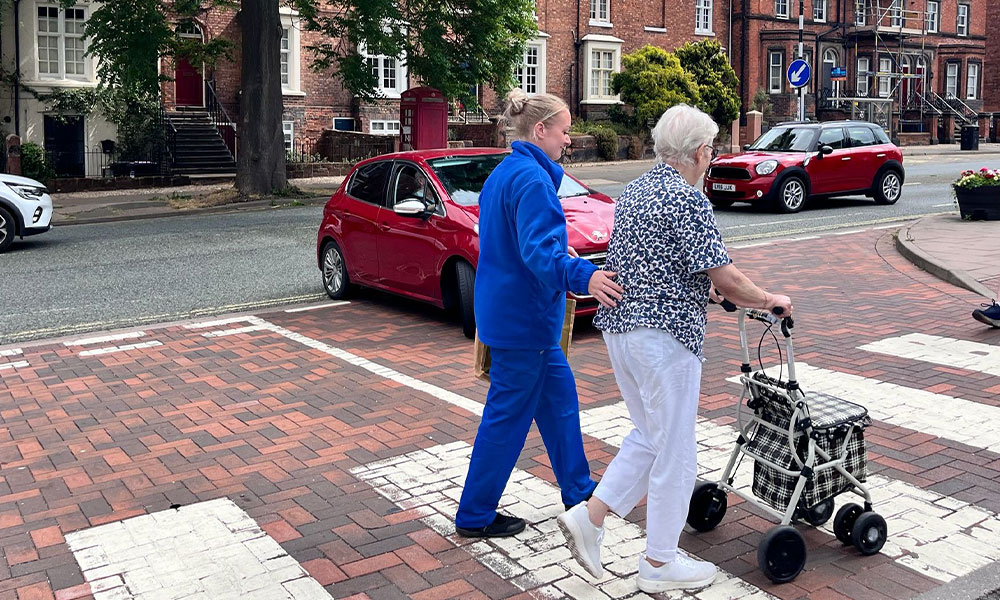
Support can be planned around the person’s current strength, treatment cycle, mobility assessment and recovery goals.
- Assistance with standing, walking and transfers where assessed
- Using prescribed mobility aids and moving-and-handling equipment
- Breaking routines into manageable steps with rest in between
- Keeping essential items within easy reach and reducing avoidable effort
- Following agreed physiotherapy or occupational therapy guidance
Carers notice and record changes such as increasing weakness, falls, dizziness or breathlessness and use the agreed escalation route.
Practical help around the home
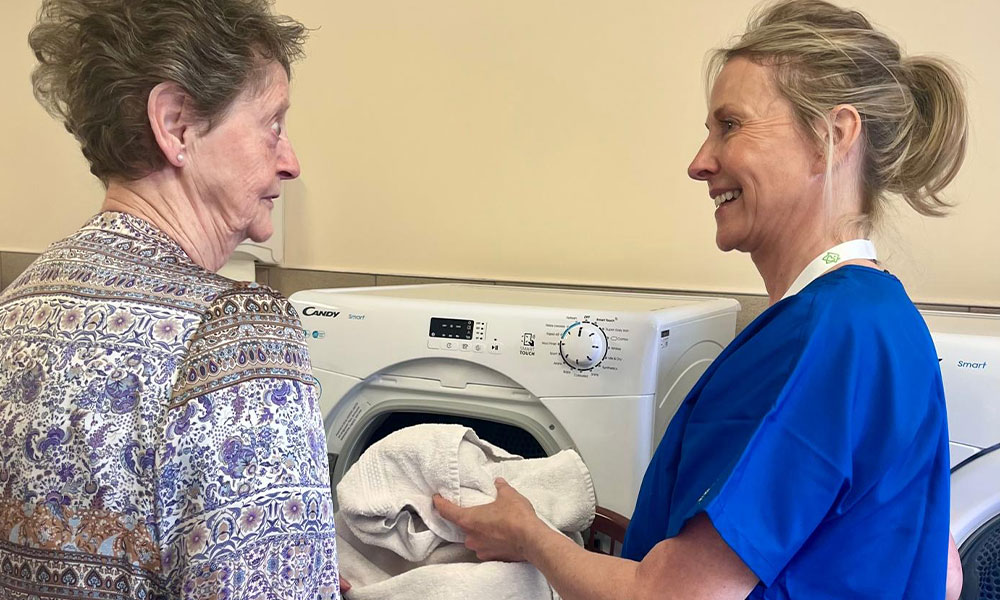
Taking care of essential household tasks can protect the person’s energy and make home feel easier to manage.
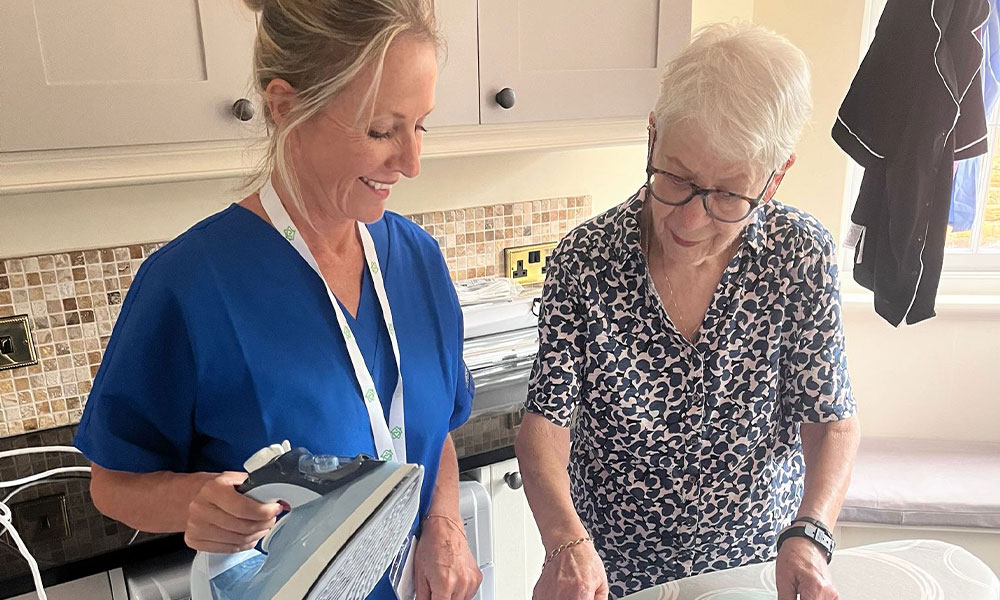
- Light household tasks connected with the care visit
- Laundry, changing bed linen and keeping key areas comfortable
- Shopping and putting away groceries where agreed
- Preparing items needed for treatment days or hospital stays
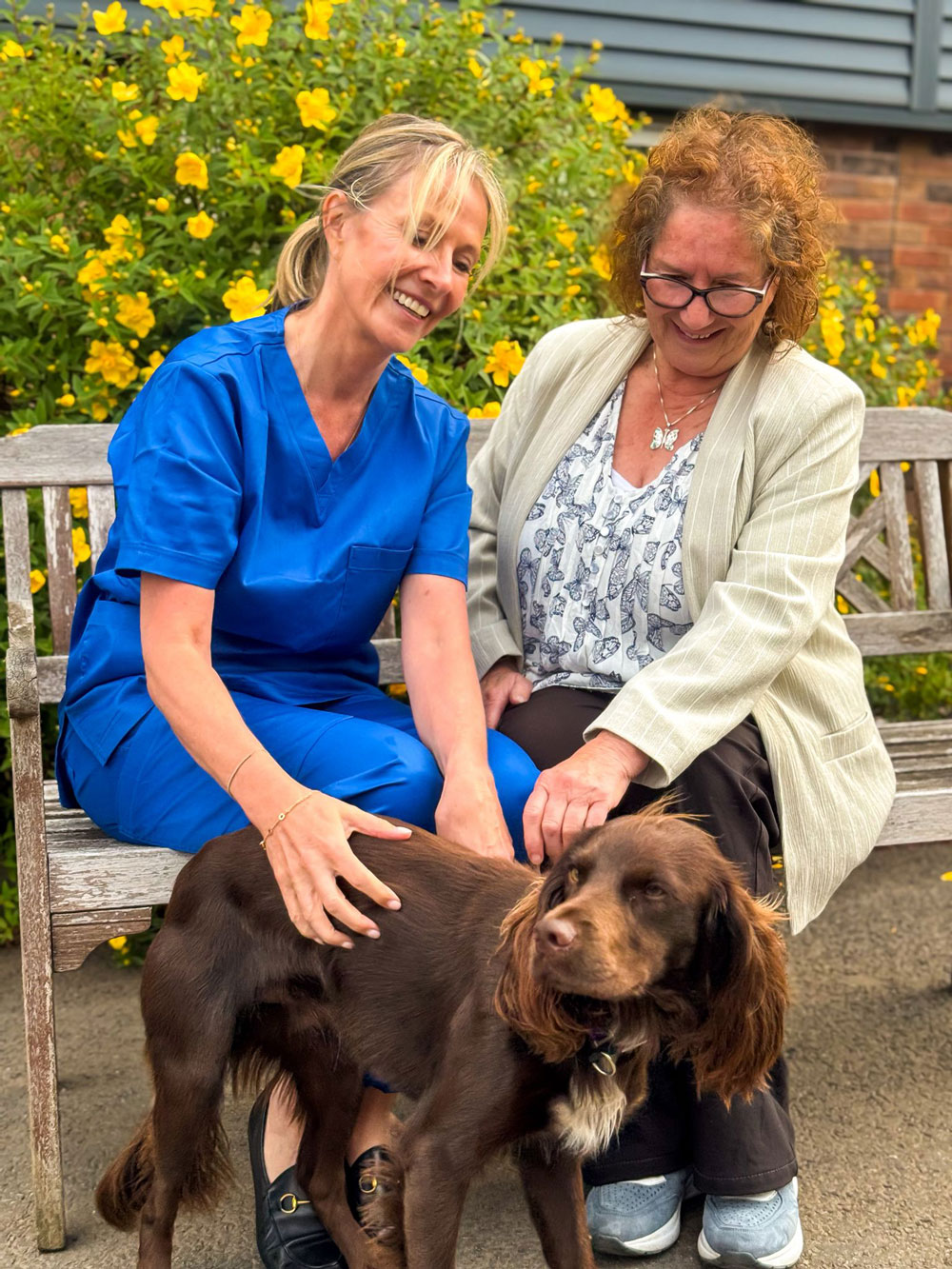
- Help to maintain familiar routines for pets, post and day-to-day organisation
The plan identifies the practical tasks that matter most so visits remain useful, realistic and centred on the person’s priorities.
Companionship, emotional reassurance and family respite
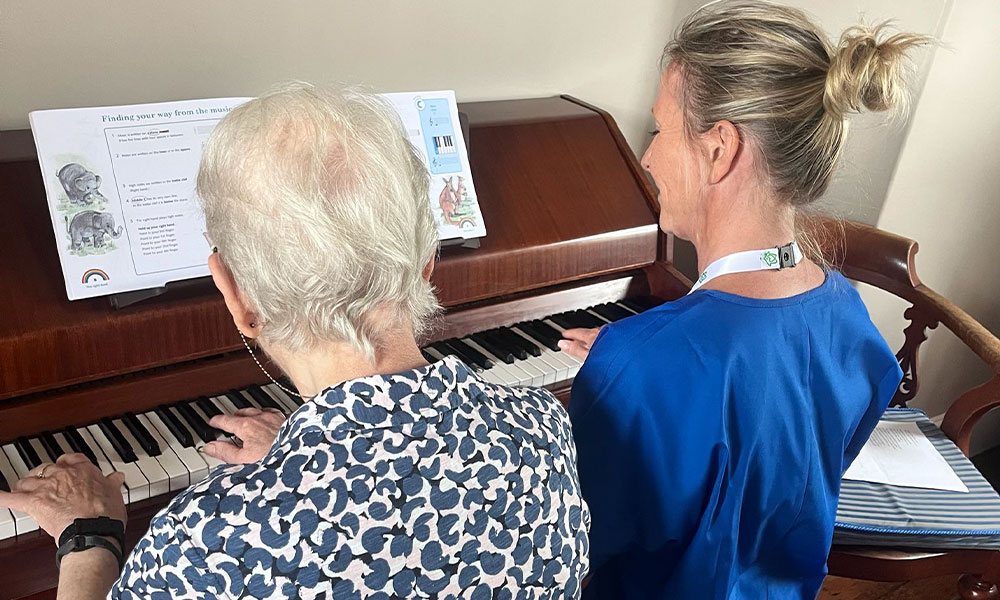
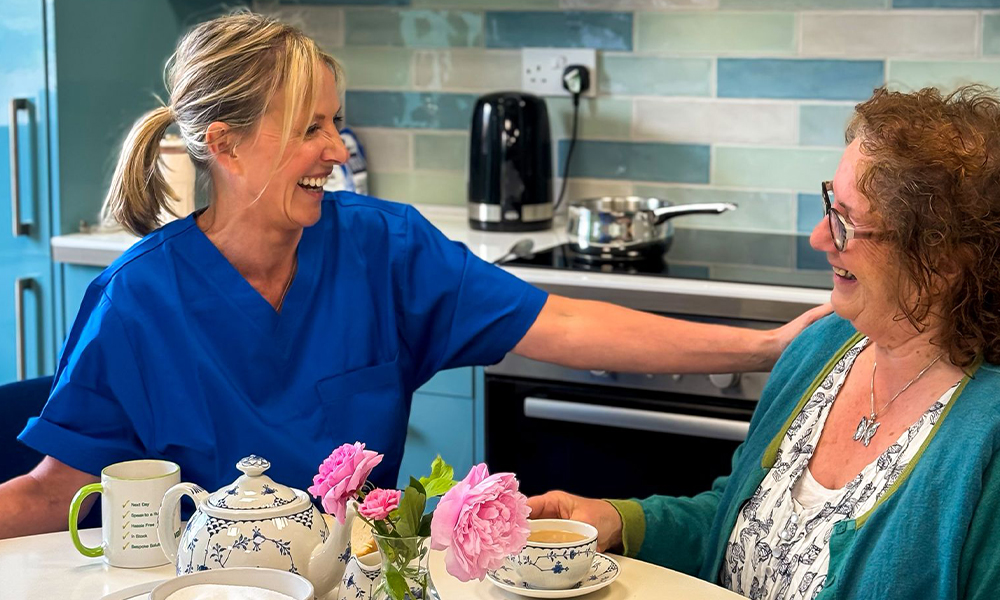
The person may want to talk about cancer, or they may want company in which ordinary life takes the lead.
- Conversation and company shaped around the person’s interests and energy
- Support to continue hobbies, social contact or time outdoors where suitable
- A reassuring presence before or after appointments
- Sitting visits and planned respite for partners, relatives or friends
- Updates for agreed family members where the person has consented
A familiar carer can offer dependable individual attention while giving relatives genuine time to rest, work or focus on their relationship rather than every practical task.
Home Care alongside cancer treatment and professional support
Helping agreed plans work in everyday life without blurring clinical responsibilities
Depending on the person and their treatment, the wider team may include an oncologist, surgeon, haematologist, GP, clinical nurse specialist, chemotherapy or radiotherapy team, pharmacist, community nurse, physiotherapist, occupational therapist, dietitian, speech and language therapist, palliative-care team or hospice. We provide agreed domiciliary care alongside their specialist work.
Supporting the agreed plan at home
With the person’s consent, the care plan can include relevant written instructions, treatment-day routines, prescribed medication arrangements, professional advice about eating and drinking, assessed mobility support and the contacts to use when concerns arise.
During visits, carers can record observations such as changes in energy, appetite, intake, mobility, pain, skin condition, mood or everyday ability. They share concerns promptly through the agreed route so the clinician responsible can assess symptoms and make treatment decisions.
Clear roles when someone becomes unwell
The oncology and medical teams remain responsible for cancer diagnosis, treatment, symptom assessment, prescribing and clinical decisions. Carers do not decide whether a change is a treatment side effect or alter an oncology plan. Before care begins, we record the person’s current hospital advice and the correct numbers to call.
Some cancer treatments can increase the risk of serious infection. The person should follow the temperature limits and urgent-contact instructions given by their own treatment team. If they suddenly feel unwell, develop possible signs of infection or have another urgent concern, our carers use that individual plan promptly; emergency symptoms are escalated through 999.

Why choose CM Bespoke Care
A local, family-owned team that understands the importance of dependable support
CM Bespoke Care is family-owned and managed, with offices in Cleobury Mortimer and Church Stretton. We combine local knowledge and personal relationships with structured training, secure care systems and responsive management. For people arranging care around treatment, recovery or changing health, reliability and clear communication matter every day.
Our cancer-care experience and standards
Carefully matched carers with consistent oversight
We have current experience supporting people and families affected by cancer. Assessment looks beyond the diagnosis to the person’s treatment, current abilities, symptoms, routines, emotional needs, family involvement and the professional plans already in place.
- Carer matching that considers relevant experience, training, assessed competencies, personality, communication style, routines, location and availability
- A small, consistent group of carers wherever possible
- Shadow shifts, observations, spot checks, supervision and task-specific competency assessment
- A dedicated care manager, secure digital records and seven-day on-call support for existing clients
- Formal care-plan reviews at least monthly and whenever needs change
- A current Good rating from the Care Quality Commission
What people say about CM Bespoke Care
Real experiences shared by clients and families
Inviting someone into the home during illness or recovery requires trust. Independent Google reviews describe how clients and families have experienced our carers’ reliability, companionship, communication and practical support.
How Cancer Care and Support at Home is arranged
A calm, clear route from the first conversation to reviewed support
You do not need to design a care package before contacting us. Tell us what is happening, and we will listen, explain what may help and arrange a free home assessment when appropriate.

Tell us what is happening
Share who needs support, where care would be provided, which parts of daily life are difficult and any important treatment or discharge timescale. It is helpful to mention the professionals involved and the current medication, mobility, nutrition or escalation guidance.

Meet us for a free home assessment
A trained senior team member will normally meet the person at home. We explore wishes, abilities, routines, risks, treatment-day needs, medication, movement, meals, the home environment, family involvement and the outcomes the person wants. Most assessments take around 60 to 90 minutes, with no fixed limit.

Agree the plan and suitable carers
The support is recorded in a person-centred care plan, with relevant professional guidance included with consent. Management approves the plan and matches carers whose experience, training, assessed competencies and personal approach suit the person’s needs.

Begin care with dependable oversight
A dedicated care manager oversees continuity, communication and quality. We formally review the plan at least monthly and whenever treatment, health, abilities, routines or family circumstances change.
Ways cancer support may be provided at home
From focused visits to more continuous care
The free assessment helps identify a suitable arrangement now, with room for it to develop. The right format depends on the person’s needs, preferred times, treatment pattern, location and the availability of appropriately matched carers.
Visiting Home Care
Regular or short-term visits can provide focused help with personal routines, meals, medication, household tasks, appointments or companionship while the person remains in control of the rest of their day.
Explore Home Care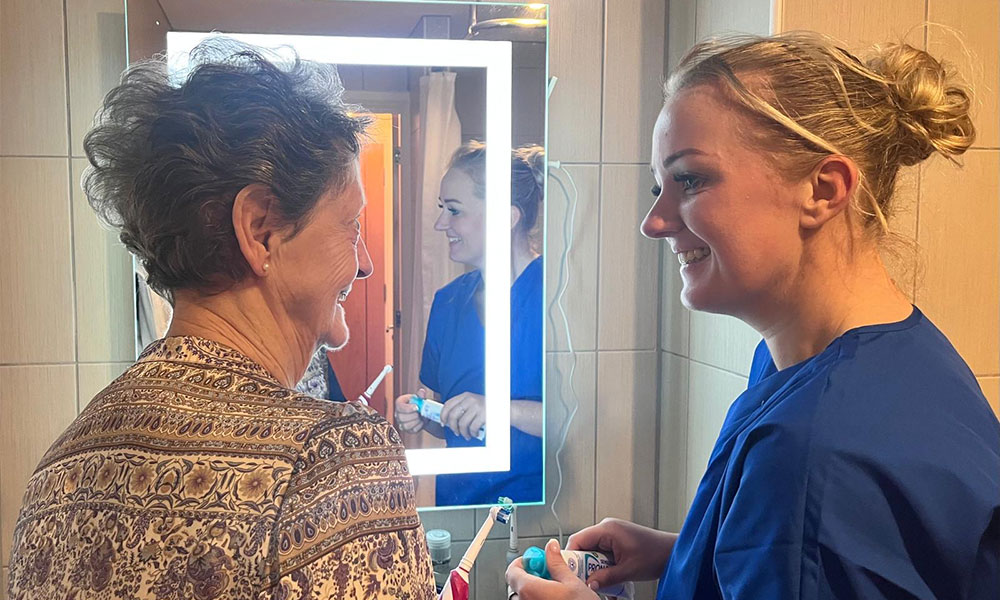
Live-in Care
Live-in Care may offer a more continuous and familiar presence where longer periods of support, overnight reassurance and greater day-to-day continuity are suitable following assessment.
Explore Live-in Care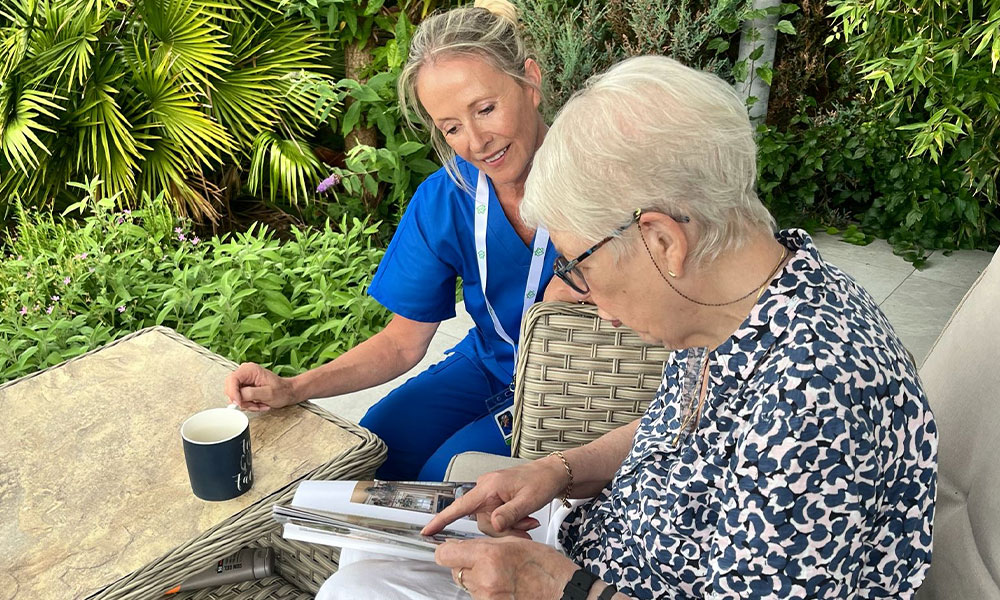
Respite Care at Home
Planned respite can give a partner, relative or friend time to rest, work or attend to other responsibilities while reliable support continues in familiar surroundings.
Explore Respite Care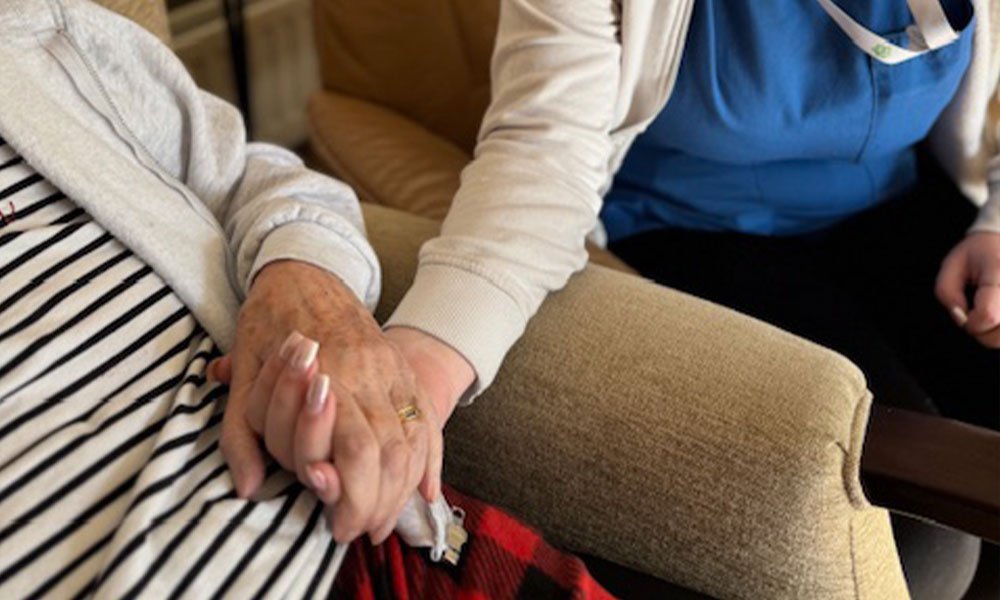
Palliative Care at Home
Palliative Care at Home can provide personal and practical support alongside the medical, community nursing and hospice professionals involved, with comfort, wishes and family life kept central.
Explore Palliative CareAreas covered for Cancer Care and Support at Home
Local care organised around the person, their treatment and their home
We support people and families across Shropshire and welcome enquiries from North Worcestershire and parts of Herefordshire. Our local team takes time to understand the person’s circumstances, the treatment or professional plans involved and the practical support that would make home life easier. The links below explain more about Home Care in each part of our service area.
If you are looking for support during cancer treatment, recovery or changing health—or are not yet sure what kind of care would be most useful—please talk to our team. We can check availability at your address and arrange a free, no-obligation assessment.
Home care in Shropshire
Home care in Herefordshire
Home care in Worcestershire
Locally coordinated care across our service area
Two Shropshire offices supporting responsive care
The maps below show our offices in Cleobury Mortimer and Church Stretton. From these local bases, our team coordinates carers, care planning, travel and day-to-day communication across Shropshire, North Worcestershire and parts of Herefordshire. This helps keep support organised and responsive when treatment times or health needs change.
Ground Floor Office Suite, Upper Baveney Park, Cleobury Mortimer, Kidderminster, Shropshire, DY14 8LF
Unit 1, Sandford Court, Sandford Avenue, Church Stretton, Shropshire, SY6 6BH
Local cancer support and medical resources
Useful Shropshire routes for treatment information, emotional support, wellbeing and care assessments
Home Care is one part of the wider support available to a person and family. The services below provide current local information, specialist support or assessment routes. They are independent of CM Bespoke Care; inclusion is for information and does not imply a partnership or endorsement.
Local cancer information and specialist support
SaTH Cancer Services and Macmillan Support Centres
The Shrewsbury and Telford Hospital NHS Trust provides cancer services and has Macmillan Information and Support Centres at the Royal Shrewsbury Hospital and Princess Royal Hospital. Trained staff and volunteers offer information, practical and emotional support for people affected by cancer and those close to them.
Visit SaTH Cancer Services and find the Macmillan Support Centres.
The Hamar Centre
The Hamar Centre at the Royal Shrewsbury Hospital offers counselling and psychological support for people affected by cancer, including one-to-one and couples support. Its current page explains how to contact the service and who may use it.
Severn Hospice
Severn Hospice provides specialist palliative care and support free of charge to families across Shropshire, Telford and Wrekin and Mid Wales who are living with an incurable illness. Palliative care can support symptom control and quality of life and is not limited to the final days.
Wellbeing, advice and care assessments
Lingen Davies Cancer Support
Lingen Davies Cancer Support funds free-to-access wellbeing activities for people living with and beyond cancer in the local community. Its Cancer Hub brings together current activities, information and support for people affected by cancer and carers.
Visit the Lingen Davies Cancer Hub
Shropshire Council Care Act assessment and direct payments
A Care Act assessment looks at day-to-day needs, goals and eligibility for council support. Eligible adults can ask about a direct payment, which may provide a way to arrange agreed care and support. This council assessment is separate from our free Home Care assessment.
Read about the Care Act assessment and direct payments for adults.
Shropshire carers’ assessment
A carers’ assessment is a free conversation about how caring affects the carer’s health, work, relationships and wellbeing, and what support may help. It is separate from the assessment of the person receiving care.
Talk to our team about Cancer Care and Support at Home
Start with what is happening now
You do not need to know the right care package or have every detail ready. Tell us who needs support, the general area where care would be provided, what treatment or change has affected daily life and which parts of the day feel difficult. A member of our team will listen carefully, without judgement or pressure, and explain the next helpful step.
If a home assessment would help, it is free and there is no obligation to proceed. The person can involve a relative or another trusted person, and relevant professional guidance can be considered with their consent. The assessment also helps us match carers whose cancer-care experience, training, assessed competencies and personal approach suit the support required.