




Home care to help you move forward after a brain injury
Support with the things you need help doing, and time for the things you can do yourself
Life at home after a brain injury can involve finding different ways to manage familiar tasks. Getting ready, preparing lunch or remembering an appointment may take more effort than before. Through our Home Care service, we can help with these parts of the day while giving you space to practise skills and make your own choices.
Our team already supports people living with acquired brain injury and their families. We understand that some difficulties are less obvious than others: someone may be able to walk comfortably but find a busy conversation exhausting or need help planning the steps involved in making a meal. We get to know how your injury affects you and which approaches you find helpful.
Whether you are preparing to return home or have been living with the effects of an injury for some time, we work with you to agree useful, manageable support. This can include personal care, meals, prescribed medication support, appointments and companionship. Where rehabilitation professionals are involved, we follow the relevant guidance in your care plan and review our help as your needs and abilities change.
Brain injury care at a glance
- Current experience supporting people and families affected by acquired brain injury
- Free, no-obligation assessment, normally in the person’s home
- Assessment-led care plans shaped around abilities, goals, risks, routines and professional guidance
- Carer matching that considers relevant experience, training, assessed competencies and personal fit
- Visits from 30 minutes, with short-term and ongoing arrangements available
- Care plans reviewed at least monthly and whenever needs change
- Rated Good by the Care Quality Commission
Understanding acquired brain injury
An injury after birth that can affect physical, cognitive, emotional and everyday abilities
An acquired brain injury, often shortened to ABI, is an injury to the brain that happens after birth. It can result from trauma such as a fall, road collision or other accident, or from causes including stroke, a brain tumour, brain haemorrhage or encephalitis. The effects depend on the cause, location and extent of the injury, so no two people will experience recovery or daily life in exactly the same way.
Some effects are visible, such as changes in walking, balance, speech or coordination. Others can be less obvious, including fatigue, memory problems, slower processing, difficulty planning or starting tasks, reduced concentration, changes in mood or behaviour and problems recognising risk. These hidden effects can be frustrating for the person and easily misunderstood by others.
Rehabilitation may help a person relearn skills or develop new ways to manage everyday activities. Progress is rarely a straight line, and fatigue can make other difficulties more noticeable. Calm communication, realistic pacing, familiar routines and support that gives the person time to take part can make home life feel more manageable and respectful.
The Headway brain injury guide explains causes, common effects, rehabilitation and practical issues in more detail. Our care works alongside medical and rehabilitation support, helping agreed strategies and daily-living plans become dependable routines at home.
335,409 UK hospital admissions
Hospital admissions with an acquired brain injury diagnosis in 2023–24. Source: Headway – the brain injury association, analysis of UK hospital admissions for 2023–24.
143,446 stroke admissions
UK hospital admissions for stroke in 2023–24, one of the causes of acquired brain injury. Source: Headway – the brain injury association, analysis of UK hospital admissions for 2023–24.
123,969 head injury admissions
UK hospital admissions for head injury in 2023–24. Source: Headway – the brain injury association, analysis of UK hospital admissions for 2023–24.
Who we can support after an acquired brain injury
Help when you are coming home, finding your routine or living with lasting changes
You may be planning your return from hospital, working towards everyday goals or looking for help with difficulties that have continued over time. We also support families who want to share caring responsibilities. Whatever has prompted you to explore home care, we can talk through the help you would find useful and how it could fit into your life.
People and circumstances
Care at home may help:
- someone returning home after hospital or a period of inpatient rehabilitation
- a person rebuilding confidence and everyday routines while following an agreed rehabilitation plan
- someone living with longer-term physical, cognitive, communication or emotional effects
- a person living alone who would value regular practical support, company or reassurance
- a couple or family sharing care who want help with particular visits, tasks or times of day
- someone whose needs have changed and may now benefit from longer visits, overnight help or live-in care
- family carers who need reliable respite while their loved one remains at home
Signs that a care conversation may help
It may be worth exploring support when:
- washing, dressing, continence care or getting ready takes more effort or feels less safe
- meals, drinks or medication are being missed, or appointments are becoming difficult to organise
- fatigue means the person cannot comfortably complete the routines they want to manage
- walking, balance or transfers have changed, or falls and near misses are a concern
- memory, concentration, planning or awareness of risk is affecting day-to-day safety
- communication changes, low confidence or emotional changes are making life more isolated
- a partner or relative is tired, worried or no longer able to provide every part of the care
What acquired brain injury care at home can include
Hands-on help, useful reminders and encouragement at your pace
You might need physical assistance with some tasks and a reminder or a little more time with others. We agree the right approach with you, taking account of fatigue, communication and any guidance from your rehabilitation team. Your carers then follow a clear plan that explains what help to offer and how you prefer to receive it.
Personal care, pacing and daily routines
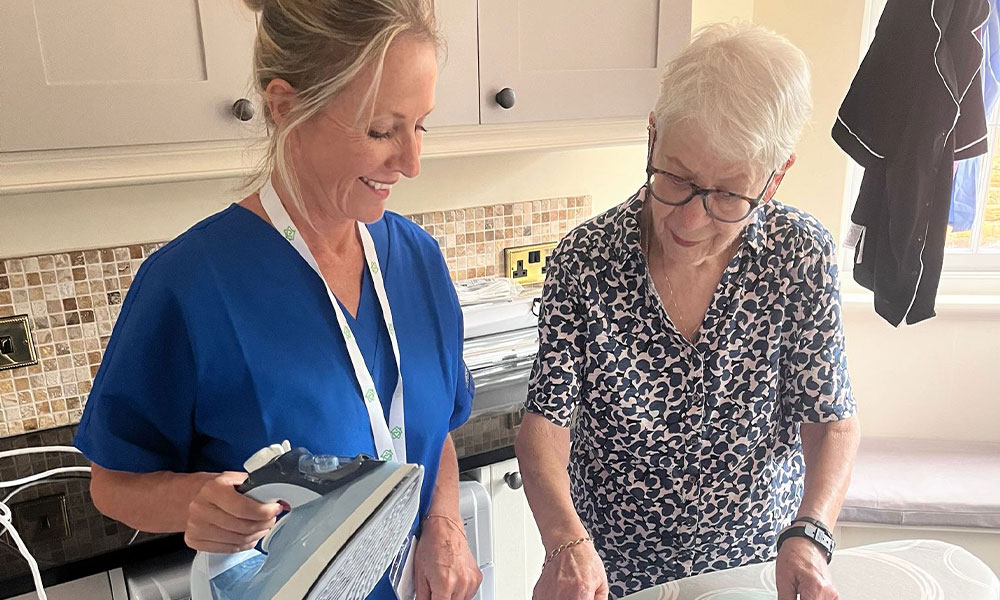
Respectful, unhurried support can help everyday routines feel more manageable while protecting dignity and independence.
- Washing, showering, bathing, dressing and grooming
- Oral care, toileting and assessed continence routines
- Morning, evening and bedtime support
- Breaking activities into clear, manageable steps
- Planning rest and allowing extra time when fatigue affects the day
We encourage the person to do what they can and want to do for themselves, using the level of help agreed in the care plan.
Meals, drinks and agreed eating guidance
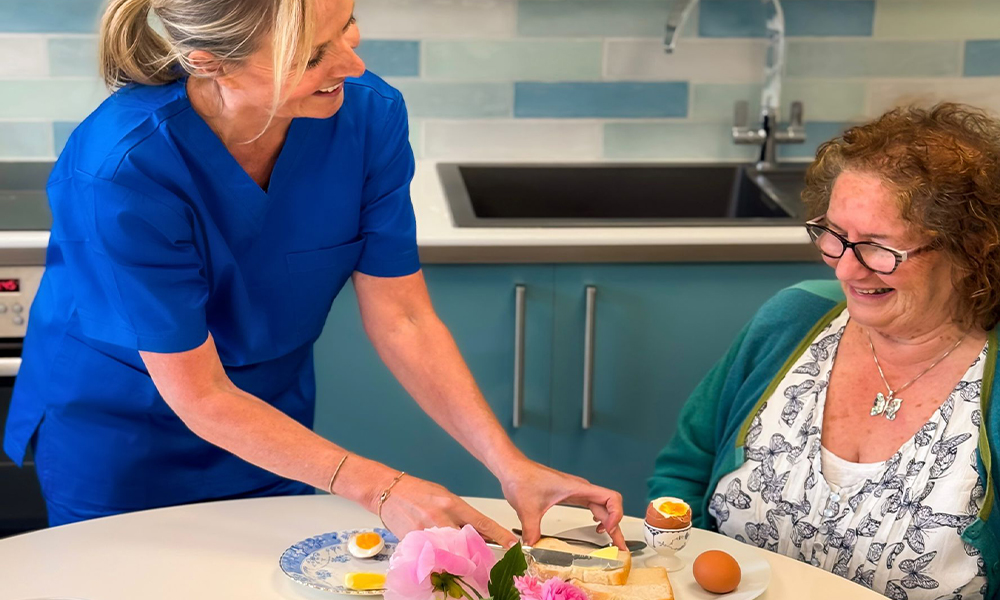
Fatigue, reduced concentration, movement changes or swallowing difficulties can make eating and drinking more demanding. Care may include:
- Planning and preparing preferred meals and drinks
- Providing calm, unhurried support at mealtimes
- Following texture, positioning or fluid guidance supplied by a speech and language therapist or dietitian
- Recording food and fluid intake where this forms part of the care plan
- Noticing and reporting coughing, increased difficulty, reduced intake or other concerns
We follow current professional guidance and share concerns through the agreed route. We do not change a prescribed diet, texture or swallowing plan.
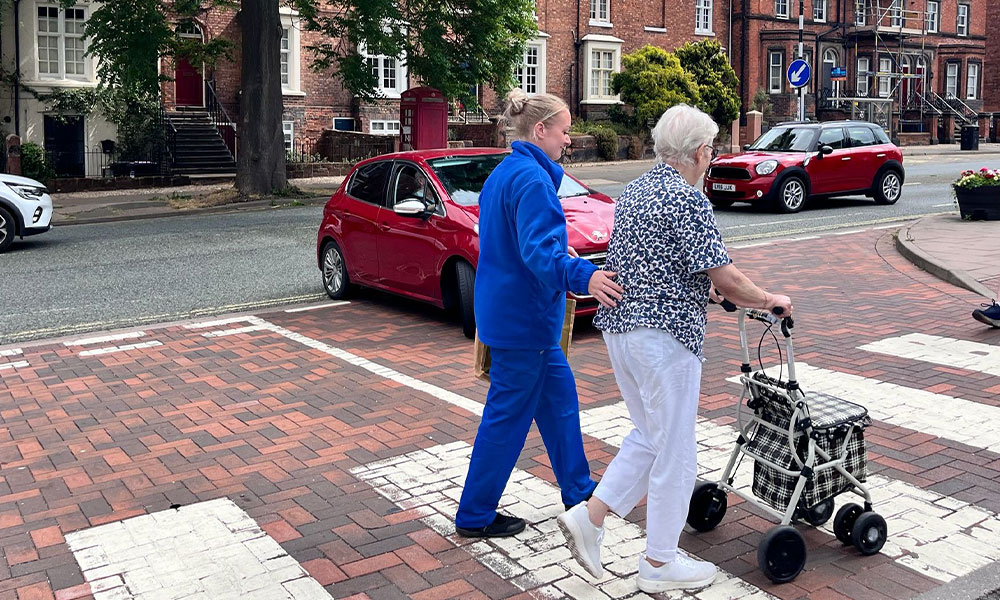
Mobility, transfers and assessed equipment
Support can be planned around weakness, altered movement, balance changes, reduced coordination, fatigue or one-sided physical effects.
- Assistance with standing, walking and transfers where assessed
- Using prescribed mobility aids and moving-and-handling equipment
- Keeping agreed routes through the home clear and unhurried
- Accompanying the person on planned outings and appointments
- Recording falls, near misses or meaningful changes in mobility
The care plan can include guidance from occupational therapists and physiotherapists, including safe ways to use equipment already assessed for the person.
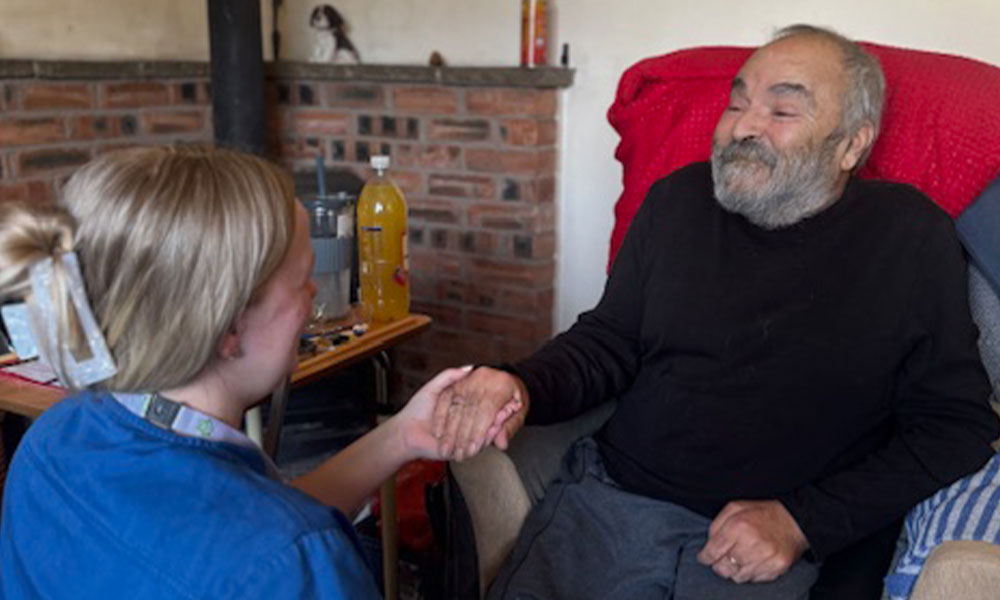
Medication, appointments and rehabilitation routines
Keeping track of medicines, appointments and therapy instructions can be demanding after a brain injury. Our carers can help with the tasks agreed in your care plan, following the relevant instructions and completing the training and checks those tasks require.
- Reminders or assistance with prescribed medicines, as agreed in your care plan and medication risk assessment
- Support with medicines taken when needed, or controlled medicines, where written instructions and the required safeguards are in place
- Accurate entries in your medication administration record and secure digital care records
- Help remembering, preparing for and attending appointments
- Prompts or assistance with exercises and daily routines exactly as instructed by your therapist or rehabilitation professional
Your clinician or therapist remains responsible for prescribing, changing doses and deciding how your rehabilitation programme should develop.
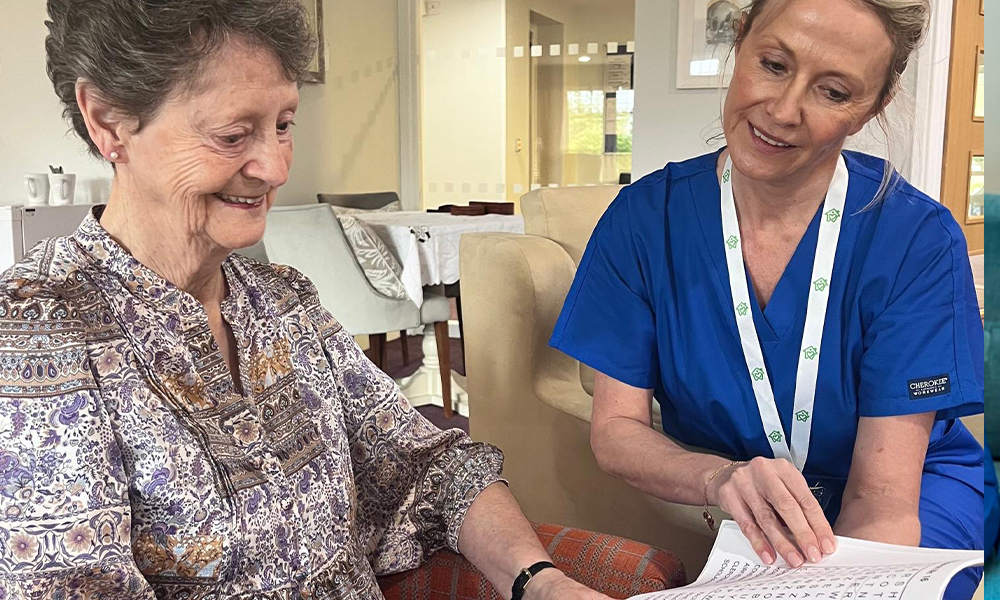
Memory, communication and emotional wellbeing
We take time to learn how you communicate, which reminders you find useful and what helps when a task or conversation feels overwhelming.
- Using the diaries, calendars or memory aids agreed with you
- Breaking a task into individual steps and explaining them clearly
- Giving you time to think, find words and respond
- Reducing background noise and distractions where possible
- Following communication guidance and any professional plan for responding to distress or changes in behaviour
We recognise that difficulties with memory, getting started or managing emotions can be effects of a brain injury. Our carers respond patiently and respectfully, without making assumptions about your effort or understanding.
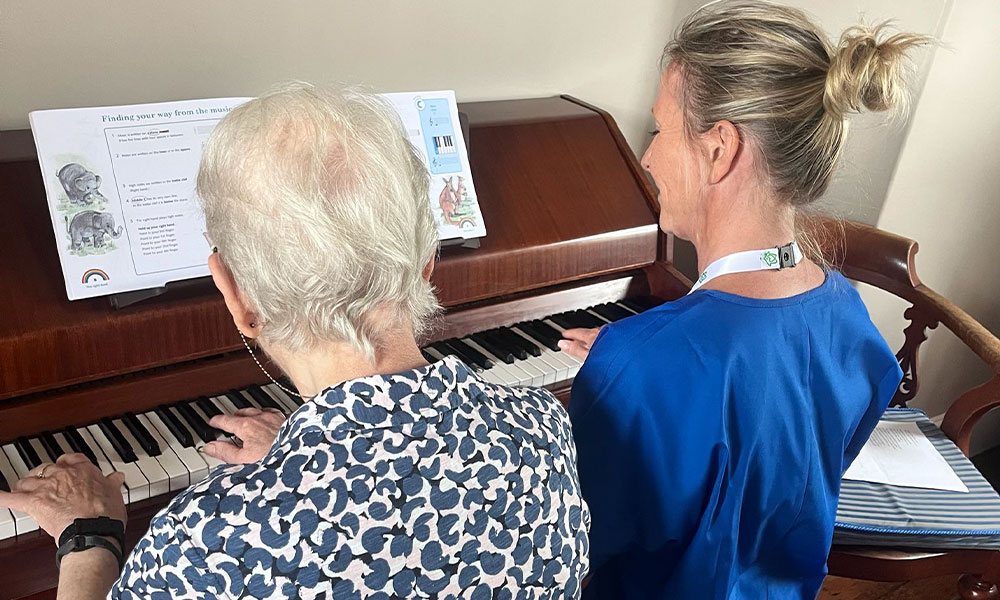
Companionship, community life and family respite
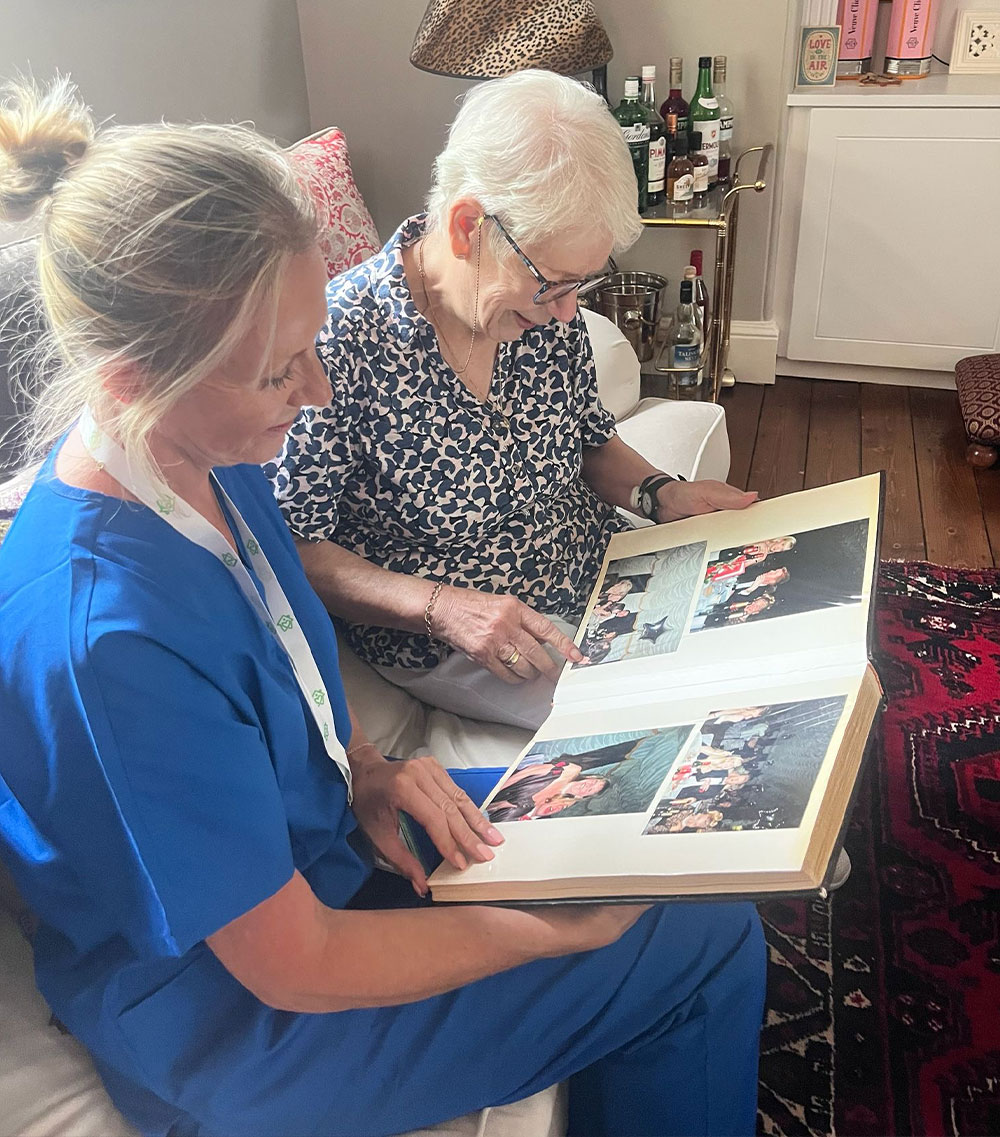
Seeing a friend, returning to a hobby or spending time outside can be an important part of life after a brain injury. We can help you take part in activities you enjoy, with support planned around your energy and care needs.
- Company and conversation at home
- Help organising and taking part in familiar hobbies
- Accompaniment on agreed outings, allowing time for breaks where needed
- Sitting visits or longer respite so relatives can have time to themselves
- Updates for family members with your consent
We get to know your interests and preferences so that time with your carer includes the things you look forward to.
Supporting your rehabilitation plan at home
Helping you use agreed approaches in everyday situations
Advice from a rehabilitation appointment often needs to be put into practice at home. With your consent, we work from the relevant guidance provided by your therapists and healthcare team, helping you use agreed approaches during dressing, meals, communication and other daily activities.
Consistent help between appointments
Your occupational therapist might recommend a particular way to approach a daily task, or your speech and language therapist may suggest prompts that help communication. We include the instructions relevant to our visits in your care plan, so your carers support you in the agreed way.
We also record how you manage during visits, including any difficulties or changes that need attention. If an activity is becoming harder, you are struggling with equipment or the agreed routine no longer seems suitable, we raise this with the appropriate person using the arrangements in your plan.
Reviewing support with the professionals involved
Your clinicians and therapists assess your condition, provide treatment and decide how rehabilitation should progress. Our role is to help with the personal and practical tasks agreed for home care, within our carers’ training and assessed skills.
When your professional guidance changes, we review the care plan and make sure your carers understand the new instructions. This is particularly useful after discharge or a rehabilitation review, when the help you need at home may have changed.

Why choose CM Bespoke Care?
Personal support from a family-owned Shropshire team
Inviting carers into your home after a brain injury is a significant decision. You want people who listen, respect the way you live and take your needs seriously, including difficulties that others may not immediately notice. We are a family-owned and managed agency, and we take time to build that understanding with you and your family.
From our offices in Cleobury Mortimer and Church Stretton, we organise your care and support the carers visiting you. A dedicated care manager oversees your arrangement, giving you someone to speak to about how visits are working, any concerns and the changes you would like to discuss.
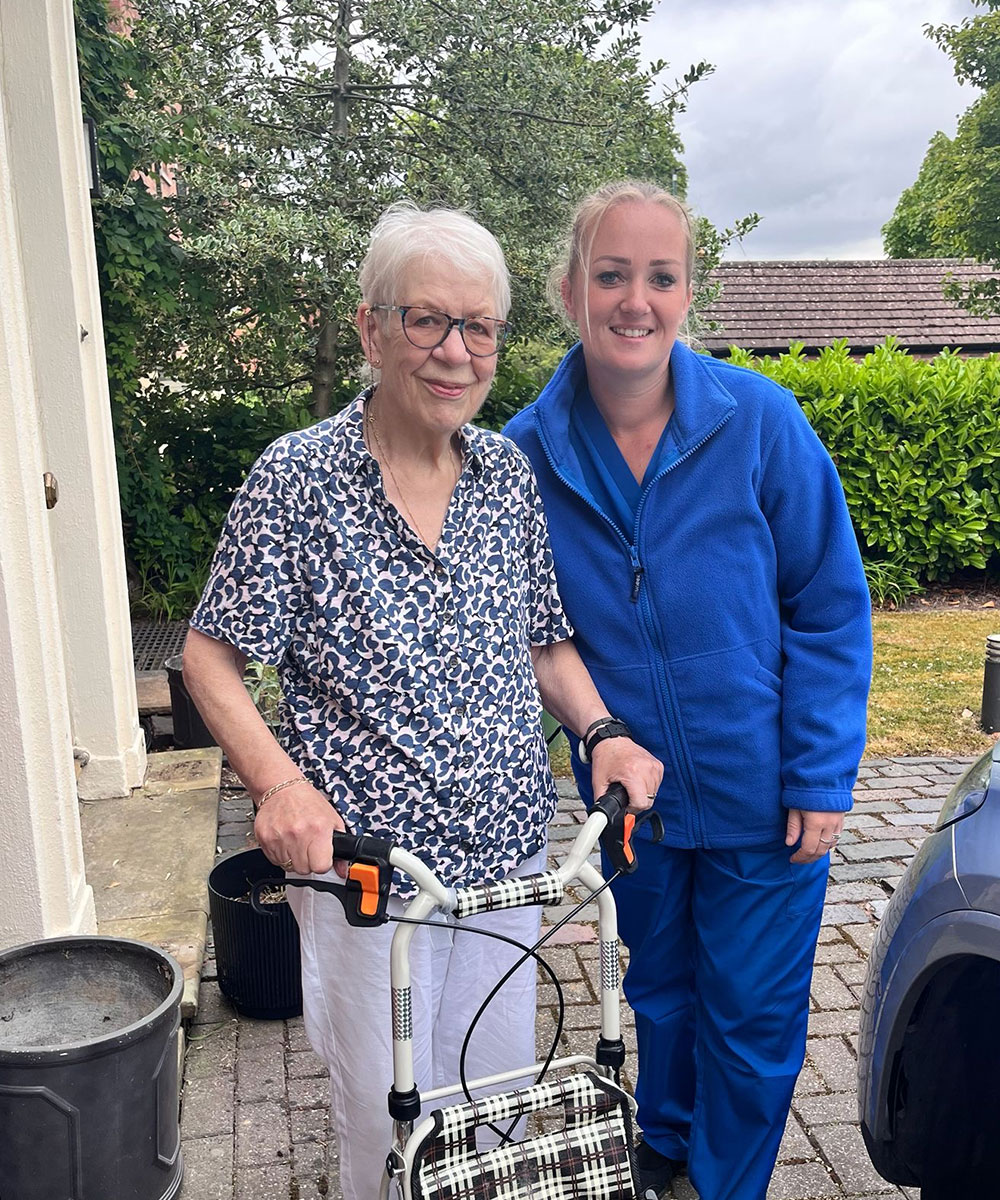
How we prepare your care team
The right skills and a good understanding of you
Our experience supporting people with acquired brain injury helps us ask useful questions about daily life, communication and the guidance already in place. Before care begins, we check the skills each task requires and brief your carers on your plan. We also consider how well they fit your routines, interests and preferred way of communicating.
- A small, consistent group of carers wherever possible
- Thoughtful matching that considers acquired brain injury experience, relevant training, assessed competencies, personality, routines, communication style, interests and location
- Structured induction, shadow shifts, observations, spot checks, supervision and task-specific competency assessment, with additional briefing or training where the care plan requires it
- A dedicated care manager and secure digital care records
- Formal care-plan reviews at least monthly and whenever needs change
- A current Good rating from the Care Quality Commission
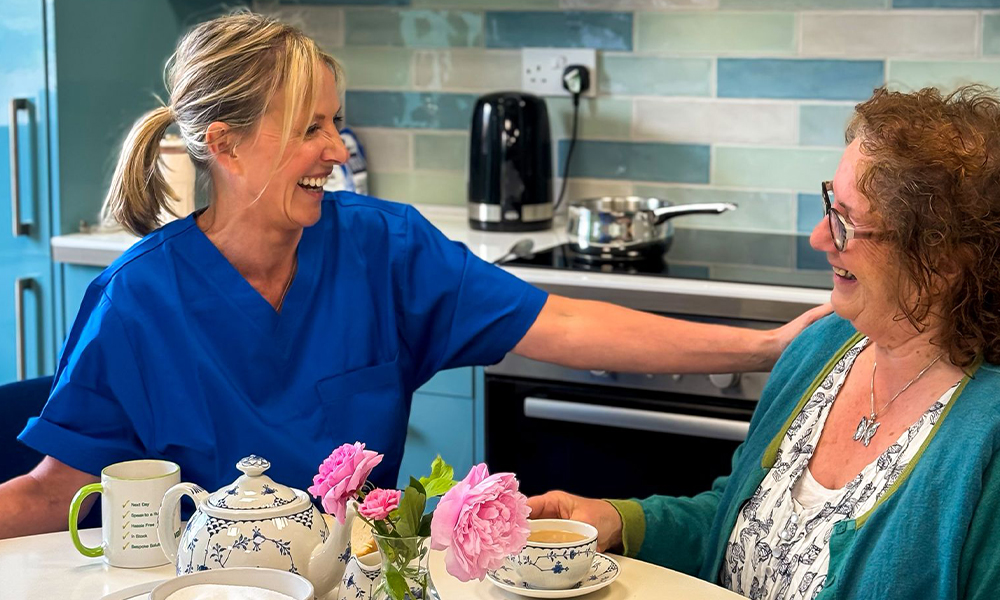
What people say about CM Bespoke Care
Real experiences shared by clients and families
Choosing care after a brain injury requires trust in the everyday details: carers arriving as agreed, listening carefully, respecting the home, understanding that some effects may be hidden, noticing change and keeping the right people informed. Independent Google reviews share how clients and families have experienced care from CM Bespoke Care.
How acquired brain injury care at home is arranged
A clear path from the first conversation to ongoing reviews
You do not need to design a care package before contacting us. We will listen, explain how we can help and arrange a free home assessment when it would be useful. This gives us time to understand the person properly and plan safe, suitable support with the right care team.

Tell us what is happening
Share who needs support, where care would be provided, which parts of home life are difficult now and any important timescale. It is also helpful to mention a recent discharge, the professionals involved and any current mobility, communication, medication, eating or rehabilitation guidance.

A free assessment at home
An experienced senior team member will usually visit you at home to discuss the tasks you find difficult, what you want to manage yourself and any rehabilitation advice we need to follow. We make time for you to explain things in your own way, with a relative or trusted person involved if you wish. Most assessments take 60 to 90 minutes, with longer available when needed.

Agree your plan and prepare your carers
We set out the help you have chosen, your preferred routines and the instructions your carers need to follow. With your consent, this includes relevant rehabilitation guidance. Our management team checks the plan, selects carers with the skills it requires and gives them a full briefing before visits begin.

Care begins and stays under review
Your dedicated care manager oversees continuity, communication and quality. The plan is formally reviewed at least monthly and whenever health, abilities, fatigue, communication, medication, professional guidance, routines or family circumstances change.
Choosing a home care arrangement after brain injury
Help at particular times or support through more of the day
You may need a visit to help you get ready, support around appointments or a longer period of care while a relative takes a break. We can explain visiting, live-in and respite arrangements and discuss which could suit your needs. Your assessment helps us agree the timing, level of assistance and carers required.
Visiting Home Care
Regular visits can provide focused help with personal routines, medication, meals, rehabilitation strategies, companionship or appointments while the person remains in control of the rest of their day.
Explore Home Care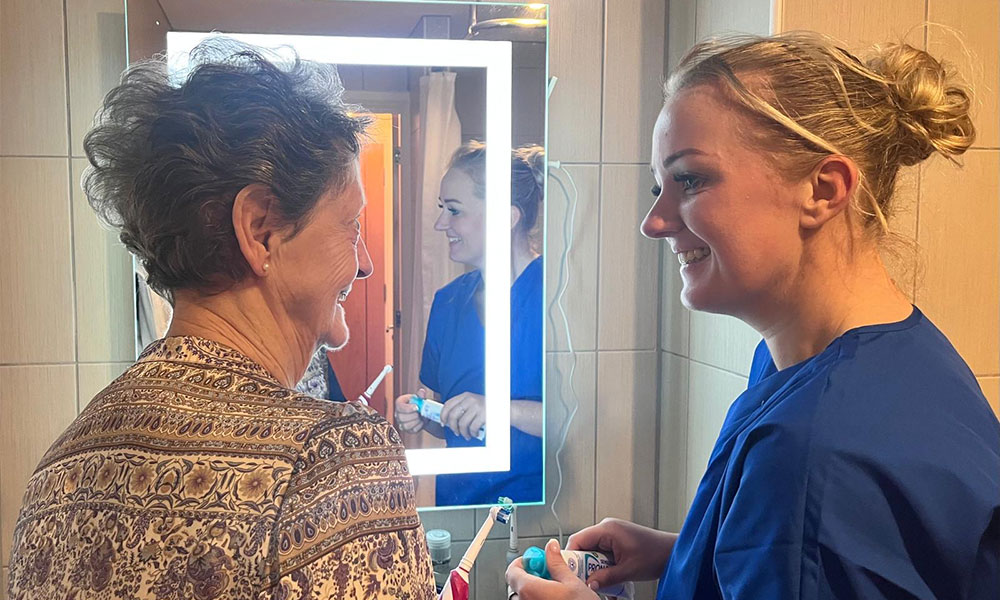
Live-in Care
A carer living in your home can provide help across the day with personal care, reminders, meals and agreed daily routines. We assess whether this arrangement can meet your needs, including time for the carer’s breaks and sleep. Regular waking support at night requires its own care arrangements.
Explore Live-in Care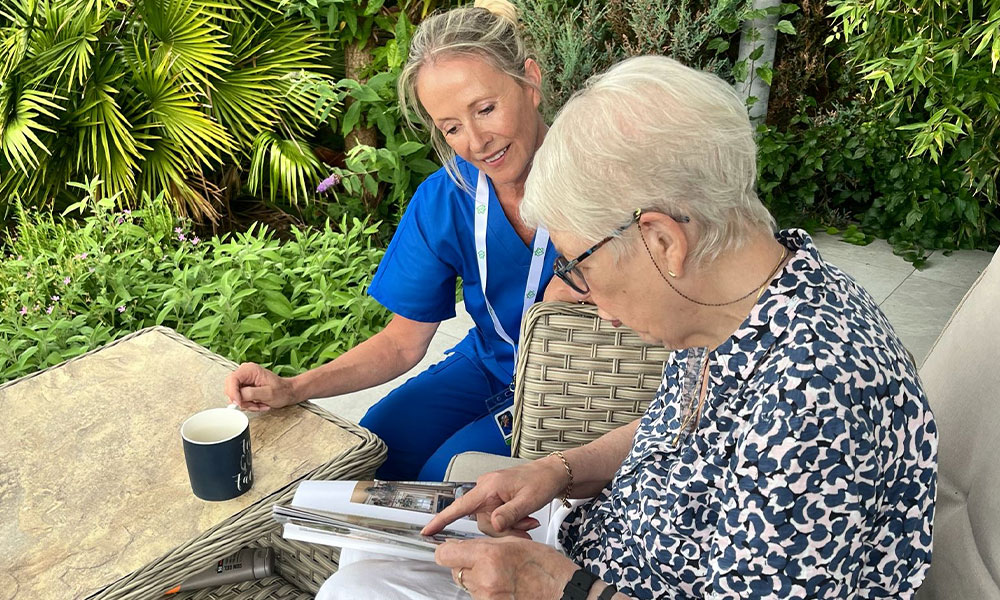
Respite Care at Home
Planned respite can give a partner or family carer time to rest, work or attend to other responsibilities while familiar support continues at home.
Explore Respite Care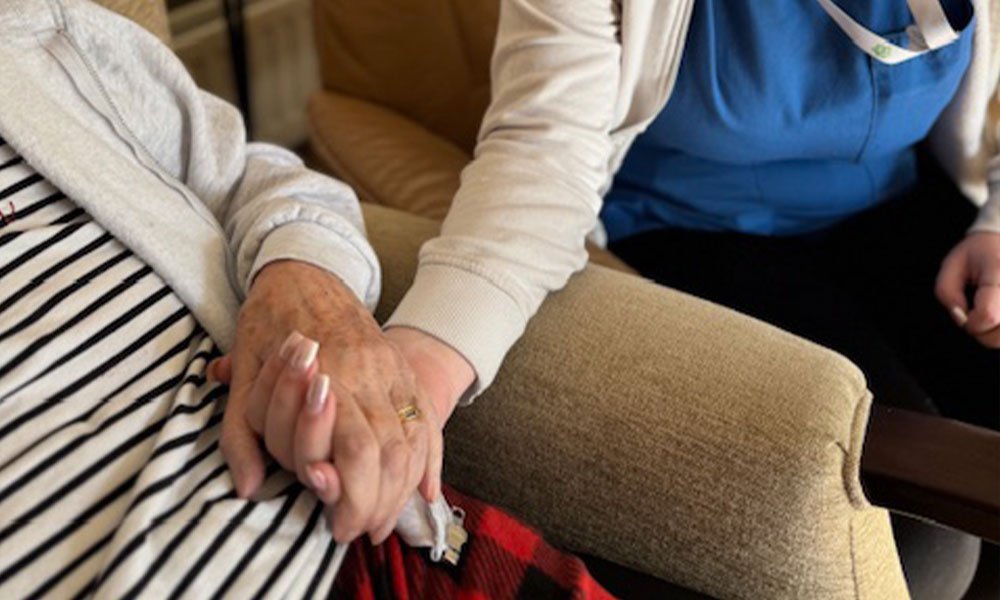
Palliative Care at Home
Where a person is living with a serious or life-limiting condition alongside their brain injury, Palliative Care at Home can provide personal and practical support with comfort, wishes and family life kept central.
Explore Palliative CareWhere we offer acquired brain injury home care
Supporting people at home across Shropshire and neighbouring areas
Our team provides home care across Shropshire and welcomes enquiries from North Worcestershire and parts of Herefordshire. Whether you are arranging care before leaving hospital or looking for help with established routines, tell us where support is needed and we will check what we can offer locally.
If a discharge date or change in family circumstances is affecting your plans, let us know. We can discuss your preferred visit times, the assistance required and the availability of suitable carers before arranging the next step.
Home care in Shropshire
Home care in Herefordshire
Home care in Worcestershire
Locally coordinated care across our service area
Two Shropshire offices supporting responsive care
The maps below show CM Bespoke Care’s offices in Cleobury Mortimer and Church Stretton. From these local bases, the team coordinates carers, care planning, travel and day-to-day communication across Shropshire, North Worcestershire and parts of Herefordshire. This helps keep support organised, responsive and closely connected to each client and family.
Ground Floor Office Suite, Upper Baveney Park, Cleobury Mortimer, Kidderminster, DY14 8LF
Unit 1, Sandford Court, Sandford Avenue, Church Stretton, SY6 6BH
Brain injury advice and support in Shropshire
Rehabilitation services, shared experiences and practical guidance
Adjusting to life after a brain injury can bring questions that go beyond help at home. You may want to meet other people with similar experiences, find rehabilitation support or understand what assistance is available for a family carer. These independent organisations offer information and services you can explore alongside your care with us.
Local health and rehabilitation routes
Shropshire Community Neuro Rehab Team
The Shropshire Community Neuro Rehab Team supports adults with a confirmed acquired neurological disability, including acquired brain injury, who have a Shropshire or Telford and Wrekin GP. Its multidisciplinary team includes occupational therapists, physiotherapists, speech and language therapists, clinical psychologists and rehabilitation staff.
Visit the Community Neuro Rehab Team
Headway’s information and nurse-led helpline
Headway provides UK-wide information about brain injury, common effects, rehabilitation and life after discharge. Its nurse-led helpline can also offer information and a listening ear to people affected by brain injury, relatives and carers.
Assessments and practical support
Headway Shropshire
Headway Shropshire supports adults living with brain injury across Shropshire, Telford and Wrekin. Its services include individually tailored social and cognitive rehabilitation, activities, family support, respite and advice intended to promote independence, confidence and quality of life.
Explore Headway Shropshire support
Shropshire Council Care Act assessment and direct payments
A Care Act assessment looks at day-to-day needs, goals and eligibility for council support. Eligible adults can ask about a direct payment, which may provide a way to arrange agreed care and support. This council assessment is separate from CM Bespoke Care’s free service assessment.
Read about the Care Act assessment and direct payments for adults.
Shropshire carers’ assessment
A carers’ assessment is a free conversation about how caring affects the carer’s health, work, relationships and wellbeing, and what support may help. It is separate from the assessment of the person receiving care.
Frequently asked questions about acquired brain injury care at home
Talk to us about home care after a brain injury
Let’s start with the help you are looking for
You can contact us for yourself or someone close to you. Tell us a little about daily life, where care is needed and anything you are planning towards, such as coming home from hospital or giving a family carer a regular break. We will listen and explain how we may be able to help.
Our home assessment is free and there is no obligation to arrange care. It gives you time to ask questions, discuss the routines you want to manage and involve someone you trust in planning the support.