





How home care can make daily life with arthritis easier
A helping hand with the tasks that take the most effort
Fastening a shirt, lifting a saucepan or changing the bedding can become difficult when joints are painful or stiff. You may still manage much of your day independently but welcome help with particular jobs. Our Home Care service can take some of that effort off your hands while respecting the routines you want to manage yourself.
We already care for people living with arthritis and support their families. We know that a task can feel manageable one day and much harder the next. We ask when you tend to feel most comfortable, which movements cause difficulty and how you prefer to be helped, so your carers understand more than a list of tasks.
Your support might include getting ready in the morning, preparing meals, help with prescribed medicines or keeping on top of household routines. Together, we agree what would be useful and record any professional advice your carers need to follow. We review the arrangement with you as your needs change, including whether different visit times or additional help would be worthwhile.
Arthritis care at a glance
- Current experience supporting people and families living with arthritis
- Free, no-obligation assessment, normally in the person’s home
- Personalised care plan shaped around symptoms, abilities, routines, risks and professional guidance
- Carer matching that considers arthritis experience, training, assessed competencies and personal fit
- Visits from 30 minutes, with short-term and ongoing arrangements available
- Care plans reviewed at least monthly and whenever needs change
- Rated Good by the Care Quality Commission
Understanding arthritis
Different conditions, different symptoms and no single pattern from one day to the next
Arthritis is a term used for conditions that affect the joints. It can cause pain, swelling and stiffness and make an affected joint harder to move. There are many types, including osteoarthritis, rheumatoid arthritis, gout and psoriatic arthritis. They have different causes and treatments, so the person’s diagnosis and clinical guidance matter.
Arthritis can affect the hands, wrists, feet, ankles, knees, hips, back or other joints. Reduced grip, painful movement or stiffness can make buttons, taps, pans, stairs, transfers and personal care more difficult. Some people also live with fatigue or periods when symptoms become noticeably worse. These flare-ups can last for several days and may change how much help feels useful.
The effects are not always visible. Someone may manage independently at one time of day and need more support at another, or find that a task which was manageable yesterday is too painful today. Patient pacing, an unhurried approach and support that responds to the person rather than making assumptions can protect confidence as well as physical comfort.
The NHS arthritis guide explains common types, symptoms, treatment and when to seek medical help. Our Home Care does not diagnose or treat arthritis. We provide personal and practical support alongside the person’s prescribed treatment and professional advice.
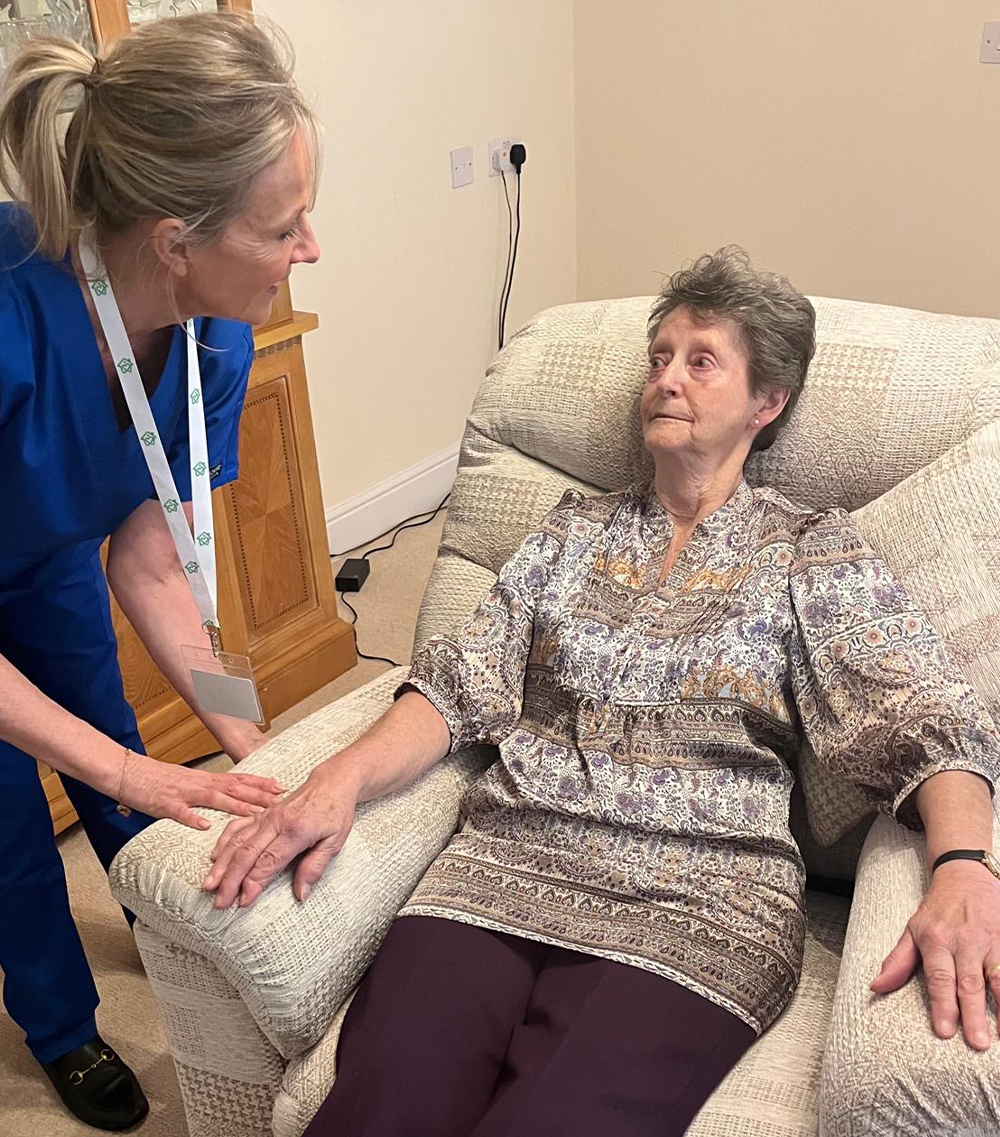
More than 10 million people
Adults, young people and children in the UK living with arthritis. Source: Arthritis UK, The State of Musculoskeletal Health, accessed 28 August 2026.
Around 8.75 million people
People in the UK estimated to have seen a doctor about osteoarthritis, the most common type of arthritis. Source: Arthritis UK, accessed 28 August 2026.
Around 450,000 people
People in the UK living with rheumatoid arthritis. Source: Arthritis UK, page updated 13 July 2026.
Who can benefit from arthritis home care?
Support with a few demanding tasks or more of your daily routine
You may be looking for help with washing and dressing, finding household jobs increasingly tiring or sharing care with a relative who needs a break. We can also discuss how your usual support should respond when symptoms vary. You do not need to know the number or length of visits you want before speaking to us.
People and circumstances
Care at home may help:
- someone living with osteoarthritis, rheumatoid arthritis or another diagnosed form of arthritis
- a person who remains largely independent but would value help with one or two demanding routines
- someone whose symptoms fluctuate and who needs a flexible, patient approach on more difficult days
- a person living alone who would benefit from regular practical support, company or reassurance
- a couple or family sharing care who want help with particular visits, tasks or times of day
- someone whose mobility or daily support needs have increased over time
- family carers who need dependable respite while their loved one remains at home
We will talk with you about the help you would welcome and the parts of your routine you prefer to keep managing independently.
Signs that a care conversation may help
It may be useful to talk to us when:
- washing, dressing, grooming, fastening clothes or getting ready is painful or tiring
- preparing meals, lifting pans, opening containers or carrying drinks has become difficult
- medication or appointments are harder to organise consistently
- standing, walking, transfers or stairs feel less secure, or falls and near misses are a concern
- pain, stiffness or fatigue means important routines are being missed or take most of the person’s energy
- laundry, shopping, changing bedding or other household tasks place too much strain on affected joints
- the person is going out less, feels isolated or has stopped taking part in activities they value
- a partner or relative is tired, worried or unable to provide every part of the care
Even one demanding task can be a useful starting point for a conversation. Tell us what is taking the most effort and we can explore how a visit might help.
What arthritis care at home can include
Practical help with dressing, meals, movement and household jobs
We can assist with tasks that involve uncomfortable gripping, bending, reaching or standing, while leaving you in charge of how your day runs. Your care plan explains the help you want, your preferred pace and any instructions from your healthcare team. It also helps your carers understand how to respond when a familiar task feels harder than usual.
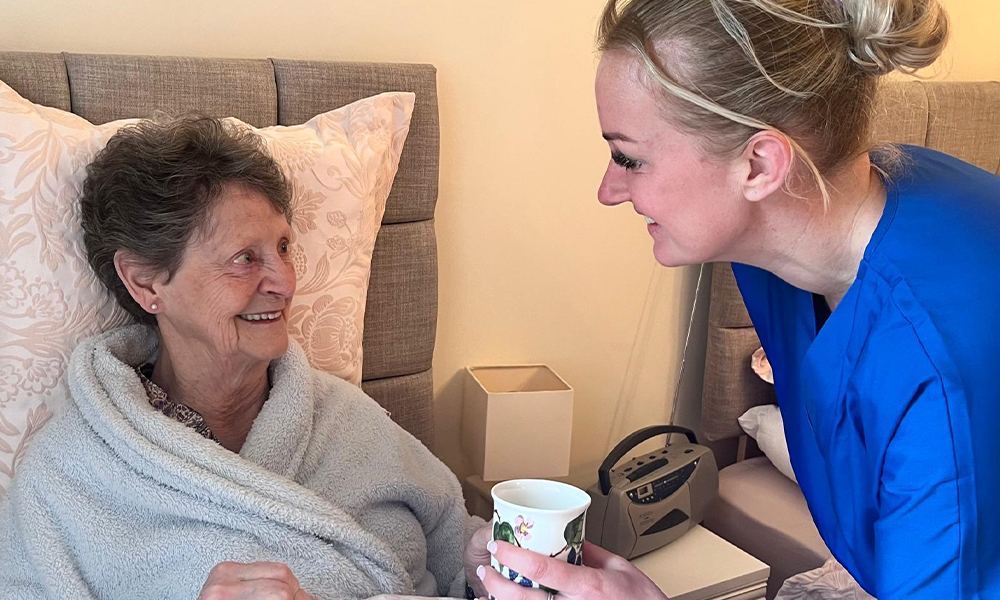
Personal care and easier daily routines
Warm, respectful support can reduce the strain of routines that require bending, reaching, gripping or standing for longer periods.
- Washing, showering, bathing, dressing and grooming
- Oral care, toileting and assessed continence routines
- Help with buttons, fastenings, footwear and other difficult parts of dressing
- Morning, evening and bedtime support at a comfortable pace
- Arranging frequently used items so agreed routines are easier to follow
We encourage the person to do what they can and want to do, offering only the level of assistance agreed in the care plan.
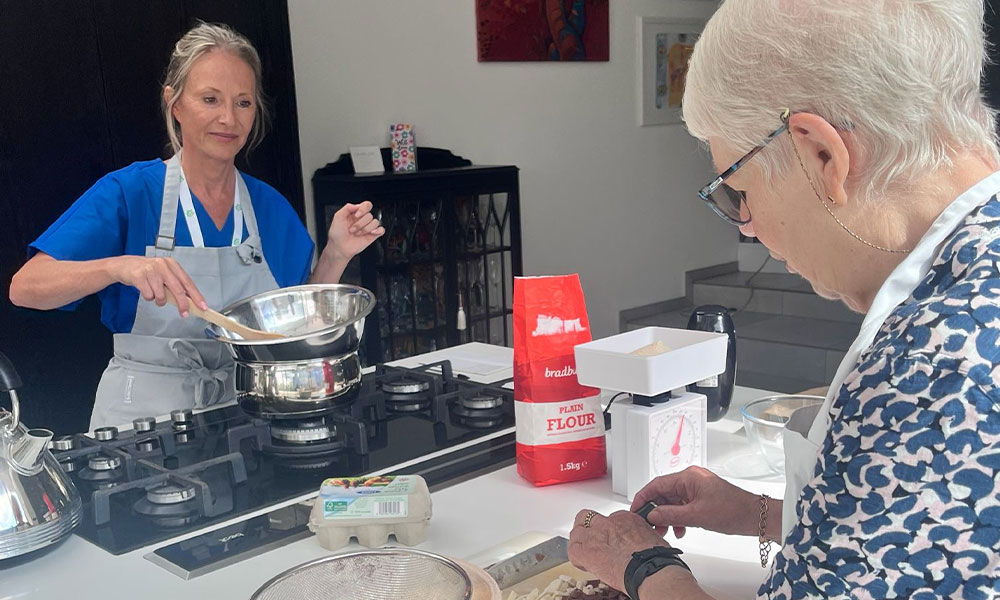
Meals, drinks and kitchen routines
Painful hands, reduced grip, difficulty standing or fatigue can make preparing food and drinks more demanding. Care may include:
- Planning and preparing preferred meals and drinks
- Opening packaging and handling heavier or awkward kitchen items
- Setting out food and drink so the person can eat comfortably
- Supporting shopping lists, food orders and simple kitchen routines
- Recording food or fluid intake where this forms part of the care plan
We follow any current dietary guidance supplied by an appropriate professional. Our carers do not prescribe special diets or recommend unapproved supplements.

Mobility, transfers and joint-friendly pacing
Support can be planned around painful or stiff joints, reduced balance, slower movement and changing energy levels.
- Assistance with standing, walking and transfers where assessed
- Using prescribed mobility aids and moving-and-handling equipment
- Allowing enough time so movement does not feel rushed
- Planning demanding tasks around the person’s more comfortable times of day
- Recording falls, near misses or meaningful changes in mobility
The care plan can include instructions from an occupational therapist or physiotherapist. Our carers follow assessed guidance and do not independently introduce exercises or equipment.
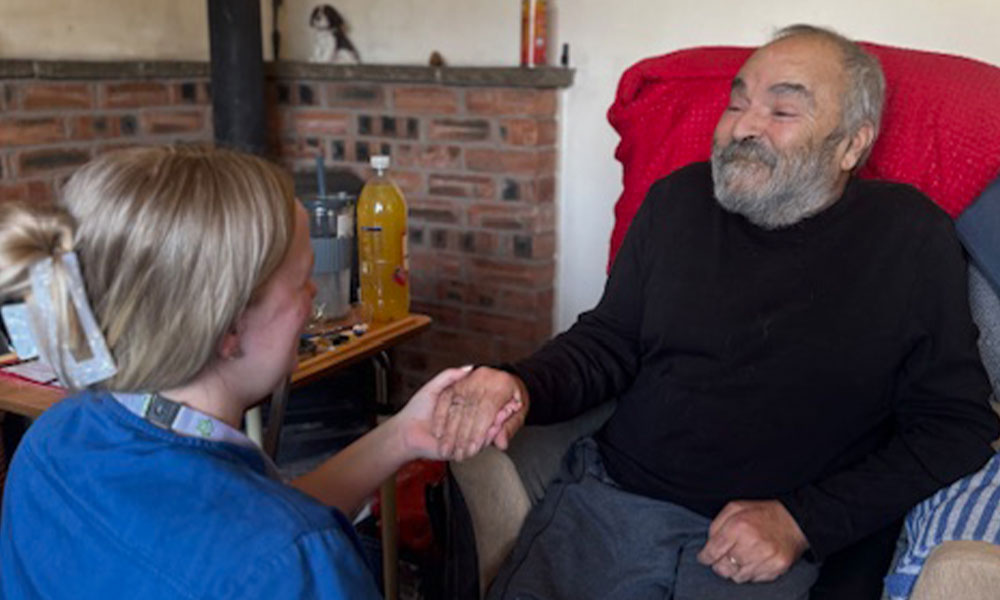
Medication and health appointments
We can help you keep to the prescribed medication routine agreed in your care plan and risk assessment. The carers providing this help are trained and assessed for the tasks involved.
- Reminders or assistance with agreed prescribed medicines
- Support with medicines prescribed to be taken when needed, or controlled medicines, where written instructions and the required safeguards are in place
- Accurate entries in your medication administration record and secure digital care records
- Help preparing for and attending appointments where arranged
- Reporting missed doses, possible side effects or other concerns as set out in your care plan
Your prescriber decides which medicines you take and reviews your treatment. We follow those instructions and do not change doses or advise you to stop a medicine.
Household help that reduces strain
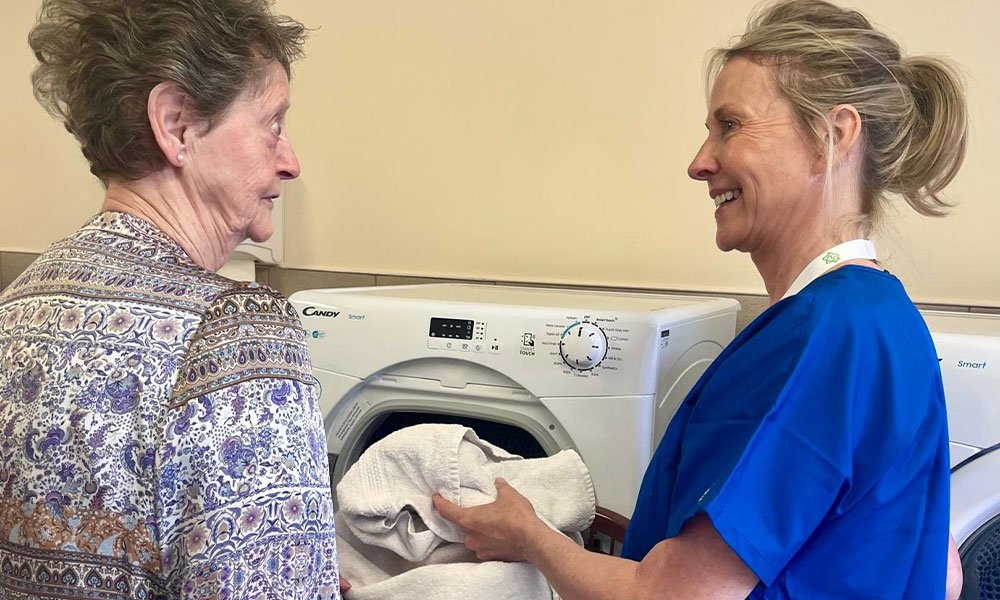
Taking care of heavier or repetitive tasks can help the person save energy and avoid placing unnecessary strain on painful joints.
- Light cleaning and tidying within the agreed care plan
- Laundry, changing bedding and putting clothes away
- Shopping and putting groceries within easy reach
- Keeping agreed routes through the home clear
- Helping maintain comfortable, familiar household routines
We agree clearly which household tasks form part of each visit so the person knows what support to expect.
Companionship, activities and family respite
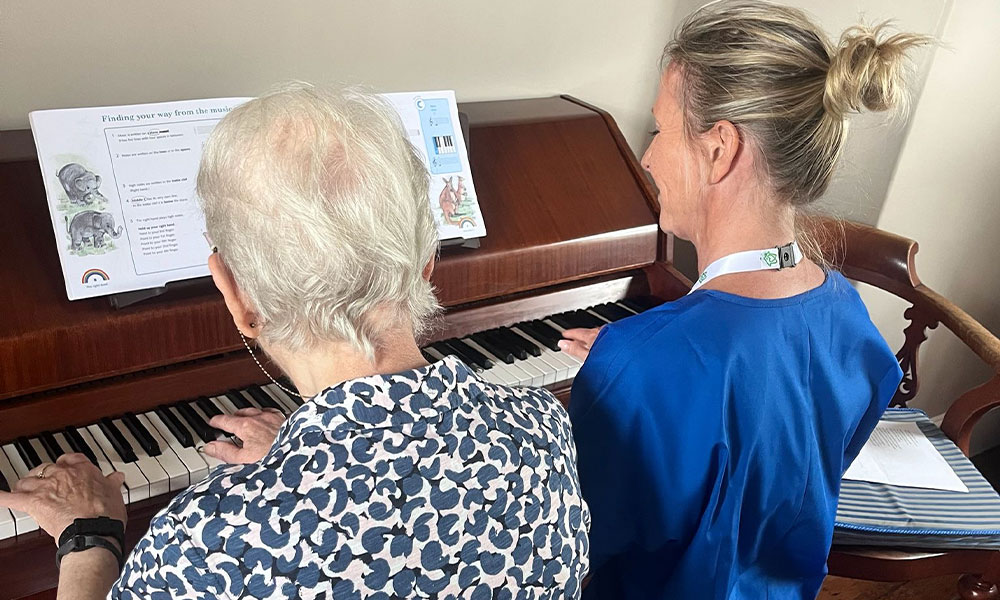
When getting ready or going out takes more effort, it can become harder to keep up with people and activities you enjoy. We can offer company at home or help with an outing planned around your comfort and mobility.
- Conversation and time together around your interests
- Help setting up a favourite hobby or activity
- Accompaniment to shops, social visits or appointments
- Sitting visits or longer respite while a relative takes a break
- Updates for the family members you want involved
We discuss the practical details with you, including the pace of an outing, any equipment you use and the support needed while your usual family carer is away.
Home care alongside your arthritis treatment
Following the advice that helps you manage daily life
Your GP, rheumatology team or therapists may recommend particular medicines, equipment or ways of approaching everyday tasks. With your consent, we include the relevant instructions in your care plan so the assistance you receive at home follows the advice given by the professionals treating you.
Putting practical advice into your routine
An occupational therapist may recommend equipment for washing or dressing, while a physiotherapist may provide instructions for movement or exercises. Our carers can support the activities agreed in your care plan where they have the training and skills required. We make sure they understand the instructions before providing that help.
During visits, we listen when you tell us something has changed and record concerns such as greater difficulty moving, increased discomfort or problems managing a usual task. We pass these on as set out in your care plan so the appropriate professional can advise.
Keeping your care up to date
Your healthcare professionals remain responsible for diagnosing arthritis, reviewing treatment, prescribing medicines and assessing exercises or equipment. We provide the personal and practical assistance agreed for your visits and keep clear records of that support.
If you receive new advice, return from hospital or find that your current routine is no longer working well, we can review the home care arrangement with you. Any revised professional instructions are added to your plan and explained to your carers before they provide the changed support.

Why choose CM Bespoke Care?
Carers who take the time to understand what feels comfortable
Good support with arthritis depends on the details: listening when a movement hurts, allowing time to get dressed and respecting the tasks you want to do yourself. As a family-owned and managed care agency, we value getting to know those preferences and building a working relationship you feel comfortable with.
Our offices in Cleobury Mortimer and Church Stretton support the carers visiting your home. We aim to provide a small, familiar team wherever possible, backed by a dedicated care manager who can discuss concerns, review your plan and help organise changes when they are needed.

Our team’s approach to arthritis care
Prepared for your needs and attentive to your preferences
We consider both the practical skills your care requires and the person you would feel comfortable welcoming into your home. Your carers are briefed on the routines that cause difficulty, how you prefer to be assisted and any equipment or professional guidance involved. Their work is supported by training, supervision and regular reviews of your care.
- A small, consistent group of carers wherever possible
- Thoughtful matching that considers arthritis experience, relevant training, assessed competencies, personality, preferred pace, routines, communication style, interests and location
- Structured induction, shadow shifts, observations, spot checks, supervision and task-specific competency assessment, with additional briefing or training where the care plan requires it
- A dedicated care manager and secure digital care records
- Formal care-plan reviews at least monthly and whenever needs change
- A current Good rating from the Care Quality Commission
What people say about CM Bespoke Care
Real experiences shared by clients and families
Choosing support for arthritis means trusting someone with the ordinary details of home life: arriving as agreed, listening when symptoms are worse, helping without rushing, respecting what the person can do and keeping the right people informed. Independent Google reviews share how clients and families have experienced care from CM Bespoke Care.
How Arthritis Home Care is arranged
A clear, reassuring path from the first conversation to ongoing reviews
You do not need to know how many visits are needed or design a care package before contacting us. We will listen to what is becoming difficult, explain how we can help and arrange a free home assessment when it would be useful. This gives us time to understand the person properly and plan suitable support with the right care team.

Tell us what has become harder
Share who needs support, where care would be provided, which parts of the day take too much effort and whether symptoms are steadier or tend to flare. It is also helpful to mention any important timescale, equipment, prescribed medication or guidance already in place.

Free home assessment
One of our experienced senior team members will usually visit you at home. We talk through your day, including when stiffness or tiredness causes difficulty, the tasks you want help with and any advice or equipment you already use. You can involve a relative or someone you trust. Most assessments take 60 to 90 minutes, with more time if needed, and there is no obligation to arrange care.

Agree the details of your care
We write down the assistance you have chosen, your preferred routines and the guidance your carers need to follow. Our management team checks the plan and selects carers with the required skills and a suitable personal fit. Before visits begin, they receive a full briefing on how to support you.

Care begins and stays under review
Your dedicated care manager oversees continuity, communication and quality. The plan is formally reviewed at least monthly and whenever symptoms, mobility, medication, equipment, professional guidance, routines or family circumstances change.
Finding the right amount of help at home
From support with your morning routine to longer periods of care
Some people want a regular visit for the tasks arthritis makes difficult. Others need help at several points in the day or cover while a family carer is away. We will explain the options during your assessment and discuss which arrangements fit your needs, home and preferred times.
Visiting Home Care
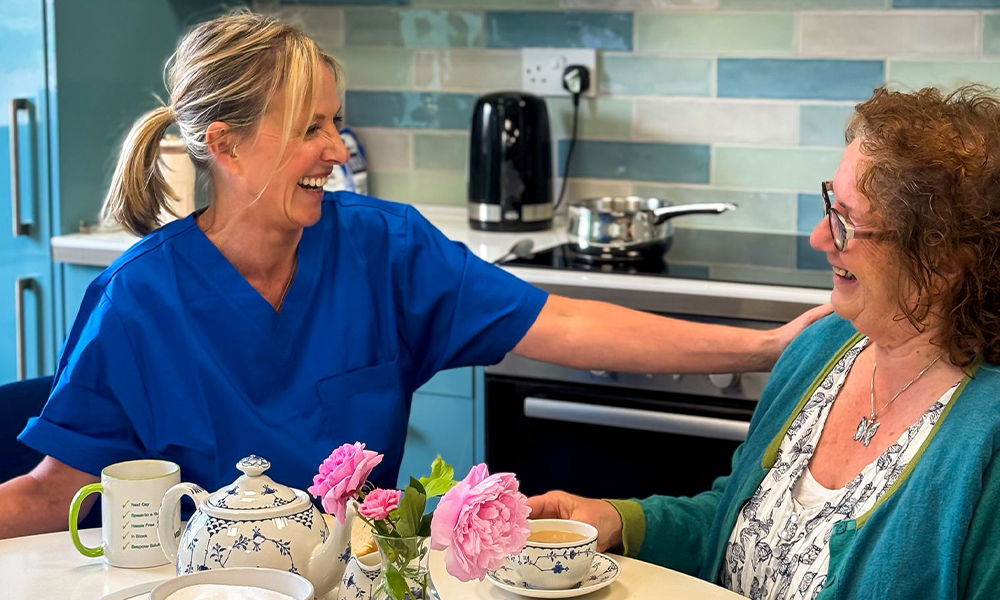
Regular visits can provide focused help with personal routines, medication, meals, household tasks, companionship or appointments while the person remains in control of the rest of their day.
Explore Home Care
Live-in Care
Live-in Care can offer a more continuous, reassuring presence when arthritis or other needs make longer periods of daily support helpful.
Explore Live-in Care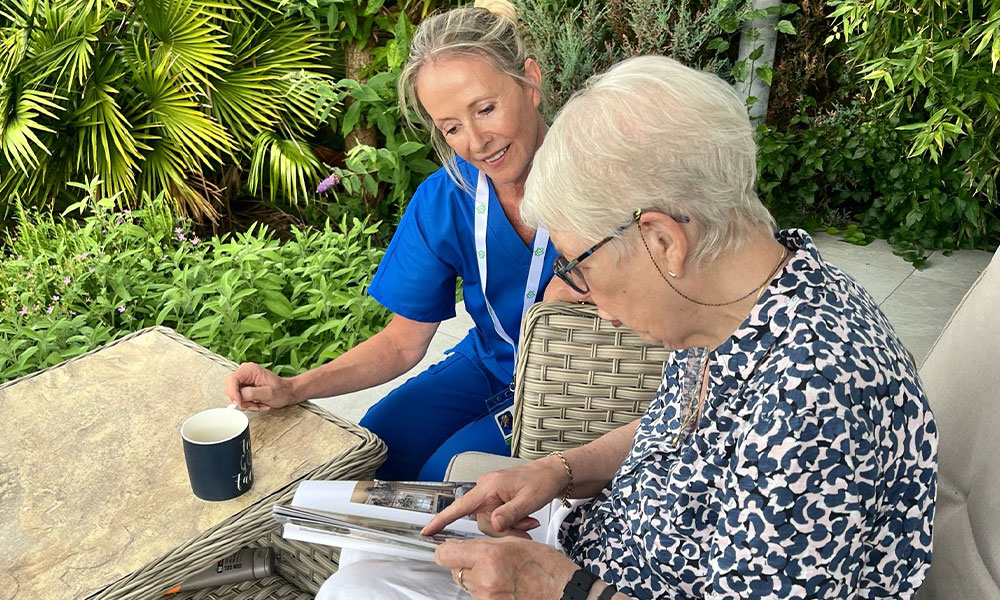
Respite Care at Home
If a partner or relative usually helps with dressing, meals or getting around, we can discuss covering those responsibilities while they take a break. We learn how you like things done and agree the support needed for the time they are away.
Explore Respite Care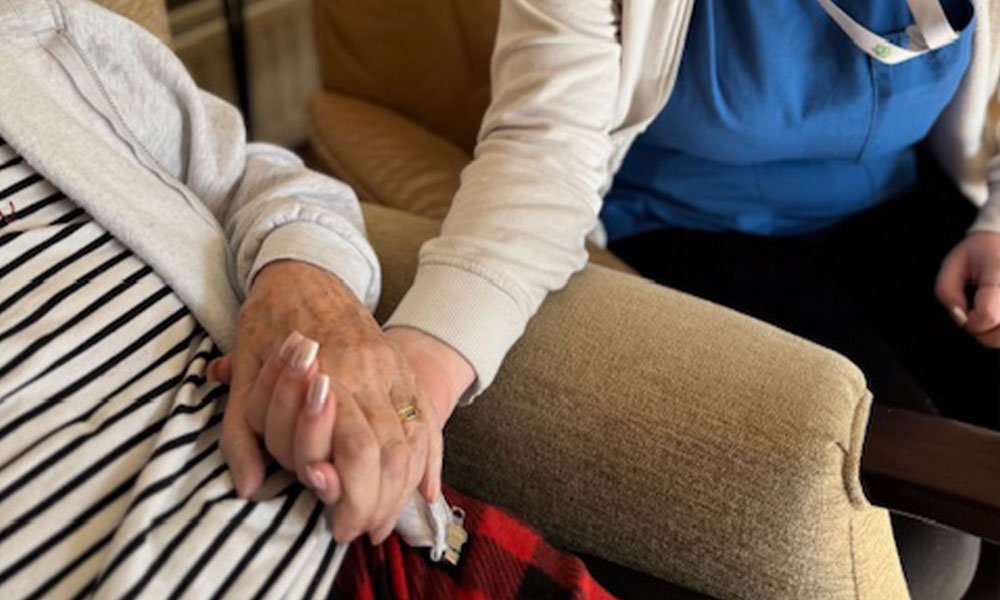
Palliative Care at Home
Where someone is living with arthritis alongside a serious or life-limiting condition, Palliative Care at Home can provide personal and practical support with comfort, wishes and family life kept central.
Explore Palliative CareArthritis home care across Shropshire and nearby areas
Ask us about practical support where you live
We help people living with arthritis across Shropshire and welcome enquiries from North Worcestershire and parts of Herefordshire. Let us know your general area and when assistance would be most useful, whether that is getting ready in the morning, preparing an evening meal or sharing regular household tasks.
Our team will check local availability and talk through the help we could provide. A free, no-obligation home assessment gives us the opportunity to understand your routines and agree what would work for you.
Home care in Shropshire
Home care in Worcestershire
Home care in Herefordshire
Locally coordinated care across our service area
Two Shropshire offices supporting responsive care
The maps below show CM Bespoke Care’s offices in Cleobury Mortimer and Church Stretton. From these local bases, our team coordinates carers, care planning, travel and day-to-day communication across Shropshire, North Worcestershire and parts of Herefordshire. This helps keep support organised, responsive and closely connected to each client and family.
Ground Floor Office Suite, Upper Baveney Park, Cleobury Mortimer, Kidderminster, Shropshire, DY14 8LF
Unit 1, Sandford Court, Sandford Avenue, Church Stretton, Shropshire, SY6 6BH
Arthritis advice and practical support in Shropshire
Help with treatment questions, equipment and everyday life
You may want advice about your symptoms, help finding suitable equipment or information about making your home easier to manage. The independent services below offer healthcare, arthritis information and council support that you can explore alongside the care we provide.
Local health and specialist routes
Musculoskeletal Services Shropshire and Telford
This NHS service supports adults with conditions affecting joints, bones and muscles. Its team can provide assessment, treatment, diagnostics and self-management guidance through professionals including advanced practitioners, physiotherapists, podiatrists and hand therapists. New patients are normally referred by their GP.
Visit Musculoskeletal Services Shropshire and Telford
Robert Jones and Agnes Hunt rheumatology service
The Robert Jones and Agnes Hunt Orthopaedic Hospital provides specialist and general rheumatology services for inflammatory arthritis, including rheumatoid arthritis and psoriatic arthritis, as well as axial spondyloarthritis and other rheumatic conditions. Access follows the appropriate NHS referral route.
Assessments, adaptations and practical support
Arthritis UK information and helpline
Arthritis UK provides information about different forms of arthritis, symptoms, treatment, pain, fatigue, work, exercise, aids and everyday life. Its helpline offers free information and support to people living with arthritis and those close to them.
Find Arthritis UK information and support
Shropshire Council Care Act assessment and direct payments
A Care Act assessment looks at day-to-day needs, goals and eligibility for council support. Eligible adults can ask about a direct payment, which may provide a way to arrange agreed care and support. This council assessment is separate from our free Home Care assessment.
Read about the Care Act assessment and direct payments for adults.
Occupational therapy and home adaptations
Shropshire Council can arrange an assessment when a disability makes moving around or managing at home difficult. Depending on assessed needs, advice may include equipment or adaptations intended to support safety and independence.
Read about home adaptations in Shropshire
Shropshire carers’ assessment
A carers’ assessment is a free conversation about how caring affects the carer’s health, work, relationships and wellbeing, and what support may help. It is separate from the assessment of the person receiving care.
Frequently asked questions about Arthritis Home Care
Talk to our team about arthritis home care
Start with the part of the day that feels hardest
Perhaps getting dressed has become uncomfortable, preparing meals leaves you tired or keeping up with the house takes more energy than you want to spend. Tell us what you would like help with and where you live. We can talk through the options and answer your questions.
You are welcome to contact us for yourself or a relative. If you would like to meet, we offer a free home assessment with no obligation to arrange care. It is a chance to explain your preferences, discuss the practical details and decide whether our support feels right for you.