



Home care after a stroke
Support with the parts of your day that have become harder
Getting washed and dressed, preparing lunch or answering the door may take more time or help after a stroke. You may be planning your return from hospital, adjusting to changes at home or looking for ongoing assistance. We start by asking how you want your day to work, what you can manage yourself and where support would be useful.
At CM Bespoke Care, we have experience supporting people and families after a stroke and currently provide this care. Our Home Care service brings together personal care, meals, assessed medication support and practical help. We plan visits around your usual routines and any relevant guidance from your stroke or rehabilitation team, giving you time to take part in everyday tasks.
If you are enquiring for someone close to you, we involve them in planning their care and agree how updates can be shared. Our free, no-obligation assessment helps us understand the support needed, discuss suitable carers and explain the proposed visits and costs. Care can be arranged for a temporary period or reviewed as an ongoing part of life at home.
Stroke support at a glance
- Support for adults after a stroke, including ongoing daily care
- Free, no-obligation assessment before care begins
- Visiting care from 30 minutes, with longer visits where needed
- Personal care, meals, mobility and assessed medication support
- Communication preferences and professional guidance included in the care plan
- A dedicated care manager and reviews as needs change
- Rated Good by the Care Quality Commission for our registered domiciliary care service
Understanding life after a stroke
Different effects, different support needs
A stroke happens when the blood supply to part of the brain is interrupted. Its effects depend on the area affected and the extent of the injury. Some people recover quickly, while others need support over a much longer period.
Changes may affect movement, balance, communication, memory, concentration, mood or swallowing. Fatigue can also make an ordinary activity more demanding, even when someone appears physically well. The help needed with daily life can therefore vary from one person to another and from day to day.
Your healthcare team plans rehabilitation around your needs and goals. Everyday care can work alongside that plan, helping with the routines between appointments and making time for the things you want to continue doing. Read the NHS guide to recovering from a stroke for more about recovery and professional support.
If you suspect a new stroke, call 999 immediately, even if the symptoms stop. A home care enquiry is for arranging support after a stroke and must not delay emergency help.
143,446 stroke admissions
There were 143,446 hospital admissions for stroke across the UK in 2023–24. These are admissions, rather than a count of individual people. Source: Headway’s UK admissions statistics.
Around 1 in 3 develop aphasia
International evidence summarised in the European Stroke Organisation’s 2025 guideline suggests around a third of stroke survivors develop aphasia, which can affect speaking, understanding, reading and writing. Source: European Stroke Organisation, 2025.
Fatigue can affect up to 70%
The UK Health Research Authority’s 2023 MIDAS2 study summary cites a general research estimate that fatigue affects up to 70% of stroke survivors. Source: Health Research Authority, 2023.
Who might benefit from support at home?
Care based on the person’s daily needs
Support may be useful soon after leaving hospital or much later, when you want help with particular routines. We discuss what is already working, any professional input and the tasks you would like us to assist with.
People we can support
We welcome enquiries from adults and families in situations such as:
- Preparing to return home after hospital or rehabilitation
- Needing help with washing, dressing or using the toilet
- Living with changes in mobility, communication or energy
- Wanting ongoing personal and practical care after a stroke
- Sharing care with a partner, relative or friend
- Arranging a break for someone who usually provides support
We assess the individual arrangement, including the home environment, equipment and any clinical support needed alongside our visits.
When an extra pair of hands could help
A conversation may be useful if you would welcome help with:
- Getting ready for the day without having to rush
- Preparing meals and following an agreed eating and drinking plan
- Moving around the home using assessed assistance
- Keeping on top of medication and appointment routines
- Having time for conversation, interests and contact with others
- Making the daily care arrangement manageable for everyone involved
Tell us which parts of the day need attention. We can explore a suitable visit pattern with you and explain the next steps.
Practical help with life at home
Visits that make room for your choices and abilities
Your care plan sets out what you want to do yourself, where assistance is needed and how it should be provided. The following are examples of support we can discuss during assessment.
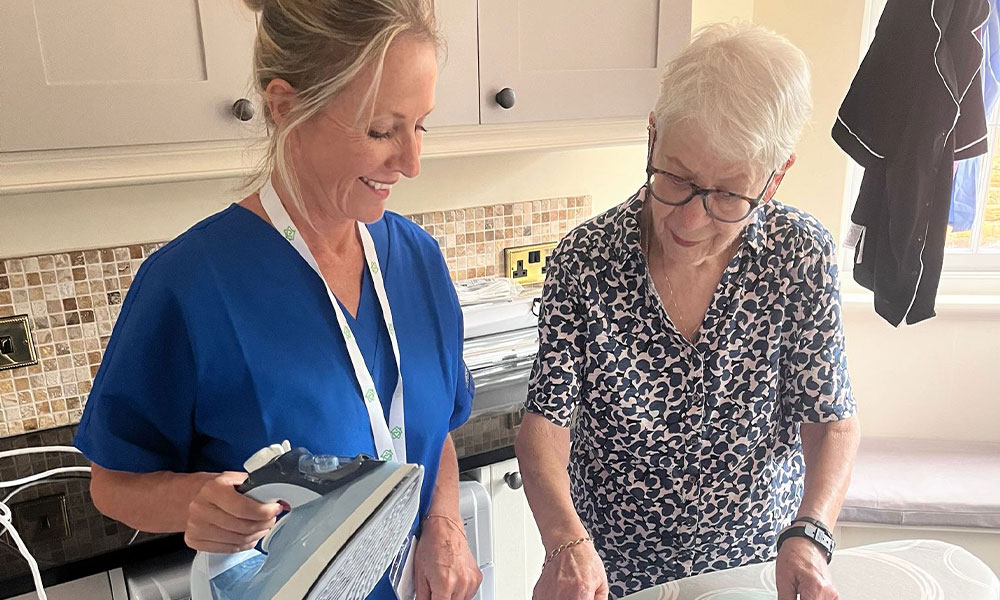
Personal care at your pace
We can help with washing, dressing, grooming, oral care and toileting, following your preferences and the assistance agreed in your care plan.
- Getting up and ready for the day
- Choosing clothes and dressing
- Personal hygiene and continence routines
- Getting comfortable for the evening
We protect your privacy and allow time for you to do the parts you want to manage yourself.
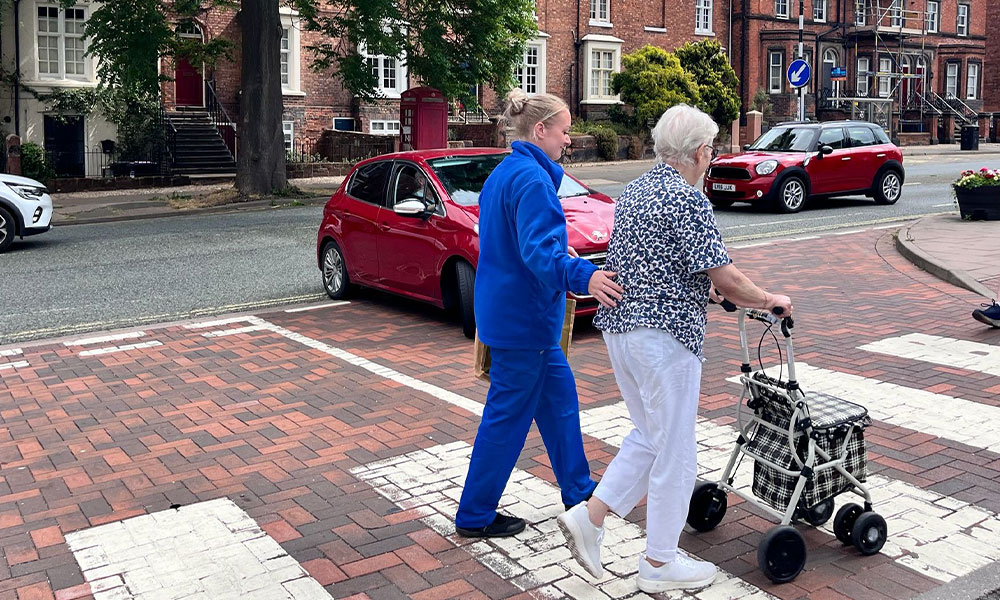
Moving around with assessed help
We plan assistance with getting up, sitting down and moving around your home in line with the moving-and-handling assessment and relevant professional guidance.
- Transfers and everyday movement
- Using agreed mobility aids
- Keeping frequently used routes clear
- Support to attend appointments or go out
Equipment, carer competencies and any need for two practitioners are checked before the arrangement is agreed.
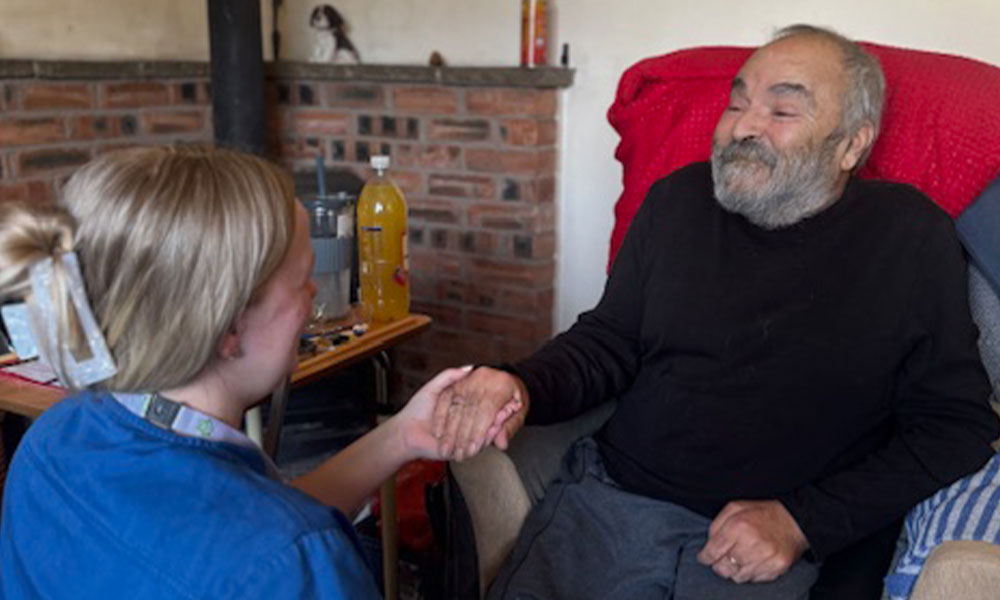
Support with prescribed medication
Medication assistance can range from reminders to administration by competency-assessed practitioners, where this is included in your care plan and risk assessment.
- Agreed prompts or administration
- Accurate medication records
- Noting and reporting concerns
- Planning around collection and supply
Prescribers and pharmacists advise on medicines. We do not change doses or crush tablets on our own initiative.
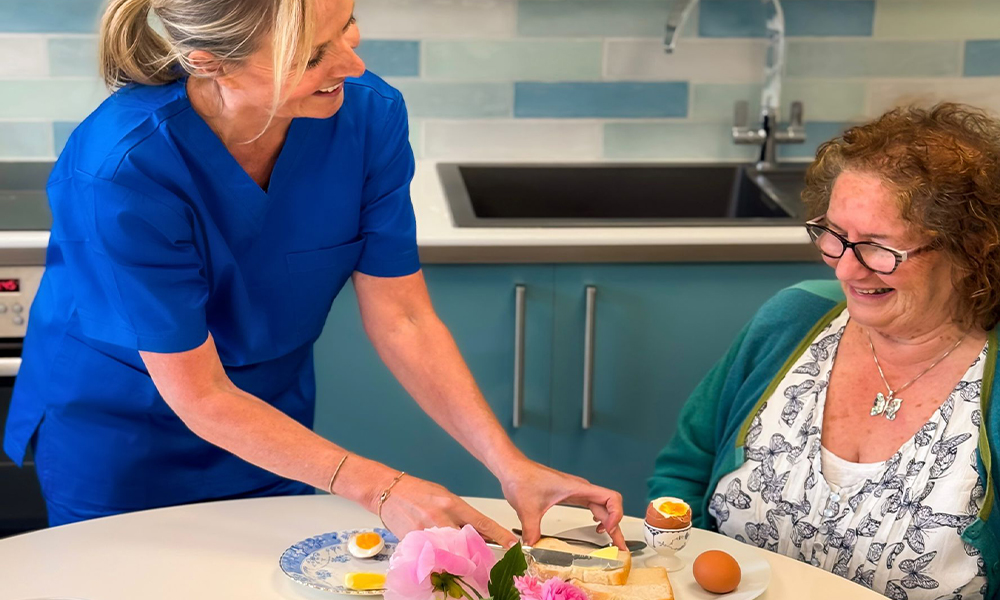
Help at mealtimes
We can prepare food and drinks you enjoy and provide the eating assistance agreed during assessment. Any swallowing guidance must be reflected in the care plan.
- Meal preparation and shopping routines
- Agreed assistance with eating and drinking
- Following prescribed food textures or drink consistency
- Recording relevant concerns for review
A suitably qualified healthcare professional assesses swallowing and advises on changes to food, drinks or positioning.
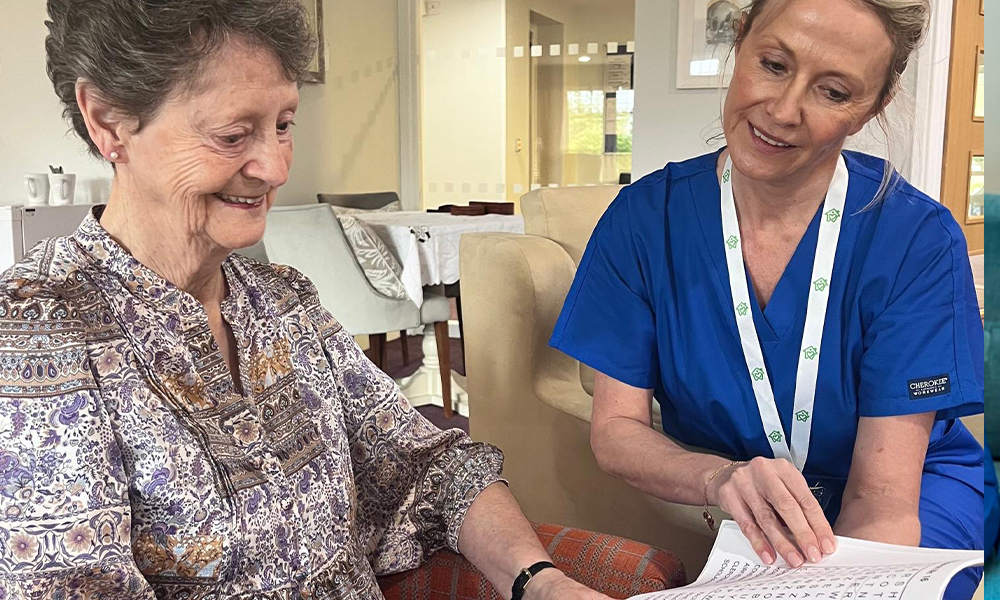
Time to communicate and connect
We ask how you prefer to communicate and follow relevant advice from your speech and language therapist. Visits can include company and activities you enjoy.
- Time to express your wishes
- Using agreed communication aids
- Conversation and familiar interests
- Keeping in touch with people close to you
We speak directly with you, check our understanding and support your involvement in everyday decisions.
Practical help around your day
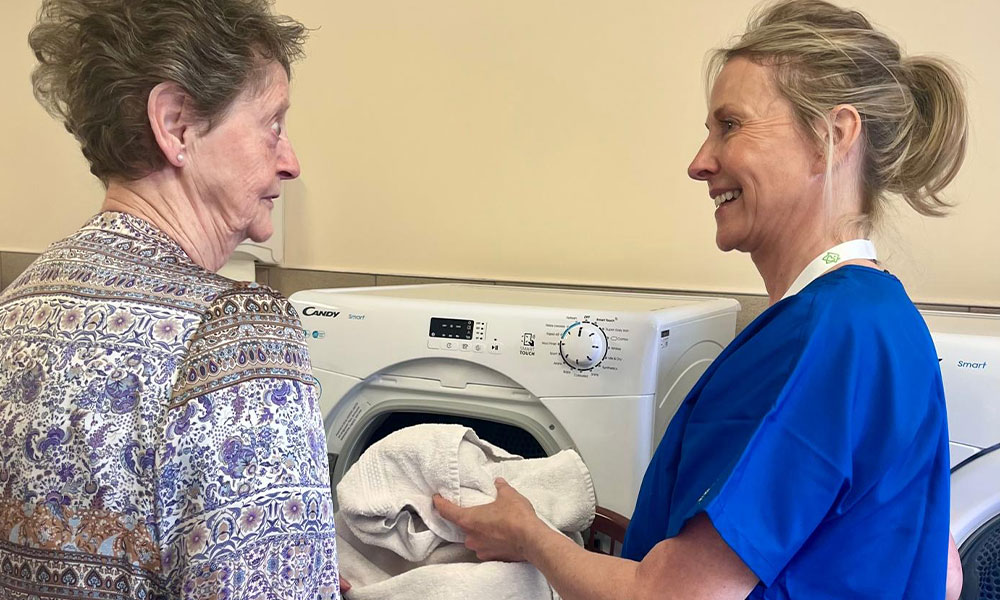
Help with household tasks can give you more choice about how to use your time and energy. We plan the agreed work around your priorities and preferred pace.
- Light housework and laundry
- Shopping and everyday errands
- Preparing items you will need later
- Organising routines around appointments and rest
As needs change, we can review the tasks and timing with you rather than expecting every visit to follow an unchanged routine.
Care alongside your stroke and rehabilitation team
Clear arrangements for everyday support
Care at home can complement the input of doctors, nurses and therapists. With your agreement, we use relevant professional guidance to plan daily assistance and keep the people involved informed of changes that affect your care.
Following the plan in daily life
Before care starts, we discuss discharge information, medication arrangements, mobility guidance, communication and any eating or drinking instructions. Your care plan identifies the agreed tasks and the information carers need to follow them.
If a therapist recommends help with a particular activity, our management team checks the instructions, training and competencies required before agreeing our involvement. We can help organise daily routines around appointments and record relevant observations from visits.
Our secure care records support handovers and reviews. We agree with you how information is shared with relatives and professionals, so updates respect your wishes and confidentiality.
Clinical decisions stay with the appropriate professionals
Your stroke team, GP, nurses and therapists remain responsible for diagnosis, prescribing and rehabilitation treatment. Our role is the personal and practical care agreed with you; a home care visit does not replace a clinical appointment or therapy session.
Our Registered Nurse provides clinical oversight within our domiciliary care service. This does not mean every visit is a nursing visit or that a clinical task is included automatically. Any additional requirement must be assessed and explicitly agreed with the appropriate professional involvement.
Carers record concerns and use the agreed reporting routes. For suspected new stroke symptoms, call 999 immediately, including if those symptoms have stopped. Other changes should be raised promptly with the appropriate healthcare professional and our care manager.

Why choose CM Bespoke Care?
A local team who take time to understand your life
We are a family-owned and managed care agency with offices in Cleobury Mortimer and Church Stretton. Our service has grown through recommendations and local relationships. When you contact us after a stroke, we listen to the person who needs care as well as the people close to them, and ask what a useful care arrangement would look like in their own home.
Our local management teams bring together care planning, practitioner support and travel arrangements across the areas we serve. Once care begins, a dedicated care manager gives you someone to speak to about the visits, communication or changing needs. That ongoing contact helps us keep the care plan relevant as life at home develops.
Thoughtful carer matching after a stroke
Experience, preparation and ongoing review
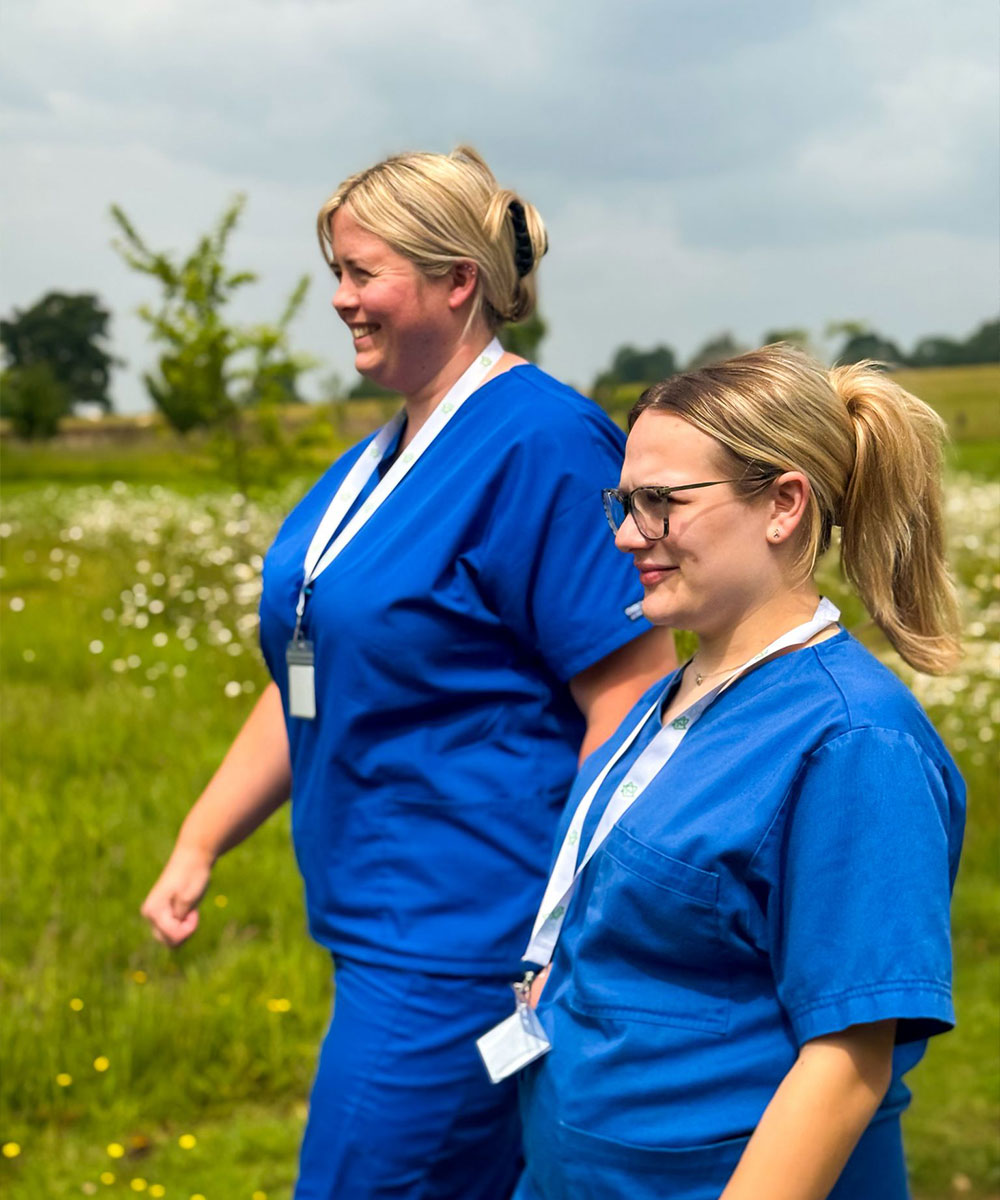
We consider the support you need alongside each practitioner’s relevant training, assessed competencies and experience. Communication, personality, routines, location and availability also help us identify suitable carers and build continuity wherever possible.
- Experience supporting people and families after a stroke
- A comprehensive assessment, risk assessments and individual care plan
- Induction, practical learning and shadow shifts for new practitioners
- Ongoing competency checks, observations and supervision
- Secure digital visit records and agreed family communication
- Formal care-plan reviews at least monthly and when needs change
- Rated Good by the Care Quality Commission for our registered domiciliary care service
Experiences shared by clients and families
What everyday care and communication have meant to others
Choosing care involves getting to know the people who may come into your home. Read independent reviews from people and families we have supported, including their experiences of our carers, communication and day-to-day help.
Arranging support after a stroke
From the first conversation to your care plan
You can contact us for yourself, with a relative or while discharge arrangements are being discussed. We explain the assessment and work through the proposed support before you decide whether to go ahead.

Tell us about your situation
Let us know the general area, when help is needed and which daily routines you would like support with. We will explain the next step and discuss assessment arrangements.

Meet for a free assessment
A senior team member explores your needs, wishes, abilities and home environment, alongside relevant professional guidance. Our assessment is free and carries no obligation to arrange care.

Agree the care and carers
We prepare your care plan, complete risk assessments and identify suitable practitioners. You can discuss the visits, responsibilities and proposed costs before the arrangement is confirmed.

Begin care and keep it under review
Allocated carers receive a handover before care begins. Your care manager reviews how the arrangement is working and discusses changes with you as your needs or preferences develop.
Different ways to receive support
Choose a pattern that fits your daily needs
Some people need help at particular times; others want a more substantial arrangement across the day or night. Our assessment helps us recommend suitable options and check the location, visit pattern and available practitioners before agreeing care.
Visiting Home Care
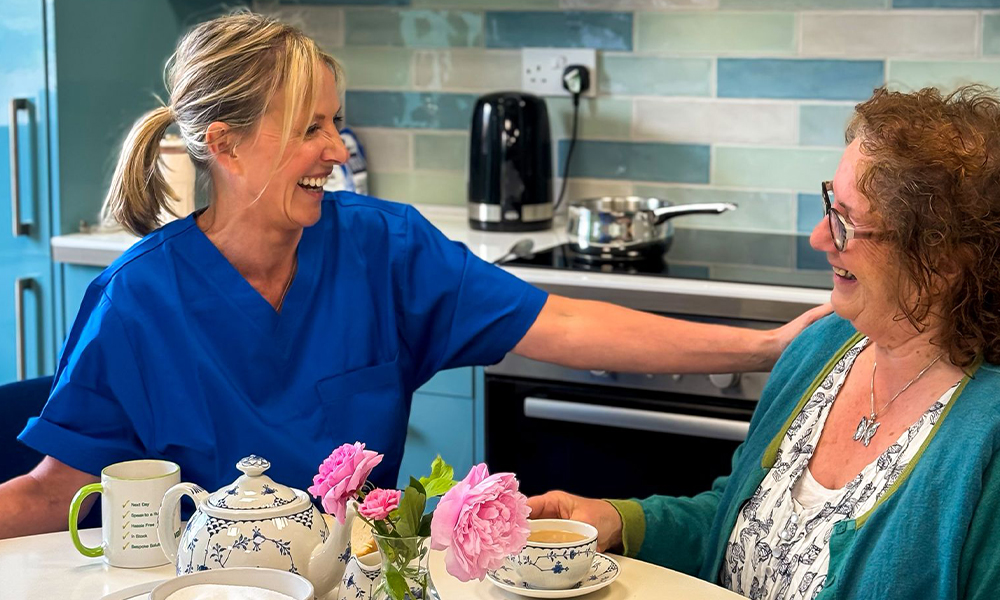
Visits can help with getting up, personal care, meals, medication and settling for the evening. They start from 30 minutes, with the length and frequency planned around the help you need.
Explore Home Care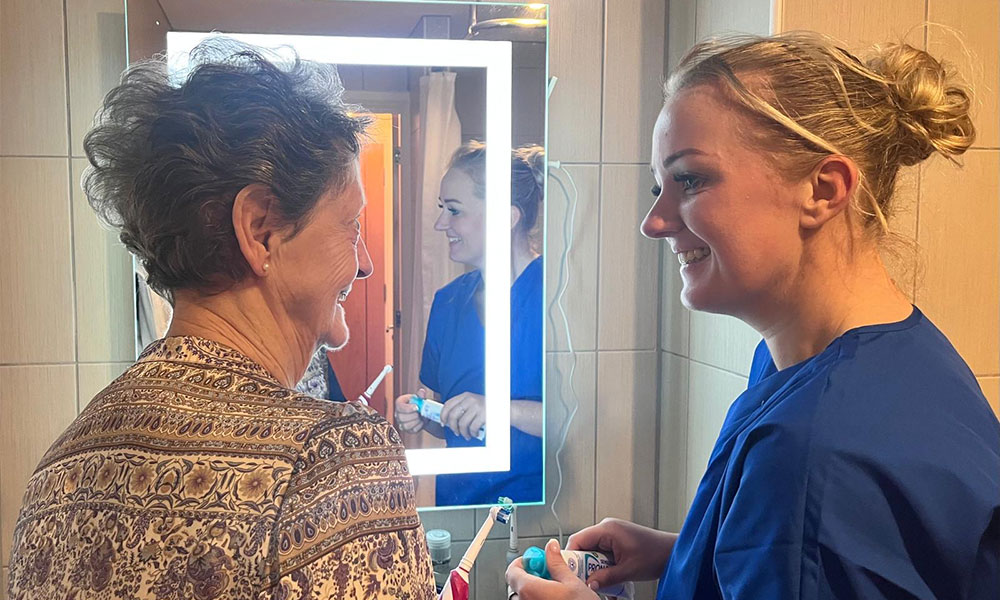
Live-in Care
A carer living in your home can provide substantial daily assistance and company. Suitable accommodation, breaks and overnight needs are agreed during assessment; continuous waking support requires separate staffing arrangements.
Explore Live-in Care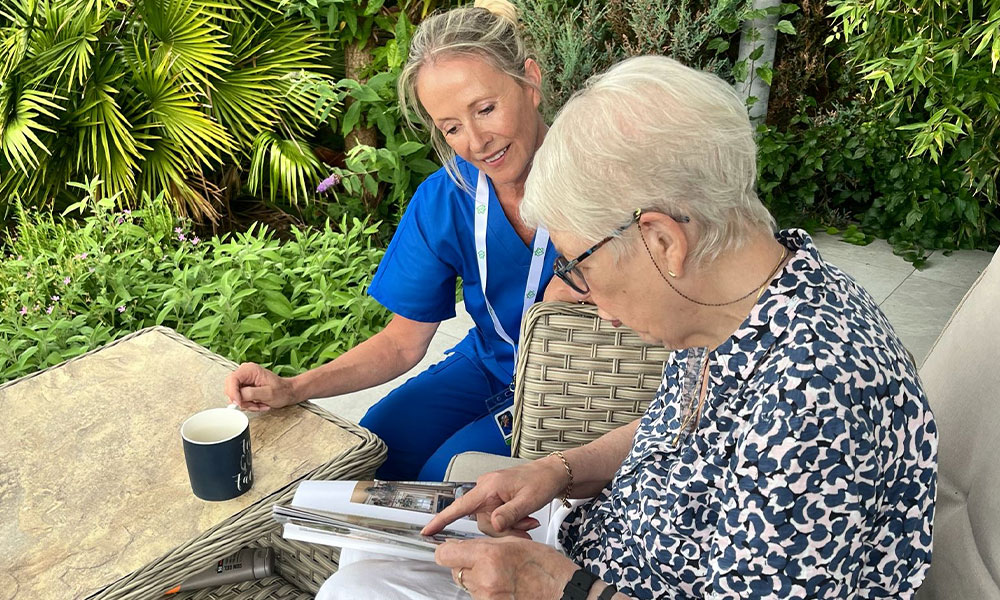
Respite Care at Home
Temporary support gives a regular family carer time away while agreed routines continue at home. We discuss the handover, dates, personal preferences and assistance needed during the break.
Explore Respite Care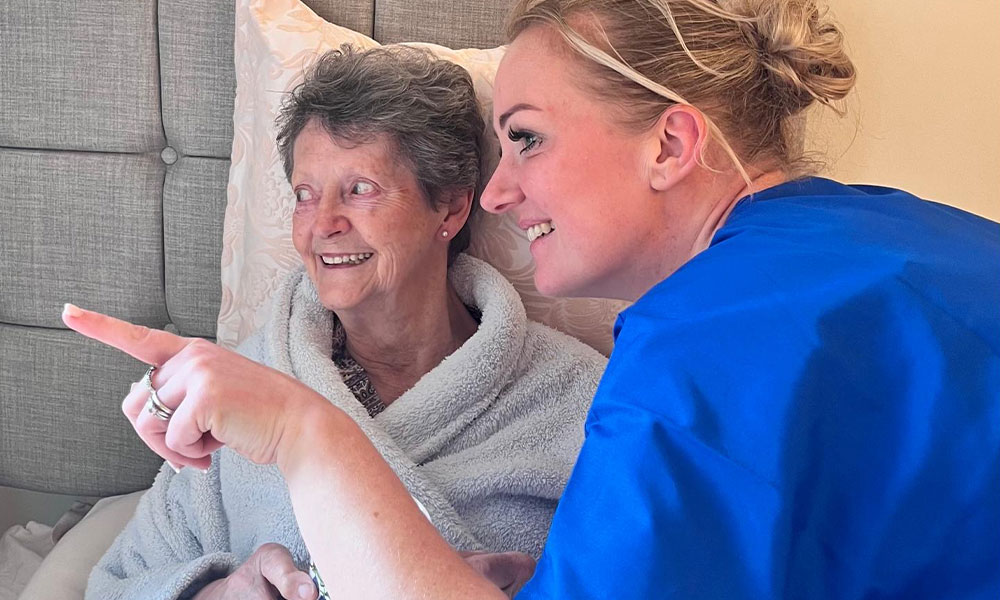
Night Care
We can discuss help with toileting, repositioning and settling during the night. Sleeping-night and waking-night arrangements meet different needs, so we assess the expected assistance and staffing before agreeing the plan.
Discuss night careSupport after a stroke in Shropshire and nearby areas
Care planned through our two local offices
We welcome enquiries across Shropshire, including Shrewsbury and communities around our Cleobury Mortimer and Church Stretton offices. We also support people in North Worcestershire and parts of Herefordshire.
The area pages below give more information about our local Home Care services. If your town or village is not listed, contact our team so we can check your location and the support you would like to arrange.
Home care in Shropshire
Home care in Worcestershire
Home care in Herefordshire
Our local care offices
Based in Cleobury Mortimer and Church Stretton
Our two offices support care planning, practitioner coordination and communication across Shropshire, North Worcestershire and parts of Herefordshire. The team checks travel and visit arrangements alongside your care needs when discussing local support.
Ground Floor Office Suite, Upper Baveney Park, Cleobury Mortimer, Kidderminster, Shropshire, DY14 8LF
Unit 1, Sandford Court, Sandford Avenue, Church Stretton, Shropshire, SY6 6BH
Stroke information and local support
Useful services alongside your care enquiry
You may want advice about recovery, help finding the right professional or a council assessment. These independent routes can help you explore the support relevant to your situation.
Stroke and rehabilitation information
NHS stroke recovery guidance
The NHS explains how recovery can vary and the professional support that may be involved after discharge. Ask your stroke team or GP about the recovery plan and who to contact about changing symptoms or difficulties.
Read NHS stroke recovery guidance.
Shropshire Community Neuro Rehab Team
This multidisciplinary NHS team sees adults with a confirmed acquired neurological condition, including stroke, who have a Shropshire or Telford and Wrekin GP. New referrals are made by a GP, consultant or other healthcare professional; ask your professional team whether this is the appropriate route for you.
Explore the Community Neuro Rehab Team.
Stroke Association information and support
The Stroke Association provides information for people affected by stroke, including relatives and carers. Its support information can help you find advice about daily life and ways to connect with others.
Care assessments and practical support
Shropshire Council
First Point of Contact is the starting route for adults seeking social care advice or support for the first time. You can ask about a care needs assessment and, if someone provides unpaid care, a separate carer’s assessment.
Contact Shropshire adult social care.
Worcestershire County Council
The council’s self-assessment route lets you describe your needs and seek information or further assessment. Its page explains the online options and how residents can arrange a telephone conversation if needed.
Explore assessment in Worcestershire.
Herefordshire Council
The Advice and Referral Team is the first contact for adult social care enquiries, including care and carer assessments. Ask the council about assessment and financial-support routes that apply to your circumstances.
Frequently asked questions about home care after a stroke
Related Articles

Paying for home care: costs and funding options
Understand what affects home care costs, which funding options may be available and where to begin. Our guide explains private payment, council assessments, benefits and NHS support, with practical steps for people arranging care in Shropshire, Herefordshire and Worcestershire.

Coming home from hospital: arranging care and support
Preparing to come home from hospital? Our guide explains what to ask before discharge, which support options may help and how to check the practical arrangements, so you can plan the return home with a clearer understanding of what happens next.
Person-centred home care: care plans, dignity and working together
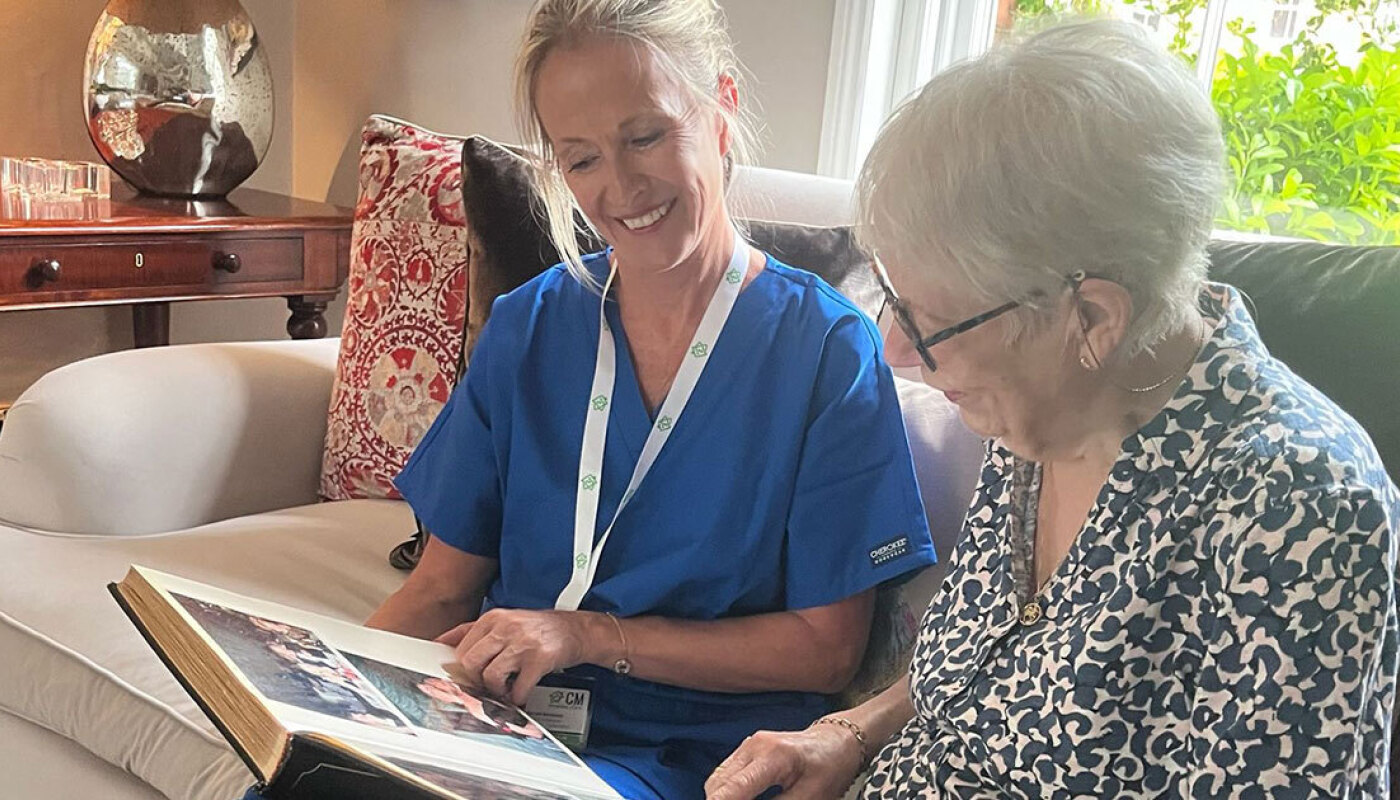
Person-centred home care starts with the person and the life they want to lead. This guide explains how care plans can turn wishes into practical support, protect dignity and choice, and help families, carers and healthcare professionals work together when needs change.
Talk to us about support after a stroke
Tell us what you would like help with at home
Whether you are planning a return from hospital or looking for ongoing assistance, our team can help you explore the next step. Tell us the general area, when support is needed and which parts of the day you would like help with.
We will explain the free, no-obligation assessment and discuss the care we can offer, the proposed visits and costs. You are welcome to contact us for yourself or with someone close to you.