




Health and wellbeing visits shaped around daily life
Help with the part of the day that matters to you
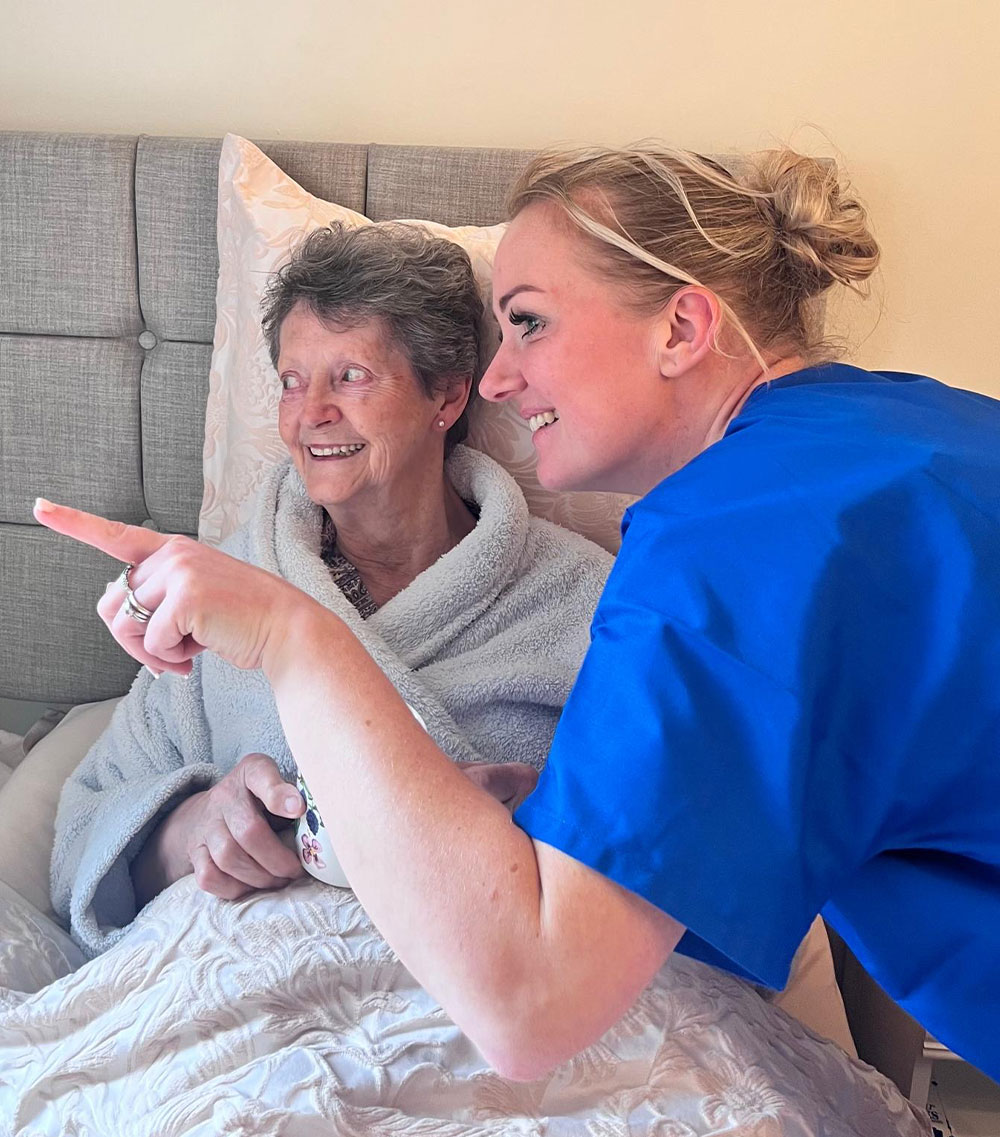
You may want someone to call in at lunchtime, help you get settled for the evening or talk through how you have been managing. A wellbeing visit brings regular contact and practical assistance into that part of your day. It gives you time to ask for help, explain what has been difficult and share anything you would like your care team to know.
Our wellbeing visits are part of CM Bespoke Care’s wider Home Care service. A visit can focus on a few useful tasks or combine help with meals, drinks, personal routines and assessed medication support. We take time to understand what you want to manage yourself, where assistance would be welcome and how you like things done. These details shape your care plan, including the time needed and the instructions your carers should follow.
If you are enquiring for a parent or someone close to you, we involve them in planning the visits and ask who they would like kept informed. We agree how updates and concerns should be shared, which can be especially helpful when relatives live further away or divide support between them. Our free, no-obligation home assessment gives us time to explore these arrangements with you, recommend suitable visits and explain the proposed costs before you decide.
Wellbeing visits at a glance
- Visiting support from 30 minutes, with length and frequency agreed individually
- Time to ask how you are feeling and discuss everyday concerns
- Help with meals, drinks and other agreed routines
- Medication support where assessed and included in your care plan
- Care notes, agreed contact arrangements and a dedicated care manager
- Family involvement and updates guided by your wishes and consent
- Formal care-plan reviews at least monthly and when needs change
- A registered homecare service rated Good by the Care Quality Commission
What is a wellbeing visit at home?
A visit built around everyday life
A wellbeing visit is an agreed care visit focused on how you are managing at home. It can combine a conversation with practical help, such as preparing lunch, making a drink or supporting a routine that has become difficult. The plan sets out what the visit includes and what to do if a concern arises.
The help someone wants varies considerably. A person living alone may manage comfortably and want only occasional assistance; someone living with a partner may need regular support. We ask about the individual rather than deciding from their age, household or diagnosis.
Health checks can also mean medical tests. The NHS Health Check is a separate cardiovascular check-up with its own eligibility and clinical tests. Our visits focus on everyday care, observations and communication, with medical assessment and treatment remaining with the relevant healthcare professionals.
For example, a lunchtime visit might include asking how your morning has been, preparing food you choose and recording a concern you would like help to raise. We agree the detail with you before visits begin. You can also explore our companionship visits for time centred on conversation, hobbies and outings.
8.6 million
An estimated 8.6 million people lived alone in the UK in 2025. Living alone does not itself establish a need for care. Source: Office for National Statistics.
66%
In England’s 2024 Health Survey, 66% of adults aged 65 and over living in private households reported no need for help with the personal and practical activities measured. Source: Health Survey for England.
24%
In the same 2024 England survey, 24% of adults aged 65 and over in private households had some unmet need for help with personal daily activities in the previous month. Source: Health Survey for England.
Who might find wellbeing visits useful?
Support for yourself or someone you care about
We welcome enquiries from adults who would like regular contact and help with daily routines. Visits can be an initial arrangement, part of an existing care plan or temporary support while circumstances change.
When you may welcome regular support
You might be considering visits for:
- Yourself, when a particular daily task would be easier with help
- A parent or relative who would like someone to call in regularly
- Someone living alone who wants agreed practical support
- An adult adjusting to reduced mobility, fatigue or a change in health
- A person settling back into routines after a hospital stay
- A household sharing care between a partner, relatives and visiting carers
We discuss the person’s own wishes and the assistance required. If support is needed after hospital, we plan around the discharge instructions and the professionals involved.
Which parts of the day could work better?
You may want help with:
- Getting a meal or drink ready at a useful time
- Following an agreed medication routine
- Managing light household tasks or food shopping
- Getting ready or settling in for the evening
- Passing on a concern about how you have been feeling
- Agreeing clearer communication when relatives live further away
If you are helping someone explore care, ask which tasks they find difficult and what they would like to change. Our guide to talking about home care offers ways to begin that conversation.
What can happen during a wellbeing visit?
Agreeing the details that make each visit useful
Your care plan records the help you want, the time needed and any instructions carers should follow. These examples can be combined, with enough time for the agreed tasks and a conversation about how you are getting on.
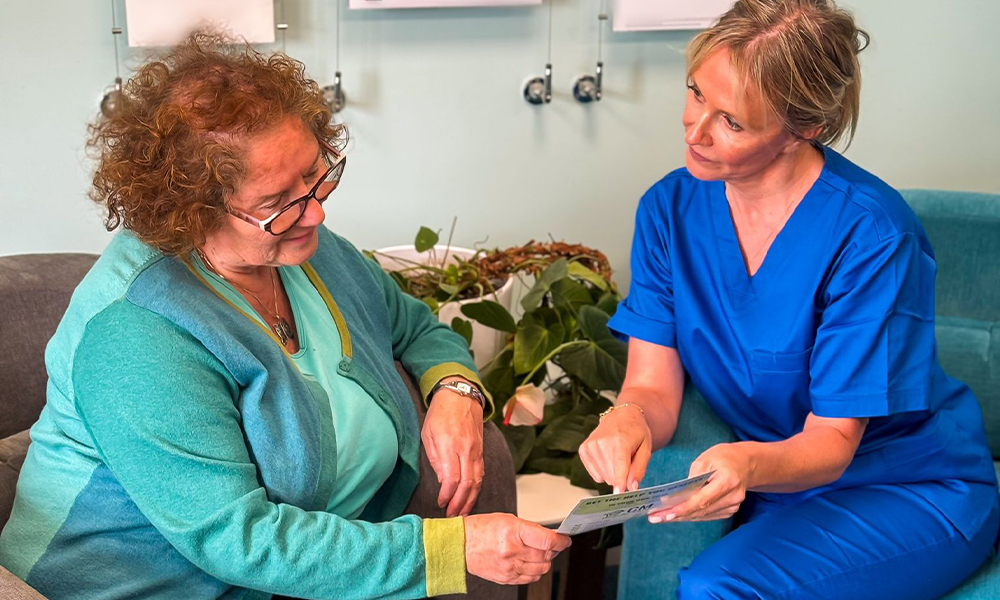
Talking about how you are getting on
Your carer makes time to listen, ask about your day and hear any concerns you want to share. Getting to know your usual routines helps the team understand when you describe something different.
We record what you tell us and what the carer notices, then pass relevant concerns to your care manager or the appropriate professional.
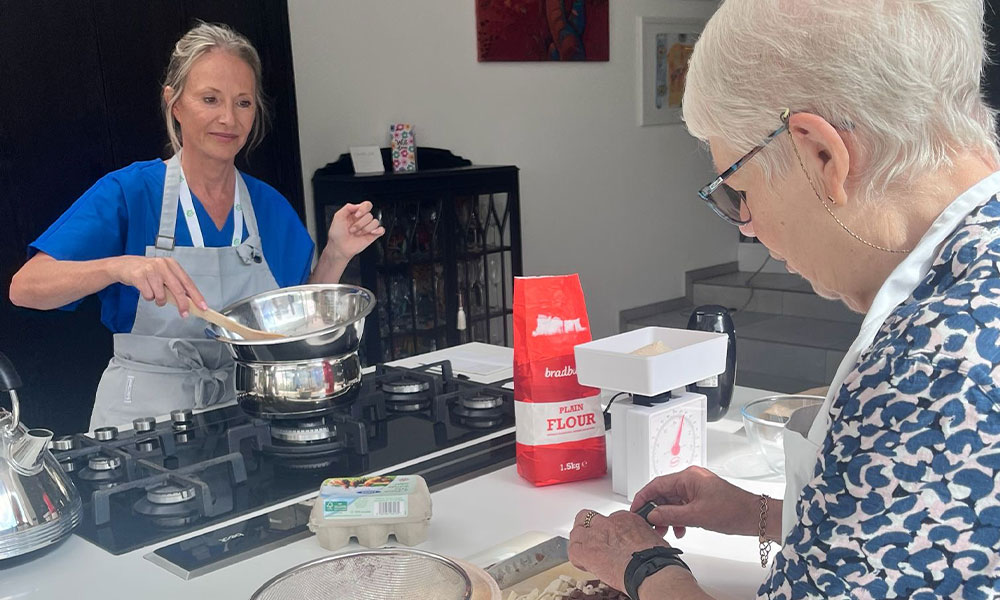
Meals, drinks and daily comfort
We can help prepare a meal, make a preferred drink and leave agreed items within reach. You choose what you would like and which parts you want to do yourself.
Carers follow any dietary or swallowing instructions in your plan and report difficulties or changes. Our eating well at home guide offers further practical ideas.
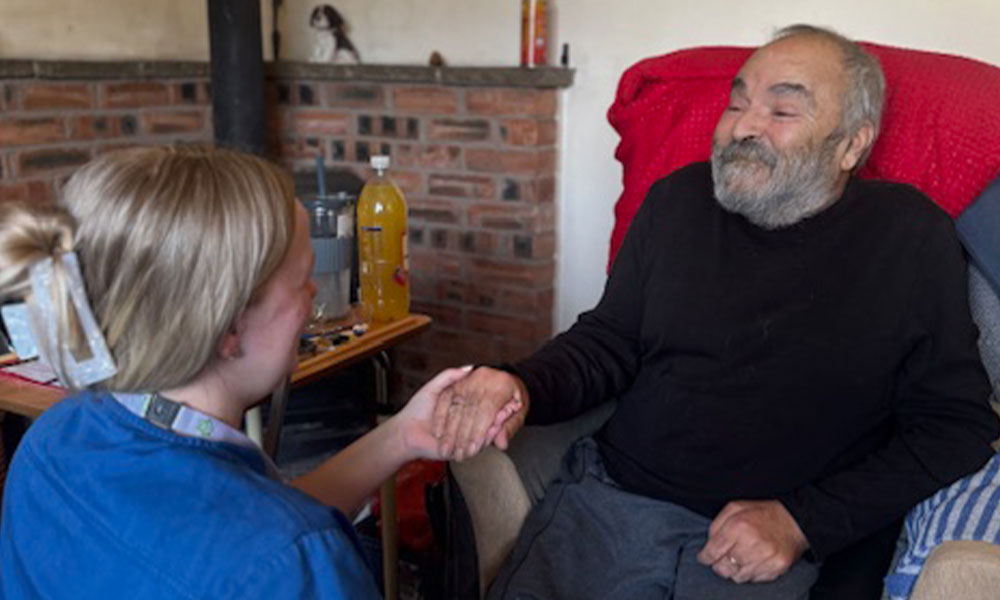
Agreed medication support
If medicines are part of your visits, we assess the assistance needed and record it in your care plan. Support may include reminders or administration by carers assessed as competent for the agreed tasks.
Prompts, administration, refusals and omissions are recorded. Questions about doses, side effects or changes go to the prescriber or pharmacist; carers do not make prescribing decisions.
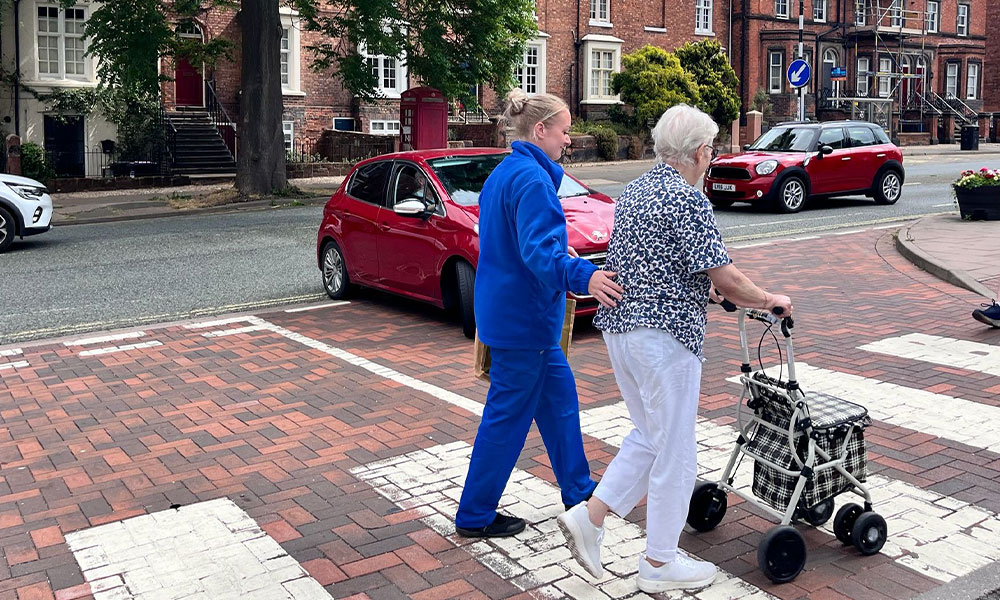
Mobility and everyday routines
You may want assistance getting around, preparing for the day or settling into a comfortable place. We assess the help, equipment and staffing needed before agreeing these tasks.
Your carers follow the current moving-and-handling guidance in your plan. If mobility or confidence changes, we discuss a review and seek the relevant professional advice.
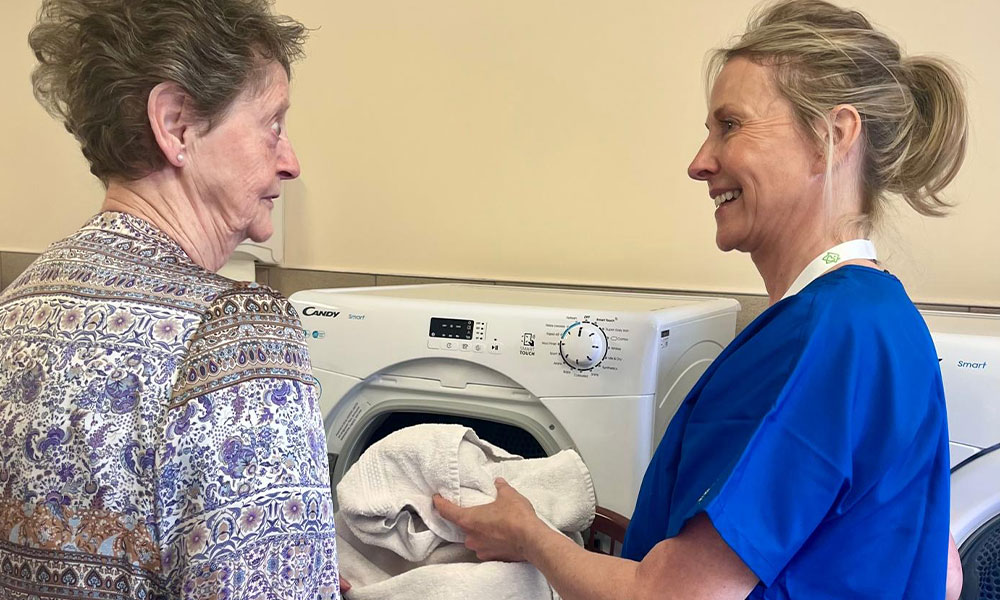
Practical help around the home
Light household tasks, laundry or help with shopping can be included where agreed. We ask what you want done and how you prefer things arranged, including the tasks you enjoy doing yourself.
Visit length reflects the actual work involved. If a job needs a different service, equipment or more assistance, we explain that during planning.
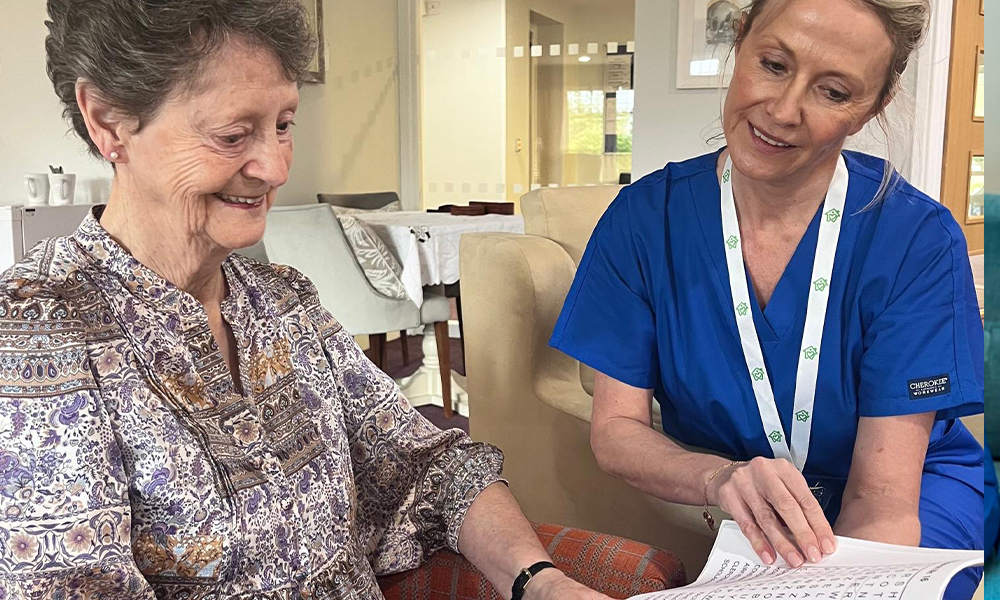
Keeping the right people informed
We agree who should receive updates, how they should be contacted and what information can be shared. This can help relatives understand the visits when they cannot be there themselves.
Our secure records keep the care team informed. Family portal access may be arranged where appropriate, guided by your wishes and consent, alongside telephone, email or face-to-face contact.
Keeping everyday support and professional care connected
Clear information about what to do and who to contact
Where relatives, carers and healthcare professionals are involved, a shared understanding of the plan helps each person know their role. We include relevant professional instructions and agree how concerns should be recorded and passed on.
Following the support you have agreed
Your plan brings together the practical tasks, preferences and professional guidance relevant to your visits. It also records contacts and instructions for responding to changes.
Planning can include:
- Your usual routines and the help you welcome
- Current instructions about medicines, meals, mobility or equipment
- What relatives or other services already provide
- Access arrangements and who to contact if a concern arises
- Relevant observations to record and share with the care manager
Our guide to person-centred care plans explains how these details can reflect your wishes while keeping responsibilities clear.
When something needs attention
Carers report relevant changes and concerns through the agreed routes so the right person can review them. A GP, nurse or other clinician remains responsible for medical assessment, tests and treatment decisions.
We discuss the arrangement again when:
- You say the current help no longer meets your needs
- Eating, drinking, mobility or daily routines change
- A hospital discharge or new professional instruction affects visits
- Family support, access or contact arrangements need updating
Scheduled visits provide support at agreed times. If someone needs supervision between visits, we discuss whether a different care arrangement is required. For a life-threatening emergency call 999; use NHS 111 when urgent medical help is needed and you are unsure where to turn.

Why choose CM Bespoke Care?
A local team that gets to know your everyday life
We are a family-owned and managed care agency with offices in Cleobury Mortimer and Church Stretton. Our approach starts with listening: the times that matter, how you like assistance offered and who you want involved. These details help us plan visits that feel comfortable and useful to you.
We aim for a small, familiar care team wherever possible, with a dedicated care manager to oversee the arrangement. You have someone to contact about a change, a question or something you would like done differently. Regular reviews give us time to discuss how the support is working as part of your daily life.
Experience supporting people and families at home
Thoughtful matching and ongoing oversight
Our experience with everyday care and changing needs informs the way we plan wellbeing visits. We consider your routines and communication preferences alongside each carer’s skills, experience, personality, location and availability.
- A free assessment by a trained senior team member
- Induction and shadow shifts before carers work independently
- Ongoing learning, observations and task-specific competency checks
- Secure digital care records and a dedicated care manager
- Formal reviews at least monthly and whenever needs change
- Seven-day on-call management support for existing clients and carers

What people say about CM Bespoke Care
Experiences shared by clients and families
How carers communicate, offer assistance and respond to questions matters when someone is visiting your home. Read what clients and families have shared about their experiences of CM Bespoke Care.
Arranging wellbeing visits at home
From your first enquiry to an agreed routine
We begin with a conversation about the support you want and the general area where you live. A free home assessment then gives us time to explore the details and explain suitable arrangements before you decide.

Tell us what would help
Explain which part of the day is becoming difficult or when a regular visit would be welcome. You can enquire for yourself or help someone close to you contact us. We will discuss initial availability and the next steps.

Free home assessment
A trained senior team member usually visits you at home to discuss routines, preferences and assistance needs. You can involve a relative or someone you trust. Most assessments take around 60 to 90 minutes, with more time where needed, and there is no obligation to proceed.

Your plan and care team
We agree the tasks, visit pattern, access and contact arrangements, then develop the care plan and explain the costs. Suitable carers are matched and receive a full handover so they understand your preferences and the instructions they need to follow.

Visits begin and stay under review
Your dedicated care manager oversees the arrangement and remains your main contact. We formally review the plan at least monthly and whenever needs change, discussing any adjustments to support, visit length or frequency with you.
Choosing the right amount of support at home
Regular visits and options when more help is needed
Wellbeing visits are usually arranged as visiting Home Care. If your needs involve longer periods of assistance, a family-carer break or support overnight, our assessment helps us discuss a suitable care format.
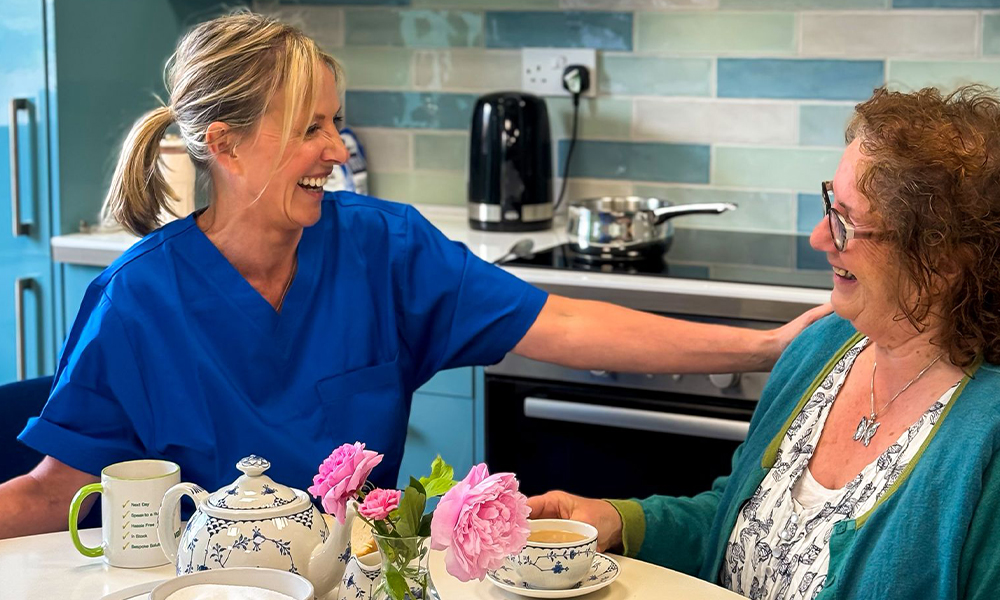
Visiting Home Care
Visits at agreed times can combine everyday wellbeing support with meals, personal care, medicines or household help. We plan the tasks and time around your assessed needs and preferences.
Explore Home Care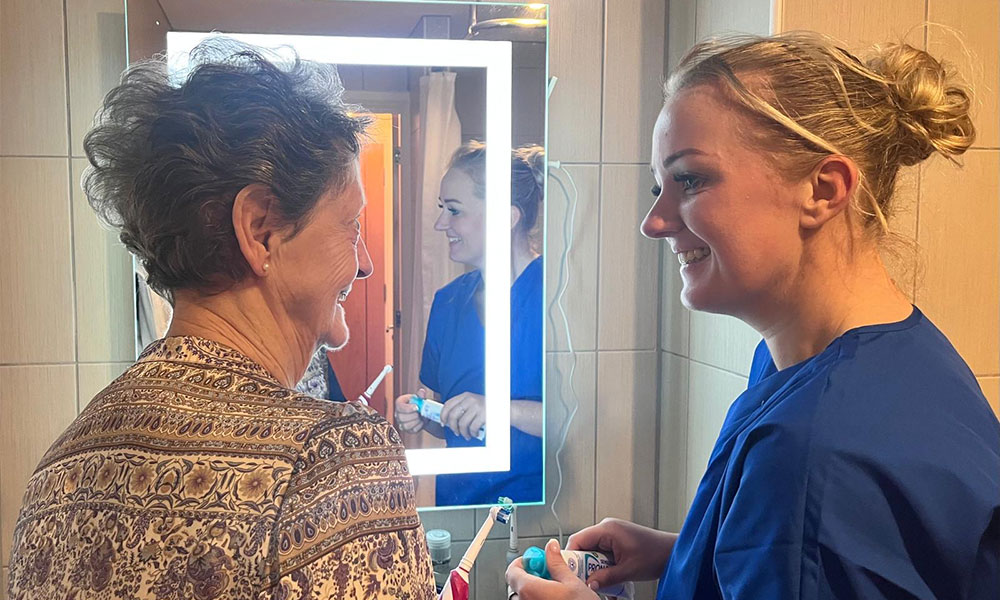
Live-in Care
If you need support across more of the day, a carer living in your home may be worth exploring. Suitable facilities, breaks and overnight rest must be planned; continuous care requires an appropriately staffed arrangement.
Explore Live-in Care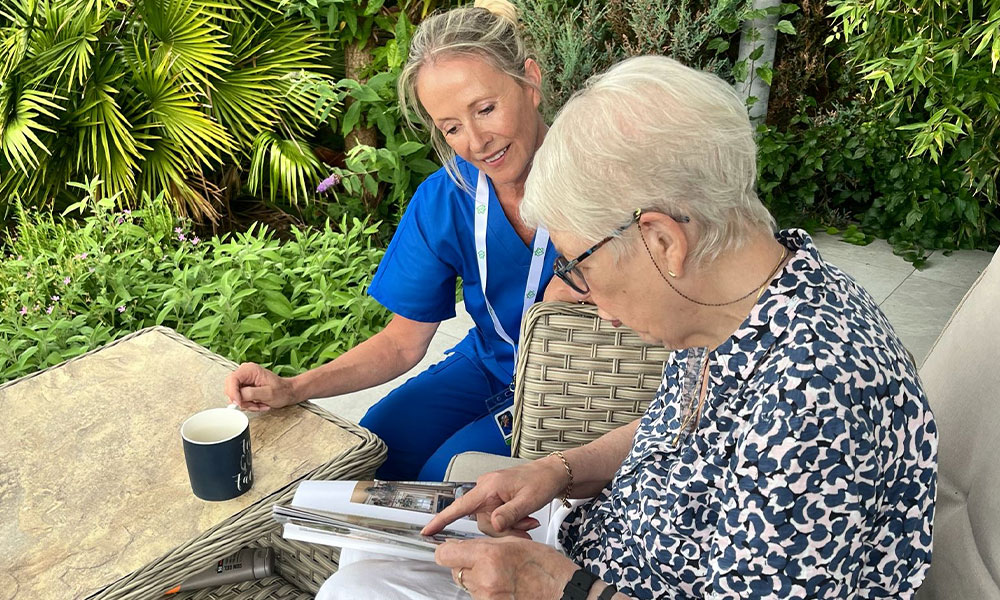
Respite Care at Home
Temporary care can cover an agreed period while a relative rests, works or takes time away. We assess the help needed during that period and arrange a handover before support begins.
Explore Respite Care
Night Care
If help is needed overnight, we discuss the pattern and level of assistance. Sleeping-night and waking-night arrangements meet different needs, with staffing and rest planned through assessment.
Discuss night supportWellbeing visits in Shropshire and nearby areas
Support coordinated through our two local offices
We welcome enquiries across Shropshire, including Shrewsbury and the communities around Cleobury Mortimer and Church Stretton. We also consider visits in North Worcestershire and parts of Herefordshire, checking the location, care requirements, travel and suitable staffing.
The area pages below explain more about our local Home Care services. If your town or village is not listed, tell us the general area and the visits you have in mind so our team can check the options.
Home care in Shropshire
Home care in Worcestershire
Home care in Herefordshire
Locally coordinated care
Our Cleobury Mortimer and Church Stretton offices
Our two local bases help us organise care planning, practitioner travel and communication across Shropshire, North Worcestershire and parts of Herefordshire. The maps below show where our offices are based.
Ground Floor Office Suite, Upper Baveney Park, Cleobury Mortimer, Kidderminster, Shropshire, DY14 8LF
Unit 1, Sandford Court, Sandford Avenue, Church Stretton, Shropshire, SY6 6BH
Information and support alongside your visits
Finding the right help for your question
You may want to understand home care, arrange a medical check-up or ask your council about support. These independent resources explain the different routes and how to take the next step.
Home care and healthcare information
Understanding help at home
The NHS guide explains what paid carers can help with, how to arrange care and questions to ask an agency. It also describes the separate council assessment and funding processes.
The NHS Health Check
This is a clinical check-up of cardiovascular health, offered to eligible people with its own age and health criteria. Ask your GP practice about eligibility and other check-ups appropriate to your circumstances.
Read about the NHS Health Check
When you need medical help
Contact your GP about ongoing health concerns. If you need medical help now and are unsure where to turn, NHS 111 can direct you. Call 999 for a life-threatening emergency.
Local care assessments and support
Shropshire Council
A Care Act assessment explores the help you need, what matters in daily life and whether needs qualify for council support. A carer can also ask about an assessment of their own needs.
Read about a Shropshire care assessment
Worcestershire County Council
The Adult Social Care contact route provides wellbeing information, advice and access to an online self-assessment. A friend or relative can help complete it with the person’s agreement.
Contact Worcestershire Adult Social Care
Herefordshire Council
The Advice and Referral Team is the initial contact for adult social care, including care and carer assessments and financial assessments. Ask which route fits the support you are seeking.
Related Articles

Paying for home care: costs and funding options
Understand what affects home care costs, which funding options may be available and where to begin. Our guide explains private payment, council assessments, benefits and NHS support, with practical steps for people arranging care in Shropshire, Herefordshire and Worcestershire.

Talking to a loved one about home care
Starting a conversation about home care can feel difficult, especially when you see things differently. Explore practical ways to raise the subject, listen to concerns and agree a useful next step while keeping your loved one involved in decisions about their support.
Person-centred home care: care plans, dignity and working together
Person-centred home care starts with the person and the life they want to lead. This guide explains how care plans can turn wishes into practical support, protect dignity and choice, and help families, carers and healthcare professionals work together when needs change.
Frequently asked questions about wellbeing visits
Talk to us about wellbeing visits at home
A free assessment to explore the support you want
Tell us which part of the day you would like help with and the general area where visits are needed. We will listen, answer your questions and explain the next steps.
You can enquire for yourself or help someone close to you get in touch. Our free, no-obligation home assessment gives us time to discuss routines, preferences and the people you want involved, then recommend suitable visits and explain the costs.