




Understanding palliative care at home
Comfort, everyday life and the support around you
When palliative care is suggested, you may want to know what it will mean for an ordinary day. Who will visit? Can you continue treatment? What happens between appointments? Palliative care aims to improve comfort and quality of life during a life-limiting illness, including support with symptoms, emotional wellbeing and practical needs. It can support people with different illnesses, including advanced cancer, dementia and heart or lung disease. Marie Curie’s explanation of palliative care gives a useful introduction.
Support can begin earlier in an illness and continue alongside treatment. End-of-life care forms part of palliative care when someone is approaching the end of their life. The terms describe the focus of care; they do not give an exact timetable for an individual person. Your healthcare team can explain what applies to you.
At home, different people may help with different needs. A doctor or nurse might review symptoms, while a care practitioner helps with washing or preparing a meal. Someone close to you may want to take on particular tasks. Our Home Care service explains the everyday support CM Bespoke Care can provide alongside the healthcare professionals involved.
This guide helps adults and families explore those arrangements, prepare useful questions and find support. The council and NHS funding information applies to England. Whether you are planning ahead or adjusting care already in place, start with the person’s wishes, the help needed through the day and night, and who can reliably provide it. A clear plan should make room for both practical care and time together.
Palliative care at home at a glance
- Palliative care can begin before the final days of life and may accompany ongoing treatment.
- Medical care and everyday help have different responsibilities; ask who provides each part.
- Your wishes, comfort, privacy and preferred routines should shape the plan.
- Check equipment, visit times, medicine arrangements and out-of-hours contacts before support begins.
- NHS healthcare, council support, benefits and private care have different funding rules.
- Include rest and backup arrangements for anyone providing unpaid care.
- Ask for a review when needs change, including when care at home becomes difficult to manage.
What support at home can look like
Make everyday care work for the person
The useful starting point is a conversation about what has become harder and what the person would like to keep familiar. These six areas help you describe day-to-day needs. Clinical treatment belongs in the wider healthcare plan, with the appropriate professionals responsible for it.

Personal care and privacy
Washing, dressing and toileting can need more time or help as someone’s energy and mobility change.
- Ask how the person prefers help to be offered.
- Agree privacy and communication preferences.
- Allow time for the parts they want to do themselves.
A familiar morning routine can still matter, even when the amount of help changes.
Meals, drinks and comfort
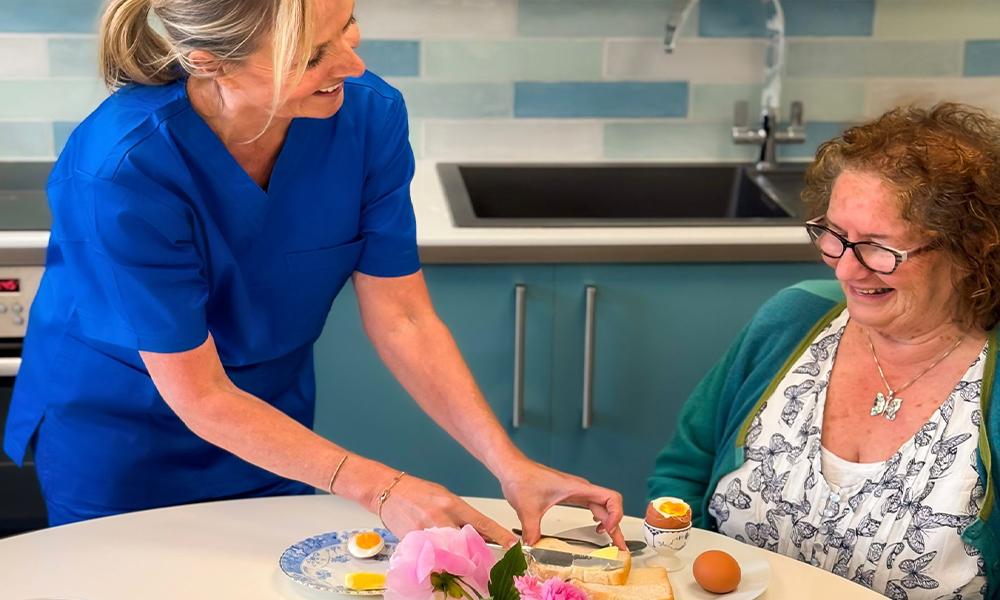
Preparing something the person enjoys and helping them eat can be an important part of a visit.
- Ask about preferred foods and smaller portions.
- Follow agreed swallowing or dietary guidance.
- Report new difficulty eating or drinking.
If intake changes or swallowing becomes difficult, ask the clinical team for individual advice; offer support gently and without pressure.

Moving around safely
Getting out of bed or moving between rooms may need assessed help, equipment or more than one person.
- Explain which movements have become difficult.
- Ask who will assess the task and equipment.
- Check that anyone helping has suitable guidance.
Ask for advice before trying a new transfer or lifting someone yourself.
Company and meaningful time
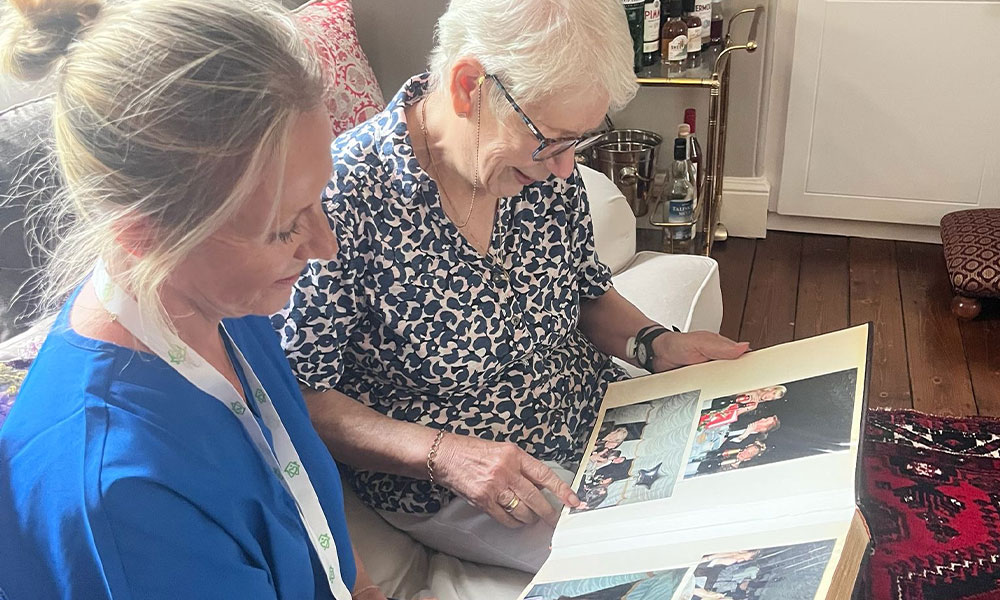
The person may welcome conversation, familiar music or quiet company, depending on how they feel that day.
- Ask who they would like to see.
- Keep visits suited to their energy.
- Respect times when they want privacy or rest.
A visit can be valuable simply because it gives someone time with a person or interest they enjoy.
Visits and practical tasks
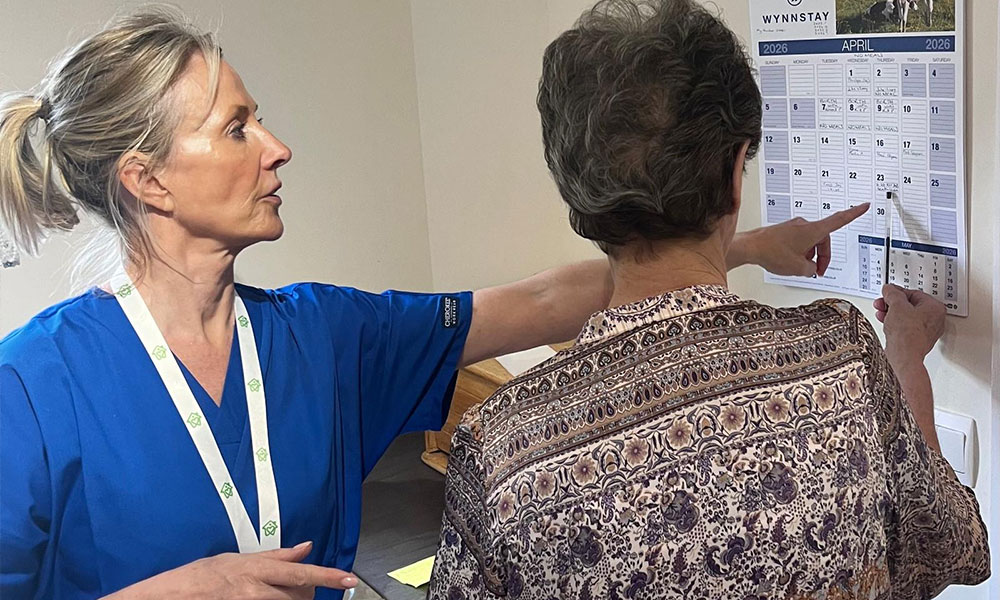
Appointments, shopping, laundry and access to the home can become difficult to coordinate alongside care.
- Keep an agreed calendar of visits.
- Identify who will organise supplies and errands.
- Confirm how changes will be shared.
Record a task as covered once someone has agreed to take responsibility for it.
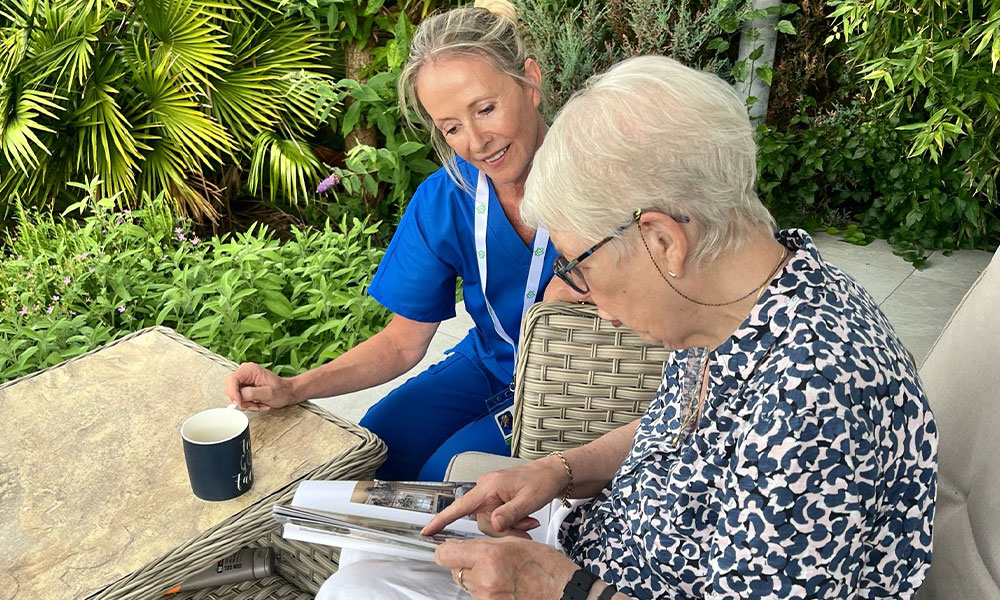
Rest for people providing care
If a partner, relative or friend provides regular help, their sleep, health and commitments belong in the plan too.
- Discuss when they need cover.
- Include evenings and nights where relevant.
- Agree a backup if they become unavailable.
Our guide to taking a break from caring explains how to explore replacement support.
Who helps with palliative care at home?
Know who to contact for each part of care
You may hear several job titles as support is arranged. Ask each person to explain their role, how to contact them and how they communicate with the rest of the team. Keep those details together so that a concern reaches the right person.
Your GP, nurses and specialist team
Healthcare professionals assess and treat medical needs, including pain and other symptoms.
For care at home, the GP has overall responsibility for medical care. Community or district nurses may provide nursing support, and a specialist palliative team may advise when extra expertise is needed. The NHS explanation of who provides palliative care describes how these roles can fit together.
If you are arranging support for the first time, speak to your GP, district nurse or existing hospital team about an assessment and any referral needed. Ask who is coordinating your clinical care and which number to use for a new symptom, a medicine concern or a change in the person’s condition. Different services may cover different hours. A planned visit schedule should be accompanied by advice about what happens between visits.
Hospices may offer support at home, day services or a stay when specialist care is needed. They can also offer support to people close to the person. Services and referral arrangements vary; ask the GP, nurse or local hospice what is available. Marie Curie’s hospice guide explains these options.
Care practitioners, relatives and practical support
Everyday support helps the person manage routines, with responsibilities agreed around their needs.
Home-care practitioners can help with assessed personal care, meals, household tasks and companionship. Agreed medication support needs a clear plan and the right competencies. Ask the provider which tasks its team can undertake and how concerns are recorded and passed to healthcare professionals.
A relative or friend may choose to help with meals, shopping or time together. Discuss what they can realistically offer, including any task they feel unsure about. If someone needs hands-on help, ask for appropriate advice and training rather than assuming a willing helper can safely provide it.
An occupational therapist can help assess equipment or changes to the home; a social worker may help explore care arrangements and support routes. Ask how to reach these services if you are not already in contact with them. The Marie Curie equipment guide identifies useful starting points.
Planning care around your wishes
Keep the things that matter visible as needs change
Preferences can be specific: being able to sit by a window, seeing a close friend, having help from someone of a preferred gender, keeping a quiet period after lunch, or having space for cultural or spiritual practices. Tell the people involved what matters and ask how it can be reflected in everyday care.
For example, someone who tires easily might prefer a short wash followed by rest before a family visit. Discussing that routine helps the team consider timings and support. The person’s wishes may change from day to day, so asking how they feel remains part of caring.
You can also discuss future wishes with your healthcare team, including where you would like care and who you want involved. Ask how these wishes should be recorded and shared, and whether a more detailed advance care planning conversation would be useful. The team can explain any separate treatment decisions or legal arrangements that need consideration. NHS guidance on planning ahead offers further information.
If the person finds communication or decision-making difficult, ask the professionals supporting them how to help them take part and what decision-making arrangements apply. Keep their preferences and comfort central. Choosing home care is a discussion about what can meet their needs; it can be reviewed as circumstances change.

Paying for palliative support at home
Check which help is funded and which may carry a charge
A home-care arrangement can bring together NHS healthcare, hospice services, council support and privately arranged care. Ask each service what it provides, who pays and whether a decision or assessment is still pending. The word “palliative” on its own does not establish how the whole package will be funded.
NHS care and council-funded support
Healthcare funding and council social-care funding follow different assessment routes.
NHS healthcare is generally free for people ordinarily resident in the UK. Personal care or household help can involve a charge. In England, you can request a free council care needs assessment; a separate financial assessment considers contributions where council-funded care is being arranged. NHS care needs assessment guidance explains the process.
Some adults with a primary health need qualify for NHS Continuing Healthcare, which funds an agreed care package and is not means-tested. Eligibility depends on assessed needs, rather than the diagnosis alone. Ask the healthcare team whether an assessment is appropriate; the NHS Continuing Healthcare guide explains the route.
Where a person has a rapidly deteriorating condition that may be entering a terminal phase, ask the clinical team about the Fast Track pathway. An appropriate clinician completes the tool to support urgent NHS Continuing Healthcare provision. This is a clinical eligibility decision, separate from arranging a private assessment. The official Fast Track guidance sets out the criteria.
If you are paying privately while funding is being explored, ask for written charges and terms and clarify what has actually been agreed by the NHS or council. Our guide to home-care costs and funding covers the wider options in England.
Attendance Allowance and support for carers
A benefits check can be useful alongside care assessments, including when support is already in place.
If you have reached State Pension age and need personal-care help or supervision because of a disability or health condition, Attendance Allowance may be relevant. Normally, those needs must have existed for at least six months, with other eligibility rules applying. Receiving palliative care does not automatically qualify you; check GOV.UK’s Attendance Allowance eligibility guidance.
Different rules apply if a medical professional says you might have 12 months or less to live. These special rules can allow a quicker claim without the usual six-month waiting period. Ask the professional about an SR1 form and follow the official end-of-life claim route. If you already receive Attendance Allowance, contact its helpline about the change.
For someone below State Pension age, other benefits may be relevant. Existing disability benefits, hospital stays and care funding can affect the appropriate advice. A welfare-rights adviser or hospice benefits service can help check your circumstances; GOV.UK’s guidance on benefits near the end of life is a starting point.
If you provide unpaid care, you can ask the council about a free carer’s assessment for your own needs. Discuss sleep, health, work and the support needed to take a break. Any help or benefit award depends on the relevant rules; confirm it before relying on it to pay for a care arrangement.

How our CM Bespoke Care team can help
Personal and practical support alongside your healthcare team
If you are considering paid support, we can discuss the everyday tasks, timings and preferences that need attention. Our Palliative Care at Home service provides assessed personal and practical care, with a care manager overseeing the arrangement and communication with the relevant professionals where agreed.
We offer a free, no-obligation home assessment to explore what support is suitable. Depending on needs, the home environment, required competencies and staffing, this may involve visits, overnight care, live-in care or a shift-based arrangement. We will explain availability, proposed responsibilities and charges before care is agreed. The assessment is free; the care itself may have a cost.
Our practitioners can provide prescribed medication support within the agreed plan and safeguards. Doctors and nurses remain responsible for clinical assessment, prescribing and specialist treatments. We can discuss how everyday help will work alongside that care, including how changes or concerns will reach the appropriate professional.
Preparing for care and changes in need
Agree the practical details and the next review
Once services are being arranged, check how they will work in your home. A short discussion about responsibilities, equipment and contacts can reveal a gap while there is still time to address it. Include the person receiving care and anyone who has agreed to help.
Questions to ask before the first visit
Confirm what is ready, what is still being arranged and who will follow it up.
Ask how the care plan brings together daily routines and current healthcare instructions. Check who can access it, how updates are shared and whom the person wants involved in discussions. If support is starting after a hospital stay, our guide to coming home from hospital covers discharge preparation in more detail.
- Which visits are confirmed, including any night support and gaps between visits?
- Who will arrange, deliver and explain any assessed equipment?
- Who supplies medicines, and who provides each agreed part of medication support?
- What should we do if a visit is missed or a helper becomes unavailable?
- When will the plan be reviewed, and who can arrange an earlier review?
Ask the nurse or occupational therapist about any equipment and hands-on tasks that need guidance. Check the space, access and supplies required before delivery or a first visit. Keep professional instructions available to the people authorised to use them.
For overnight support, describe what actually happens during the night. A sleeping-night arrangement differs from someone awake and on duty. A live-in practitioner needs breaks and overnight rest; continuous care requires suitable staffing. Confirm how the proposed arrangement covers the needs identified.
If needs change or you need help now
Use the agreed clinical contacts for medical concerns and request a care review when everyday support no longer fits.
Ask the clinical team which changes to watch for and what action to take for this person. Report new or worsening symptoms through the route they give you. Confirm the evening, weekend and bank-holiday contact arrangements and what to do if the first number cannot be reached.
If you need urgent medical advice and cannot reach the relevant team, call NHS 111 and explain that the person receives palliative or end-of-life care and has a care plan. The NHS advises calling 111 for end-of-life care rather than using 111 online. For a life-threatening emergency, call 999 and tell the call handler about any documented care instructions.
If family support becomes unavailable or someone can no longer manage the agreed care, tell the coordinating team promptly. Ask about additional help, respite or care in another setting. Home, hospice, hospital or a care home may each have a place depending on needs and preferences. Our guide for family carers offers further practical support.
For independent information, keep these references handy:
- NHS: end-of-life care at home — services and possible arrangements.
- Marie Curie: caring for someone at home — preparation, contacts and support for relatives.
- Marie Curie: hospice care — day services, stays and support at home.
A useful next step is to check one gap with the team: an unconfirmed visit, a missing out-of-hours number or a task that has become harder. Ask who will follow it up and when you should expect an update.
Frequently asked questions about palliative care at home
Home care in your area
Looking for support at home for yourself or someone you love? Explore our home care services across Shropshire, Herefordshire and Worcestershire, or talk to our team about the support available where you live.
Not sure whether we cover your location? Contact our team to discuss care in your area.
Home care in Shropshire
Home care in Herefordshire
Home care in Worcestershire
Related Articles
Live-in care or a care home? A family decision guide
Choosing between live-in care and a care home means looking beyond the weekly price. Explore how each option could fit someone’s routines, relationships and support needs, with practical questions about overnight care, funding and the arrangements that make everyday life work.

Caring for a family member: practical support and looking after yourself
Caring for a family member can bring practical questions and changing responsibilities. Our guide explains how to share everyday tasks, find support as an unpaid carer and make room for your own wellbeing, including what to do when caring feels too much.
Person-centred home care: care plans, dignity and working together
Person-centred home care starts with the person and the life they want to lead. This guide explains how care plans can turn wishes into practical support, protect dignity and choice, and help families, carers and healthcare professionals work together when needs change.
Talk with us about support at home
Share what the person needs and what matters to them
Planning palliative care at home involves everyday help, healthcare and the person’s wishes. Knowing who is responsible, how to reach them and when the plan will be reviewed gives you a practical starting point. Include the support needed overnight and the rest or backup anyone providing unpaid care may need.
You may be preparing for a return home, finding that familiar routines now need more help, or reviewing an arrangement after a change in health. Discuss clinical concerns with the healthcare team and ask about the public or charitable support available. If paid personal care is being considered, compare what can be provided and its cost alongside those options.
You can tell our team about the address, current support, day and night needs and the preferences the person would like us to understand. We will explain whether a free assessment is appropriate and what CM Bespoke Care may be able to provide alongside the professionals already involved.