





How Respite Care at Home can help in Herefordshire
Care continues at home while the usual carer takes time away
A break from caring may create space for sleep, work, health needs, another family responsibility or time away together. Respite Care at Home provides an assessed professional arrangement for the person at home, helping important routines continue while their family, unpaid or regular carer steps back for an agreed period.
CM Bespoke Care already supports people around Leintwardine and nearby border communities. The team also welcomes enquiries from Bromyard and surrounding villages, considering the person's routine, the requested dates, travel and suitable practitioner availability before confirming what can be arranged.
Sometimes known as replacement care, respite temporarily takes the place of support normally provided by somebody close to the person. It may involve planned visits, a daytime block, overnight support or temporary live-in care without automatically becoming a permanent package.
Respite Care at Home in Herefordshire at a glance
- A free assessment with no obligation to proceed
- Visiting respite beginning from 30 minutes where suitable
- Daytime, repeating, overnight and temporary live-in options
- Established care around Leintwardine and nearby border communities
- Bromyard-area enquiries considered around the person, dates and staffing
- Detailed care planning, secure records and consented family updates
- CQC-rated Good homecare service
Who Respite Care at Home in Herefordshire can support
A break should support the caring relationship, not diminish it
Respite gives the usual carer time for another part of life while the person receiving care remains involved, respected and supported. The arrangement should reflect what matters to both people rather than treating either of them as an afterthought.
People and circumstances
Families may consider temporary support for:
- Older people and adults with disabilities, mobility difficulties or long-term conditions
- People affected by dementia, Parkinson's, frailty or other assessed care needs
- A spouse, relative or friend providing the person's usual day-to-day help
- Carers needing time for employment, medical treatment, recovery or family responsibilities
- Relatives coordinating an absence or break from outside Herefordshire
- A person coming home from hospital whose family normally supports their routine
- Households planning regular respite or preparing for an unexpected change
The person's existing abilities, preferences and relationships help shape the temporary plan as much as the tasks that need to be completed.
When an initial conversation could help
It may be useful to talk when:
- The family carer has little opportunity for proper rest or their own healthcare
- Work, appointments or responsibilities to other people are repeatedly postponed
- The person needs support whenever the regular carer is away
- Everyday medication, meals, personal care or mobility now take more time or skill
- A holiday, operation, illness or important event requires dependable cover
- The household has no agreed alternative if the main carer becomes unavailable
- A temporary move could be confusing or unsettling for the person
Talking early allows time to hear the person's views, understand what would genuinely help their carer and consider which arrangements might be practical for the home and requested dates.
What Respite Care at Home in Herefordshire can include
Temporary support based on what normally works for the person
The care plan turns day-to-day knowledge into clear instructions for the temporary practitioner. Support is agreed with the person and, where appropriate, informed by relatives or representatives who understand their routines well.
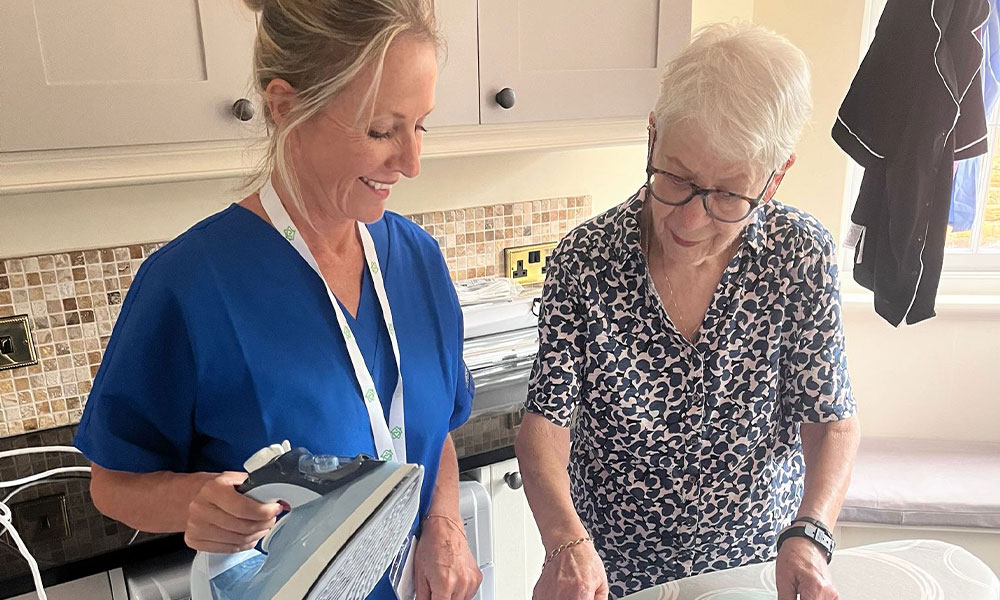
Personal care and daily routines
Patient, respectful assistance can help personal routines remain familiar when somebody different is providing support.
- Washing, showering, bathing and getting dressed
- Help with grooming, oral care and personal hygiene
- Toileting and continence routines following assessment
- Support at the person's usual morning and bedtime points
- Agreed skin care, privacy and personal preferences
Details are recorded before the break so the practitioner can offer help sensitively rather than expecting the person to explain everything again.
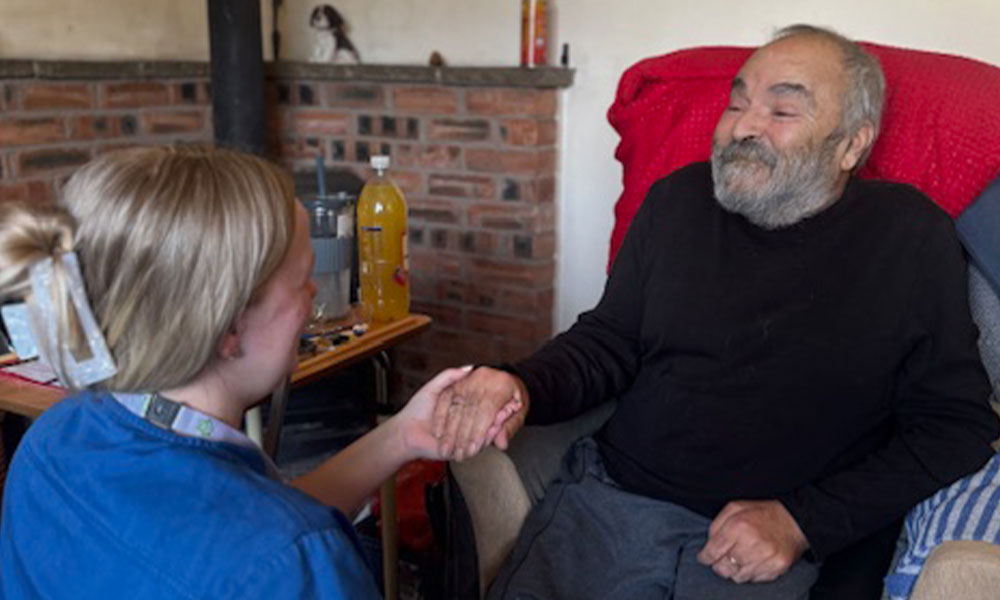
Medication and health routines
Where the assessment and care plan allow, trained and competency-assessed practitioners can provide prescribed medication support.
- Prompting, assisting with or administering medication as agreed
- Support with tablets, liquids, patches, creams, drops, sprays or inhalers
- When-required and controlled medicines under the correct protocol
- Accurate medication administration and digital care records
- Reporting missed doses, refusals, changes or concerns
The practitioner cannot prescribe, change a dose or make a clinical decision and follows the recorded escalation route when advice is needed.
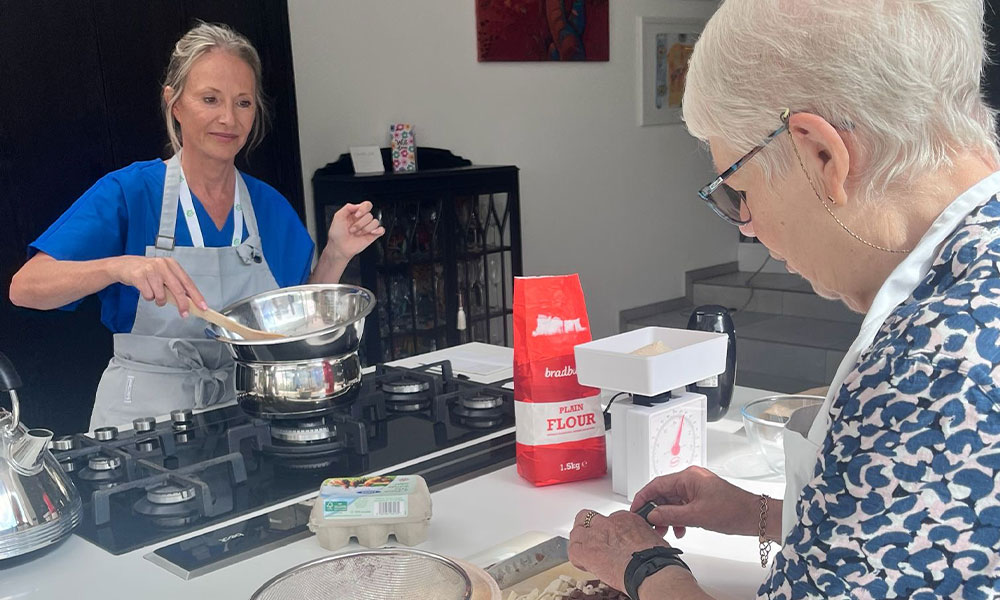
Meals, nutrition and hydration
Respite can preserve the person's usual food, drink and mealtime choices while following any assessed dietary requirements.
- Preparing preferred meals, light snacks and drinks
- Following texture, allergy and dietary guidance
- Offering regular encouragement with food and fluids
- Shopping or organising food for the respite period
- Noting and escalating concerns about reduced intake
The handover can include favourite foods, routines and professional recommendations so meals remain both safe and personal.
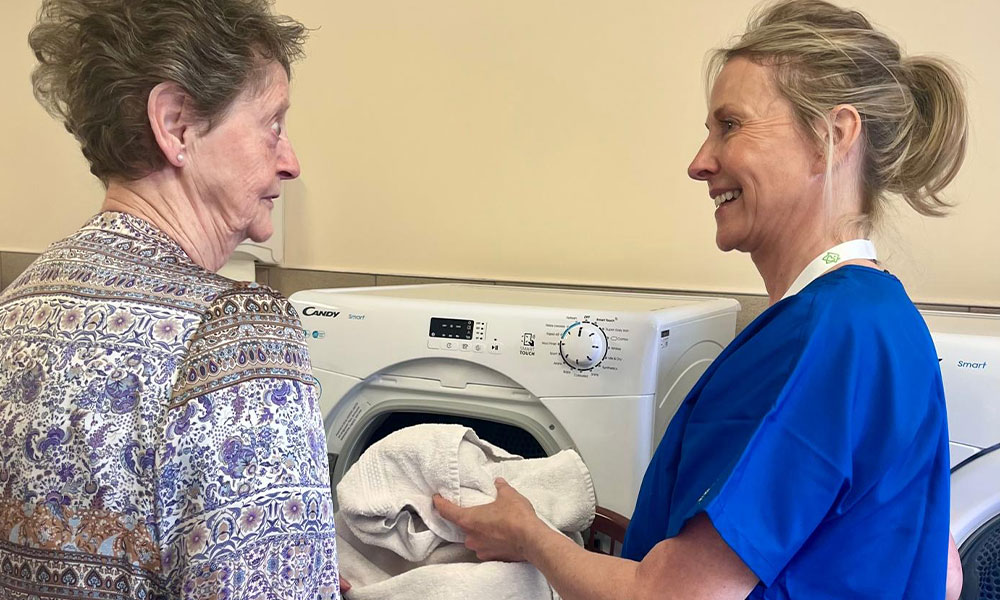
Practical help at home
Light household assistance can make the temporary arrangement easier without changing the home or taking away the person's independence.
- Everyday tidying, light cleaning and housekeeping
- Laundry, bed-making and fresh bed linen
- Collecting prescriptions, shopping or simple errands
- Keeping essential items in their familiar places
- Feeding pets or agreed basic animal care
Only agreed tasks are undertaken, with the person's home, possessions and preferred way of doing things treated respectfully.
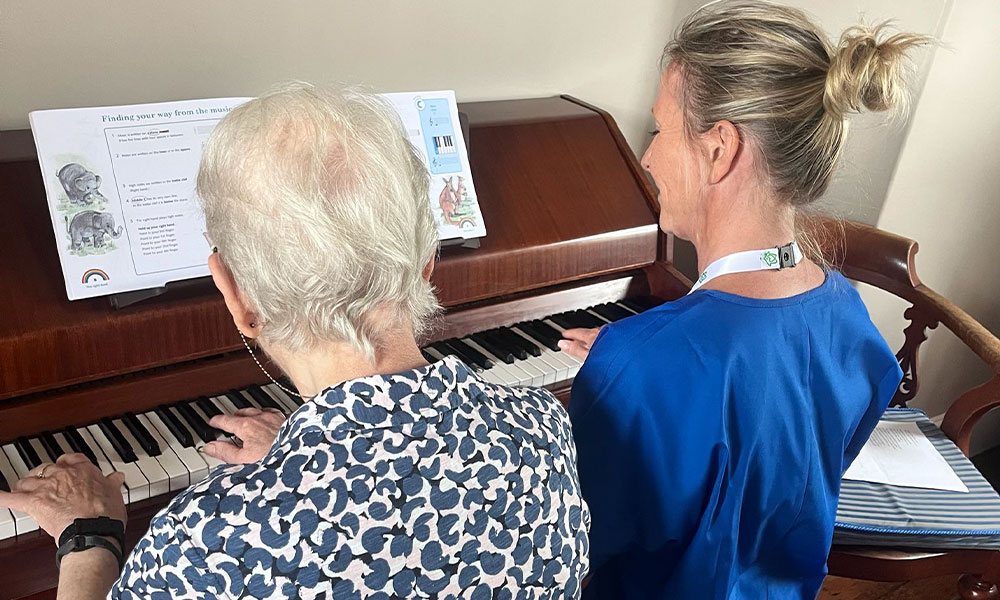
Companionship, interests and reassurance
The person's preferred company and interests remain important, whether they enjoy conversation, activity or a quieter presence.
- Friendly conversation and company during the day
- Support with music, crafts, games, television or hobbies
- Reassurance during moments of worry or uncertainty
- Familiar communication approaches for somebody with dementia
- Staying in touch with agreed relatives, friends or local activities
A practitioner can share an activity or simply be present, responding to the person's mood, energy and communication.
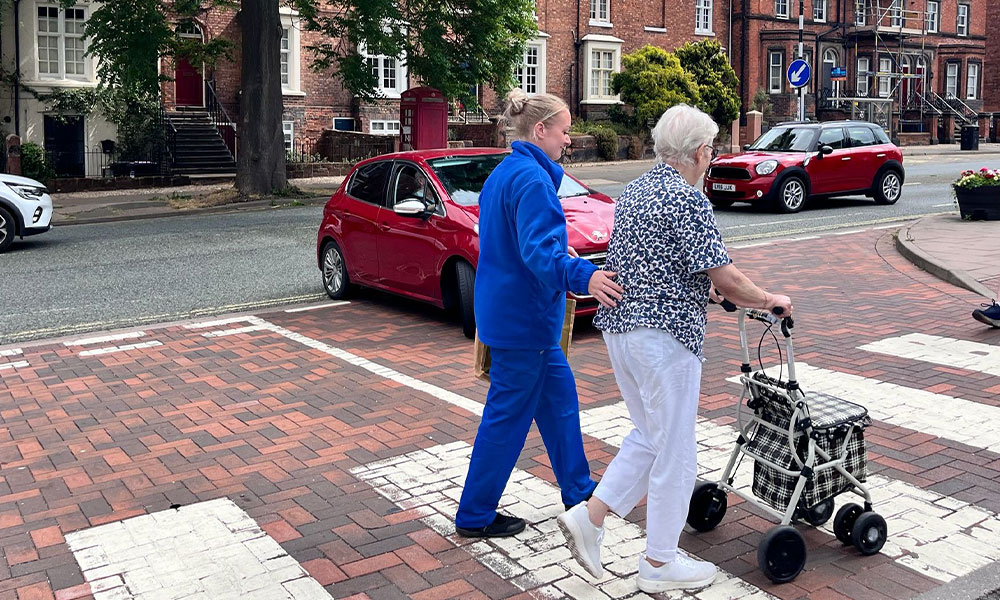
Mobility, appointments and community life
Assessed assistance can support safe movement at home and help the person continue necessary appointments or valued activities.
- Help with transfers and moving around the home
- Using assessed mobility or hoisting equipment within competency
- Going with the person to health or social appointments
- Assistance with shopping, outings and community access
- Supporting professionally recommended movement or exercise routines
Equipment and exercises must have appropriate guidance in place before a care practitioner can support them.
Ways Respite Care at Home can be arranged in Herefordshire
Different breaks call for different forms of temporary support
The format should reflect the requested dates, how long the usual carer will be away, the person's routine, their night-time needs and what can be staffed reliably in their community.

Visiting Respite Care
Planned calls can maintain key parts of the day while creating a shorter break for the family or regular carer.
- Visits from 30 minutes when the assessed needs are suitable
- One call or a planned sequence of visits
- A single occasion or a regular weekly pattern
- Support with care, medication, food or companionship
Rural travel and requested times are checked before a visiting arrangement is agreed.

Daytime or Regular Respite
A longer period of support can give the usual carer dependable time to rest, work or manage another commitment.
- Care for an agreed block during the day
- A one-off date or a repeating weekly or monthly plan
- Continuation of routines, interests and practical tasks
- Time for the carer to leave the home with confidence
The arrangement can be reviewed if the person's needs or the purpose of respite changes.

Overnight Respite Care
Overnight care is chosen according to the expected frequency of support and whether the practitioner can normally sleep.
- A sleeping night for occasional agreed assistance
- A waking night when somebody must remain awake and on duty
- Planned reassurance, toileting, medication or personal care
- Clear instructions for responding to night-time concerns
The right model gives the person suitable help while protecting safe working and appropriate rest.

Live-in Respite Care
A temporary live-in practitioner can support the person flexibly across the day while staying in their home.
- May cover holidays, family changes, illness or recovery
- No fixed minimum period when the arrangement is otherwise suitable
- Requires an appropriate private bedroom and household facilities
- Includes proper breaks and sufficient sleep overnight
Where frequent waking or continuous active care is needed, additional night or shift-based support may be required.
Planning respite in the parts of Herefordshire we support
Rural journeys, border communities and requested dates all affect the plan
CM Bespoke Care has practitioners supporting people around Leintwardine and nearby border communities. Care in this area can involve rural journeys and relatives or professionals based on different sides of the county boundary, making clear contacts and contingency arrangements especially useful.
Enquiries from Bromyard and surrounding villages are also welcomed. Before care is promised, the team needs to understand the requested dates, general location, routines, travel, care format and competencies required, then confirm whether suitable practitioners are available.
A one-off appointment, a regular daytime break and temporary live-in respite each create different practical demands. Asking ahead where possible gives more time for assessment, introductions and a handover that reflects the person's life rather than only listing tasks.

Planning respite alongside Herefordshire care and support services
Professional respite can complement council and NHS support
The person or their carer may already be talking with Herefordshire Council, a hospital team, GP, district nurse or another local service. Relevant contacts can be reflected in CM Bespoke Care's plan with consent, while every organisation remains responsible for its own assessment and work.
Carer's assessments and possible funding routes
Herefordshire Council offers a free carer's assessment focused on the unpaid carer's physical, emotional and practical needs. It is not a test of how well somebody is caring, and it is separate from both the person's assessment and CM Bespoke Care's free home assessment.
After an eligible council assessment and agreed support plan, a personal budget or direct payment may sometimes help arrange identified support or a short break. Herefordshire Council decides eligibility, the amount and permitted use, so funding for a particular CM Bespoke Care package cannot be guaranteed.
Hospital discharge and returning home
Hereford County Hospital and the community hospitals in Bromyard, Leominster and Ross-on-Wye may form part of a person's recovery journey. Respite can be assessed when it replaces help normally provided by a family carer, but hospital teams retain responsibility for discharge, medication, equipment and clinical follow-up.
Adult Social Care and district nursing
Herefordshire Council's Advice and Referral Team is the first contact for new Adult Social Care enquiries and statutory assessment routes. Wye Valley NHS Trust district nurses provide referral-based clinical nursing in people's homes. Either service may be involved alongside a respite package.
CM Bespoke Care delivers the assessed personal, practical and medication support in its care plan. It does not determine council eligibility or replace district nursing and other registered clinical care.
Herefordshire carer's assessment
Other care options at home in Herefordshire
Temporary respite is one of several ways to receive support
The free assessment may show that regular visits, a managed live-in package or personal and practical palliative support would better match the person's circumstances. Each option can be discussed without committing to care.
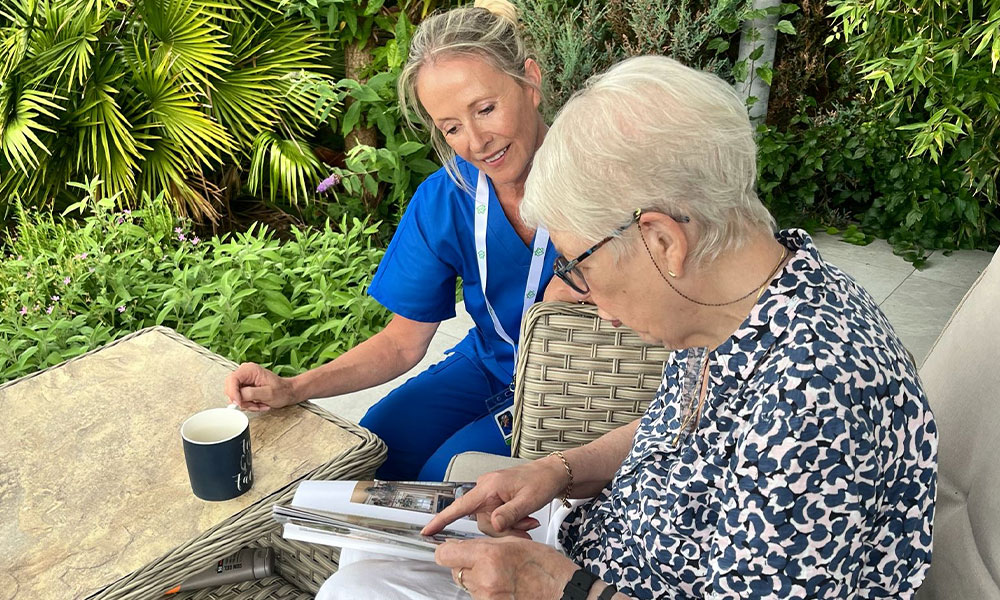
Home Care in Herefordshire
Scheduled care visits supporting personal routines, prescribed medication, meals, companionship and practical daily needs.
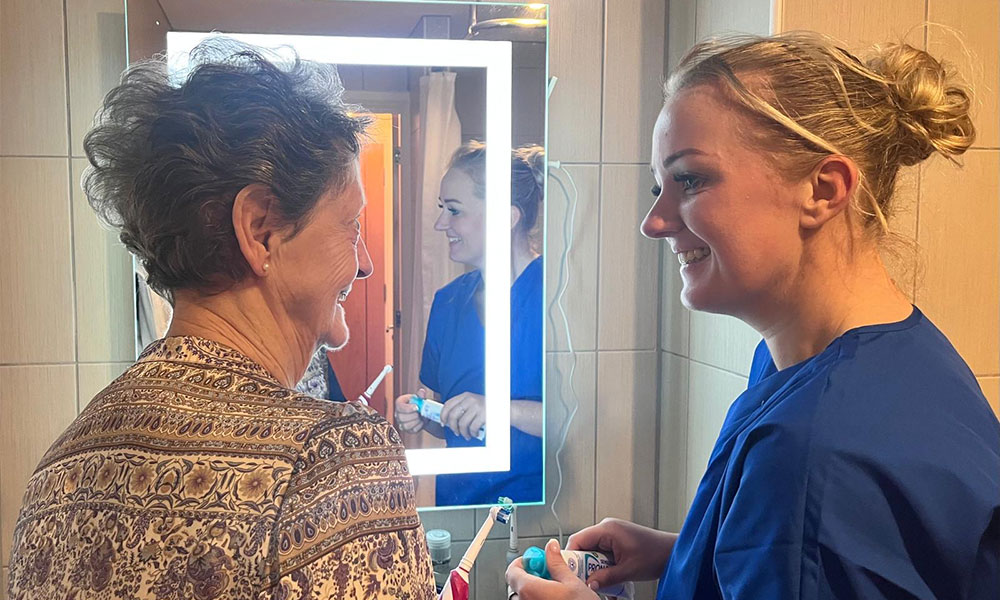
Live-in Care in Herefordshire
A managed one-to-one arrangement with a matched practitioner living in the home and receiving suitable breaks and rest.
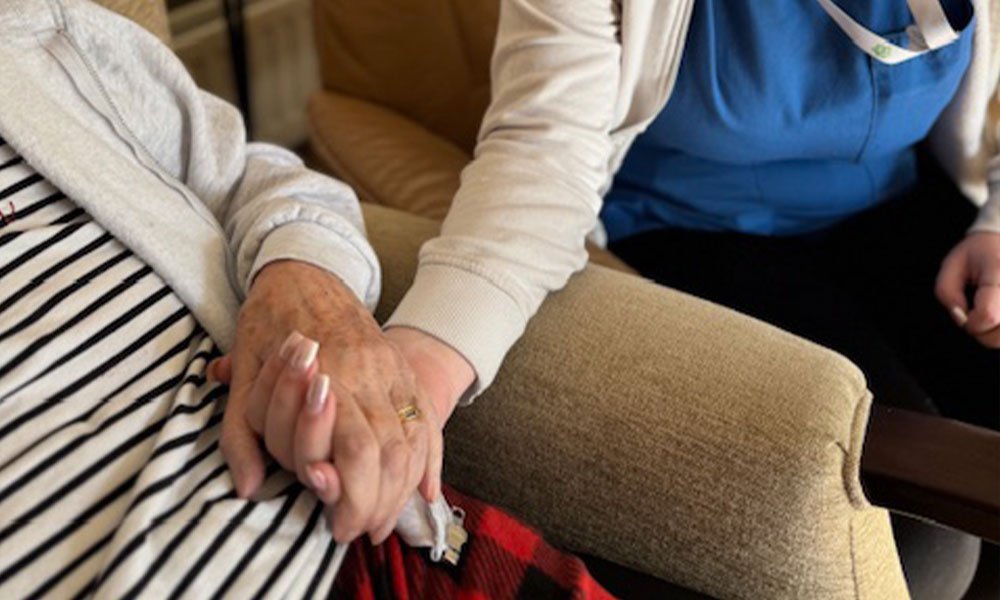
Palliative Care at Home in Herefordshire
Personal and practical care for somebody receiving palliative or end-of-life support from the healthcare professionals involved.

Why choose CM Bespoke Care for respite in Herefordshire
A family-owned agency offering warmth, preparation and honest answers
Arranging a temporary handover can feel significant even when the break is welcome and carefully planned. CM Bespoke Care takes time to understand the person's routines and concerns as well as what their usual carer needs from the arrangement.
Practitioners already support people around Leintwardine and nearby border communities. For every Herefordshire enquiry, the wider team aims to be clear about availability, matching and preparation before a family relies on care being in place.

Our care team and standards
Prepared practitioners and accountable management
Care competencies are considered first, with ongoing training and oversight supporting practitioners throughout their work.
- Approximately 100 practitioners working across Shropshire, Worcestershire and surrounding areas
- Existing practitioner experience around Leintwardine and nearby communities
- A 2.5-day induction combining classroom and practical learning
- Shadow shifts before practitioners begin working independently
- Continuing competency checks, observations, supervision and spot checks
- Rated Good by the Care Quality Commission for the registered domiciliary care service
- Registered Nurse oversight where more complex needs require guidance
- Seven-day on-call management support for active care arrangements
CM Bespoke Care remains accountable for its domiciliary service while clinical treatment and emergency response stay with the appropriate professionals.
About Us Meet the Team
Independent reviews of CM Bespoke Care
How clients and families describe their experience
Families arranging respite want to know that communication will remain clear and that the person at home will be treated as an individual. These independent reviews share experiences of the care, reliability and relationships provided by the CM Bespoke Care team.
Preparing for Respite Care at Home
A clear handover helps temporary care feel less unfamiliar
Much of what a family carer knows has been learned through ordinary life rather than written instructions. Assessment captures the essential details, the person's own wishes and the agreed boundaries so the respite practitioner begins with a thoughtful understanding.
What the care handover can record
- How personal care is normally offered and preferred
- Medication, prescriptions, pharmacy details and recording
- Meals, drinks, food allergies and dietary guidance
- Mobility, equipment, falls history and relevant risks
- Communication needs, memory support and calming approaches
- Interests, appointments, household expectations and pets
- Family members and professionals involved in support
- What should happen if a concern or change arises
- Consent for updates and the person's communication preferences
The handover cannot make temporary care identical to the usual arrangement, but it gives the practitioner a respectful and practical starting point.
Matching and communication during the break
Alongside care skills, matching may consider personality, communication, interests, cultural preferences, routines, pets and the travel practicalities for the requested location and dates.
- Relevant care information shared before the first visit or shift
- An introduction where circumstances and timing allow
- Familiar practitioners where possible for recurring support
- Digital care notes and agreed family communication
- A dedicated manager providing oversight and a clear contact
A short-notice request may require another suitable practitioner, but the need for assessment, a documented plan and a proper handover does not change.
How Respite Care at Home is arranged in Herefordshire
A prepared transition from enquiry to temporary support
The process allows practical arrangements and the person's preferences to be understood before their usual carer steps away.

Tell us about the planned break
Begin with the person, their general location, the dates, the support they usually receive and what their family or regular carer needs time for.

Arrange the free assessment
A senior team member normally meets the person at home. The assessment usually takes 60 to 90 minutes and covers routines, care, medication, risks and household circumstances.
Prepare the plan and practitioner
Agreed tasks, communication, competencies, family updates and escalation are documented. The team considers an appropriate match and gives the practitioner a full handover.

Begin respite with management support
The care manager oversees the active arrangement and remains available to those involved. Feedback can inform any future break or a conversation about changing support.
Respite Care at Home or residential respite
The same purpose can be met in two very different settings
Neither setting is right for everybody, and cost cannot be compared without looking at the actual arrangements. CM Bespoke Care can assess whether its at-home respite may be suitable while the wider choice remains with the person and those supporting them.
Both approaches may give the usual carer time away. The person should be involved in considering their preferred environment, care needs, social wishes and the practical availability of each option.
Respite Care at Home may mean:
The person remains in familiar surroundings while temporary professional care comes to them.
- Keeping established rooms, belongings and household routines
- Considering visits, daytime care, overnight support or temporary live-in care
- Receiving individual support through an agreed plan
- Remaining with pets and close to familiar local connections
- Avoiding the disruption of a temporary move
Suitability depends on the home, the support required and practitioners being available for the dates.
Residential respite may mean:
The person temporarily moves into a care home and uses the staff, facilities and routines available there.
- Staying in a supported communal environment
- Taking part in shared activities if the person wishes
- Receiving the services offered by the selected care home
- Accessing registered nursing where a nursing home provides it
- Using an alternative where at-home care is not suitable
Families need to check the provider's room availability, care capability, location, terms and charges.
Respite Care at Home across selected Herefordshire communities
Clear availability checks for rural and border-area requests
CM Bespoke Care already supports people around Leintwardine and nearby border communities. Enquiries are also welcomed from Bromyard and its surrounding villages.
The team considers every request individually, including the person's general location, dates, visit pattern or overnight needs, rural travel, home arrangements and the competencies required.
Existing support in one area does not guarantee that every date or care format can be staffed. CM Bespoke Care will explain clearly whether there is time to assess, match and prepare a reliable arrangement.
Respite care across Herefordshire
CM Bespoke Care provides compassionate, personalised respite care throughout Bromyard and Leintwardine, as well as surrounding towns, villages and rural communities across Herefordshire.
Every respite care arrangement begins with a conversation about the person, their usual routines and the support required. Whether care is planned or needed at shorter notice, the team will explore how dependable support can be provided while giving family carers valuable time to rest.
If you are unsure whether your location is covered, please get in touch. The team will be happy to discuss your circumstances, answer your questions and explain the next steps.
Our offices supporting Herefordshire enquiries
Care planning and management from the CM Bespoke Care team
The offices in Cleobury Mortimer and Church Stretton support enquiries, practitioner coordination and managed care arrangements for the parts of Herefordshire the service can cover.
Ground Floor Office Suite, Upper Baveney Park, Cleobury Mortimer, Kidderminster, Shropshire, DY14 8LF
Unit 1, Sandford Court, Sandford Avenue, Church Stretton, Shropshire, SY6 6BH
Frequently asked questions about Respite Care at Home in Herefordshire
Talk to our team about Respite Care at Home in Herefordshire
Tell us about the person, their general location, the dates being considered, the routines that need to continue and what their usual carer needs time to do.
It is fine to make contact before you know which care format would be suitable.
The team will listen, be clear about local availability and arrange a free home assessment where that is the right next step.