





How Palliative Care at Home can help in Herefordshire
Familiar home life supported with care and sensitivity
When somebody is living with a life-limiting illness, even ordinary routines can begin to require more energy or assistance. Care at home can help preserve comfort, privacy and connection while GPs, district nurses, hospital clinicians or hospice professionals remain responsible for clinical assessment and treatment.
CM Bespoke Care provides assessed domiciliary support with personal care, prescribed medication within scope, meals, drinks, mobility, companionship and practical household tasks. The arrangement may involve visits, overnight care, a live-in practitioner or genuine shift-based support according to the person’s needs.
Our team welcomes Herefordshire enquiries from Leintwardine, Bromyard and relevant surrounding villages and border communities. We take time to understand the person, their home life, the professionals involved and the kind of dependable support that would make a difference.
A free home assessment allows wishes, routines, risks and day or night needs to be discussed without expecting the family to have every detail resolved. We then explain how our care could sit alongside the wider plan.
Arrange a free assessmentPalliative Care at Home in Herefordshire at a glance
- Care centred on dignity, comfort and personal choice
- Support during palliative and end-of-life stages
- Visiting, overnight, live-in and shift-based options where suitable
- Help with personal care, prescribed medication, meals and mobility
- Companionship and practical support for everyday home life
- Communication with existing healthcare professionals where consent is in place
- A free, no-obligation assessment and named care manager
- Rated Good by the Care Quality Commission for our registered domiciliary care service
Palliative care and end-of-life care
Understanding when each term may be used
Palliative care is not reserved for the final days of life. It can begin much earlier, while end-of-life care describes a later phase. The person’s clinicians remain responsible for guidance about their condition, treatment and prognosis.
Palliative care
Palliative care aims to support comfort, quality of life and wider wellbeing while somebody lives with a life-limiting illness.
- Can begin while treatment for the condition is continuing
- May remain relevant over months or years
- Considers physical, emotional, social and spiritual needs
- Can include support for relatives and unpaid carers
- May be provided across home, hospice, hospital or care settings
Our care focuses on agreed personal and practical needs within that wider plan rather than replacing clinical treatment.
End-of-life care
End-of-life care supports somebody approaching death, although how long this stage lasts varies and may be difficult to predict.
- Gives particular attention to comfort, dignity and known wishes
- May require care to change as needs develop
- Relies on clear clinical contacts and escalation guidance
- Can take place at home or within another suitable setting
- Is clinically identified and guided by the appropriate professionals
We can adapt our domiciliary package when needs change, provided the revised care can be assessed and delivered safely.
Who Palliative Care at Home in Herefordshire can support
Looking beyond diagnosis to the life somebody wants to preserve
People of different ages and with many different conditions may receive palliative support. Our assessment looks at what the person can do, what they find difficult, the routines they value and the clinical input already surrounding them.
People and circumstances
Support may be considered for:
- Somebody living with cancer or another progressive, life-limiting illness
- People living with dementia, Parkinson’s, Motor Neurone Disease or Multiple Sclerosis
- Those affected by advanced heart or lung disease, frailty or stroke
- Adults with disabilities, reduced mobility or complex personal-care needs
- A person hoping to remain within familiar home surroundings
- Somebody preparing to leave Hereford County Hospital, a community hospital or hospice
- Families coordinating care from another county or from a distance
- Partners, relatives or friends who need professional help around their caring role
We listen to the person’s own definition of comfort and quality of life and include those close to them only in the way they want.
Changes that may prompt a conversation
Additional care may be worth discussing when:
- Personal care or continence routines are becoming difficult
- Meals, drinks, medication routines or movement need more assistance
- Reassurance or practical help is needed repeatedly through the day or night
- A return home is being planned and everyday support is not yet arranged
- A family carer is tired or cannot continue the same level of help
- The person wants their wishes for home life reflected in a clearer plan
- Observations need to be recorded and shared through agreed routes
- The number of involved services is making responsibilities harder to follow
These changes do not define the person’s stage of illness. They simply suggest that a careful discussion about current support may be useful.
What Palliative Care at Home in Herefordshire can include
Personal care and practical help shaped around the individual
No two packages need to look the same. The agreed tasks, preferences and responsibilities are recorded in the care plan and reviewed when the person’s health, wishes or professional guidance change.
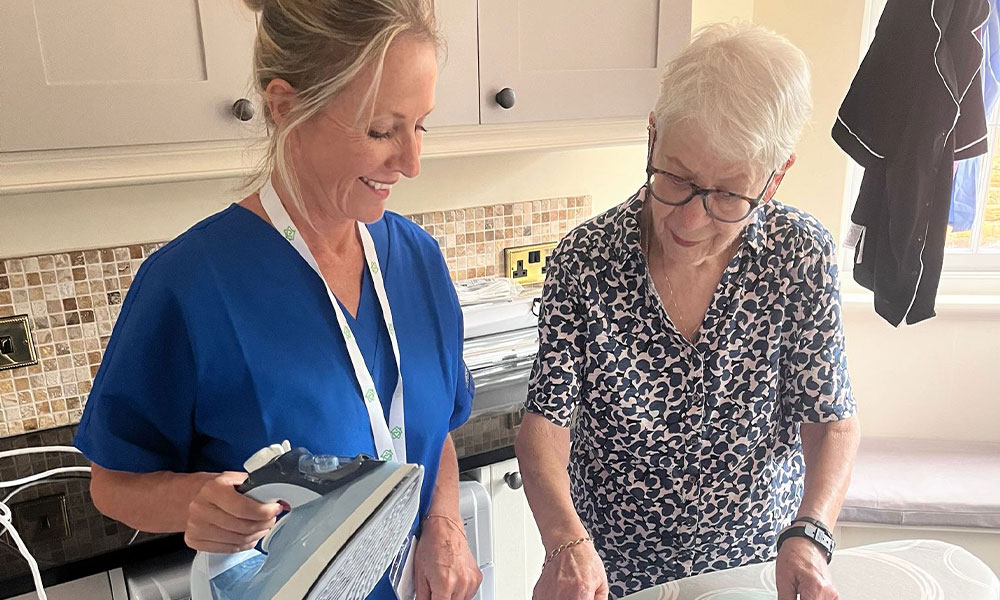
Personal care, comfort and dignity
Sensitive assistance can help personal routines remain comfortable, private and familiar.
- Washing, bathing, dressing and grooming
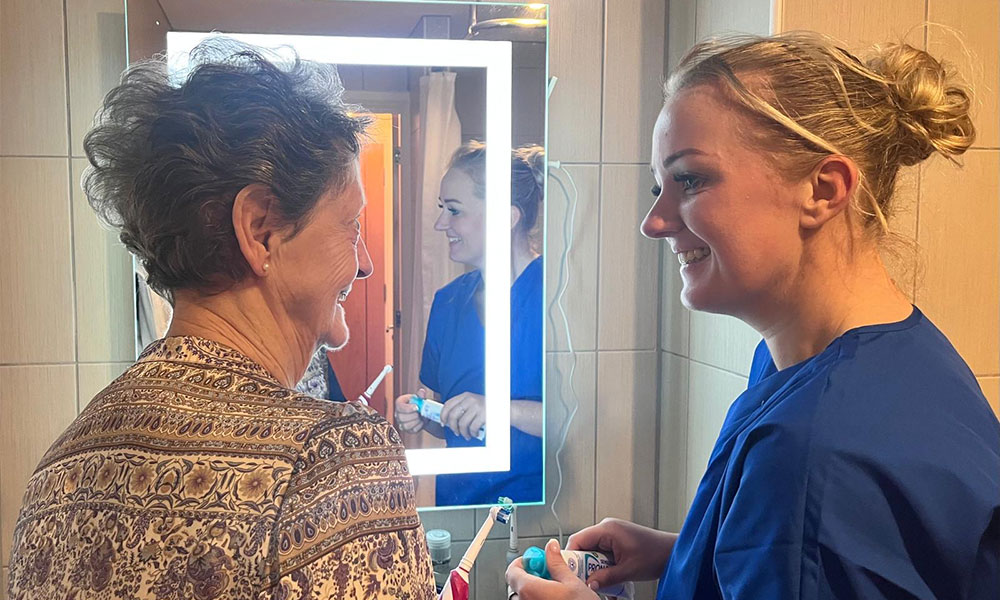
- Oral care and personal hygiene
- Toileting and assessed continence routines
- Skin-care support included in the plan
- Morning, evening and bedtime routines
- Help with comfortable clothing and presentation
Our practitioners explain care, respect choices and allow time for the person to do what they can themselves.
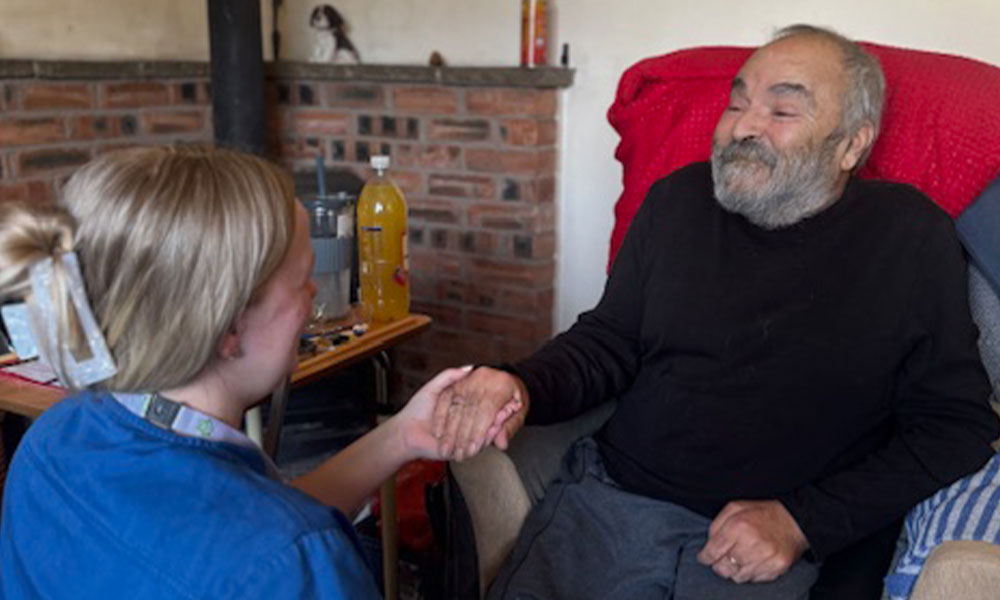
Medication support within the care plan
Practitioners with the required competency may provide assessed help with prescribed medication.
- Prompts, assistance or administration as agreed
- Prescribed tablets, liquids, creams, patches, drops, sprays or inhalers
- PRN and controlled medication where written safeguards are in place
- Accurate medication administration and digital records
- Escalation of refusals, omissions, delays or concerns
Healthcare professionals continue to prescribe, change doses and make clinical decisions about symptoms or treatment.
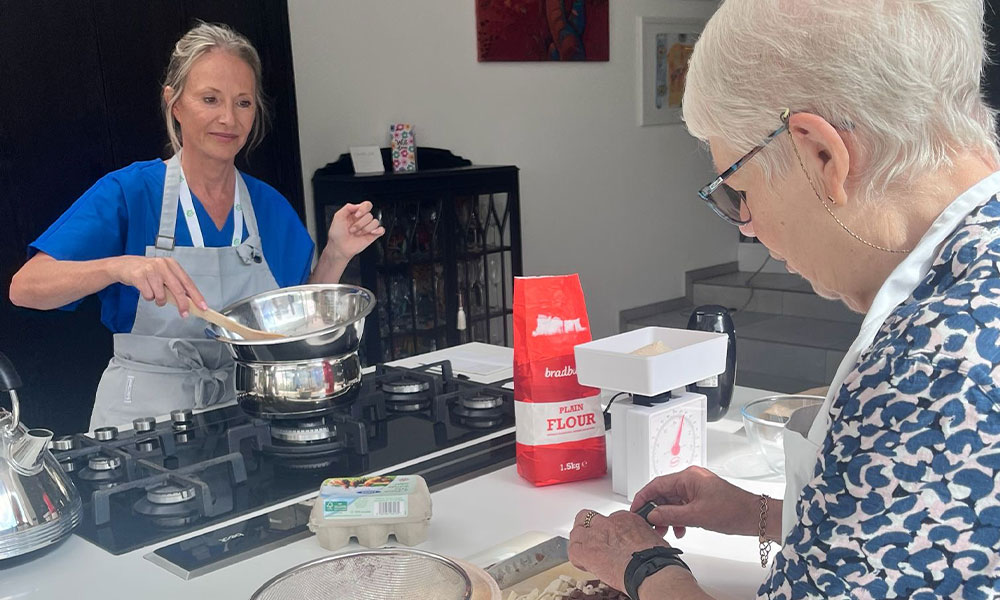
Meals, drinks and everyday comfort
Care can support preferred foods and drinks while following recorded professional guidance.
- Preparing familiar meals, snacks and drinks
- Following dietary, texture, swallowing or allergy guidance
- Offering encouragement without placing pressure on the person
- Recording concerns about eating or drinking
- Shopping for food and household essentials
Our approach keeps personal choice at the centre and shares concerns through the agreed route.
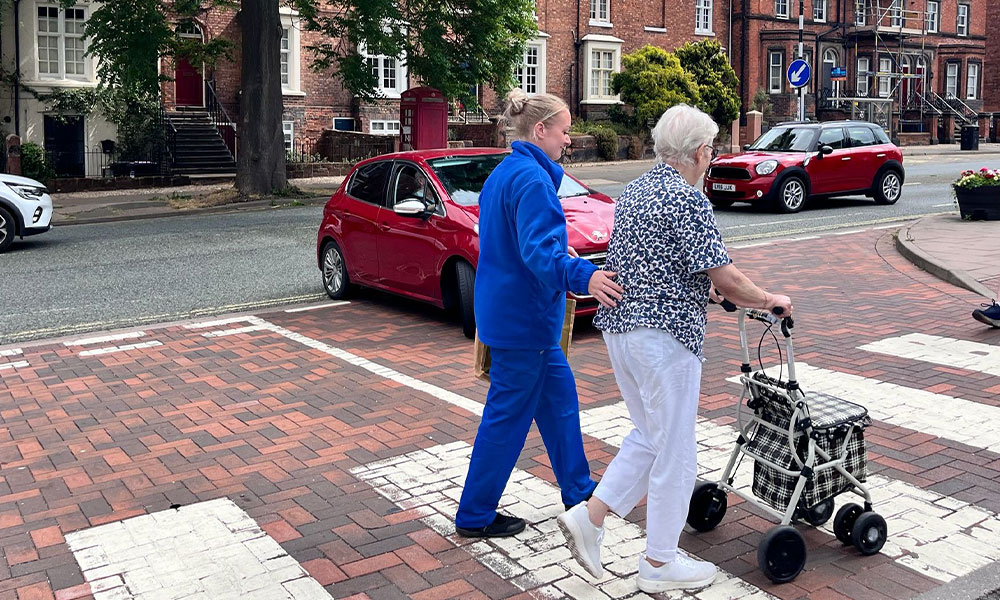
Mobility, positioning and personal routines
Care may include assessed help with movement, equipment and everyday activities around the home.
- Transfers and mobility support
- Hoisting or use of assessed moving equipment
- Repositioning within the plan and practitioner competency
- Help moving between rooms or attending appointments
- Following routines advised by healthcare professionals
The appropriate professional must first assess or recommend equipment, positioning plans and exercises.
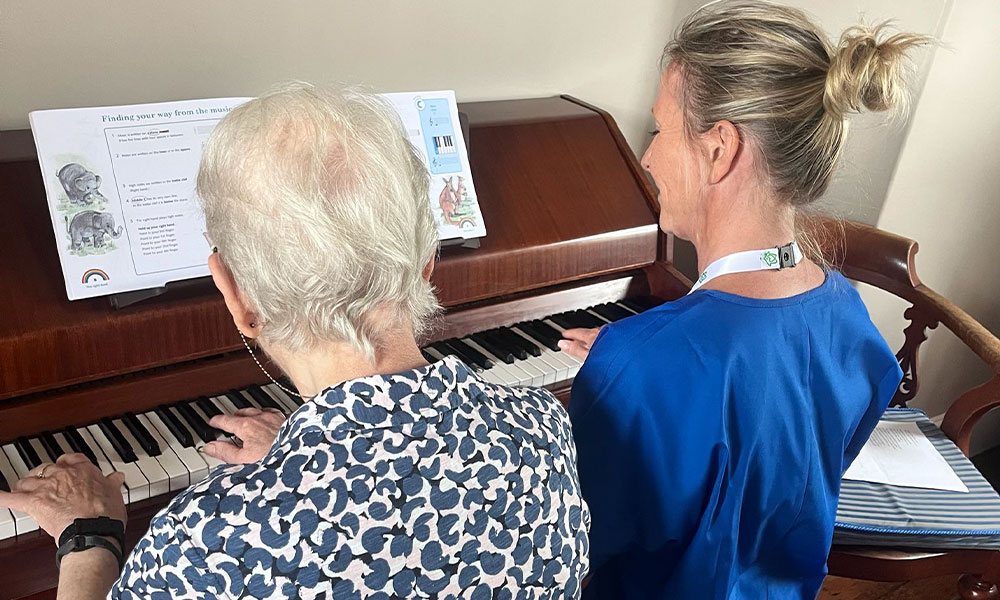
Companionship and emotional reassurance
A steady, reassuring presence may matter as much as conversation or practical activity.
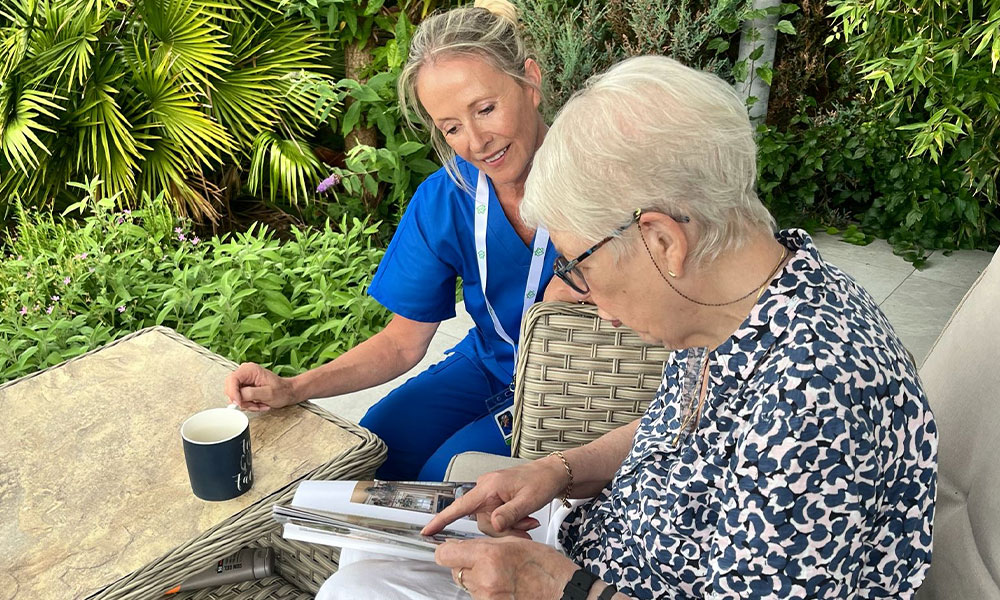
- Listening, conversation and quiet companionship
- Music, television, reading or familiar interests
- Reassurance during periods of anxiety or confusion
- Respect for cultural, religious, spiritual and personal preferences
- Privacy for time with relatives and friends
Our practitioners take their cue from the person and do not force interaction when quiet company feels more appropriate.
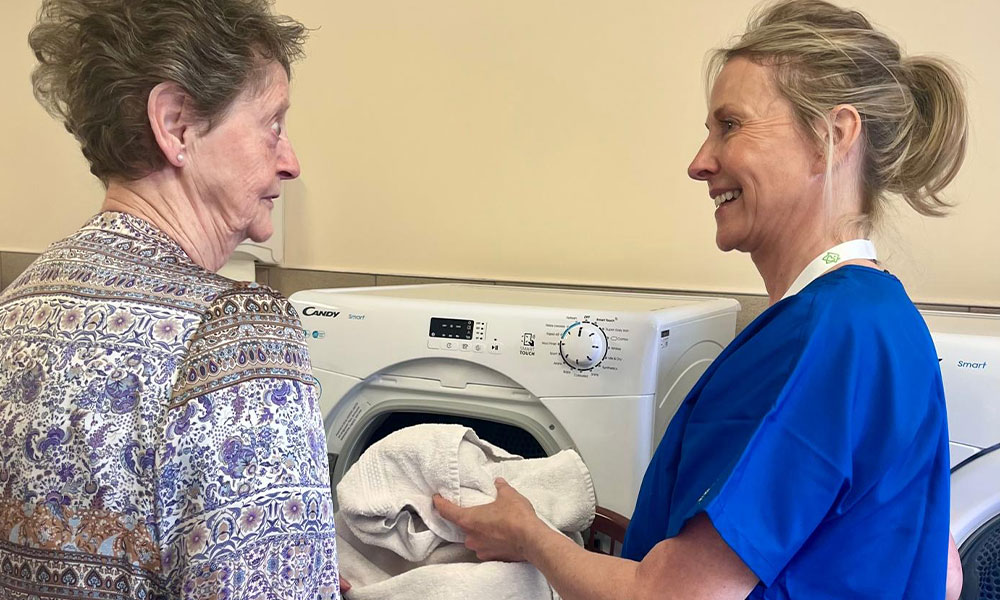
Practical support for family, home and communication
Household help and reliable records can ease pressure and keep our care well coordinated.
- Light housekeeping, laundry and changing bed linen
- Shopping, prescription collection and agreed errands
- Basic pet care where included in the assessment
- Daily notes and observations in the secure system
- Consented family updates and agreed communication
Our care manager oversees changes to our package while clinical treatment remains with registered professionals.
How social care and clinical care work together in Herefordshire
Different responsibilities focused on the same person
Palliative support may involve relatives, our care practitioners, GPs, district nurses, hospital clinicians and hospice professionals. Recording each role helps the person receive joined-up support without blurring who makes clinical decisions.
CM Bespoke Care may provide
Our domiciliary care covers assessed personal and practical support included in the care plan.
- Personal care, continence routines and everyday comfort
- Medication support within our approved scope and competency
- Meals, drinks, mobility and household tasks
- Companionship and calm reassurance
- Observation, recording and escalation of changes
- Secure records and consented communication with family
- A named care manager overseeing our package
- Visiting, overnight, live-in or shift-based care where suitable
Our practitioners follow agreed instructions and report concerns rather than diagnosing deterioration or changing treatment.
Healthcare professionals remain responsible for
Qualified clinicians assess the illness and provide medical or specialist nursing care.
- Diagnosis, prognosis and clinical assessment
- Prescribing or changing medication and doses
- Management of pain, breathlessness and other symptoms
- Syringe-driver setup, monitoring and medication
- Intravenous treatment, injections and complex wound care
- Registered nursing and medical procedures
- Clinical decisions about deterioration or emergency treatment
- NHS Continuing Healthcare and Fast Track decisions
The person’s GP, district-nursing service, hospice or hospital team should provide the relevant clinical plan and contact routes.
How Palliative Care at Home works across Herefordshire
Care coordination for rural homes and border communities
Our team welcomes enquiries around Leintwardine, Bromyard and relevant nearby communities. Herefordshire’s rural geography and the border-area position of some homes mean care may need to connect with professionals, hospitals or pharmacies across more than one locality.
We plan visiting care around realistic journeys, timing and continuity, particularly where personal care, meals or medication support are needed at particular points of the day. Overnight, live-in and shift-based care involve different staffing, home and handover considerations.
Families who live elsewhere can remain appropriately involved with the person’s consent. A named care manager, secure notes and agreed updates can help relatives understand our care while local clinicians retain their own responsibilities.
Our team can also discuss discharge-related or short-notice needs promptly. We will gather the essential information, coordinate our assessment and give a clear answer about what support can be prepared safely.
Discuss your circumstances
Planning care alongside Herefordshire health and support services
Practical care at home can sit alongside local clinical support
Somebody arranging care may already be in contact with Hereford County Hospital, a community hospital, their GP, district nurses, St Michael’s Hospice or Herefordshire Council. With the person’s consent, we can record relevant contacts and follow our responsibilities within the wider plan.
Returning home after hospital or hospice care
Wye Valley NHS Trust coordinates discharge from Hereford County Hospital. Community hospitals in Bromyard, Leominster and Ross-on-Wye may also support ongoing medical care or rehabilitation before somebody returns home.
Our team can assess help with personal care, medication within scope, meals, mobility and household routines for the proposed return. Hospital teams remain responsible for discharge decisions, while the relevant services arrange clinical care, equipment and prescriptions.
District nursing at home
Wye Valley NHS Trust district nurses provide referral-based clinical nursing across Herefordshire, including support that may prevent admission or help an earlier discharge. Their nursing role remains separate from our personal and practical domiciliary care.
St Michael’s Hospice and council services
St Michael’s Hospice provides specialist palliative services including inpatient, day, family and Herefordshire Hospice at Home support. If the hospice is already involved, we can record agreed contacts and escalation routes without suggesting a formal partnership or describing our service as Hospice at Home.
Herefordshire Council can advise on statutory social-care assessments and possible financial-support routes. Its assessment is separate from our free provider assessment. NHS Continuing Healthcare and Fast Track decisions remain with the appropriate clinicians and NHS bodies.
Clear communication helps our practitioners understand who to contact, what to record and how family members should receive agreed updates.
Wye Valley NHS Trust discharge information
District nursing in Herefordshire
Other ways we can support you at home
Care can be arranged differently as needs and family life change
Palliative Care at Home may draw on the same practical formats as other care services. Our assessment can explore whether planned visits, a temporary arrangement or live-in support would best contribute to the person’s wider plan.
Live-in Care in Herefordshire
A carefully matched practitioner lives in the home and provides one-to-one support, with suitable accommodation, planned breaks and overnight rest.
Respite Care at Home in Herefordshire
Temporary visiting, overnight or live-in care that allows a family or regular carer to rest or attend to other parts of life.
Home Care in Herefordshire
Agreed visits supporting personal care, medication, meals, mobility, companionship and practical routines in the person’s own home.

Why choose CM Bespoke Care in Herefordshire
Family-owned care with people and relationships at its heart
CM Bespoke Care is family-owned and managed. We have grown through recommendations and positive word of mouth while continuing to value honest conversations, dependable care and the personal details that help somebody feel known rather than processed.
Our management team remains involved in assessment, care planning, practitioner support, reviews and communication. When several health and care services are contributing, we explain our responsibilities clearly and make sure our practitioners understand the agreed plan.
Our experience of rural and border-area care helps us think carefully about travel, communication, clinical contacts and continuity. The aim is a support arrangement that feels calm and personal for the individual, not simply convenient on paper.
Our care team and standards
Practitioners prepared for the person and the care plan
Before working independently, our practitioners complete a 2½-day induction with classroom and practical learning followed by shadow shifts. Their ongoing support includes refresher learning, observation, spot checks, supervision and competency assessment for specific tasks.
Our care is supported by:
- Approximately 100 care practitioners across Shropshire, Worcestershire and surrounding areas
- Experience coordinating care around rural and border communities
- Matching that considers skills, routines, communication, personality, pets and location
- Medication training and competency assessment for agreed support
- Registered Nurse oversight and guidance where needs are more complex
- Secure care plans, medication records, daily notes and observations
- A named care manager and seven-day on-call support for active packages
- Care-plan reviews at least monthly and whenever circumstances change
- Family updates and portal access where appropriate and consented
- Rated Good by the Care Quality Commission for our registered domiciliary care service
Our practitioners provide domiciliary care rather than registered nursing, and Registered Nurse oversight does not extend their role to every clinical procedure.
About Us Meet the Team
Reviews and lived experience
Experiences shared by clients and families
People often want to understand whether care feels respectful, reliable and genuinely personal in practice. These independent reviews share wider experiences of our care and the way our team communicates.
How Palliative Care at Home is arranged in Herefordshire
A careful beginning with support that can evolve
Our process gives the person space to be heard while gathering the practical and professional information needed for a safe, clear plan.

Talk to us privately
Share what is happening, what matters to the person, their general location, current care and whether a discharge or important timescale is involved.

Free home assessment
A trained senior team member normally meets the person at home. The assessment usually takes 60 to 90 minutes and covers routines, medication, mobility, risks and professional support.

Coordinated care and escalation plan
We record agreed tasks, clinical contacts, medication responsibilities, equipment, communication, known wishes and the response practitioners should follow when needs change.

Care begins and adapts
Our practitioners receive a full handover and our care manager oversees the package. Reviews take place at least monthly and whenever health, wishes or guidance change.
Choosing where palliative or end-of-life care is provided
Care can be compassionate in more than one setting
Home may be important to the person, but the right setting also depends on clinical needs, equipment, available services, family circumstances and personal preference. The most appropriate option may change over time.
Care at home
Remaining at home may suit somebody who values familiar surroundings and can have suitable care arranged there.
- Personal routines, belongings and pets can remain close
- Care follows an individual plan within the household
- Relatives and friends may remain naturally involved
- The home, equipment, clinical input and staffing must be appropriate
Our team can assess our contribution to a home plan, but no provider can guarantee that home will remain suitable.
Hospice care
Hospice services may support somebody needing specialist palliative expertise or a different care environment.
- Support may be inpatient, day-based or provided in the community
- Specialist teams can address symptoms and wider wellbeing
- Services may extend to relatives and those close to the person
- Access depends on local provision and referral arrangements
Our domiciliary care may remain separate but complementary where a hospice team is already involved.
Care home or nursing home
A residential setting may offer an appropriate combination of accommodation, facilities and ongoing care.
- Staff are available within a supported environment
- Communal life may appeal to some people
- Nursing homes can provide registered nursing within their service
- Each home has its own capabilities and admission criteria
The person and family should compare availability, support, fees and how changing needs would be managed.
Hospital care
Hospital may be necessary for acute treatment, investigation, close monitoring or complex clinical support.
- Medical and nursing teams are available on site
- Palliative specialists may advise alongside ward clinicians
- Symptoms and treatment can be reviewed clinically
- Another setting may be considered when discharge is appropriate
Hospital care can be the most suitable and compassionate option when it responds to the person’s current needs.
Palliative Care at Home across our Herefordshire service area
Local enquiries considered around the person and their home
Our team welcomes conversations from the Herefordshire communities we serve. We discuss general location, timing, care needs, professional involvement and the type of support required before planning the next step.
Home care across Herefordshire
CM Bespoke Care provides compassionate, personalised home care throughout Bromyard and Leintwardine, as well as surrounding communities across Herefordshire.
Every care arrangement begins with a conversation about the person, their circumstances and the support that would help them feel safe, comfortable and independent at home.
If you are unsure whether your location is covered, please get in touch. The team will be happy to discuss your needs, answer your questions and explain the next steps.
Our offices supporting Herefordshire care
Local bases for thoughtful, responsive care coordination
From our offices in Cleobury Mortimer and Church Stretton, we coordinate support across the Herefordshire communities we serve. These local bases help our team plan care thoughtfully, support practitioners, maintain clear communication and respond as clients’ needs or circumstances change.
Ground Floor Office Suite, Upper Baveney Park, Cleobury Mortimer, Kidderminster, Shropshire, DY14 8LF
Unit 1, Sandford Court, Sandford Avenue, Church Stretton, Shropshire, SY6 6BH
Frequently asked questions about Palliative Care at Home in Herefordshire
Talk to our team about Palliative Care at Home in Herefordshire
You can contact us before you understand every service option, professional role or funding route. Tell our team a little about what is happening and how we can reach you, and we can discuss the details privately.
We will listen to what matters, explain our role and arrange a free home assessment where that would be helpful.