





Living at home with more consistent support
Managed Live-in Care for households across Worcestershire
Some families reach a point where support is needed too often, or at times that are too unpredictable, for short scheduled visits to feel settled. Live-in Care places a trained practitioner in the person’s home, providing one-to-one help around an agreed plan while keeping everyday life in familiar surroundings.
The service remains a form of domiciliary care, but the practitioner is based in the household rather than travelling between a series of care calls. Privacy, suitable living space, rest, overnight needs, personal compatibility and planned changeovers all form part of the arrangement.
CM Bespoke Care welcomes enquiries across its North Worcestershire service area, from the more connected Kidderminster and Wyre Forest communities to rural homes around Tenbury Wells. The person or couple, their property, required skills, preferred timing and the availability of a suitable practitioner are considered together.
Live-in Care in Worcestershire at a glance
- Free, no-obligation home and care assessment
- Flexible one-to-one support in the person’s own home
- Temporary or longer-term arrangements shaped around the person
- Thoughtful practitioner matching and dedicated care management
- Established delivery around Kidderminster, Wyre Forest and Tenbury Wells
- Seven-day on-call management support for active care packages
- CQC-rated Good homecare service
When Live-in Care may be worth exploring
For people who want greater continuity without leaving home
Live-in Care can be considered at different ages and for many health or family circumstances. The important question is whether a managed practitioner living in the property can meet the assessed needs safely while respecting the person’s choices and the life already shared within the home.
People and household situations
- An older person who wants to stay close to familiar neighbours and routines
- An adult living with disability, frailty, reduced mobility or a long-term condition
- Someone with dementia or Parkinson’s who benefits from a more consistent presence
- A person preparing to rebuild routines after surgery, illness or hospital treatment
- Someone living alone whose needs arise at several points across the day
- A couple who wish to remain together, where both care plans can be met safely
- A family that can no longer provide all of the practical care required
- Relatives managing care from a distance, including those outside Worcestershire
The care plan is shaped around what the person can do, where help is useful and how the practitioner can join the household without taking over it.
Changes that may prompt a conversation
- Scheduled visits leave important gaps in support
- Meals, medication, mobility or personal care need attention throughout the day
- Time spent alone is leading to distress, confusion or avoidable risk
- Overnight assistance is disrupting the person or exhausting a family carer
- A partner or relative is no longer able to sustain the existing arrangement
- The person wants to consider every home-based option before moving into care
- A discharge plan requires dependable support once the person returns home
- Several daily journeys to a more remote property are becoming difficult to organise
Any one of these circumstances calls for discussion, not a predetermined answer. The assessment considers day and night needs, consent, the property, clinical involvement and realistic alternatives.
Support that can form part of Live-in Care in Worcestershire
Everyday help agreed around the person and their home
The assessment identifies which tasks are needed, how the person prefers them to be carried out and where professional boundaries sit. The resulting plan may bring together personal care, household support, medication routines, mobility help and companionship.
Personal care and daily routines
- Help with washing, bathing, dressing and grooming
- Assessed support with toileting and continence
- Morning, evening and preparation-for-bed routines
- Agreed skin-care measures within the care plan
- Encouragement that protects choice, dignity and independence
Support is paced around the person, with privacy and preferred routines respected rather than the household being made to fit a care-round timetable.
Medication and health routines
- Assessed prompting, assistance or administration of prescribed medicines
- Support with tablets, liquids, creams, patches, drops, sprays and inhalers
- PRN or controlled medicines where the required protocol is in place
- Clear entries on medication records and the secure care system
- Escalation of missed doses, refusals, delays or other concerns
Practitioners work within their assessed competency and the written plan. Prescribing, dose changes and clinical medication decisions remain with the relevant healthcare professional.
Meals and household routines
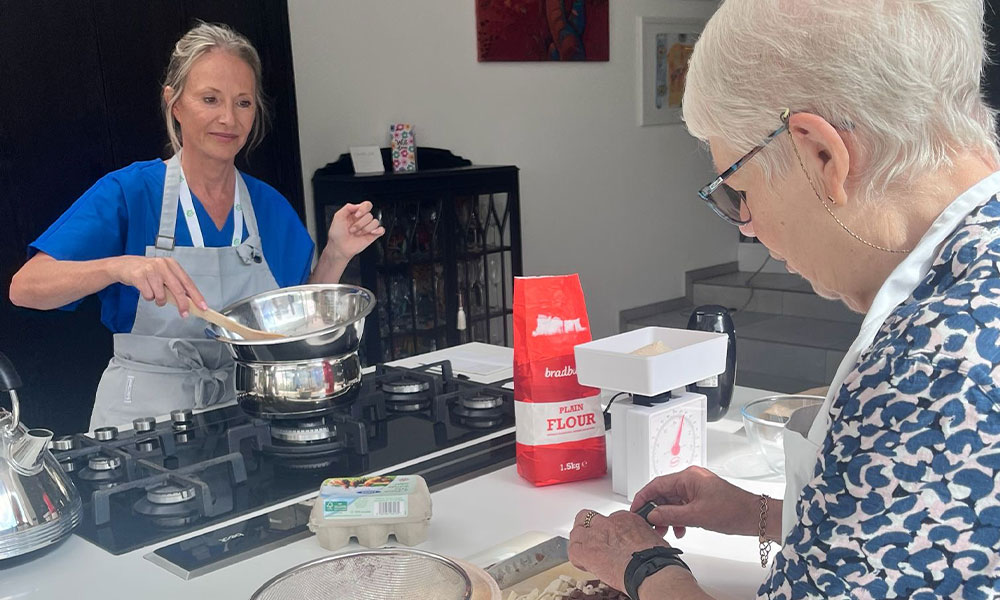
- Making preferred meals, snacks and drinks
- Following documented dietary, allergy or texture guidance
- Collecting shopping, prescriptions and agreed essentials
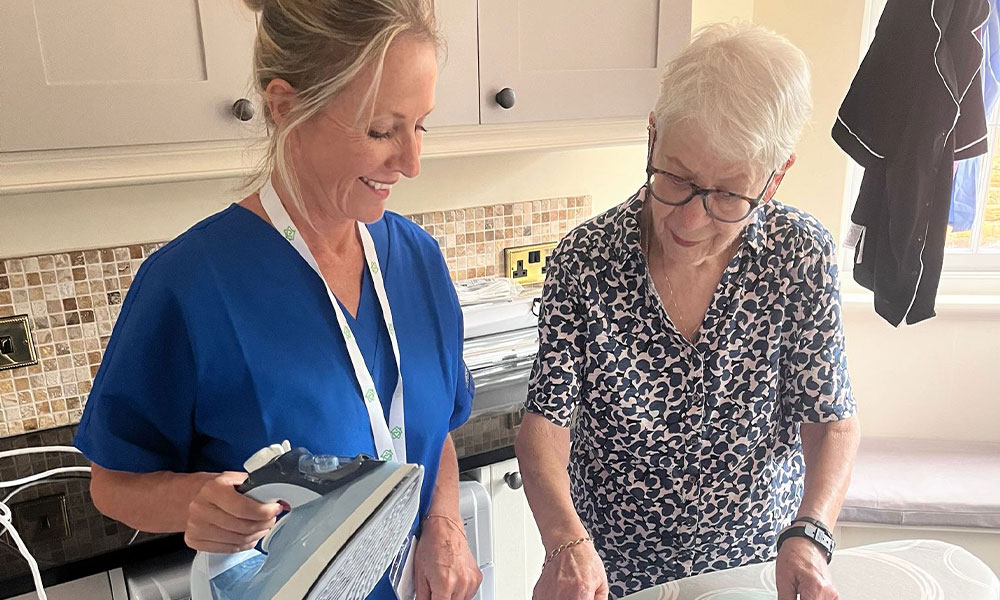
- Light housework, laundry and changing bed linen
- Simple pet-related tasks where these form part of the plan
The arrangement can help the household continue in a familiar way while making clear which practical tasks are included and which remain outside the practitioner’s role.
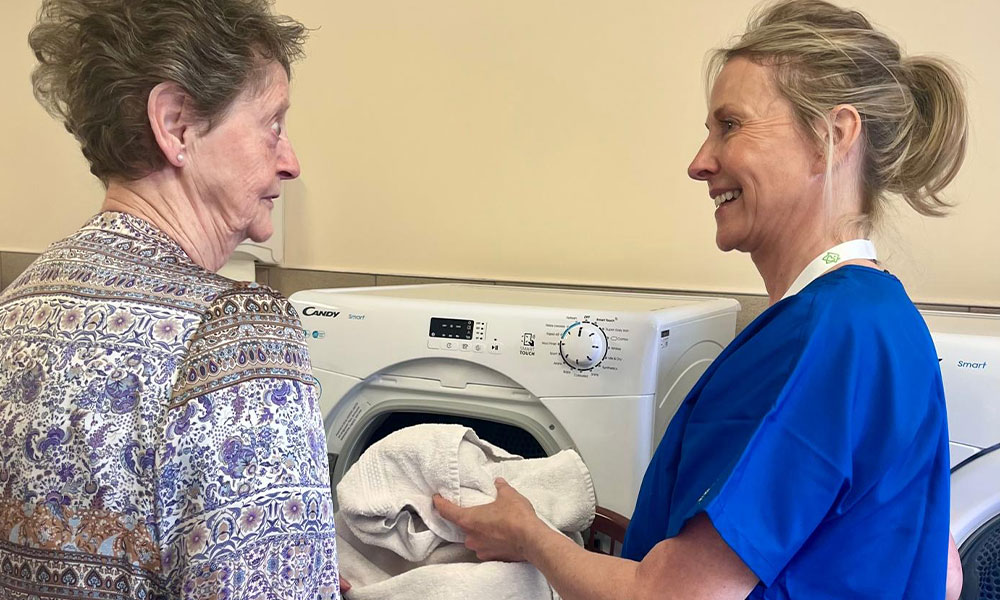
Company and meaningful activity
- Conversation, companionship and a familiar presence
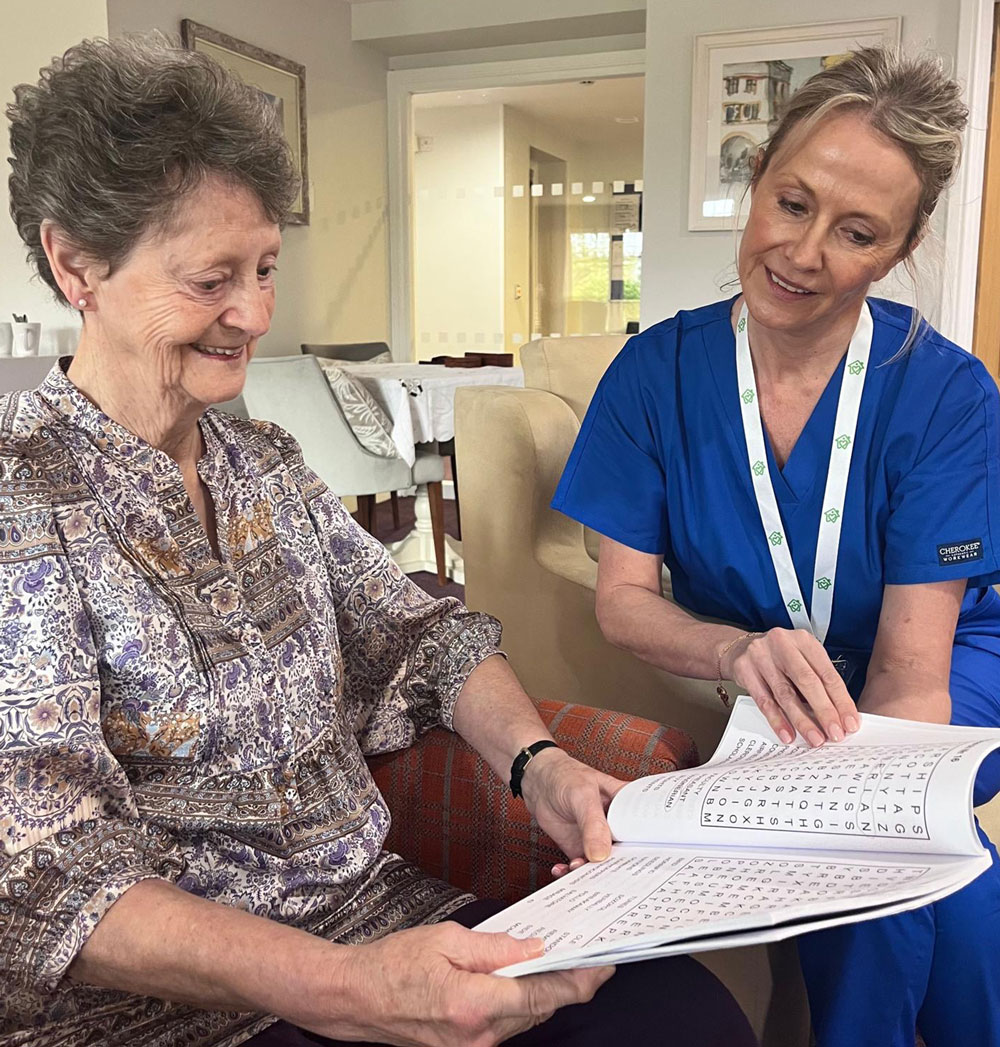
- Time for music, games, crafts, hobbies or quiet interests
- Help to stay in touch with relatives and friends
- Agreed trips, appointments and community activities
- Respect for private time and the person’s wish to be alone
Living in the home does not mean filling every moment. Good companionship leaves room for natural conversation, shared activity, rest and personal space.
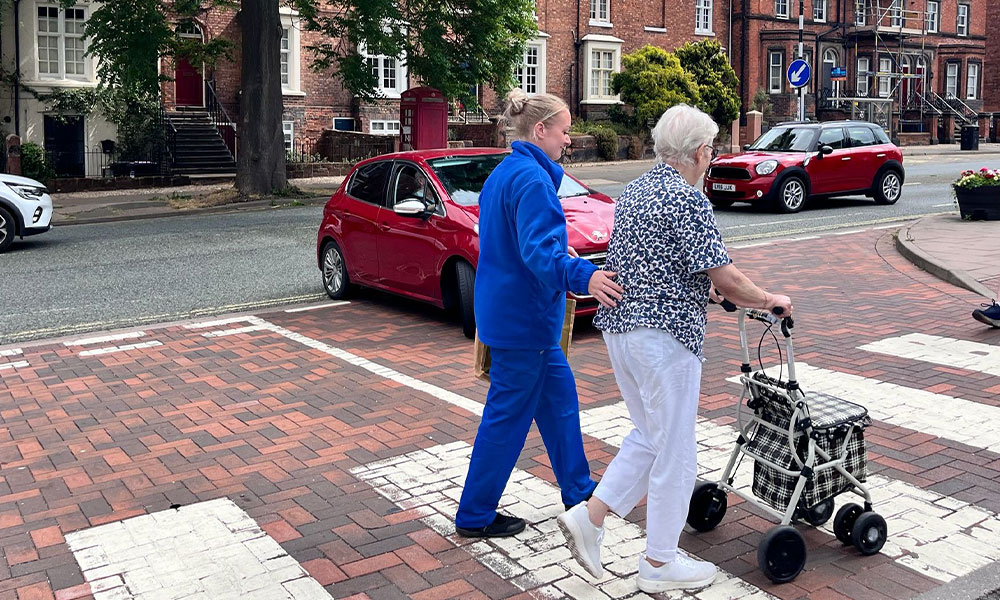
Moving safely and staying connected
- Assessed assistance with transfers and mobility
- Use of hoists or other equipment by practitioners signed off as competent
- Accompaniment to medical, therapy or social appointments
- Shopping trips and local outings where agreed
- Following mobility guidance provided by the responsible professional
Equipment and exercise programmes must first be assessed or recommended through the appropriate professional route.
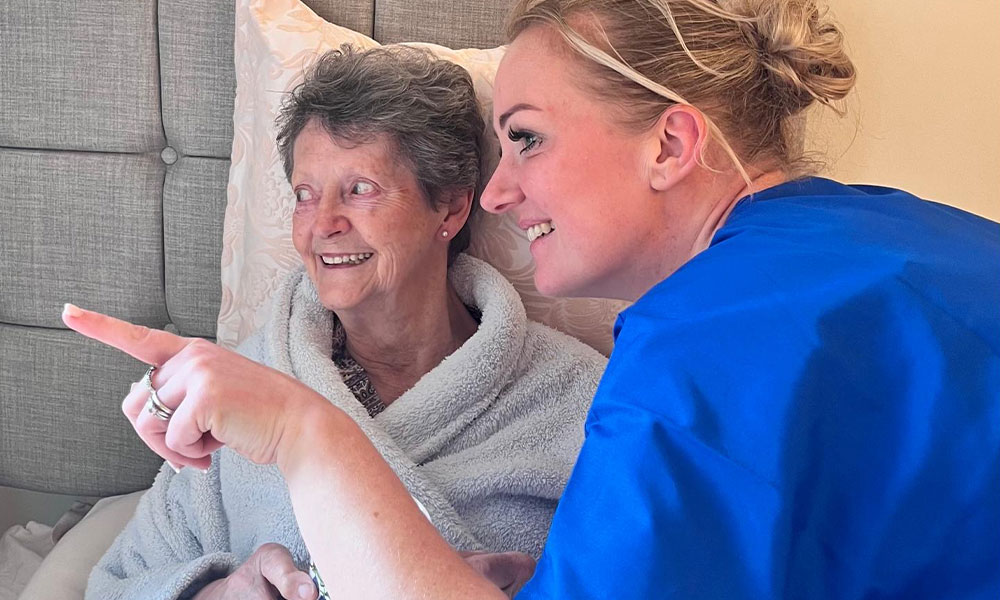
Night-time and higher-level support
- Occasional brief assistance within standard Live-in Care
- Sleeping-night support where the practitioner is expected to sleep
- Waking-night support with a practitioner awake and on duty
- Genuine 24-hour support through a rota or shifts when continuous active cover is required
Night-time needs are reviewed as they change, so the household has the right support without relying on one practitioner to work without proper rest.
Choosing the right day and night staffing arrangement
Live-in, sleeping-night, waking-night and shift-based care have different purposes
The assessment looks at when help is needed, how often the practitioner may be disturbed overnight and whether continuous active cover is required. Families can describe what is happening without having to select the service label themselves.

Standard Live-in Care
A practitioner provides flexible help during the day while living in the home. The arrangement must allow proper breaks and sufficient overnight sleep; occasional brief assistance may be agreed, but repeated waking requires review.

Sleeping-night care
The practitioner remains in the property and is expected to sleep. They can respond to occasional agreed needs, provided the pattern still allows the rest anticipated within a sleeping-night arrangement.

Waking-night care
A waking-night practitioner stays awake and on duty for the full night. This can suit regular personal care, monitoring or reassurance needs that are incompatible with uninterrupted sleep.

Shift-based 24-hour support
When active help must remain available throughout both day and night, two or more practitioners normally work an agreed rota. This is not the same as asking one live-in practitioner to remain continuously on duty.
Planning a Live-in Care arrangement across North Worcestershire
Different local settings create different practical questions
Kidderminster, Bewdley and Stourport-on-Severn form a relatively connected care area, while Tenbury Wells and the surrounding Teme countryside include more widely separated homes and longer rural journeys. A practitioner living in the property can make sustained support possible in either setting, but assessment visits, matching, travel and changeovers still need to work reliably.
- The assessment considers the person’s needs alongside the bedroom, shared facilities and household routines
- Required competencies and compatibility guide the choice of practitioner
- Homes around Tenbury Wells may need additional planning for access, parking, connectivity and longer changeover journeys
- Arrangements around Kidderminster and Wyre Forest still depend on timing, practitioner availability and a workable match
- Hospital discharge cannot be rushed ahead of equipment, medication and clinical responsibilities being agreed
- Breaks, holidays and changeovers are planned parts of a managed Live-in Care package
- Regular waking or continuous active night support may require a separate practitioner or shift arrangement
The team confirms what can be provided only after understanding the individual or couple, the property, the general location and the intended start date.
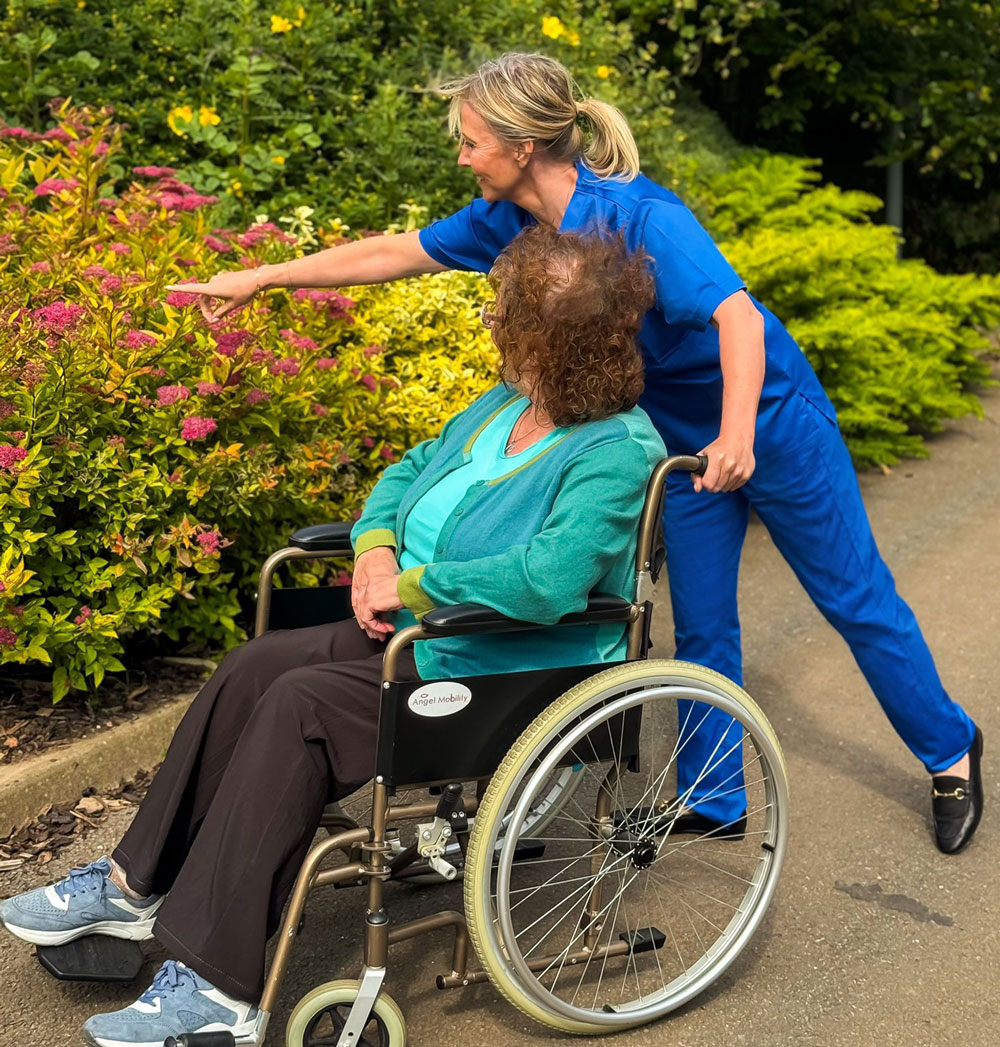
Working alongside Worcestershire health and social-care services
Coordinated support with separate professional responsibilities
A hospital team, GP, district nurse, therapist, Neighbourhood Team or Worcestershire County Council may already be helping the person. With consent, CM Bespoke Care can record the relevant contacts and follow the responsibilities set out in its care plan, without taking over decisions that belong to another service.
Preparing for a return home
People may enquire while preparing to leave Worcestershire Royal Hospital, Kidderminster Hospital and Treatment Centre, Tenbury Community Hospital or another setting.
The discharge team determines when the person is ready to leave and coordinates the clinical, medication, equipment and follow-up requirements within its remit.
Once those arrangements are ready, Live-in Care may help with personal routines, prescribed medication support, meals, mobility and reassurance. The package still depends on a completed assessment, a suitable home and an appropriately skilled practitioner being available.
Nursing and therapy in the community
Worcestershire Neighbourhood Teams bring together referral-based nursing, therapy and other professional support in people’s homes.
A GP, district nurse or therapist can therefore remain involved after Live-in Care begins.
The live-in practitioner follows the agreed domiciliary care plan and reports concerns through the proper route.
Clinical assessment, treatment and therapy remain with the qualified professionals responsible for them.
Adult Social Care information and assessments
Worcestershire County Council’s Adult Front Door provides information, advice and access to Adult Social Care. Any council care and support assessment considers statutory needs, eligibility and possible funding; it is different from CM Bespoke Care’s free assessment of whether its own service can safely meet the person’s needs.
- NHS teams remain responsible for clinical care and treatment.
- Worcestershire County Council manages its statutory assessment and support routes.
- CM Bespoke Care manages the agreed personal and practical Live-in Care package.
More than one organisation may be involved at the same time. Clear contacts, consent and written responsibilities help the person and family understand who to approach when a question or need changes.
An initial call with CM Bespoke Care can cover the general location, day and night needs, current support and hoped-for timing. The team can then explain its assessment process and identify questions that still need to be taken to the council, hospital or NHS service.
Worcestershire Adult Front Door
Worcestershire care and support assessments
Other ways to receive care at home in Worcestershire
The right level of support may be lighter, temporary or clinically coordinated
Live-in Care is not the only way to organise support at home. The assessment may identify that planned visits, temporary cover for a family carer or palliative support alongside healthcare professionals would better fit the person’s present circumstances.
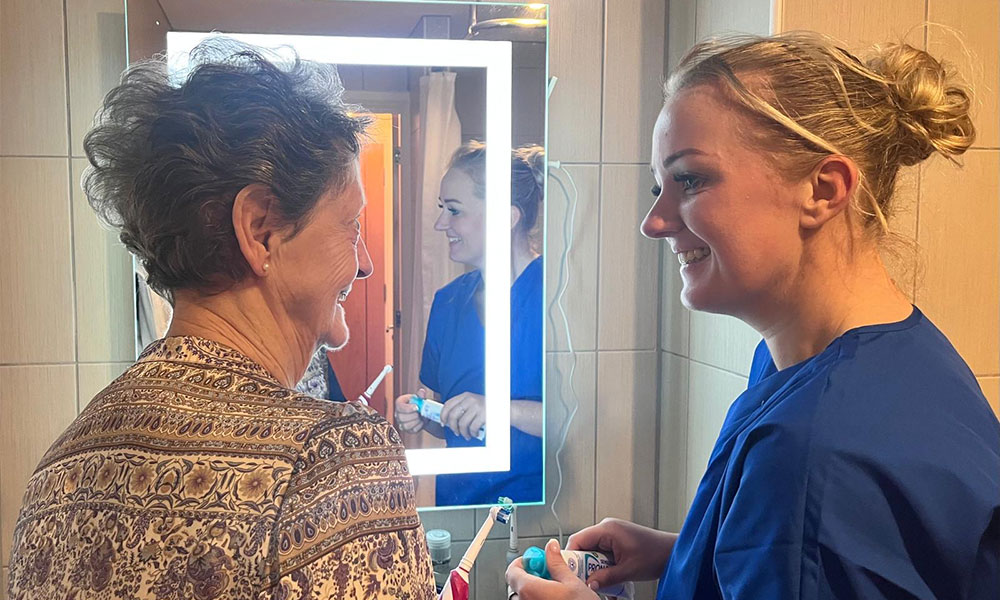
Home Care in Worcestershire
Care practitioners visit at agreed times to help with personal care, medicines, meals, companionship and established daily routines.
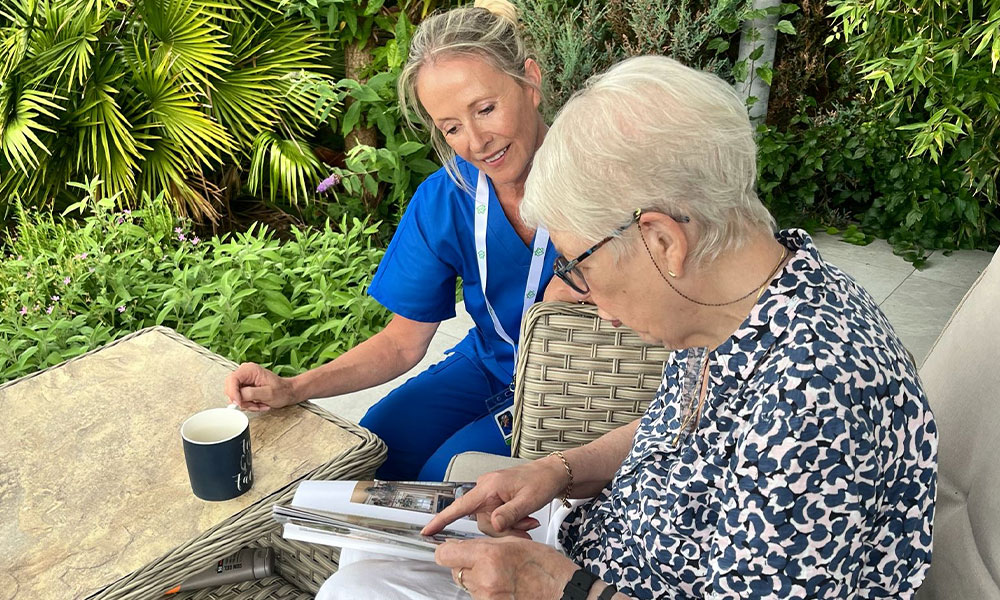
Respite Care at Home in Worcestershire
Short-term visiting, overnight or live-in support can give a relative or regular carer time away from the caring role.
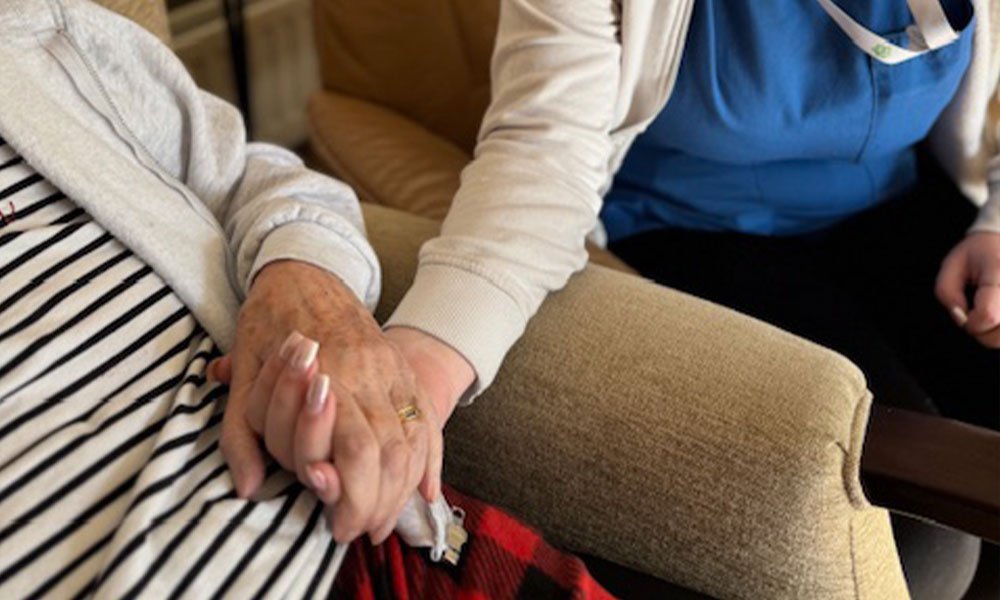
Palliative Care at Home in Worcestershire
Personal and practical care at home can sit alongside the nursing, medical and specialist palliative support already involved.

Why choose CM Bespoke Care in Worcestershire
A managed service with clear responsibility throughout
CM Bespoke Care is family-owned and managed, with established care delivery around Kidderminster, the Wyre Forest area and Tenbury Wells. The team remains responsible for assessment, care planning, practitioner management, records, reviews, cover and communication rather than leaving the household to coordinate the arrangement alone.
That continuing involvement gives the person and family a clear point of contact when needs, practitioner arrangements or household circumstances change. It also means questions about quality, continuity and the care plan can be addressed through the care-management team.

The team behind Live-in Care
Matching for the household, backed by continuing management
A suitable practitioner needs the right care competencies, but living well together also depends on communication, personality and everyday compatibility. Matching can consider interests, routines, cultural and personal preferences, pets and the practical travel and changeover arrangements required across North Worcestershire.
CM Bespoke Care supports each package through:
- A wider team of approximately 100 care practitioners serving Shropshire, Worcestershire and surrounding areas
- Initial induction over 2½ days, practical learning and supported shadow shifts
- Regular training, observations, supervision, spot checks and competency review
- A registered domiciliary care service with a Good CQC rating
- Registered Nurse guidance where more complex needs require additional oversight
- Digital care plans, daily records and medication documentation held securely
- A named care-management route and on-call support seven days a week for active packages
- Formal reviews at least monthly, with earlier review when needs or circumstances alter
- Planned cover, practitioner handovers and managed changeovers
What clients and families say
Independent experiences of support from CM Bespoke Care
Families often want to know that care will feel respectful, reliable and well managed before welcoming someone into the home. The reviews below share real experiences of CM Bespoke Care’s communication, personal support and responsiveness.
Preparing the home for Live-in Care
A workable arrangement for the person and practitioner
The practitioner needs a private bedroom with a suitable bed, heating and storage. They also require reasonable access to bathroom, kitchen and laundry facilities, agreed meals, privacy, rest and safe working conditions.
The assessment will consider:
- Private bedroom and shared household facilities
- Access, parking and property safety
- Routines, pets, relatives and visitors
- Meals, breaks and personal time
- Phone or internet connectivity where relevant
- Appointments, driving and proposed vehicle use
- Mobility equipment and professionals involved
- Changeovers, holidays and unexpected cover
Food, travel, driving and household costs are agreed for the proposed package rather than assumed.
How Live-in Care is arranged in Worcestershire
A considered plan for the person, practitioner and household
You can begin with a simple enquiry rather than a finished care brief. The team will explore whether Live-in Care could work for the person, the home and the practical arrangements required in their part of Worcestershire.

Talk to the team
The initial conversation can cover the person’s general location, current support, day and night needs, household circumstances, hoped-for start date and any council or healthcare professionals already involved.

Free home and care assessment
A trained senior team member explores needs, risks, preferences and routines. The visit also considers access, the private bedroom, household facilities and the arrangements needed for both the person and practitioner.

Care plan and careful matching
The plan records agreed support, medication, mobility, communication, night-time needs, risks, breaks and professional contacts. Matching then considers required skills, household compatibility, travel and changeover planning.

Care begins and stays under review
The practitioner receives a full handover and the care manager remains responsible for oversight, communication and planned cover. Reviews take place at least monthly and whenever needs or circumstances change.
Choosing between Live-in Care and a care home in Worcestershire
Start with the person’s needs, wishes and preferred way of living
For some people, a managed practitioner living in the home can provide the consistency they need without a move. For others, residential or nursing care may offer facilities, staffing or clinical provision that are difficult to arrange safely in their current property.
The choice should take account of consent, capacity, assessed risks, night-time needs, the suitability of the home, social preferences, family circumstances, cost and realistic availability. CM Bespoke Care can assess whether its Live-in Care service may be suitable, while the wider decision belongs with the person and those appropriately involved.
Remaining at home with Live-in Care may provide:
- Support within rooms and routines the person already knows
- A one-to-one plan for an individual or, where suitable, a couple
- Continued everyday contact with relatives, friends, neighbours and pets
- More control over meals, visitors and the rhythm of the day
- A managed arrangement without moving into shared accommodation
A residential or nursing setting may provide:
- Purpose-designed facilities with staff based on site
- Shared activities and regular contact with other residents
- A setting that better meets some patterns of risk or support
- Registered nursing when this is included within a nursing home
- An alternative when the present home cannot safely support the package required
Live-in Care coverage across Worcestershire
Focused on North Worcestershire and the communities the team can serve well
CM Bespoke Care has established care delivery around Kidderminster, Bewdley and Stourport-on-Severn, together with an experienced rural service around Tenbury Wells. Nearby communities may also be considered, but the page does not promise automatic coverage across the whole county.
The Wyre Forest area offers a more connected cluster of homes and services. Around Tenbury Wells, longer journeys, cross-border routes and more widely separated properties can influence assessment visits, practitioner travel and planned changeovers. Because the practitioner lives in the home, repeated daily care-round journeys are reduced, but these wider arrangements still need to be workable.
The team will ask about the general location, the home, the required skills, day and night needs and the hoped-for start date. It can then confirm whether a suitable practitioner and dependable arrangement can be planned.
Our offices supporting Worcestershire
Two offices supporting clients, families and care practitioners
CM Bespoke Care’s head office in Cleobury Mortimer and its Church Stretton office support enquiries and care planning across the parts of Worcestershire served by the team.
Ground Floor Office Suite, Upper Baveney Park, Cleobury Mortimer, Kidderminster, Shropshire, DY14 8LF
Unit 1, Sandford Court, Sandford Avenue, Church Stretton, Shropshire, SY6 6BH
Frequently asked questions about Live-in Care in Worcestershire
Talk to our team about Live-in Care in Worcestershire
Tell us what is becoming difficult and what the person would like life at home to look like.
We can discuss their general location, day and night needs, household circumstances and any professionals already involved.
You do not need to choose a care format first.
The team will explain the options and arrange a free assessment where that is the right next step.