




Which care assessment do you need in Shrewsbury?
Three different questions: your needs, your funding and your care plan
The words “care assessment” can describe different conversations. You might want help understanding your options, need support with daily routines, or be arranging care after a change in circumstances. Start with the question you need answered: what support would help, whether financial assistance is available, or how a particular provider could support you.
A council care needs assessment considers how your needs affect daily life and whether you qualify for support. It is free, and you can request one even if you expect to pay for care yourself. A financial assessment is a separate process used to work out your contribution towards council-arranged support. The NHS explanation of needs assessments sets out this distinction.
A private home care assessment looks at the support a provider can safely offer and how it would fit your routines. Our home care in Shrewsbury assessment is free and without obligation. It does not award council funding, and its recommendations should be discussed with you before a care arrangement is agreed.
You can explore both routes. An assessment may point towards practical changes, equipment, community support or paid care; it is not simply a decision about booking visits. This guide will help you describe your situation, prepare useful questions and understand what should happen after the conversation.
Care assessments at a glance
- Council needs assessment: understand your support needs and eligibility.
- Financial assessment: establish what you may need to contribute towards eligible council support.
- Private provider assessment: agree whether and how that provider can meet your needs.
- CM Bespoke Care’s assessment is free; any ongoing care is priced separately.
- Appointment length, waiting for an appointment and starting care are different timescales.
- Prepare examples of everyday difficulties, strengths and the things you want to keep doing.
- Ask for clear outcomes, costs and a named next contact before making a decision.
How to prepare for a home care assessment
Six things to think about before you meet
You do not need a perfect account of every day. A few notes can help you explain what works, what takes extra effort and where support would make a difference. Include both easier and harder days, rather than describing only how things are on the day of the assessment.
Daily routines
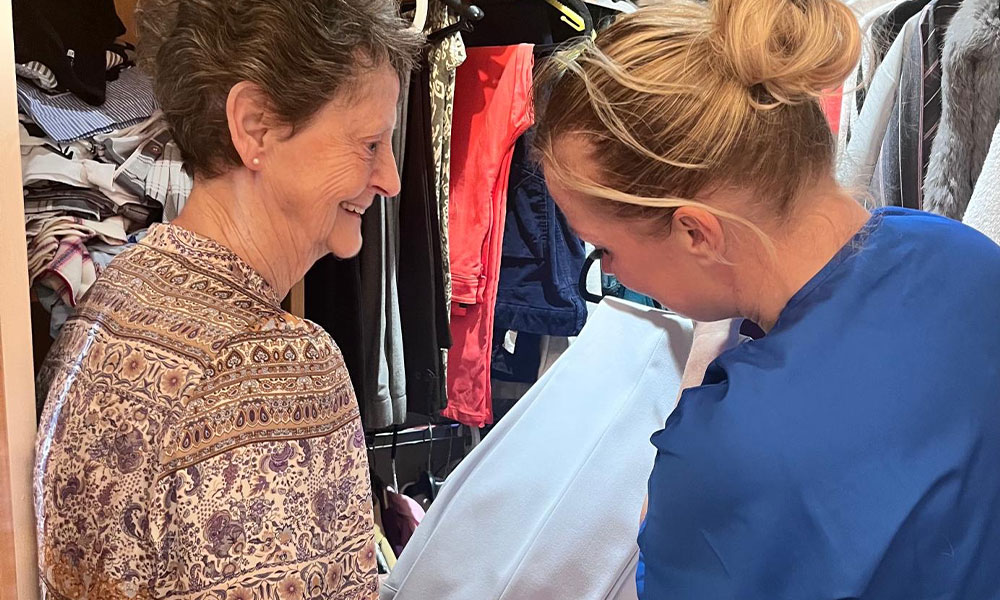
Think through a day from getting up to going to bed. Small tasks can become tiring or difficult even when you can still manage parts of them.
- What can you do comfortably?
- Where do you need prompting, time or physical help?
- Do mornings and evenings feel different?
Explain how you prefer things done, including privacy and personal routines.
Food, shopping and medicines
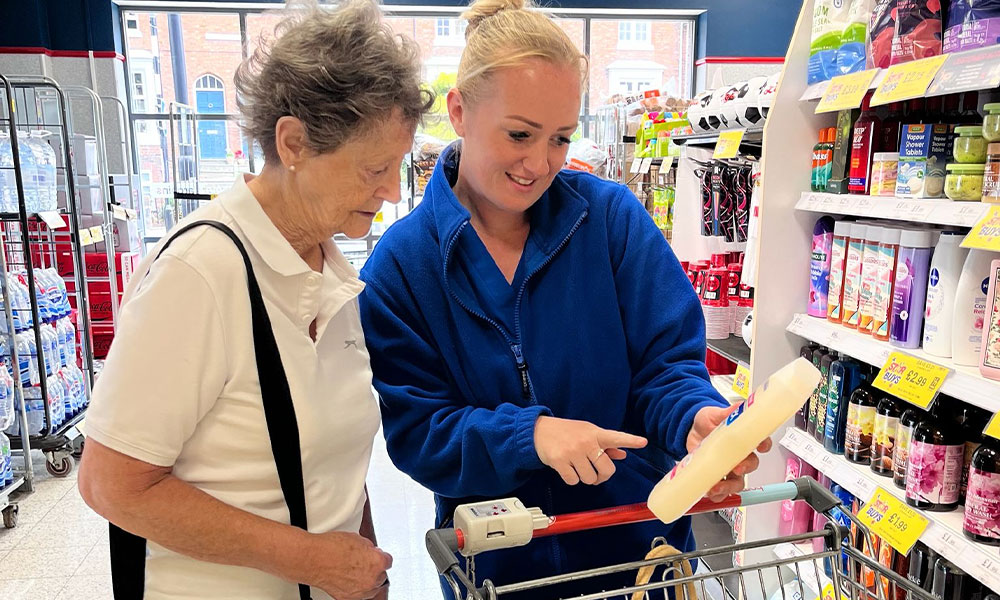
Describe how you organise the essentials, not just whether food or medication is available. The assessor needs to understand which steps cause difficulty.
- Can you shop, prepare food and make drinks?
- Who orders and collects medicines?
- What help do you already use?
Have an up-to-date medication list available if relevant; ask your usual clinician or pharmacist about treatment questions.
Moving around and getting out
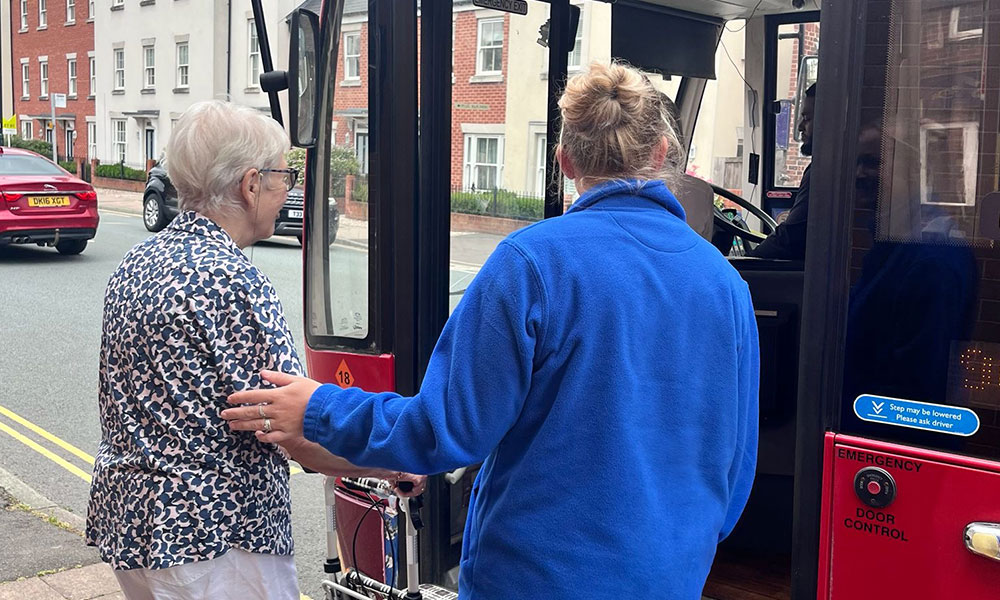
Think about the places you need or want to reach, inside and outside your home. Describe any equipment you use and situations you avoid.
- Are stairs, doorways or the bathroom difficult?
- Can you reach appointments or local activities?
- Has anything changed recently?
Explain the difficulty rather than demonstrating a movement that feels unsafe.
What matters to you
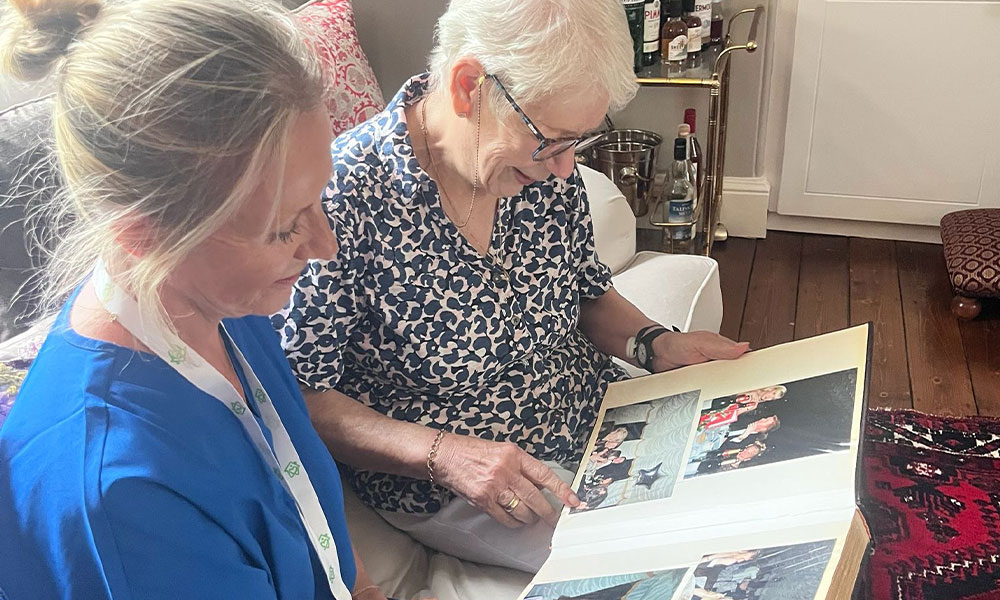
An assessment should leave room for your preferences and the life you want to lead. Support is more useful when it helps with something meaningful.
- Which activities would you like to continue?
- What would make a good day easier?
- Are language, culture or communication needs important?
Choose one or two priorities you want the assessor to understand before discussing particular services.

Help you already receive
Be clear about what friends, relatives or other services actually do. Help that is available occasionally may not be sustainable every day.
- Who helps, and with which tasks?
- What happens if that person is away?
- Are they willing and able to continue?
If you provide unpaid care, describe its effect on your own life as well as the other person’s needs.
Notes and questions
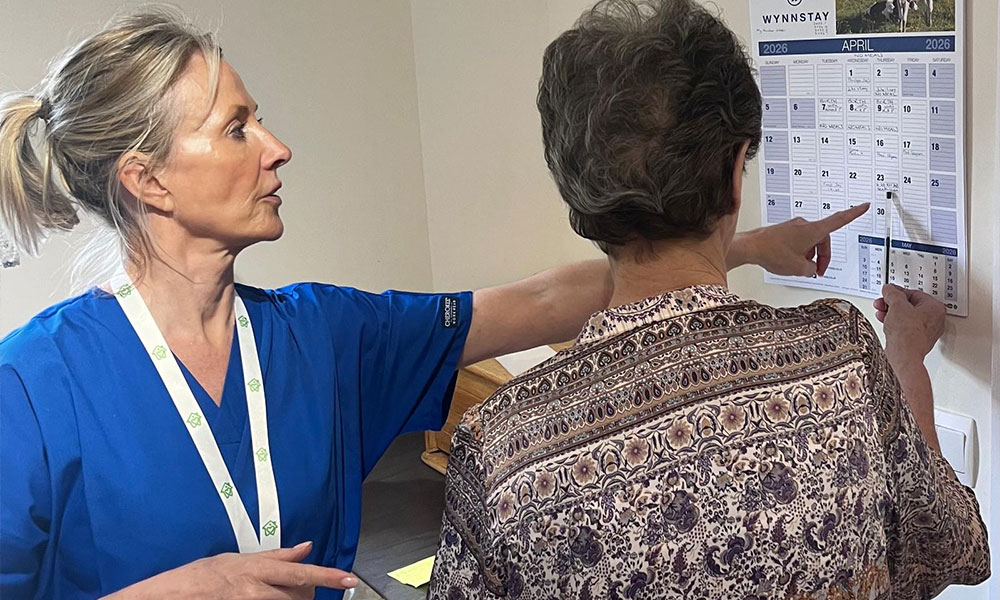
Gather the information that will make the discussion easier. Ask beforehand what the assessor needs, so you do not feel you must assemble unnecessary paperwork.
- Write down recent changes and useful examples.
- Bring relevant care plans or professional advice.
- List questions about costs, timing and next steps.
If you want someone alongside you, arrange this in advance and explain how you would like them involved.
Council and private home care assessments explained
Similar conversations, different decisions
Both routes should listen to your circumstances. Their purposes differ, so ask who is assessing you, what they can decide and what written information you will receive.
Shropshire Council: understanding your support needs
The council considers your needs, their effect on wellbeing and whether you meet the eligibility criteria for care and support.
Shropshire Council describes its Care Act assessment as a conversation about what matters to you and what could help. This can include the things you manage, difficulties you face and support around you. It is not limited to identifying a number of home care visits.
Tell the assessor about needs that are currently being met by someone else. If a relative helps every morning, explain what they do and whether they can continue. Otherwise, an important part of your situation may be missed.
The assessment outcome should explain the needs identified and the council’s decision. If eligible support is being arranged, the care and support planning and funding discussions need to be clear. Eligibility for support does not automatically mean the council will pay the full cost.
A private provider: planning care it can deliver
A provider assessment establishes whether the service can meet your needs safely and how an agreed care arrangement would work.
Expect practical questions about the tasks you want help with, your routines, the home environment and any relevant professional guidance. This is also your opportunity to ask how the provider would accommodate your preferences and what it cannot offer.
Discuss visit times, realistic visit lengths and whether any tasks need particular staff skills or more than one care worker. A proposed arrangement needs to work in everyday life, not only look suitable on a list.
Ask what happens before care starts: who prepares the care plan, when you receive a written quote and agreement, and how a start date is confirmed. A provider’s assessment does not replace the council’s funding decision. Privately delivered care may have different payment arrangements, so establish who is responsible for paying.
How to request a care needs assessment in Shrewsbury
Start with Shropshire Council’s First Point of Contact
For an initial adult social care enquiry, contact Shropshire Council’s First Point of Contact on 0345 678 9044. Explain what has changed, what support is already in place and whether anything makes the request urgent. If you are enquiring for another adult, involve them and seek their permission wherever possible.
The council may suggest a Let’s Talk Local appointment or another suitable assessment arrangement. Its Shrewsbury venues include The Lantern in Harlescott and Louise House in Meole Brace. These are booked appointments: confirm the venue and arrangements before travelling rather than arriving as a drop-in.
If travelling is difficult, explain why and ask how the conversation can take place. Mention any communication support, accessible information or help with participation you need when booking, rather than waiting until the appointment.
For a private assessment, contact your chosen provider directly. Say which area of Shrewsbury you live in, the help you are considering and any timing constraints. You can ask about council support alongside this enquiry; you do not need to treat the routes as mutually exclusive.

What should happen during and after the assessment?
Leave with a clear account and a practical next step
The conversation is useful only if the outcome reflects your situation. Make space to ask questions, check anything you do not understand and find out who will contact whom afterwards.
Make sure your own view is heard
You should be involved in explaining your needs and discussing the support you want.
If someone joins you, agree how they can help: remembering examples, taking notes or asking a question you find difficult. They may notice things you have not mentioned, but their involvement should not crowd out your own preferences.
Tell the assessor if you need information explained differently or would find it hard to take part without support. The NHS assessment guidance explains how an advocate can help. Ask the council about advocacy arrangements if you need them; having a relative nearby does not mean every communication difficulty is resolved.
Before the discussion ends, check that both your priorities and any important risks have been recorded. Ask what happens if you remember something later. A short written list can help you follow up without having to repeat the whole conversation.
Check the proposed support before agreeing
Separate the assessment findings from the practical arrangements and the bill.
For a council assessment, ask for a copy of the outcome and an explanation of any eligibility decision. If you think something important has been missed, identify the specific point and ask how it can be reviewed or challenged. You can still ask for information about other support if you are not eligible.
For a provider assessment, read the proposed care plan and written quote together. Does the plan describe the support you discussed? Are the visit lengths and timing realistic? Ask what the price includes, how additional visits are charged and what notice is required for changes.
Check who will review the arrangement and how you can raise concerns. If you are also comparing providers, our guide to understanding and arranging home care covers the wider choice and booking process. You should be able to distinguish an initial suggestion from a confirmed service agreement.

A free home care assessment with CM Bespoke Care
Time to discuss your routines, preferences and questions
Our assessment is free and without obligation. A trained senior member of our team will normally meet you at home, where it is easier to discuss the practical details of the support you are considering. You can involve someone you trust if you wish.
We usually allow 60–90 minutes, but there is no fixed limit. The aim is to understand your circumstances and discuss a suitable plan, not rush through a checklist. Tell us in advance if you need breaks, communication support or a particular person present.
We will discuss what we may be able to offer, the proposed costs and the arrangements needed before care begins. Suitability, staffing and your preferred visit times all matter. Our Shrewsbury home care page explains our local service and assessment process in more detail.
Waiting, follow-up and support for family carers
Know what to ask while arrangements are being made
An assessment appointment, a written decision and the start of care may happen at different times. Keep track of the next action and speak up if the situation changes while you are waiting.
Ask for a timescale that relates to your situation
Ask when you should expect contact, what is still needed and who to approach if that date passes.
There is no single waiting-time estimate that describes every Shropshire assessment. Age UK’s assessment guidance explains that councils decide timing according to individual needs and circumstances. Tell the council about urgency and ask for an expected timescale for your own request.
If the support available at home changes, update the council rather than assuming your original request captures the new position. For example, explain if a person who was helping can no longer do so, or an essential daily task is no longer being managed. Ask what interim help may be possible.
With a private provider, ask separately about the earliest assessment appointment and the earliest realistic care start. Availability for an assessment does not guarantee the staff or visit times you need. Before relying on a date, check that the care plan, price and start arrangements have been confirmed.
Support for you and anyone helping you
Unpaid carers can have needs of their own, even when they want to continue helping.
A Shropshire carer’s assessment considers how caring affects the carer and what support may help them. It is separate from the assessment of the person receiving care. Be honest about the help you can provide, the effect on your life and any arrangements that are becoming difficult to sustain.
If the person you support wants you at their appointment, you could agree the main questions beforehand. You can also ask to discuss your own caring circumstances separately. Do not assume a care plan should depend on help you have not agreed to provide.
For independent preparation, the NHS needs assessment guide explains the process and Age UK’s assessment advice covers questions about waiting and outcomes. Use Shropshire Council’s contact page for the current local enquiry and out-of-hours routes.
Frequently asked questions about care assessments in Shrewsbury
Home care in your area
Looking for support at home for yourself or someone you love? Explore our home care services across Shropshire, Herefordshire and Worcestershire, or talk to our team about the support available where you live.
Not sure whether we cover your location? Contact our team to discuss care in your area.
Home care in Shropshire
Home care in Herefordshire
Home care in Worcestershire
Take the next step towards an assessment
Start with the question you most need answered
If you need help understanding your care needs or the council support available, start with Shropshire Council. If you want to explore how a particular provider could support you at home, ask for its assessment arrangements. In either conversation, keep your priorities close: what is difficult, what already works and what you want support to make possible.
Before agreeing to ongoing care, make sure you understand the proposed tasks, visit arrangements, costs and next steps. A useful outcome is not simply a completed appointment; it is knowing what has been agreed, what remains undecided and who you can contact if circumstances change.
If you would like to discuss a free assessment with our team, tell us where you live in Shrewsbury, the support you are considering and any practical timing or communication needs. We can talk through the assessment and explain what information would help us prepare.