





Making everyday life at home easier
Keep what feels familiar, and look at what gets in the way
Someone may know where the kitchen is but struggle to find a cup, hesitate at a dark patch on the floor or lose track of a conversation when the television is on. These moments give you a useful starting point. Ask what the person finds difficult and, with their permission, notice how they manage a familiar task.
A dementia-friendly home is shaped around the person who lives there, their abilities and their preferences. The aim is to help them find, recognise and use what they need while keeping their preferences and familiar surroundings in view. Their response matters more than whether a change looks right to someone else.
This guide takes you through useful room-by-room checks, explains lighting and contrast, and shows how to try one change and review it. It also covers professional assessments and possible help with costs. Some ideas are simple to try; equipment, structural changes and significant safety concerns deserve individual advice.
Relatives, friends, dementia services and health professionals may all help. Assessed Home Care can support agreed daily tasks and notice when an arrangement is becoming difficult. Our practical family guide to dementia support at home covers the wider care conversation. The council assessment and funding routes below describe England.
A dementia-friendly home at a glance
- Start with one task the person wants to manage.
- Keep useful belongings in familiar, easy-to-find places.
- Check light, glare, noise and clear walking routes.
- Use signs or contrast where they actually help this person.
- Seek an assessment before choosing specialist equipment.
- Consider consent and privacy when using monitoring technology.
- Check eligibility before assuming adaptations will be funded.
- Observe the response and adjust the plan together.
Six places to look for everyday difficulties
Follow the person's usual day through the home
Choose the room or task that matters most now. These checks help you notice a possible obstacle and frame a useful question; they are not a requirement to change every room. Alzheimer’s Society’s home-environment suggestions offer further ideas to discuss together.
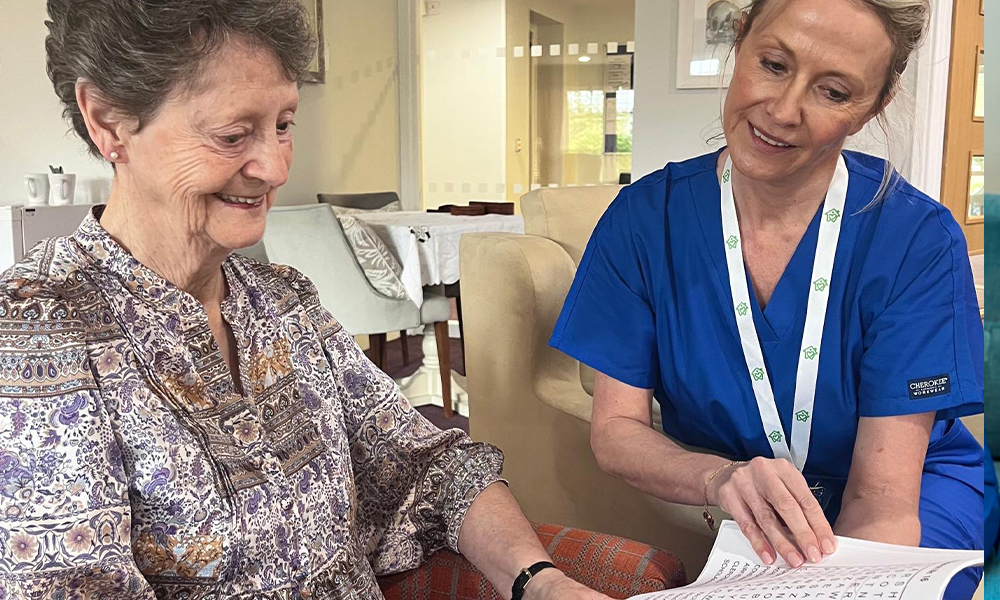
A comfortable place to sit and talk
Look at the place the person chooses for conversation, reading or company.
- Can they see faces and the activity clearly?
- Is an unused television competing for attention?
- Are familiar belongings still within reach?
Ask what feels comfortable before rearranging the room. Keep favourite items that give the space meaning.
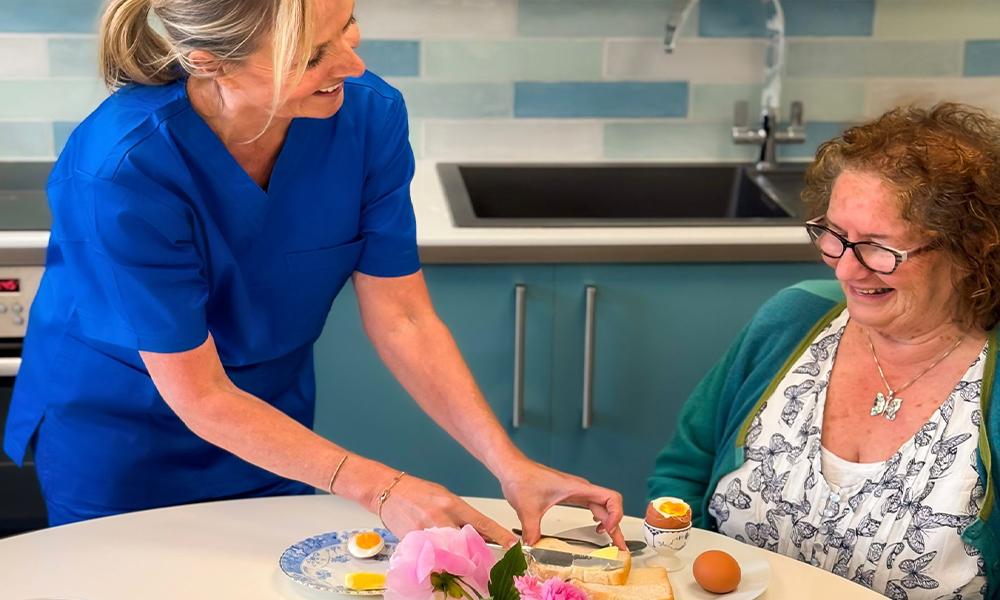
Meals and drinks that are easy to find
Notice whether the difficulty is finding the drink, recognising it or using the cup.
- Keep the usual cup in an agreed place.
- Reduce competing items on the table.
- Check whether crockery stands out against the surface.
Alzheimer’s Society explains equipment for eating and drinking. Ask for professional advice if handling utensils or swallowing is difficult.
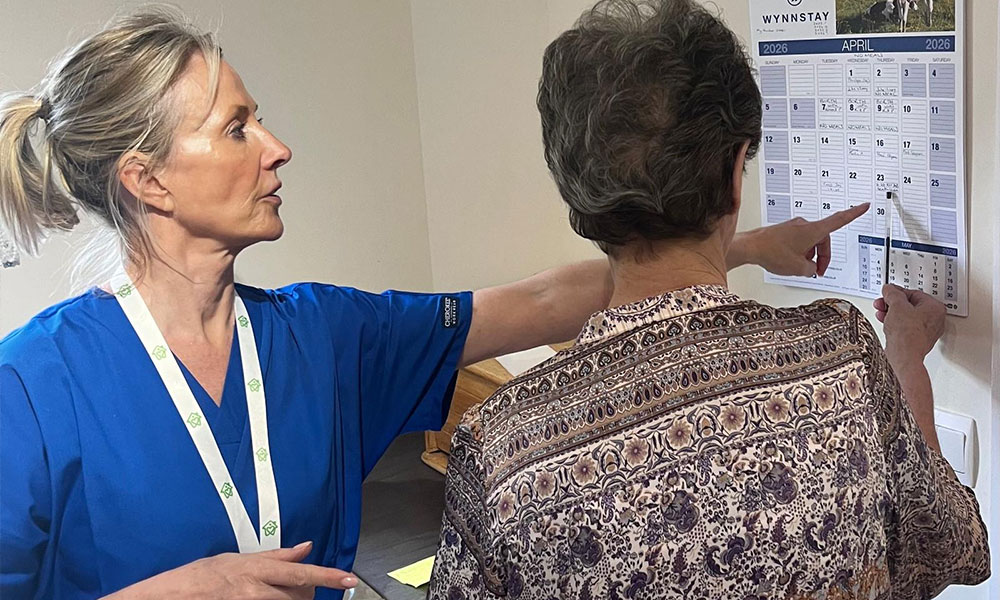
Recognising rooms and everyday essentials
A useful cue should answer a real question, such as where the toilet is or what happens today.
- Try a clear word or recognisable picture.
- Place it where the person naturally looks.
- Keep a calendar or reminder current.
- Use controls the person can recognise and operate.
Memory aids work best when they fit existing habits. Watch whether the person uses the cue without turning it into a test.

Washing, toileting and getting dressed
Finding the bathroom and recognising what is needed can be separate from needing physical help.
- Keep the route to the toilet clear.
- Make familiar toiletries easy to identify.
- Offer a manageable choice of clothes.
If getting on or off the toilet, bathing or standing is difficult, ask for an equipment assessment before choosing a rail or seat.
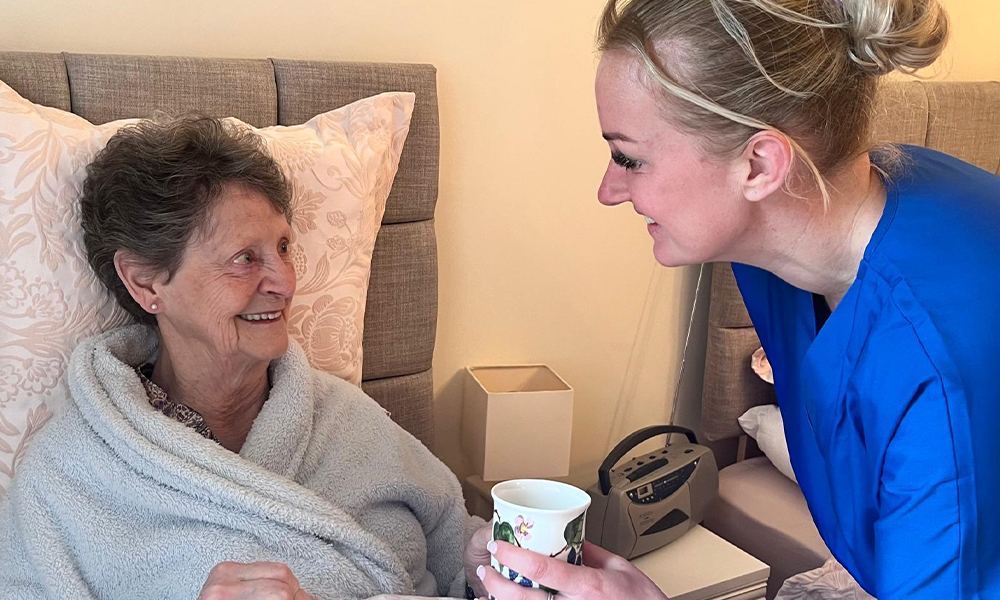
The bedroom and the route at night
Look at the journey someone actually makes when they get up, rather than the bedroom alone.
- Check the route for obstacles.
- Make suitable lighting easy to use.
- Keep assessed mobility aids accessible.
If waking or distress is the main concern, our guide to dementia and difficult nights covers sleep, reassurance and night-time support in more detail.

Doorways and time outdoors
Consider how the person reaches a garden or another familiar outdoor space.
- Check steps, thresholds and the route.
- Look for a suitable place to rest.
- Discuss any company or mobility support needed.
Ask for advice if access is difficult. A doorway change should help the person use the home while respecting their choices and familiar surroundings.
Help the person see and find what they need
Consider the view from where they sit, stand and walk
Light and the appearance of surfaces can affect how a room feels and how easy it is to use. Look at the actual difficulty at different times of day. A room that seems bright at lunchtime may feel quite different in the evening.
Make light useful and reduce distractions
Check what the person can comfortably see and follow.
Use daylight where helpful and check for dim areas, shadows and glare. A lamp may help a task, but its cable must not create an obstacle. Consider whether switches are easy to recognise and reach.
If a reflection seems to upset or confuse the person, notice when this happens and whether changing the light or covering that particular reflective surface helps. Avoid removing mirrors simply because someone has dementia.
During a meal or conversation, try turning off an unused television or radio. Keep music or programmes the person enjoys when they add comfort; the question is whether competing sound is making this task harder.
The NHS guidance on a dementia-friendly home covers lighting, reflections and noise. Keep eyesight and hearing checks up to date, and ask for advice when changes in seeing or hearing are affecting daily life.
Make important objects easier to distinguish
Contrast is useful when it helps someone recognise a specific object.
A cup may be easier to see when it stands out against the table. A toilet seat or door may also be easier to identify against its surroundings. There is no single best colour for every person or room.
Notice hesitation around a shiny surface, strong pattern or sudden change in floor colour. Ask what the person sees if they can explain it. Do not assume that every pause has the same cause.
Keep walking routes clear of loose items and trailing cables. Discuss loose rugs or mats that are creating a problem. Avoid replacing the whole floor or introducing unfamiliar contrasts before understanding what would help.
Alzheimer’s Society’s practical home advice discusses flooring, contrast and familiar surroundings. If the person is falling or struggling to move, combine environmental checks with professional assessment rather than relying on decoration alone.
Try one change and notice the response
A small everyday example
Imagine someone who enjoys making their own tea but often asks where their mug is. Before buying a new appliance, look together at what happens. Is the mug behind other items, in a cupboard they no longer recognise or somewhere different each morning?
You might agree to keep their familiar mug in one visible place and move unrelated items away from it. Show the person the arrangement and give them time to use it. Keep any existing support for hot drinks in place.
Over the next few opportunities, notice whether finding the mug is easier and whether the person likes the change. If they prefer the old place, or the difficulty is actually using the kettle, reconsider the approach and ask for advice about that task.
Success is something meaningful to the person: finding a favourite item, doing a step they enjoy or needing fewer reminders. A change need not lead to completing the whole task alone to be worthwhile.

Ask for advice before making bigger changes
Explain the task, then ask what support may help
Repeated difficulty, falls or a proposed structural adaptation are reasons to ask for individual advice. Take your observations and the person’s priorities to the conversation. Equipment should fit their needs, the home and the people who will help them use it.
Request an assessment of the home
An occupational therapist can look at everyday activities in the place they happen.
In England, ask the council’s adult social care service for an assessment for equipment or home adaptations. The NHS home-adaptations guide explains this free home assessment and how an occupational therapist can explore difficulties with you. You can also ask the GP or dementia team about the appropriate referral route.
Describe small difficulties as well as larger ones: opening cupboards, finding the toilet, getting out of a chair or carrying a drink. Include what the person already manages and any assessed equipment or professional instructions in use.
Ask who will recommend, fit and explain equipment, and whom to contact if it stops being suitable. Rails, bathing equipment, access alterations and cooker safeguards need appropriate advice and installation; do not improvise them from a general guide.
A council care needs assessment considers wider daily support and is separate from any financial assessment. Alzheimer’s Society explains these assessments and professional roles. A private care provider’s assessment explores the care it can offer; it does not decide council funding or replace an occupational therapy assessment.
Check the funding route before committing
An assessment does not mean every purchase or adaptation will be paid for.
Ask the council what equipment or minor adaptations it can provide following assessment. The NHS explains that councils should pay for each assessed adaptation costing less than £1,000. Check the arrangement before buying items yourself; a private purchase is not automatically reimbursed.
For larger work, a Disabled Facilities Grant may be relevant, including for disability-related needs associated with dementia. For adults, the amount usually depends on household income and savings. The council must assess whether the proposed work meets the person’s needs and is reasonable for the property. Check the grant eligibility rules before proceeding.
Apply through the local council and ask about the assessment and approvals needed. Do not start grant-funded work before approval: doing so can affect the grant. Tenants should also check the permissions required for their proposed alterations.
Attendance Allowance may help an eligible person of State Pension age with personal care or supervision needs, usually after needing help for at least six months. A diagnosis alone is insufficient; other conditions and exceptions apply. Use GOV.UK’s eligibility guidance or a benefits adviser. Our guide to paying for home care explains the wider care-funding routes.

How our team can support everyday life at home
Care that follows the person’s routines and agreed guidance
We are the CM Bespoke Care team. Through our Dementia and Alzheimer’s Home Care, we support people with familiar routines, communication and practical tasks. Tell us which parts of the home or day are becoming difficult and what the person wants to continue doing.
Following assessment, agreed visits may include meals, personal care, companionship or practical household support. The care plan can include guidance from occupational therapists and other professionals, including the use of equipment assessed for the person. Our carers can record meaningful changes and pass concerns through the agreed route.
We aim for a small, consistent team wherever possible and review care as needs change. Our free, no-obligation home assessment helps us understand the support we could provide, its suitability and availability at the address. Specialist assessment, structural adaptations and funding decisions remain with the relevant professionals and organisations.
Keep choice, safety and review in the plan
A change should help the person use their home
Before adding a device or altering access, ask what it is intended to achieve, whether the person agrees and what will happen if it does not work. Make the responsibilities clear to everyone involved.
Choose proportionate safeguards
A reminder or alert needs to fit both the person and the support available.
A familiar clock, simple phone or reminder may help with a specific task. Before choosing something new, check whether the person can use it comfortably and whether someone needs to help them learn. Alzheimer’s Society’s technology guidance recommends considering suitability and consent.
For an alert or monitoring device, discuss what information it collects, who can see it, who responds and what happens if power or connectivity fails. An alert without a reliable response arrangement is not a complete support plan.
A dementia diagnosis does not automatically remove someone’s ability to decide. Help them understand and take part. If they cannot make the particular decision, seek advice about a lawful best-interests process. The NHS explanation of the Mental Capacity Act describes supporting decisions and considering less restrictive options.
Do not treat locking someone in or restricting movement as a routine home adaptation. Seek professional advice about significant safety concerns. Cooker, electrical or hot-water alterations need the appropriate qualified professional; technology cannot guarantee safety or replace all personal contact.
Check whether the change has helped
Agree a simple follow-up rather than adding several changes at once.
Record the change, the difficulty it addresses and who will check it. Involve the person in deciding what a useful result would look like. If several relatives or carers help, make sure they know the agreed arrangement.
Look at real use: can the person find the item more easily, do they seem comfortable, and has the change introduced a new obstacle? Keep what helps, adjust what does not and seek advice when the task remains difficult.
These independent resources can support the next conversation:
- Alzheimer’s Society: memory aids and tools — options that can fit existing habits.
- Alzheimer’s Society: equipment and home adaptations — practical ideas to discuss with an assessor.
- NHS: home adaptations — how to request a home assessment.
If needs or mobility change, contact the relevant care or healthcare professional instead of waiting for the planned follow-up. Keep new equipment instructions and any changes to support with the current care plan. If someone suddenly becomes confused, go to A&E or call 999, even if they already have dementia: follow the NHS advice on sudden confusion.
Frequently asked questions about making a home dementia-friendly
Home care in your area
Looking for support at home for yourself or someone you love? Explore our home care services across Shropshire, Herefordshire and Worcestershire, or talk to our team about the support available where you live.
Not sure whether we cover your location? Contact our team to discuss care in your area.
Home care in Shropshire
Home care in Worcestershire
Home care in Herefordshire
Related Articles

Dementia & Alzheimer's
Dementia and Alzheimer’s can gradually affect memory, communication, judgement and daily routines. Familiar surroundings and consistent support can help provide reassurance, promote independence and give families greater confidence in day-to-day care.
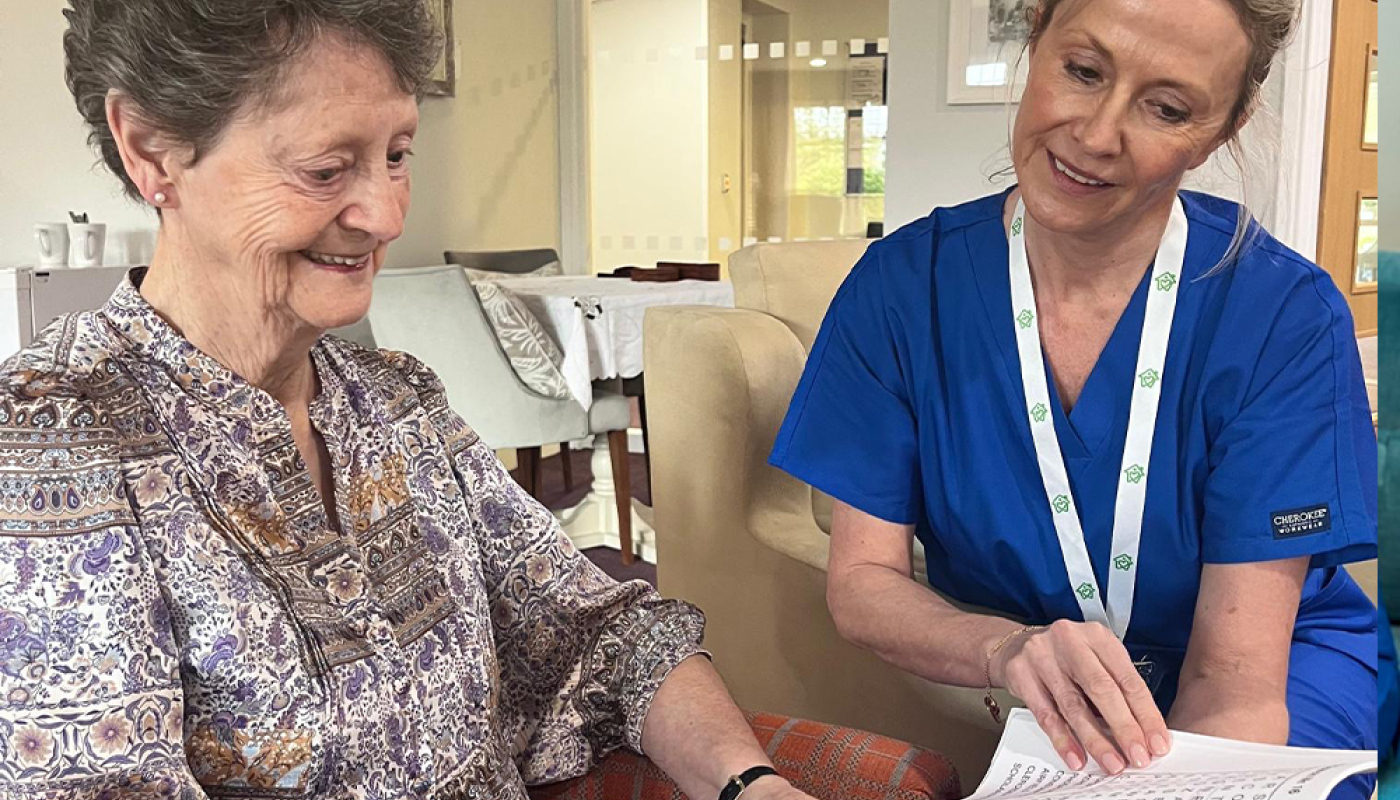
Supporting someone with dementia at home: a practical family guide
Supporting someone with dementia can bring questions about daily routines, changing needs and when to ask for help. Explore practical ways to make life at home more manageable, understand the care options available and prepare for a conversation about support.
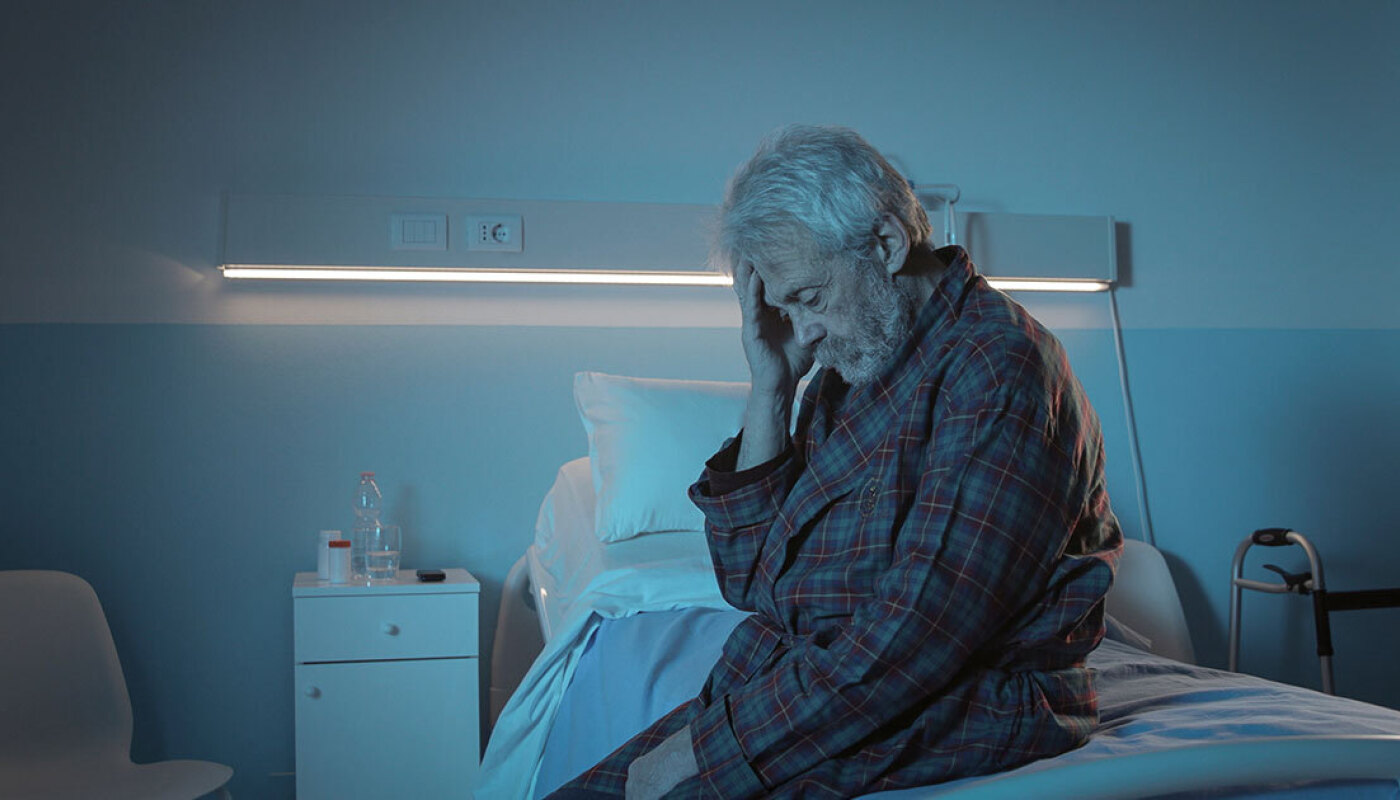
Dementia and sleep: supporting someone through difficult nights
Difficult nights with dementia can leave the whole household tired and worried. This guide explains how to notice sleep patterns, respond to distress, support familiar routines and protect a family carer’s rest, with clear advice on medical help and night-time care options.
Talk to us about what would make home life easier
Start with one room, task or part of the day
A useful home change begins with what the person is experiencing. Keep the familiar things that matter, look for the specific obstacle and choose a manageable next step. When equipment or safety is involved, an assessment can help you avoid spending money on something unsuitable.
You may find that the home arrangement is only part of the difficulty. Someone might also need company at meals, help getting ready or more consistent support to use an agreed routine. Consider what relatives can provide and where additional care could fit alongside professional advice.
If you would like to discuss care with us, tell us which task is difficult, what the person manages themselves and what you have already tried. Mention any equipment recommendations or current care guidance. We can explore whether assessed support from our team would help and explain the next step.